Gorillas, the majestic giants of the forest, have long fascinated humans with their intelligence, strength, and surprisingly gentle nature. Observing how gorillas react to humans offers profound lessons in patience, respect, and coexistence. Their behavior reflects not only their innate instincts but also their ability to perceive and respond to human presence in ways that can inspire us to be better stewards of nature and more compassionate beings.
Understanding Gorilla Behavior
Gorillas are highly social animals, living in close-knit family groups led by a dominant silverback male. Their reactions to humans depend on various factors, including their environment, past experiences, and the behavior of the humans they encounter. In the wild, gorillas are generally shy and avoid confrontation, but they can become defensive if they feel threatened.
1. Curiosity and Observation
One of the most remarkable ways gorillas react to humans is with cautious curiosity. Researchers like Dian Fossey, who spent years studying mountain gorillas, observed that gorillas often take time to assess unfamiliar humans before deciding how to respond. They may stare, tilt their heads, or even approach slowly to investigate. This teaches us the value of patience and observation—gorillas don’t rush to judgment but take time to understand before reacting.
2. Non-Aggressive Unless Provoked
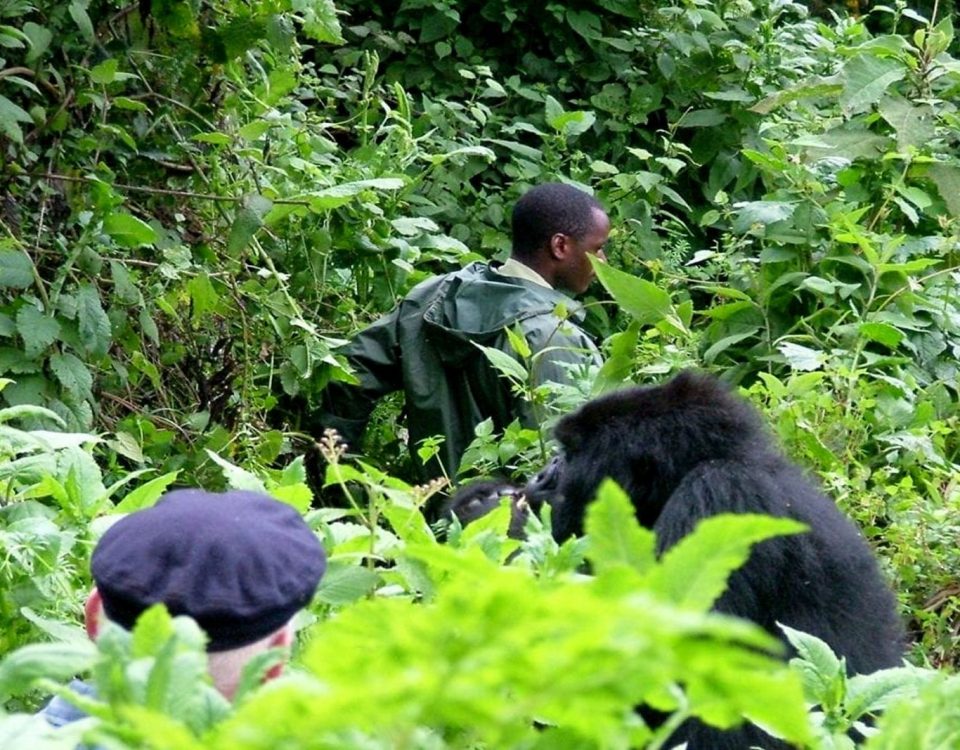
Contrary to popular myths, gorillas are not naturally aggressive. They react to humans based on how they are treated. If humans maintain a respectful distance and avoid sudden movements, gorillas typically remain calm. However, if they perceive a threat—especially to their young—they may display warning signs like chest-beating, vocalizations, or mock charges. This mirrors the importance of boundaries and mutual respect in human interactions.
3. Emotional Intelligence and Empathy
Gorillas exhibit deep emotional intelligence. They mourn their dead, form strong family bonds, and even show compassion. There are documented cases of gorillas reacting to injured humans with concern, gently touching or staying near them as if to offer comfort. This innate empathy challenges us to cultivate greater kindness in our own lives.
Lessons from Gorilla-Human Encounters
The way gorillas react to humans holds powerful lessons for how we interact with each other and the natural world.
Respect for All Life
Gorillas remind us that every creature deserves respect. When humans approach them with humility rather than dominance, gorillas respond in kind. This teaches us that respect is a universal language—whether dealing with animals or other people.
The Power of Calmness
Gorillas rarely act out of panic. Even in tense situations, they assess before reacting. In our fast-paced, often reactive world, we can learn from their composed demeanor. Taking a moment to breathe and think before responding can prevent unnecessary conflicts.
Coexistence Over Domination
Human encroachment on gorilla habitats has led to conflicts, yet gorillas often choose avoidance over aggression when possible. Their resilience in the face of habitat loss inspires us to seek harmony with nature rather than domination. Conservation efforts show that when humans act responsibly, gorillas can thrive alongside us.
Inspiring Stories of Gorilla-Human Bonds
Some of the most heartwarming examples of how gorillas react to humans come from conservation centers and sanctuaries where orphaned or rescued gorillas interact with caregivers.
Koko the Gorilla and Human Language
Koko, the western lowland gorilla, famously learned sign language and formed deep emotional connections with her human caregivers. Her ability to express complex thoughts and emotions shattered misconceptions about animal intelligence and showed that gorillas can react to humans with trust and affection when treated with kindness.
The Gentle Giants of Virunga
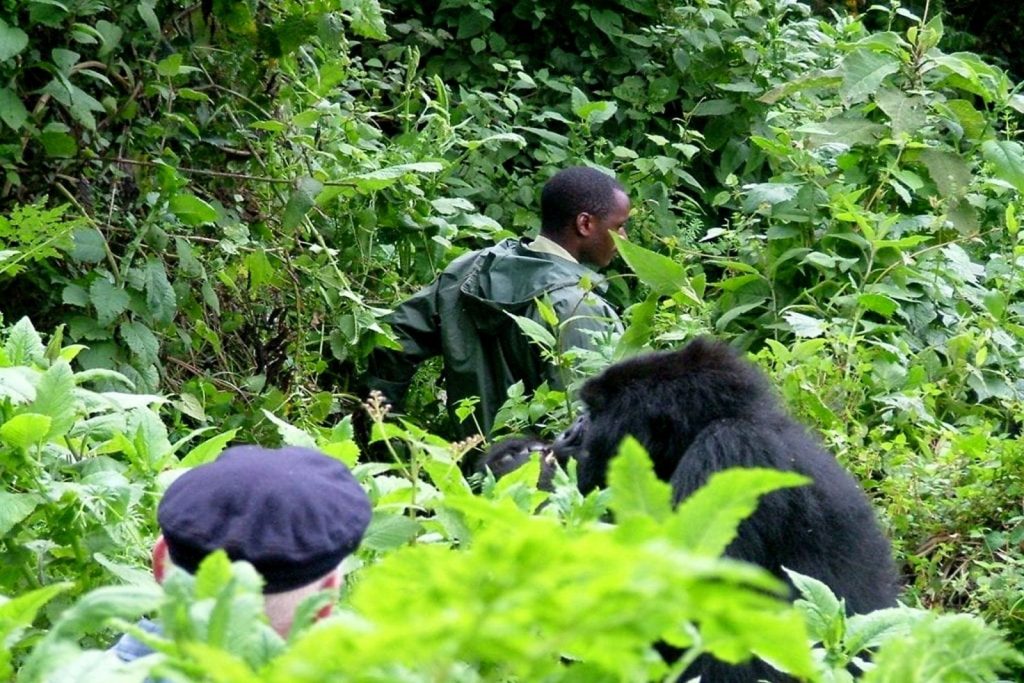
In Rwanda’s Volcanoes National Park, mountain gorillas have grown accustomed to regulated human visits. Through careful habituation, they have learned to tolerate and even ignore tourists, demonstrating that peaceful coexistence is possible when humans prioritize the animals’ well-being.
How We Can Respond to Gorillas
Just as gorillas react to humans based on our actions, we must consider how we respond to them. Here are ways we can foster positive interactions:
-
Support Conservation Efforts – Protecting gorilla habitats ensures they can live without fear of human threats.
-
Practice Responsible Tourism – Following guidelines during gorilla trekking minimizes stress on these animals.
-
Educate Others – Spreading awareness about gorilla behavior fosters greater appreciation and reduces harmful stereotypes.
A Mirror to Humanity
The way gorillas react to humans serves as a mirror, reflecting our own behavior. Their intelligence, empathy, and resilience inspire us to be more mindful, compassionate, and respectful in our interactions. By learning from these gentle giants, we can build a world where humans and wildlife coexist in harmony.
Gorillas remind us that strength does not require aggression, that curiosity leads to understanding, and that every living being deserves dignity. Let their reactions guide us toward a more empathetic and sustainable future.
Everything You Need to Know About Mountain Gorillas
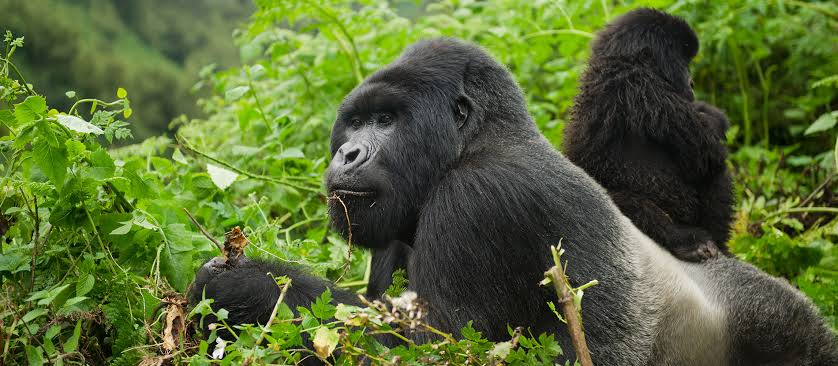
The mountain gorilla (Gorilla beringei beringei) is one of the world’s most endangered great apes and one of its most magnificent wildlife spectacles. With fewer than 1,063 individuals remaining in the wild, every encounter with a habituated gorilla family is a rare and deeply moving privilege.
Mountain gorillas live in family groups of 5–30 individuals, led by a dominant silverback male. Gorillas are primarily herbivores, feeding on leaves, stems, bark, roots and fruits — a silverback can consume up to 34kg of vegetation per day. At dusk each individual builds a fresh sleeping nest from bent vegetation.
Where to See Mountain Gorillas
Mountain gorillas can only be seen in the wild — they do not survive in captivity. They exist in two populations:
- Bwindi Impenetrable Forest, Uganda: The largest gorilla population, home to over 400 individuals across 19 habituated families. Four trekking sectors: Buhoma, Ruhija, Rushaga, and Nkuringo.
- Virunga Massif: Shared between Uganda (Mgahinga), Rwanda (Volcanoes National Park), and the DRC (Virunga National Park). Home to around 600 gorillas across the six volcanic mountains.
Gorilla Trekking Permits — Uganda vs Rwanda
Both Uganda and Rwanda offer outstanding gorilla trekking experiences with important differences:
- Uganda (USD 800): More affordable permit. Greater number of habituated families and sectors. Bwindi terrain is more challenging but offers more choice. Also offers the Gorilla Habituation Experience (USD 1,500).
- Rwanda (USD 1,500): Higher permit cost but closer to Kigali airport (2.5 hours). More developed luxury lodge sector. Smaller park but highly managed experience with reliable gorilla sightings.
Recommended Tours: 4 Days Bwindi Gorilla Trekking Safari | 4 Days Rwanda Gorilla Trekking Safari