Many people dream of getting close to these incredible animals, leading to the common question: Can I touch gorillas? The answer is more complex than a simple yes or no. It involves understanding gorilla behavior, conservation efforts, ethical tourism, and the profound impact such an encounter can have on your life. This article explores the possibility of touching gorillas, the rules surrounding it, and why respecting these magnificent beings can be even more rewarding than physical contact.
The Allure of Gorillas: Why We Want to Touch Them
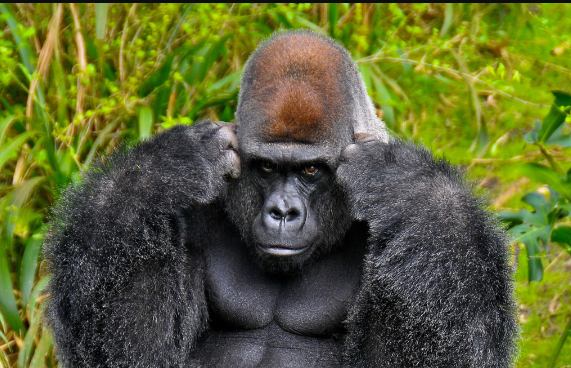
Gorillas share about 98% of our DNA, making them our closest relatives after chimpanzees and bonobos. Their human-like expressions, social structures, and emotional depth create an irresistible pull. When we see a gorilla mother cradling her baby or a silverback leading his family with quiet authority, we see reflections of ourselves.
This connection sparks a deep desire to interact with them—perhaps to touch their thick fur, feel their warmth, or look into their wise eyes. But while the idea is thrilling, we must consider what’s best for both gorillas and ourselves.
Can You Legally and Ethically Touch Gorillas?
In most cases, the answer is no, and for good reason. Gorillas are wild animals, and human interaction can pose serious risks:
-
Disease Transmission – Gorillas are susceptible to human illnesses. A simple cold can be deadly for them due to their lack of immunity.
-
Stress and Behavioral Changes – Close contact can disrupt their natural behavior, making them more vulnerable to threats.
-
Safety Concerns – Despite their gentle reputation, gorillas are incredibly strong. A startled gorilla may react defensively.
However, there are rare, highly regulated circumstances where limited interaction is possible—under strict supervision and with extreme caution.
Where Can You Get Close to Gorillas?
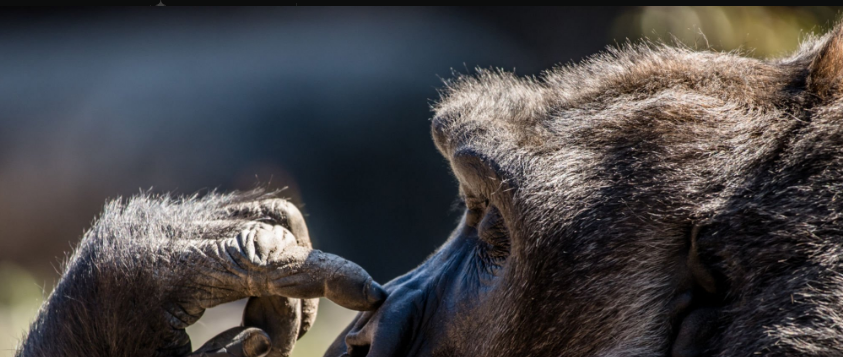
The only places where controlled gorilla encounters are possible are in Uganda, Rwanda, and the Democratic Republic of Congo (DRC), where mountain gorillas live. These countries offer gorilla trekking experiences, where tourists can observe gorillas in their natural habitat under strict guidelines:
-
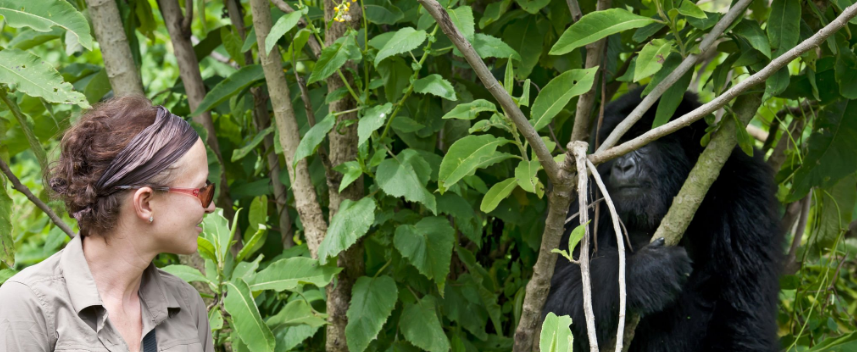
Maintaining a 7-meter (23-foot) distance (though gorillas sometimes approach on their own).
-
No direct touching unless initiated by the gorilla (and even then, minimal contact is advised).
-
Limited visitation time (usually one hour per group).
-
Small group sizes to reduce disturbance.
Even in these cases, touching is discouraged. The goal is observation, not interaction.
The Magic of Gorilla Encounters Without Touching
While the idea of touching a gorilla is thrilling, the real magic lies in simply being near them. Imagine sitting quietly in the misty forests of Bwindi or Virunga, watching a gorilla family go about their daily lives—feeding, playing, grooming. The silverback keeps watch while juveniles tumble in the undergrowth. A mother cradles her infant with tenderness that mirrors our own.
These moments are transformative. You don’t need to touch a gorilla to feel a deep, soul-stirring connection. Their presence alone is enough to leave an indelible mark on your heart.
Stories of Unforgettable Gorilla Encounters
Many who have trekked to see gorillas describe it as a life-changing experience:
-
A traveler in Rwanda once recounted how a young gorilla playfully tugged at his shoelaces before being called back by its mother. That fleeting interaction, without any direct touch, became his most cherished memory.
-
A conservationist in Uganda shared how observing a gorilla’s gaze felt like looking into the eyes of an old soul—an unspoken understanding between species.
These stories prove that the deepest connections don’t require physical contact.
How to Support Gorillas Without Touching Them
If you’re passionate about gorillas, there are meaningful ways to help them without disrupting their lives:
-
Visit Responsibly – Choose ethical gorilla trekking tours that prioritize conservation.
-
Support Conservation Organizations – Donate to groups like the Dian Fossey Gorilla Fund, WWF, or The Gorilla Organization.
-
Spread Awareness – Educate others about gorilla conservation and responsible tourism.
-
Adopt a Gorilla – Many sanctuaries offer symbolic adoptions to fund protection efforts.
The Deeper Lesson: Respect Over Desire
The question “Can I touch gorillas?” reflects a broader human tendency—we often seek closeness with nature in ways that serve us rather than the animals. But true inspiration comes from humility and respect.
Gorillas teach us that some bonds transcend touch. Their existence reminds us of the beauty of wildness, the importance of boundaries, and the profound connections we can forge simply by coexisting with reverence.
A Call to Protect and Appreciate
While the dream of touching a gorilla is understandable, the greater privilege is witnessing them thrive in their natural habitat. By observing them responsibly, we ensure future generations can also experience their wonder.
So, can you touch gorillas? Perhaps not in the way you imagined. But you can connect with them in ways far more meaningful—through respect, conservation, and the quiet awe of sharing a moment with Earth’s gentle giants.
And that is a gift more powerful than any touch.
Everything You Need to Know About Mountain Gorillas
The mountain gorilla (Gorilla beringei beringei) is one of the world’s most endangered great apes and one of its most magnificent wildlife spectacles. With fewer than 1,063 individuals remaining in the wild, every encounter with a habituated gorilla family is a rare and deeply moving privilege.
Mountain gorillas live in family groups of 5–30 individuals, led by a dominant silverback male. Gorillas are primarily herbivores, feeding on leaves, stems, bark, roots and fruits — a silverback can consume up to 34kg of vegetation per day. At dusk each individual builds a fresh sleeping nest from bent vegetation.
Where to See Mountain Gorillas
Mountain gorillas can only be seen in the wild — they do not survive in captivity. They exist in two populations:
- Bwindi Impenetrable Forest, Uganda: The largest gorilla population, home to over 400 individuals across 19 habituated families. Four trekking sectors: Buhoma, Ruhija, Rushaga, and Nkuringo.
- Virunga Massif: Shared between Uganda (Mgahinga), Rwanda (Volcanoes National Park), and the DRC (Virunga National Park). Home to around 600 gorillas across the six volcanic mountains.
Gorilla Trekking Permits — Uganda vs Rwanda
Both Uganda and Rwanda offer outstanding gorilla trekking experiences with important differences:
- Uganda (USD 800): More affordable permit. Greater number of habituated families and sectors. Bwindi terrain is more challenging but offers more choice. Also offers the Gorilla Habituation Experience (USD 1,500).
- Rwanda (USD 1,500): Higher permit cost but closer to Kigali airport (2.5 hours). More developed luxury lodge sector. Smaller park but highly managed experience with reliable gorilla sightings.
Recommended Tours: 4 Days Bwindi Gorilla Trekking Safari | 4 Days Rwanda Gorilla Trekking Safari