
The idea of trekking to see majestic gorillas in their natural habitat is a dream for many adventure enthusiasts. But for pregnant women, this dream often comes with a wave of uncertainty. Is it safe? Is it advisable? Can the physical demands of gorilla trekking be managed during pregnancy?
The answer isn’t a simple yes or no—it depends on various factors, including health, fitness level, and medical advice. However, with the right preparation, mindset, and precautions, some pregnant women can indeed embark on this life-changing journey. This article explores the possibilities, challenges, and inspirational stories of expectant mothers who dared to trek gorillas while carrying life within them.
Understanding Gorilla Trekking: What Does It Entail?
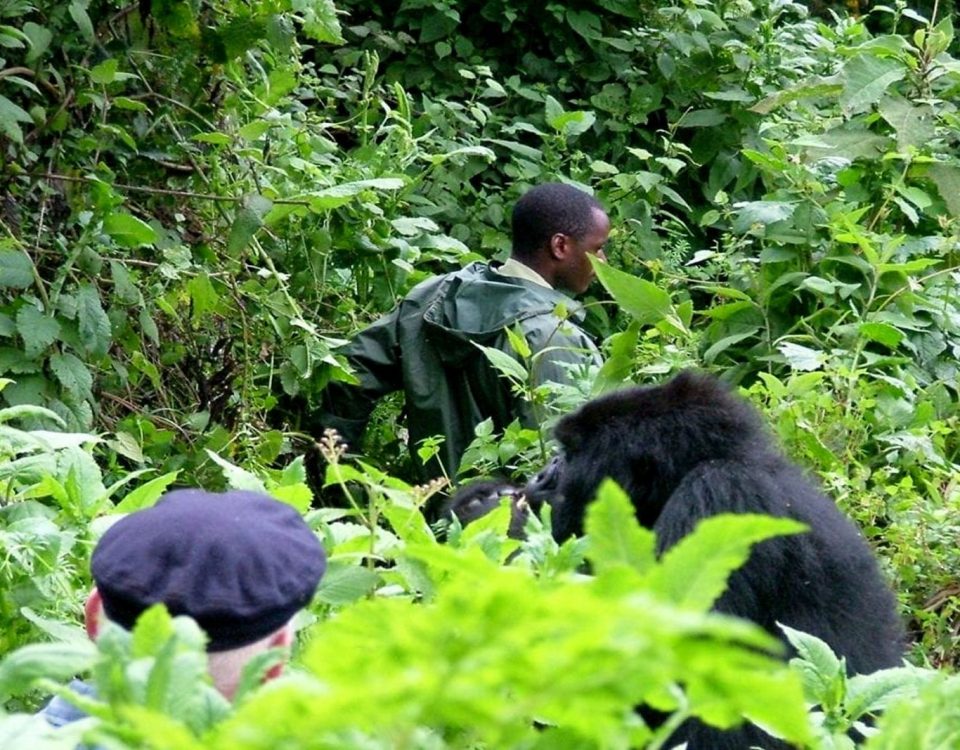
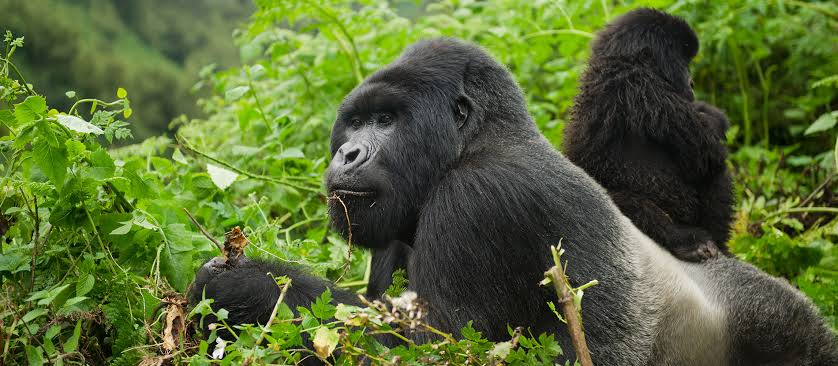
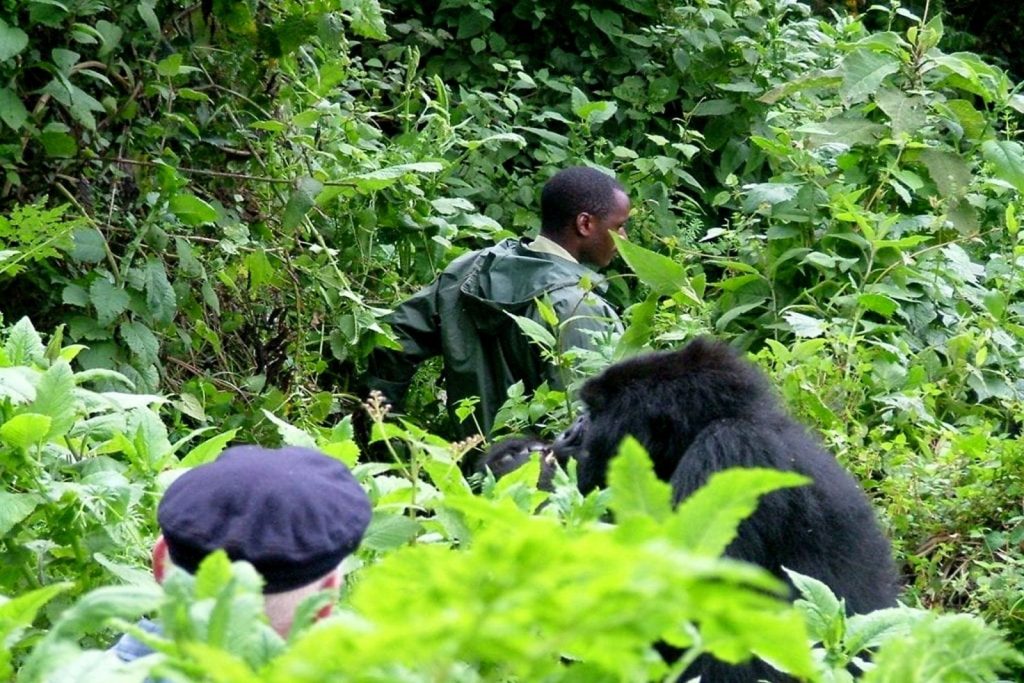
Gorilla trekking is an exhilarating yet demanding activity that involves hiking through dense forests, often on uneven terrain, to observe mountain gorillas in the wild. Popular destinations include Uganda’s Bwindi Impenetrable Forest, Rwanda’s Volcanoes National Park, and the Democratic Republic of Congo’s Virunga National Park.
A typical trek can last anywhere from 30 minutes to several hours, depending on the gorillas’ location. The terrain can be steep, muddy, and physically challenging, requiring stamina and endurance. For pregnant women, this raises important questions about safety and comfort.
Is Gorilla Trekking Safe for Pregnant Women?
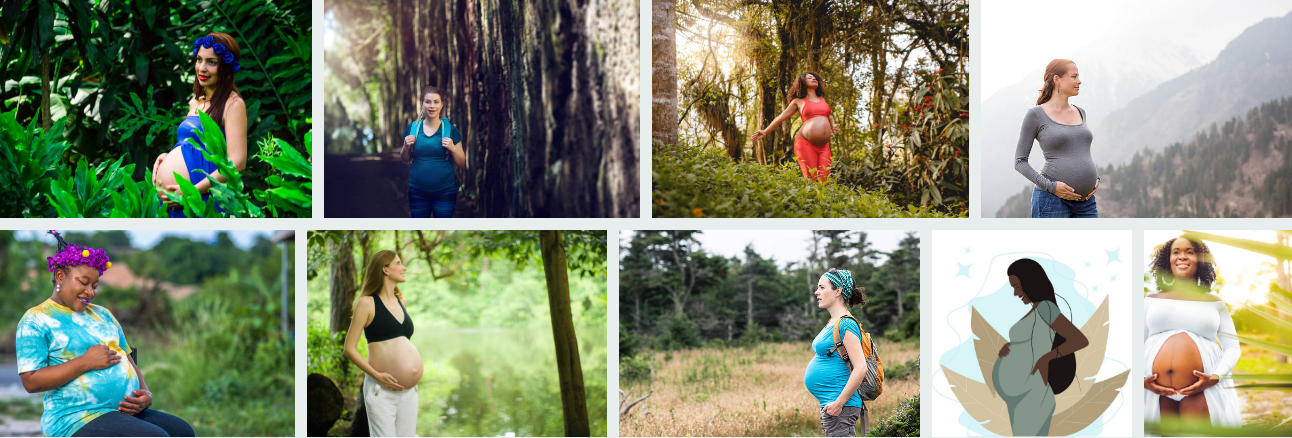
The safety of gorilla trekking during pregnancy depends on several factors:
1. Stage of Pregnancy
-
First Trimester: Some women experience fatigue, nausea, and dizziness, making strenuous activity difficult.
-
Second Trimester: Often considered the “golden period” of pregnancy, where energy levels are higher, and morning sickness subsides.
-
Third Trimester: The physical strain of trekking may be too much due to increased weight and reduced mobility.
2. Physical Fitness
-
Pregnant women who were active before pregnancy and have medical clearance may handle trekking better.
-
Those with high-risk pregnancies or complications should avoid strenuous activities.
3. Altitude and Terrain
-
Gorilla trekking often occurs at high altitudes, which can affect oxygen levels.
-
Slippery, uneven paths increase the risk of falls, which can be dangerous during pregnancy.
4. Medical Advice
-
Always consult a doctor before attempting such an adventure.
Inspirational Stories: Pregnant Women Who Trekked Gorillas
Despite the challenges, some pregnant women have successfully completed gorilla treks, proving that with determination, it’s possible.
Sarah’s Story: Trekking at 5 Months Pregnant
Sarah, an avid hiker, trekked gorillas in Uganda during her second trimester. She trained for months, consulted her doctor, and hired an experienced guide who ensured her pace was comfortable. She later described the experience as “the most empowering moment of my life.”
Rebecca’s Journey: A Test of Resilience
Rebecca, a wildlife photographer, trekked gorillas in Rwanda at 4 months pregnant. She took frequent breaks, stayed hydrated, and listened to her body. “Seeing those gentle giants while carrying my baby was surreal,” she shared.
These stories show that with proper planning, pregnant women can achieve extraordinary feats.
Essential Tips for Pregnant Women Considering Gorilla Trekking
If you’re an expectant mother dreaming of this adventure, here’s how to prepare:
1. Get Medical Clearance
-
Ensure your doctor approves the trip.
2. Choose the Right Time
-
The second trimester is often the safest window.
3. Select a Pregnancy-Friendly Trek
-
Opt for shorter, less strenuous treks. Some parks offer easier routes.
4. Hire a Supportive Guide
-
Inform your guide about your pregnancy so they can adjust the pace.
5. Pack Wisely
-
Bring snacks, water, comfortable shoes, and a walking stick for balance.
6. Listen to Your Body
-
Rest when needed—don’t push beyond your limits.
The Emotional and Spiritual Reward
Beyond the physical challenge, gorilla trekking while pregnant can be a deeply emotional experience. The connection with nature, the awe of witnessing gorillas, and the realization of your own strength can be transformative.
For pregnant women, this journey symbolizes resilience, courage, and the beautiful harmony between motherhood and adventure.
Should You Do It?
Gorilla trekking while pregnant is not for everyone, but for those in good health with proper preparation, it can be an unforgettable experience. The key is to prioritize safety, seek professional advice, and trust your instincts.
If you’re a pregnant woman considering this adventure, let these words inspire you: Pregnancy is not a limitation—it’s a testament to your strength. And sometimes, the wildest journeys lead to the most profound discoveries.
Would you dare to trek gorillas while pregnant? The answer lies within you.
Gorilla Trekking in the Democratic Republic of Congo
The Democratic Republic of Congo (DRC) is home to two gorilla species found nowhere else together: mountain gorillas in Virunga National Park and eastern lowland gorillas (Grauer’s gorillas, Gorilla beringei graueri) in Kahuzi-Biega National Park. Both are UNESCO World Heritage Sites.
Virunga National Park — Africa’s oldest national park, established in 1925 — covers 7,900 km² of remarkable ecological diversity, from the volcanic peaks of the Virunga Massif to the glaciers of the Rwenzori Mountains and the tropical lowland forests of the Congo Basin. The park is also home to hippos, elephants, okapis, and the entire cast of Congo rainforest wildlife.
Eastern Lowland Gorillas — A Unique Encounter
The eastern lowland gorilla (Grauer’s gorilla) is the world’s largest subspecies of gorilla, with silverbacks weighing up to 220kg. Found only in the DRC, Grauer’s gorillas are considerably rarer than mountain gorillas — their population has declined by more than 70% since the 1990s due to conflict, habitat loss, and poaching. Kahuzi-Biega National Park in South Kivu offers the only reliable trekking experience with habituated Grauer’s gorilla families.
A gorilla permit in the DRC costs USD 400 per person — significantly cheaper than Rwanda (USD 1,500) or Uganda (USD 800). The experience is raw, off-the-beaten-track, and unforgettable for travellers seeking something genuinely uncommon.
Practical Information for DRC Gorilla Trekking
Getting to Virunga and Kahuzi-Biega
The most common entry point to eastern DRC is via Kigali, Rwanda. Goma — the gateway to Virunga National Park — is just 80km from Kigali. Direct flights from Nairobi and Kampala also serve Goma. Bukavu (gateway to Kahuzi-Biega) is accessible from Goma by road (3–4 hours) or by light aircraft.
Is it safe to trek gorillas in the DRC?
Security in eastern DRC is complex and fluctuates. Virunga National Park and Kahuzi-Biega have experienced periods of closure due to armed group activity. Always check current security conditions with your tour operator and your government’s travel advisory before planning a DRC gorilla trek. Reputable operators with established local security networks are essential.
Recommended Tours: 8 Days Congo Gorillas & Nyiragongo Safari | 5 Days Lowland Gorilla Safari Congo