An essential question: Are walking sticks provided? The concept of a walking stick goes beyond its physical form. It symbolizes guidance, stability, and resilience. In this article, we will explore the profound significance of walking sticks, not just as tools for hikers but as metaphors for the support systems that help us move forward in life.
The Physical Importance of Walking Sticks
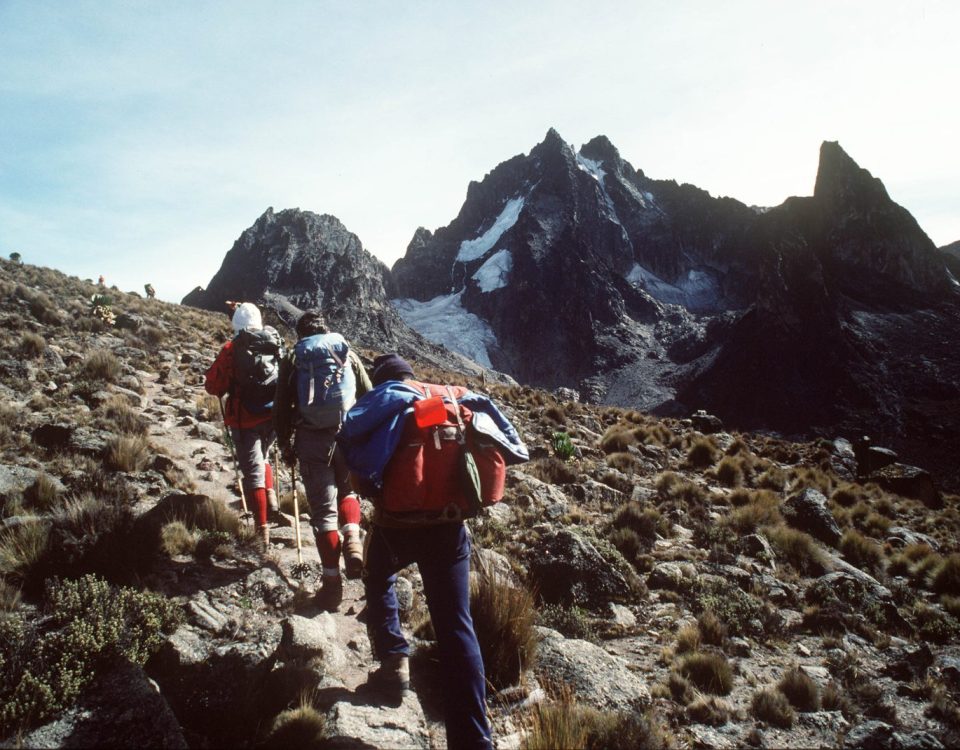
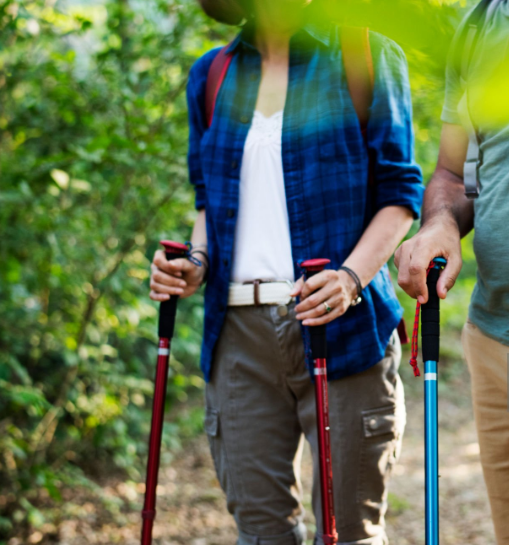
For outdoor enthusiasts, sticks (also known as trekking poles) are indispensable. They provide balance, reduce strain on joints, and improve endurance, especially on long hikes. Many national parks, resorts, and guided tours offer walking sticks to visitors, recognizing their importance in ensuring safety and comfort.
But why are walking sticks so crucial?
-
Stability on Uneven Ground – A walking stick acts as an extra limb, helping distribute weight and preventing slips on rocky or slippery paths.
-
Reduced Joint Impact – By absorbing shock, walking sticks lessen the pressure on knees and hips, making long journeys more manageable.
-
Increased Endurance – They engage the upper body, allowing hikers to conserve energy and travel farther.
If you’ve ever asked, “Are walking sticks provided?” before a hike, you understand their value. But beyond the trail, the idea of a walking stick extends into our personal and professional lives.
The Metaphorical Walking Stick: Support in Life’s Journey
Life, much like a rugged hike, is full of unexpected obstacles. Sometimes, we need a walking stick—not made of wood or metal, but in the form of encouragement, mentorship, or faith.
1. Mentorship as a Walking Stick
Just as a trekking pole steadies a hiker, a mentor provides guidance. They help us navigate challenges, avoid pitfalls, and keep moving forward. When we ask, in our careers or personal growth, we’re really seeking someone who can offer wisdom and support.
2. Faith and Belief as a Walking Stick
For many, spirituality acts as an unshakable walking stick. It provides strength in moments of doubt, much like a sturdy pole supports a weary traveler. When the path seems uncertain, faith keeps us grounded.
3. Friendship and Community as Walking Sticks
No one should walk alone. Friends, family, and supportive communities serve as walking sticks, helping us through difficult times. They remind us that even when the climb is tough, we don’t have to do it alone.
When Walking Sticks Are Not Provided
Sometimes, we expect support to be readily available—only to find that sticks are not provided. This can happen in life when:
-
A mentor is absent when we need guidance.
-
Friends or family are unavailable during hardships.
-
We feel spiritually disconnected.
In these moments, we have two choices:
-
Wait for someone to hand us a walking stick (and risk staying stuck).
-
Learn to create our own support.
This is where resilience comes in. If walking sticks are not provided, we must forge our own—through self-discipline, learning, and inner strength.
How to Be Your Own Walking Stick
While external support is valuable, true empowerment comes from within. Here’s how to be your own walking stick:
1. Develop Self-Reliance
Learn to trust your instincts. Just as a hiker adjusts their grip on a walking stick, adjust your mindset to face challenges head-on.
2. Educate Yourself
Knowledge is a powerful walking stick. The more you learn, the better equipped you’ll be to handle obstacles.
3. Build Mental Toughness
Meditation, exercise, and positive affirmations can strengthen your mental resilience, acting as an internal walking stick.
4. Seek Out Support When Needed
Even if sticks are not provided initially, don’t hesitate to ask for help. Join groups, seek mentors, and surround yourself with positive influences.
The Ultimate Lesson: Walking Sticks Are Everywhere—If You Look
The question is more than a practical inquiry—it’s a mindset. Sometimes, support is right in front of us, disguised as an opportunity, a kind word, or even a setback that teaches us strength.
Whether on a mountain trail or in the journey of life, walking sticks—both literal and metaphorical—play a vital role. They remind us that while the path may be tough, we are never truly alone. If walking sticks are provided, use them gratefully. If not, become your own.
The next time you face a challenge, ask yourself: “Are walking sticks provided?” And if the answer is no, remember—you have the power to create your own.
Keep walking. Keep climbing. And never underestimate the strength of a good walking stick.
East Africa Safari — Essential Travel Information
East Africa encompasses some of the world’s most iconic wildlife destinations. Uganda, Rwanda, Kenya, and Tanzania form the heart of the safari region, each offering distinct landscapes, wildlife, and travel experiences. Whether you’re seeking mountain gorillas in misty rainforests, the spectacular wildebeest migration across the Serengeti, or the intimate Big Five encounters of the Masai Mara, East Africa delivers an unparalleled variety of wildlife experiences within a relatively compact geographic region.
The region’s safari infrastructure is mature and well-developed, with a wide range of accommodation from budget campsites to ultra-luxury tented lodges. International air connections serve multiple gateway airports including Nairobi’s JKIA, Entebbe (Uganda), Kigali (Rwanda), Kilimanjaro International (Tanzania), and Julius Nyerere International (Dar es Salaam), giving visitors flexibility in designing multi-country itineraries.
East Africa Safari Planning Tips
- Best time to visit: The dry seasons — June to October and December to February — offer the best wildlife viewing across most of East Africa. The Masai Mara migration peaks in July–October. Gorilla trekking is year-round but June–September is most popular.
- Book early: Gorilla permits (Uganda and Rwanda), popular migration camps in the Serengeti and Masai Mara, and Kilimanjaro climb slots all have limited capacity. Book 6–12 months ahead for peak season.
- Combine countries: East Africa’s geography makes multi-country itineraries practical and rewarding. A classic 10-day circuit might combine Uganda gorillas + Queen Elizabeth wildlife + Rwanda gorillas. A 14-day trip adds the Serengeti and Masai Mara.
- Health preparation: Yellow fever vaccination is required for Uganda and Rwanda and recommended elsewhere in the region. Malaria prophylaxis is essential below 2,500m. Comprehensive travel insurance including medical evacuation coverage is non-negotiable.
- Currency: The US dollar is the de facto currency in most safari operations. Carry clean, undamaged USD bills printed after 2009 — older notes are routinely refused. Each country has its own local currency for smaller purchases.
Recommended Tours: 4 Days Bwindi Gorilla Trekking Safari | 8 Days Kenya Wildlife Safari