
Gorilla trekking is one of the most thrilling and transformative wildlife experiences on Earth. Trekking through dense jungles to encounter majestic mountain gorillas in their natural habitat is a dream for many adventurers and conservation enthusiasts. However, one crucial factor that significantly impacts this experience is the weather. Understanding how does weather affect gorilla trekking people can make the difference between a challenging ordeal and an unforgettable adventure.
In this article, we will explore the various ways weather conditions influence gorilla trekking, from trail accessibility to gorilla behavior, and how trekkers can prepare for these challenges. Whether you’re planning a trip to Rwanda’s Volcanoes National Park, Uganda’s Bwindi Impenetrable Forest, or the Democratic Republic of Congo’s Virunga National Park, being weather-wise will enhance your journey.
The Role of Weather in Gorilla Trekking
Weather plays a pivotal role in shaping the gorilla trekking experience. The tropical rainforests where mountain gorillas reside are known for their unpredictable climate, with conditions changing rapidly. The two primary seasons—dry and wet—each present unique challenges and advantages for trekkers.
1. Dry Season: Easier Trails but Crowded Paths
The dry season (June to September and December to February) is often considered the best time for gorilla trekking due to more stable weather conditions.
Advantages:
-
Firm and Dry Trails: Trekking paths are less muddy, making hiking easier and less slippery.
-
Better Visibility: Clearer skies improve photography opportunities, allowing for stunning shots of gorillas and the surrounding landscape.
-
Higher Gorilla Activity: Gorillas tend to stay at lower elevations during the dry season, making them slightly easier to locate.
Challenges:
-
Increased Crowds: Since this is peak season, permits sell out quickly, and trekking groups may be larger.
-
Dust and Dry Vegetation: The lack of rain can make the forest drier, reducing some of the lush greenery that makes the experience magical.
For those who prefer a more comfortable trek with predictable conditions, the dry season is ideal. However, flexibility and early booking are essential.
2. Wet Season: A Wild, Authentic Adventure
The wet season (March to May and October to November) transforms the forest into a vibrant, misty paradise—but also presents significant trekking challenges.
Advantages:
-
Lush Scenery: The rainforest is at its most beautiful, with vibrant foliage and blooming flowers.
-
Fewer Tourists: Permits are easier to obtain, and the experience feels more exclusive.
-
Lower Costs: Some lodges and tour operators offer discounts during the low season.
Challenges:
-
Slippery and Muddy Trails: Trekking becomes physically demanding, with steep, wet slopes requiring extra caution.
-
Rain and Fog: Heavy downpours can obscure visibility, making photography difficult and treks more strenuous.
-
Gorillas at Higher Elevations: Due to rainfall, gorillas may move uphill, extending trekking time.
Despite the difficulties, the wet season offers a raw, unfiltered connection with nature. For adventurous souls willing to embrace the elements, it can be deeply rewarding.
How Weather Affects Gorilla Behavior
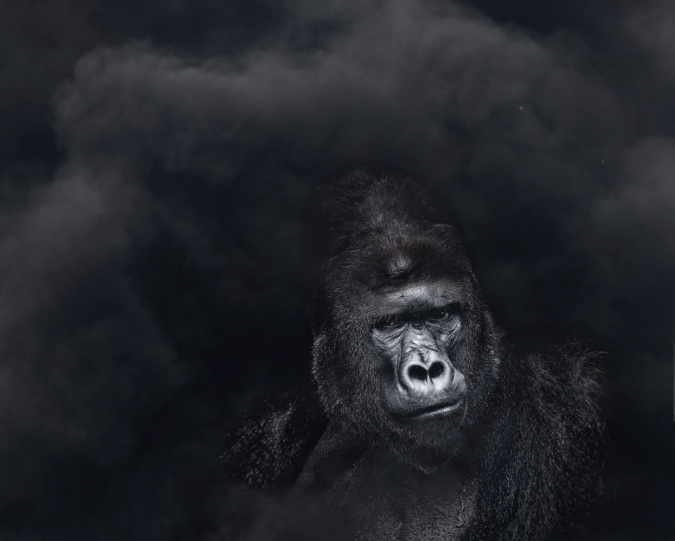
Beyond trekking conditions, weather also influences gorilla movements and habits. Understanding this can enhance your appreciation of these incredible creatures.
-
Feeding Patterns: During the wet season, gorillas have abundant food and may spread out more, while in drier months, they stay closer to reliable food sources.
-
Resting Habits: Heavy rain often leads gorillas to seek shelter under dense foliage, making them less active and harder to spot.
-
Social Interactions: Cooler, dry mornings may see more social interactions, such as playing and grooming, offering better viewing opportunities.
By aligning expectations with seasonal behaviors, trekkers can better appreciate the dynamic lives of mountain gorillas.
Preparing for Weather Challenges
Knowing how weather affects gorilla trekking people is only half the battle—preparation is key. Here’s how to stay ready for any condition:
1. Gear Up for All Conditions
-
Waterproof Clothing: A high-quality rain jacket and quick-dry pants are essential.
-
Sturdy Hiking Boots: Waterproof, ankle-supporting boots with strong grip prevent slips.
-
Gaiters: These protect against mud, insects, and thorny plants.
-
Warm Layers: Mornings can be chilly, especially at higher altitudes.
2. Physical Preparation
-
Build Endurance: Regular hiking or cardio exercises will help you handle long, steep treks.
-
Practice on Wet Terrain: If possible, train on muddy or slippery trails to adapt.
3. Mindset Matters
-
Embrace the Adventure: Rain or shine, gorilla trekking is a privilege. A positive attitude turns challenges into memorable stories.
-
Stay Flexible: Weather can change plans—patience is crucial.
The Deeper Lesson: Resilience and Adaptability
Gorilla trekking in changing weather conditions teaches us profound life lessons. Just as gorillas adapt to seasonal shifts, we too must learn resilience. The rain-soaked trails remind us that the most rewarding journeys are often the hardest. The mist-covered mountains symbolize the beauty of perseverance—what seems obscured at first can reveal breathtaking clarity with patience.
Every trekker who braves the weather to witness gorillas in the wild becomes part of a larger story—one of conservation, respect for nature, and human determination. The challenges posed by weather only deepen the connection to this extraordinary experience.
Weather as Part of the Adventure
So, how does weather affect gorilla trekking? It shapes the trails, the gorillas’ behavior, and ultimately, the trekker’s experience. Whether under the golden sun of the dry season or the mystical rains of the wet season, each trek offers a unique encounter with one of nature’s most magnificent creatures.
Instead of fearing the weather, embrace it as part of the adventure. After all, the most inspiring stories come from journeys that test our limits—and gorilla trekking, in any season, does just that.
As you prepare for your expedition, remember: the weather affect gorilla trekking is not an obstacle, but a powerful force that makes the experience richer, wilder, and more unforgettable.
Are you ready to trek? Rain or shine, the gorillas are waiting.
Gorilla Trekking in the Democratic Republic of Congo
The Democratic Republic of Congo (DRC) is home to two gorilla species found nowhere else together: mountain gorillas in Virunga National Park and eastern lowland gorillas (Grauer’s gorillas, Gorilla beringei graueri) in Kahuzi-Biega National Park. Both are UNESCO World Heritage Sites.
Virunga National Park — Africa’s oldest national park, established in 1925 — covers 7,900 km² of remarkable ecological diversity, from the volcanic peaks of the Virunga Massif to the glaciers of the Rwenzori Mountains and the tropical lowland forests of the Congo Basin. The park is also home to hippos, elephants, okapis, and the entire cast of Congo rainforest wildlife.
Eastern Lowland Gorillas — A Unique Encounter
The eastern lowland gorilla (Grauer’s gorilla) is the world’s largest subspecies of gorilla, with silverbacks weighing up to 220kg. Found only in the DRC, Grauer’s gorillas are considerably rarer than mountain gorillas — their population has declined by more than 70% since the 1990s due to conflict, habitat loss, and poaching. Kahuzi-Biega National Park in South Kivu offers the only reliable trekking experience with habituated Grauer’s gorilla families.
A gorilla permit in the DRC costs USD 400 per person — significantly cheaper than Rwanda (USD 1,500) or Uganda (USD 800). The experience is raw, off-the-beaten-track, and unforgettable for travellers seeking something genuinely uncommon.
Practical Information for DRC Gorilla Trekking
Getting to Virunga and Kahuzi-Biega
The most common entry point to eastern DRC is via Kigali, Rwanda. Goma — the gateway to Virunga National Park — is just 80km from Kigali. Direct flights from Nairobi and Kampala also serve Goma. Bukavu (gateway to Kahuzi-Biega) is accessible from Goma by road (3–4 hours) or by light aircraft.
Is it safe to trek gorillas in the DRC?
Security in eastern DRC is complex and fluctuates. Virunga National Park and Kahuzi-Biega have experienced periods of closure due to armed group activity. Always check current security conditions with your tour operator and your government’s travel advisory before planning a DRC gorilla trek. Reputable operators with established local security networks are essential.
Recommended Tours: 8 Days Congo Gorillas & Nyiragongo Safari | 5 Days Lowland Gorilla Safari Congo