If you’ve ever wondered, “Are there student discounts?”—the answer is a resounding yes! Businesses, both online and offline, recognize the financial constraints students face and offer exclusive deals to help them save money. These discounts aren’t just limited to textbooks or school supplies; they extend to technology, fashion, food, entertainment, travel, and even software subscriptions.

In this article, we’ll explore the world of student discounts, why they matter, where to find them, and how you can maximize these opportunities to make your student life more affordable and enjoyable.
Why Student Discounts Matter
1. Financial Relief for Students
Education is expensive. Between tuition, accommodation, meals, and study materials, students often find themselves stretching their budgets thin. Student discounts provide much-needed financial relief, allowing learners to allocate their limited funds more efficiently.
2. Encouraging Brand Loyalty
Companies offering student discounts aren’t just being charitable—they’re investing in future customers. By providing affordable access to products and services, businesses build brand loyalty early, ensuring that students continue to engage with them long after graduation.
3. Equalizing Access to Resources
Not all students come from the same financial background. Discounts help level the playing field by giving everyone access to essential tools—whether it’s a laptop for coding, design software for creatives, or discounted public transport for commuters.
4. Enhancing the Student Experience
Being a student isn’t just about studying—it’s also about exploring new experiences. Discounts on travel, concerts, streaming services, and dining allow students to enjoy life beyond the classroom without breaking the bank.
Where to Find Student Discounts
Now that we’ve established the importance of student discounts, the next question is: Where can you find them? Here’s a breakdown of some of the best places to look:
1. Technology & Software
-
Apple Education Store – Discounts on MacBooks, iPads, and accessories.
-
Microsoft Office 365 – Free or discounted subscriptions for students.
-
Adobe Creative Cloud – Up to 60% off for students and teachers.
-
Spotify & Apple Music – Reduced subscription rates.
2. Fashion & Retail
-
ASOS – 10% off for students.
-
Nike & Adidas – Discounts on athletic wear.
-
Topshop & Topman – Student-exclusive deals.
-
Levi’s – 15% off for verified students.
3. Food & Dining
-
Subway – Discounts in select locations.
-
Burger King & McDonald’s – Student meal deals.
-
Starbucks – Special offers through student programs.
-
Local Cafés & Restaurants – Many small businesses offer student pricing.
4. Travel & Transportation
-
Amtrak & Greyhound – Discounted fares.
-
StudentUniverse & STA Travel – Exclusive flight and hotel deals.
-
Railcards (UK) & Eurail Passes (Europe) – Reduced train travel costs.
-
Uber & Lyft – Occasionally offer student promotions.
5. Entertainment & Subscriptions
-
Amazon Prime Student – 6 months free, then 50% off.
-
Netflix & Hulu – Sometimes offer student pricing.
-
AMC & Regal Cinemas – Discounted movie tickets.
-
Museums & Theaters – Many cultural institutions offer student rates.
6. Educational Resources
-
Chegg & Coursera – Discounts on textbooks and online courses.
-
Grammarly Premium – Special pricing for students.
-
New York Times & Wall Street Journal – Reduced subscription fees.
How to Verify and Access Student Discounts
While many businesses offer student discounts, accessing them often requires verification. Here’s how you can prove your student status:
1. Student Email (.edu or school-affiliated)
Many companies, like Amazon Prime Student and Microsoft, require a university-issued email address to verify eligibility.
2. Student ID Card
Some retailers, especially physical stores, will ask for a valid student ID before applying discounts.
3. Third-Party Verification Services
Platforms like UNiDAYS, Student Beans, and SheerID act as middlemen, verifying student status and granting access to exclusive discounts.
4. School-Specific Discounts
Some universities partner with local businesses to offer additional savings—check your school’s website or student services office for details.
Maximizing Student Discounts: Tips & Tricks
To make the most of student discounts, follow these strategies:
1. Always Ask
Even if a store doesn’t advertise a student discount, it never hurts to ask—many small businesses offer unadvertised deals.
2. Stack Discounts
Some retailers allow you to combine student discounts with seasonal sales or promo codes for even greater savings.
3. Follow Brands on Social Media
Companies often announce flash sales or exclusive student deals on platforms like Instagram and Twitter.
4. Use Cashback & Reward Apps
Apps like Rakuten, Honey, and Swagbucks can provide additional cashback on purchases made with student discounts.
5. Renew Discounts Annually
Some services require annual re-verification—mark your calendar to avoid missing out.
The Long-Term Benefits of Student Discounts
Beyond immediate savings, taking advantage of student discounts teaches valuable financial habits:
-
Budgeting Skills – Learning to seek out deals fosters smart spending.
-
Resourcefulness – Students become adept at finding cost-effective solutions.
-
Networking & Awareness – Engaging with discount platforms exposes students to new brands and opportunities.
Don’t Miss Out!
If you’re a student, the answer to “Are there student discounts?” should now be clear—absolutely! From tech gadgets to travel adventures, these discounts are designed to make your academic journey smoother and more enjoyable.
The key is to stay proactive. Sign up for verification services like UNiDAYS, keep your student ID handy, and always be on the lookout for new deals. Every dollar saved is a step toward financial freedom and a more fulfilling student experience.
So, go ahead—unlock those discounts and make the most of your college years without emptying your wallet. Your future self will thank you!
East Africa Safari — Essential Travel Information
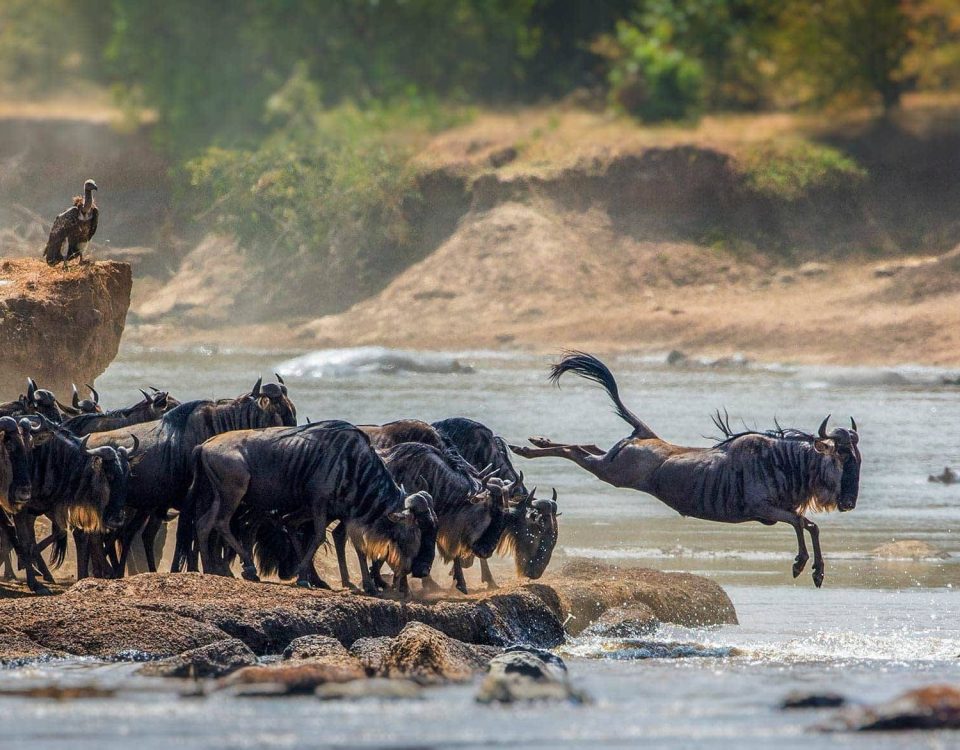
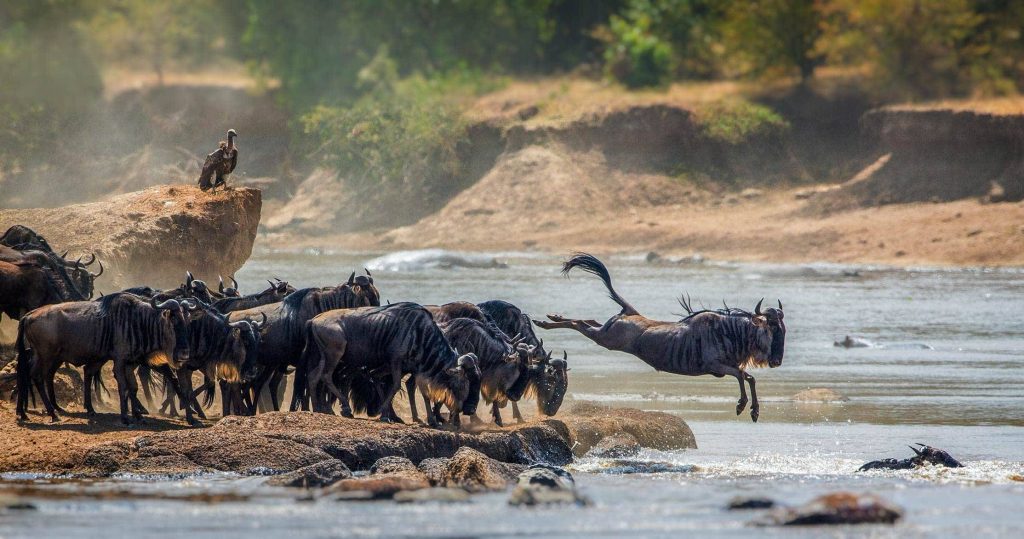
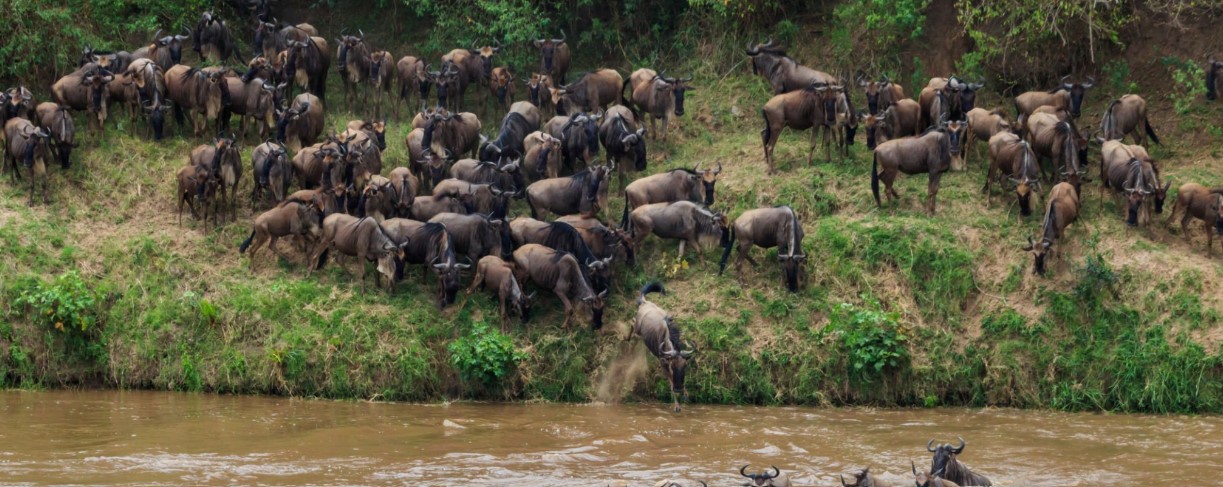
East Africa encompasses some of the world’s most iconic wildlife destinations. Uganda, Rwanda, Kenya, and Tanzania form the heart of the safari region, each offering distinct landscapes, wildlife, and travel experiences. Whether you’re seeking mountain gorillas in misty rainforests, the spectacular wildebeest migration across the Serengeti, or the intimate Big Five encounters of the Masai Mara, East Africa delivers an unparalleled variety of wildlife experiences within a relatively compact geographic region.
The region’s safari infrastructure is mature and well-developed, with a wide range of accommodation from budget campsites to ultra-luxury tented lodges. International air connections serve multiple gateway airports including Nairobi’s JKIA, Entebbe (Uganda), Kigali (Rwanda), Kilimanjaro International (Tanzania), and Julius Nyerere International (Dar es Salaam), giving visitors flexibility in designing multi-country itineraries.
East Africa Safari Planning Tips
- Best time to visit: The dry seasons — June to October and December to February — offer the best wildlife viewing across most of East Africa. The Masai Mara migration peaks in July–October. Gorilla trekking is year-round but June–September is most popular.
- Book early: Gorilla permits (Uganda and Rwanda), popular migration camps in the Serengeti and Masai Mara, and Kilimanjaro climb slots all have limited capacity. Book 6–12 months ahead for peak season.
- Combine countries: East Africa’s geography makes multi-country itineraries practical and rewarding. A classic 10-day circuit might combine Uganda gorillas + Queen Elizabeth wildlife + Rwanda gorillas. A 14-day trip adds the Serengeti and Masai Mara.
- Health preparation: Yellow fever vaccination is required for Uganda and Rwanda and recommended elsewhere in the region. Malaria prophylaxis is essential below 2,500m. Comprehensive travel insurance including medical evacuation coverage is non-negotiable.
- Currency: The US dollar is the de facto currency in most safari operations. Carry clean, undamaged USD bills printed after 2009 — older notes are routinely refused. Each country has its own local currency for smaller purchases.
Recommended Tours: 4 Days Bwindi Gorilla Trekking Safari | 8 Days Kenya Wildlife Safari