Does Lake Manyara Have Tree-Climbing Lions?
There’s a rare kind of magic in the African wild a moment where nature defies expectations and leaves you utterly amazed. Picture this: a lion, king of the savannah, not lounging in golden grasses or stalking through dense undergrowth, but gracefully draped over the branches of an acacia tree, surveying the world from above. It’s not just a fantasy or a figment of a safari dream. At Lake Manyara National Park in northern Tanzania, these legendary tree-climbing lions are very real and they are one of the park’s most treasured wonders.
For travelers chasing the extraordinary, Lake Manyara offers a front-row seat to this remarkable behavior. But what makes these lions climb trees? Is it unique to this region? And what else can visitors expect when on safari in Lake Manyara? Let’s dive into the heart of this question and explore the enchanting world of tree-climbing lions.
The Rare Art of Tree-Climbing Lions
While lions are not typically known for their climbing skills unlike their leopard cousins the tree-climbing lions of Lake Manyara have made an art out of it. It’s believed that only two populations in Africa have truly developed this behavior: one in Uganda’s Ishasha sector of Queen Elizabeth National Park, and the other here in Lake Manyara. This makes spotting a tree-climbing lion a bucket-list experience, drawing wildlife lovers and photographers from all over the world.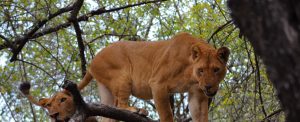
In Lake Manyara, it’s not uncommon to find lions resting on thick branches during the heat of the day. They appear relaxed, draped like overgrown house cats, with paws and tails dangling lazily as they escape the dusty heat below. It’s a curious and mesmerizing sight, especially given the lion’s usual reputation as a ground-dwelling predator.
Why Do Lions Climb Trees?
The behavior remains one of nature’s unsolved mysteries. However, several theories attempt to explain why these lions have taken to the treetops. One common explanation is comfort. The trees provide a cool, breezy refuge from the heat, biting insects, and rough terrain of the forest floor. From their elevated position, lions can also observe prey from a distance, remain hidden from threats, or simply nap in peace away from the chaos below.
It’s also thought that this behavior may be passed down through generations, becoming part of the pride’s culture. In Lake Manyara, young lions may learn from older ones, mimicking their climbs and eventually mastering the skill themselves.
Where to See Them in Lake Manyara
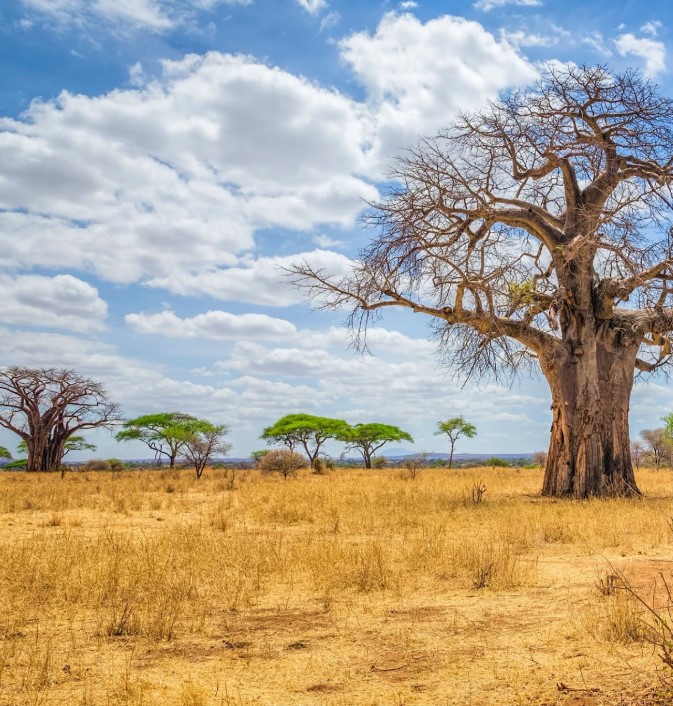
If you’re eager to see tree-climbing lions in action, Lake Manyara National Park offers prime opportunities. Most sightings occur in the southern woodlands of the park, especially around the acacia and sausage trees. These areas provide sturdy, low-lying branches ideal for lion lounging.
Early morning or late afternoon game drives offer the best chances to catch them in the trees, as lions are more active during the cooler hours. Skilled guides from local safari lodges know the terrain intimately and can often lead you straight to known hotspots for lion sightings.
More Than Just Lions
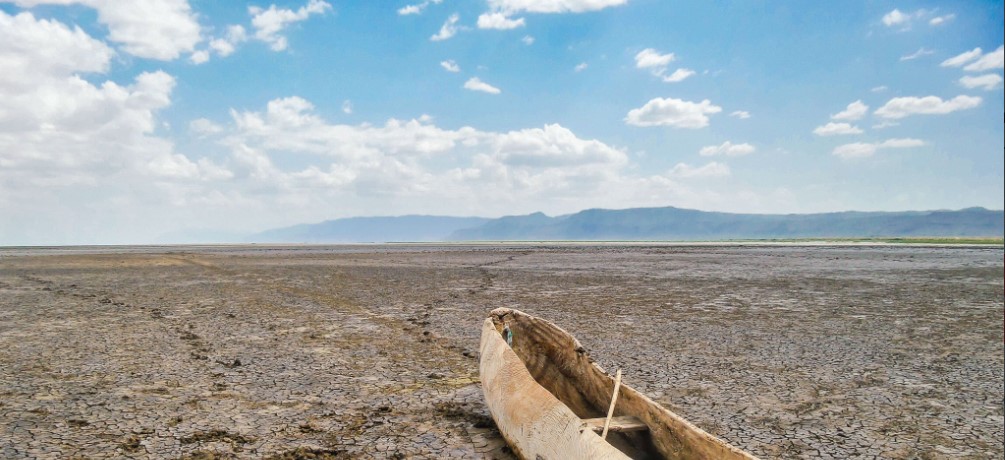
While the tree-climbing lions are a top attraction, Lake Manyara is a diverse and vibrant ecosystem that holds far more to discover. The park stretches between the escarpment of the Great Rift Valley and the alkaline lake itself, creating a unique blend of forest, grassland, and wetland habitats.
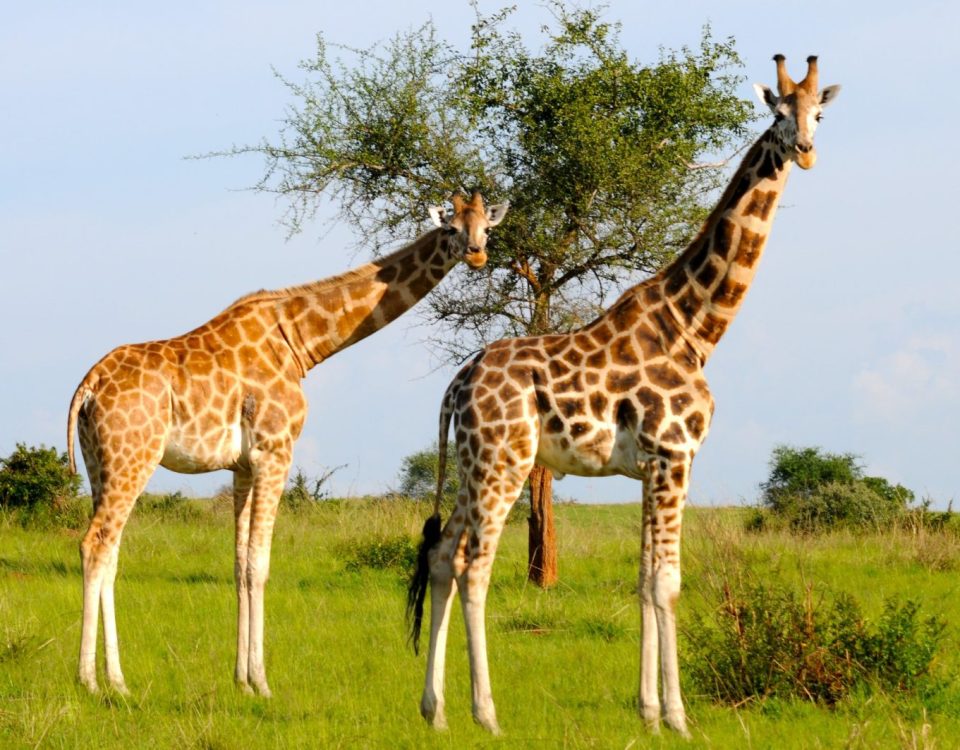
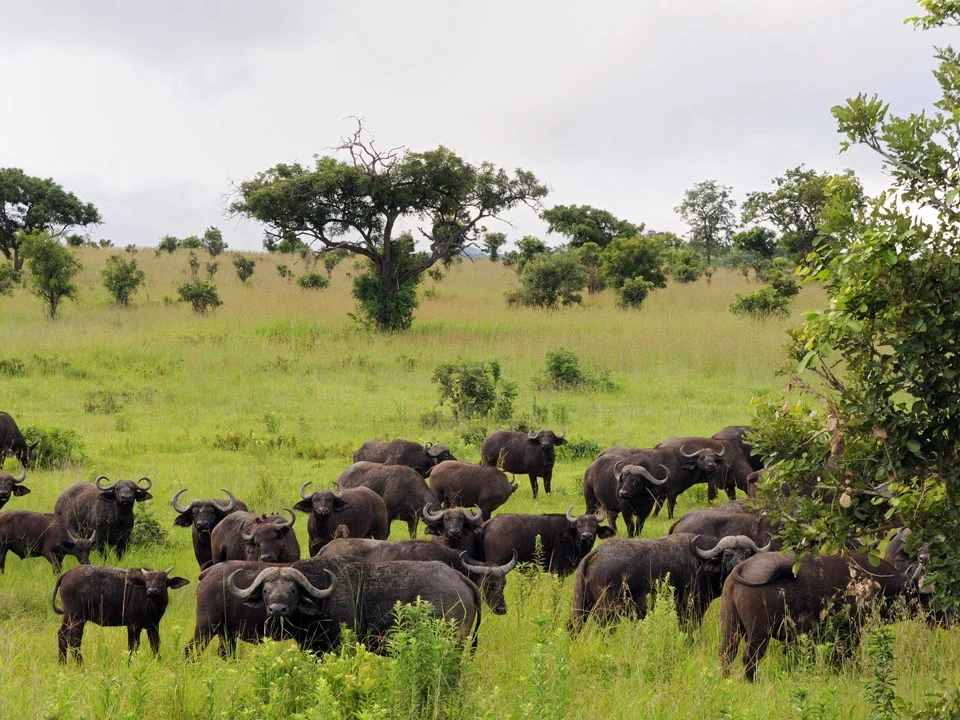
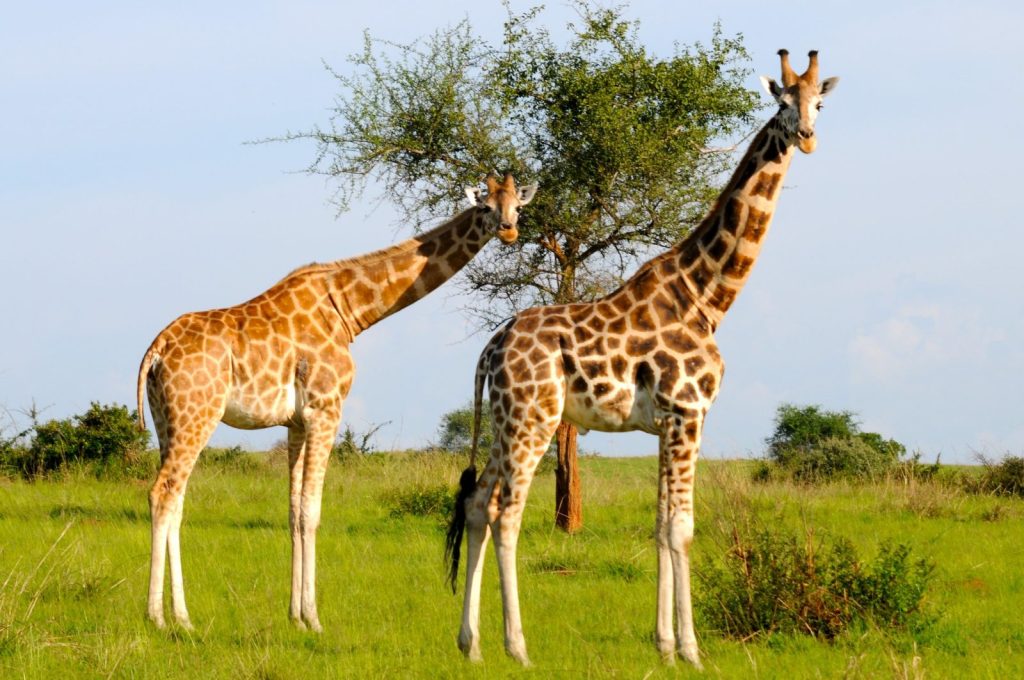
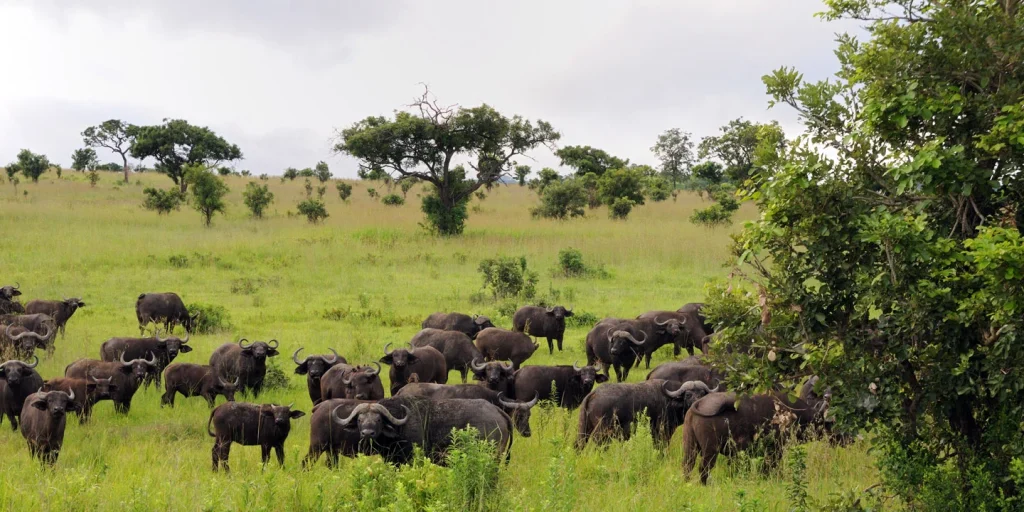
You’ll likely encounter elephants, giraffes, buffaloes, zebras, and playful troops of baboons along your drive. Hippos wallow in the lake’s shallow waters while flocks of flamingos sweep across the horizon in elegant pink waves. Bird lovers will be in paradise, as the park hosts over 400 species of birds.
A Safari Like No Other
Lake Manyara is ideal for those seeking a more intimate and peaceful safari experience. Unlike the vast open plains of the Serengeti, Manyara offers dense forest canopies and hidden clearings, creating a sense of discovery with every turn. And because it’s less crowded than some of Tanzania’s more famous parks, sightings feel personal, authentic, and deeply rewarding.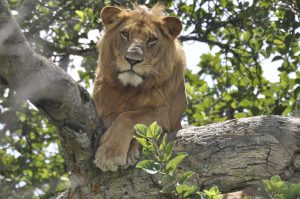
The park’s compact size also makes it perfect for day trips or short stays, especially for travelers en route to Ngorongoro Crater or the Serengeti. But even in just one day, the magic of seeing lions in trees so majestic and unexpected can leave an impression that lasts a lifetime.
Conservation and Protection
Like all wildlife, the lions of Lake Manyara face challenges. Habitat loss, human-wildlife conflict, and climate change threaten their way of life. However, conservation efforts led by the Tanzanian government, local communities, and international organizations are helping to protect these magnificent animals and the delicate ecosystems they inhabit.
Tourism plays a key role in this. Every visit supports park maintenance, conservation programs, and the livelihoods of local people. Responsible, respectful travel ensures that future generations can continue to witness the awe of tree-climbing lions in their natural habitat.
A Rare and Beautiful Encounter
So, does Lake Manyara have tree-climbing lions? Absolutely. And more than that it offers a window into one of nature’s most enchanting secrets. Seeing a lion sprawled across a tree branch, gazing down like a king on his throne, is not just a rare wildlife moment it’s a reminder of how wild, unpredictable, and wonderful our world truly is.
Whether you’re a seasoned safari-goer or dreaming of your first adventure in Africa, make time for Lake Manyara. Its hidden forests, shimmering lake, and mysterious lions in the trees might just become the highlight of your journey.