Why Are Baobab Trees Special in Tarangire?
The African landscape is dotted with iconic trees that have become symbolic of the continent’s unique beauty. Among these, the baobab tree stands out for its otherworldly appearance and deep cultural significance. In Tarangire National Park, Tanzania, these majestic giants are not just a feature of the environment but a part of the park’s identity. Standing tall and often gnarled, the baobab tree offers more than just a picturesque backdrop for wildlife lovers and photographers. The baobab is an emblem of resilience, a witness to centuries of change, and a vital part of the ecosystem. But what makes the baobab trees in Tarangire truly special? Let’s explore.
The Majestic Appearance of the Baobab
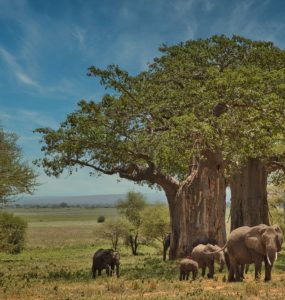
Boabab Tree in Tarangire
Baobab trees are among the most easily recognizable trees in the world. Their trunk, which can grow to over 10 meters in circumference, seems to defy the very idea of a traditional tree. The trees have an unmistakable silhouette, with thick trunks that can appear to be upside down, as their roots seem to reach for the sky. This unique feature is what often captures the imagination of visitors to Tarangire National Park.
The baobabs of Tarangire grow particularly large due to the park’s arid environment. These trees are well adapted to the dry conditions and can store thousands of liters of water in their trunks, allowing them to survive the harsh droughts of the African savanna. Their ability to thrive in such a challenging environment is one of the reasons they are so special. It’s as if these trees have become symbols of strength, standing proudly even in the face of adversity.
Historical and Cultural Significance
Beyond their physical majesty, baobabs hold immense cultural and historical significance in many African communities, including those surrounding Tarangire. Often referred to as the “Tree of Life,” the baobab is seen as a source of sustenance and a symbol of endurance. The fruits of the baobab are packed with nutrients and have been used for centuries by local communities for their health benefits. They are rich in vitamin C, calcium, and antioxidants, and their pulp can be consumed fresh, dried, or made into a juice.
In some African cultures, the baobab is believed to possess spiritual power, with the tree often being considered sacred. It is not uncommon to find stories and myths associated with the baobab, often portraying it as a bridge between the earthly and spiritual worlds. These trees have stood for centuries, witnessing the rise and fall of civilizations, and continue to be a point of reverence in local folklore.
Ecological Role in Tarangire
Tarangire National Park is known for its incredible biodiversity, and the baobab tree plays an essential role in supporting the park’s ecosystem. These trees provide crucial shelter and food for a variety of wildlife species. Birds, particularly hornbills and woodpeckers, often nest in the hollows of baobab trunks, while monkeys, baboons, and elephants are known to feast on their fruits and bark.
During the dry season, the baobab becomes a vital resource for herbivores. The tree’s leaves, which are high in nutrients, are a preferred food for some species, while elephants, in particular, have been known to strip the bark of the baobab. Interestingly, despite the damage inflicted on these trees by elephants, the baobab has evolved to cope with such attacks, developing thick bark that can regenerate even after being torn by these massive animals.
Baobabs also play a significant role in the water cycle of Tarangire. The trees’ remarkable ability to store water in their trunks helps maintain the balance of the local environment, as this stored water can be slowly released into the ecosystem over time. This ability makes the baobab tree a critical player in sustaining life during the dry months when water sources are scarce.
The Role of Baobabs in Wildlife Photography
For those visiting Tarangire National Park, the sight of the baobab tree is more than just a beautiful addition to the landscape. It becomes an integral part of the photographic experience. The park’s baobabs, with their stark, ancient shapes, create a dramatic contrast against the golden savanna and the sky’s ever-changing hues. During sunrise and sunset, the trees cast long shadows, creating the perfect canvas for wildlife photography. The iconic image of an elephant grazing under the canopy of a baobab is a familiar and often treasured shot for visitors to Tarangire.
Beyond being simply a subject for photography, the baobabs are part of a larger story in the park. The symbiotic relationships between the trees and the wildlife are what make Tarangire such a unique location for capturing the beauty of nature. The baobabs stand as silent witnesses to the everyday lives of animals, and they form the backdrop to the drama of the African savanna.
Baobabs and Climate Change
Like many other natural wonders of Africa, the baobab trees of Tarangire face new challenges, particularly in the face of climate change. The park has seen variations in rainfall patterns, which have affected the baobabs’ ability to thrive. Some of the oldest and largest baobabs in the park have begun to show signs of decline, with their trunks and branches thinning or dying. This has raised concerns for conservationists, as the baobab tree is not just an important part of the ecosystem but a cultural and historical treasure.
The changing climate is also affecting the animals that rely on the baobab for food and shelter. As the dry seasons grow longer and more intense, the trees’ ability to store water is put to the test. This adds another layer of complexity to the ongoing conservation efforts in Tarangire.
However, there is hope. Local conservationists and park authorities are actively working to monitor the health of the baobab trees and protect them from the adverse effects of climate change. There are also efforts to restore degraded areas and ensure that the wildlife that depends on the baobab has access to its critical resources.
Why Visit Tarangire to See Baobabs?
A visit to Tarangire National Park offers a chance to witness the incredible beauty of the baobab trees in their natural habitat. For those who appreciate nature, these trees are not just a sight to behold; they are an experience to be felt. The silence of the park, broken only by the occasional trumpet of an elephant or the calls of birds, creates a peaceful atmosphere in which these ancient giants stand as guardians of the land.
The baobab trees of Tarangire are special not only because of their physical grandeur but because of their deep connection to the land, the wildlife, and the people who live around them. They are symbols of resilience, culture, and life, offering visitors a sense of wonder and reverence for the natural world.