How to Protect Against the Sun in Tanzania: A Guide to Enjoying the Sun Safely
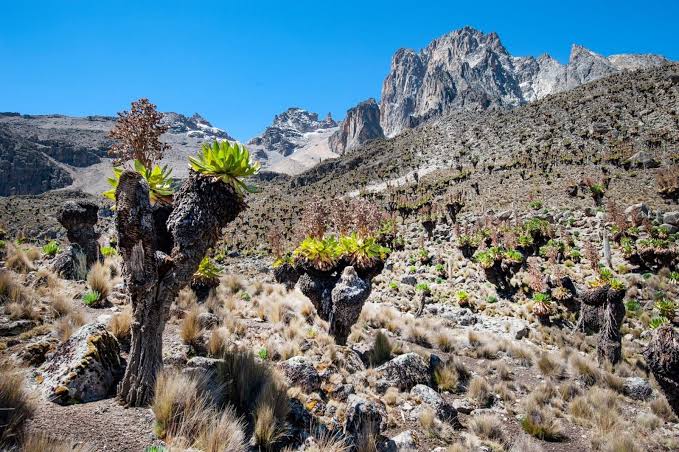
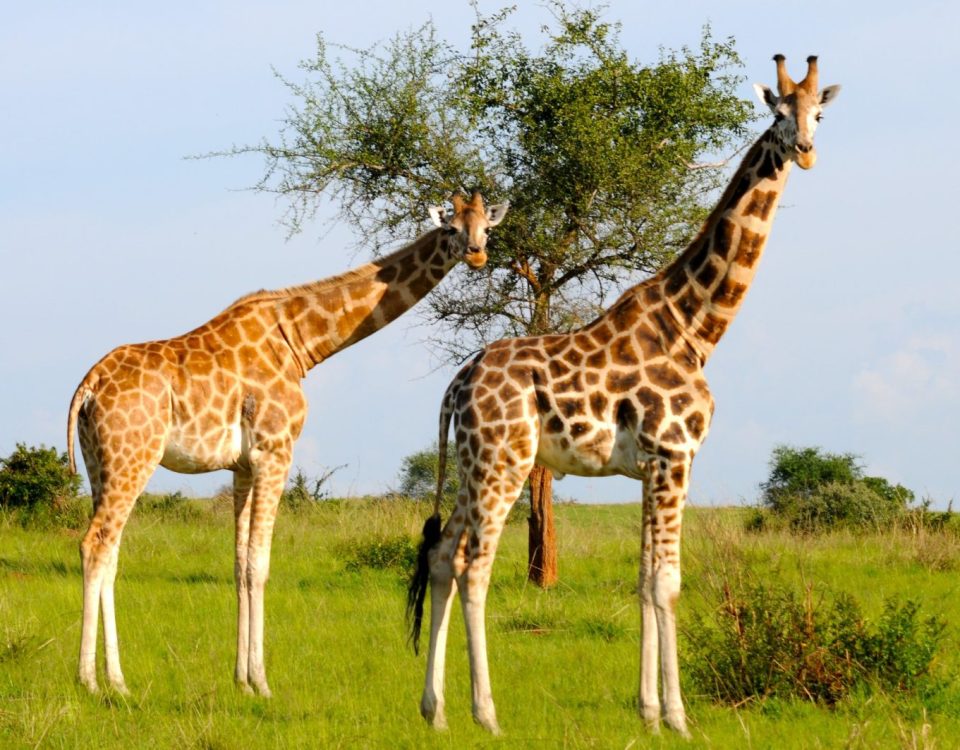
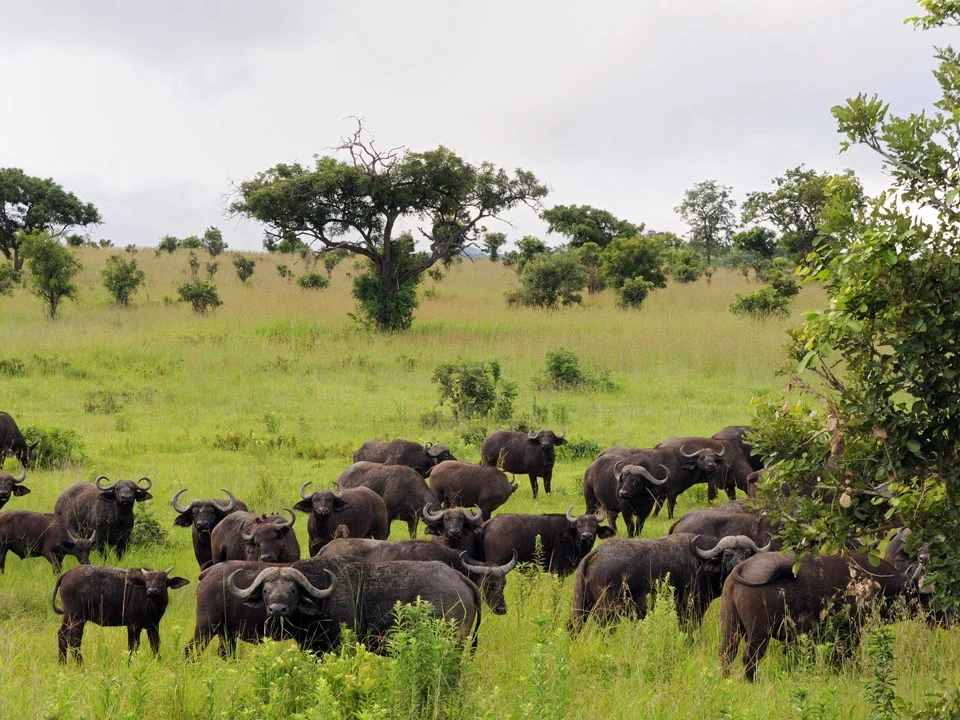
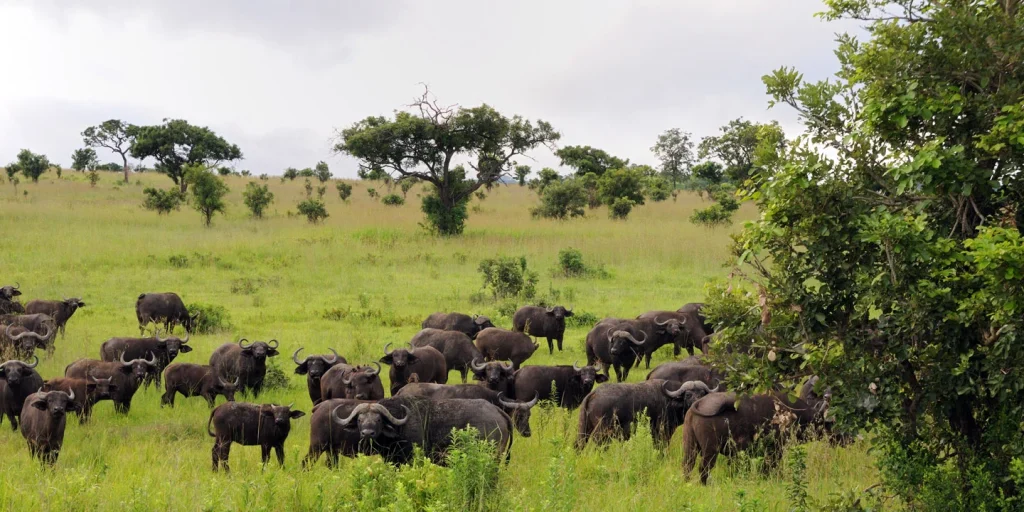
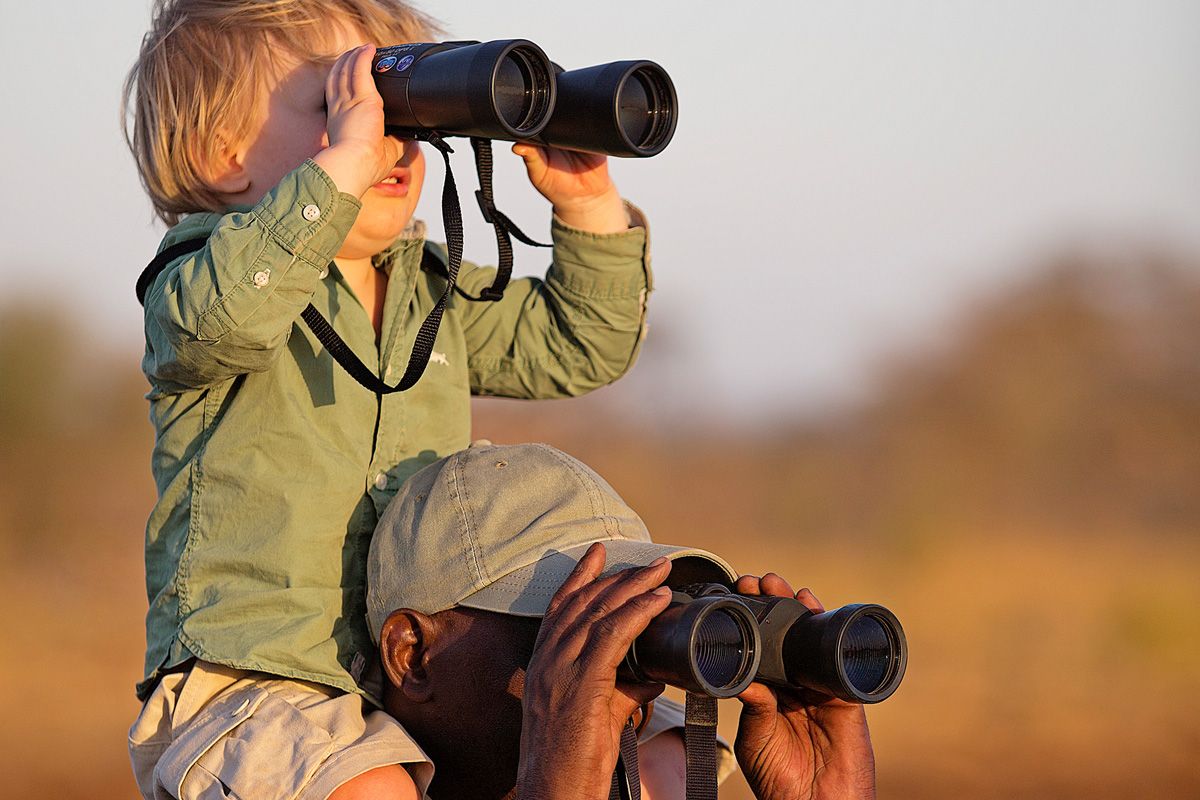
Tanzania, a land of majestic landscapes, vibrant cultures, and breathtaking wildlife, offers travelers a rich experience. From the Serengeti’s sprawling plains to the white sands of Zanzibar, it’s no wonder that many visitors flock to Tanzania year-round. However, while the beauty of this East African country is undeniable, the sun can be intense, and protecting yourself from its powerful rays is essential for both your comfort and health. Whether you’re embarking on a safari, hiking Mount Kilimanjaro, or simply soaking up the atmosphere on a beach, here’s a guide to help you protect yourself against the sun while fully enjoying the incredible experiences Tanzania has to offer.
The Importance of Sun Protection in Tanzania
Tanzania’s proximity to the equator means it enjoys a tropical climate, characterized by strong sunlight, especially between midday and early afternoon. The sun in this region can be quite unforgiving, increasing the risk of sunburn, premature aging, and more serious conditions like skin cancer. With the added factor of altitude when trekking Mount Kilimanjaro, the effects of sun exposure can be even more amplified.
In Tanzania, it’s not just about avoiding the pain of a sunburn. Prolonged exposure to UV rays without proper protection can cause dehydration, heatstroke, and long-term skin damage. By taking a few simple precautions, you can safeguard your health, ensuring that your experience in Tanzania is nothing short of unforgettable.
1. Wear the Right Clothing
The first line of defense against the sun is your clothing. Lightweight, breathable fabrics like cotton or linen are ideal as they allow your skin to breathe while providing some protection from the sun. However, it’s important to go for loose-fitting attire that will cover as much of your skin as possible. For instance, long sleeves and pants made of light-colored fabric can help reflect the sun’s rays while preventing sunburn.
Choosing a wide-brimmed hat is another effective way to protect yourself. A hat will shield your face, ears, and neck from direct sun exposure, areas that are particularly vulnerable. If you’re heading out on a safari or hiking, look for hats made with breathable material that also offer UV protection.
For your feet, wear comfortable, breathable shoes and socks. If you’re heading to the beach, opt for sandals or water shoes, but always remember to apply sunscreen to your feet, which are often neglected.
2. Apply High-Quality Sunscreen
One of the most critical steps in sun protection is using sunscreen. In Tanzania, high-altitude safaris or beach days in Zanzibar can expose you to higher UV levels, so choosing the right sunscreen is essential. Opt for a broad-spectrum sunscreen with an SPF of at least 30. Make sure to apply it generously to all exposed skin areas and reapply it every two hours, or more frequently if you’re sweating or swimming.
When choosing sunscreen, go for a water-resistant formula to ensure it stays on during hot and humid conditions. Don’t forget areas that are commonly overlooked, such as the back of your neck, under your chin, and the tops of your ears. If you have sensitive skin, consider opting for a mineral sunscreen with zinc oxide or titanium dioxide, which are less likely to irritate.
3. Seek Shade During Peak Hours
Tanzania’s sun is at its strongest between 10 a.m. and 4 p.m. If possible, plan your outdoor activities for early mornings or late afternoons when the sun is not as intense. These cooler hours not only provide a more pleasant environment for sightseeing and exploration, but they also reduce the risk of overexposure to harmful UV rays.
If you find yourself outside during midday hours, seek shade whenever possible. Trees, tents, or even structures like market stalls can provide much-needed relief from the direct sun. Consider carrying a lightweight portable umbrella or a sunshade to ensure you always have a place to rest and cool down.
4. Stay Hydrated
Dehydration is a significant concern when traveling in a hot climate, especially under the relentless Tanzanian sun. The heat can quickly sap your energy, leaving you feeling sluggish and uncomfortable. To prevent this, drink plenty of water throughout the day, even if you’re not thirsty. Carry a reusable water bottle with you and refill it regularly.
If you’re on a safari or hiking in the wilderness, remember that it’s easy to get caught up in the excitement of your surroundings and forget to drink. To stay properly hydrated, aim to consume at least 2-3 liters of water daily, more if you’re engaging in strenuous activities. If you’re not a fan of plain water, consider hydrating with electrolyte-rich drinks to replenish minerals lost through sweat.
5. Sunglasses Are a Must
Your eyes are just as susceptible to sun damage as your skin, particularly in regions like Tanzania, where the sunlight is often blindingly bright. Prolonged exposure to UV rays can lead to cataracts, macular degeneration, and other eye conditions. Therefore, wearing high-quality sunglasses with UV protection is a simple yet effective way to protect your eyes from the sun.
Look for sunglasses that block 100% of UVA and UVB rays. Polarized lenses are also a great option as they help reduce glare, providing clearer vision, especially when you’re out on a boat ride or while hiking. Choose frames that fit comfortably and provide full coverage around your eyes for optimal protection.
6. Be Mindful of Your Skin
Even with all the right gear, it’s still important to monitor your skin regularly for any signs of irritation or sunburn. Pay attention to areas that may have been missed during sunscreen application, like the back of your neck or your scalp, which can get sunburned even if you have a hat on.
If you begin to feel the tell-tale signs of sunburn-redness, itching, or pain-seek relief immediately. Apply aloe vera or a soothing after-sun lotion to help cool and hydrate the skin. If the sunburn is severe, it’s important to get medical advice, as serious burns can lead to complications in hot climates.
7. Consider Sun-Protective Gear
In addition to regular sunscreen and protective clothing, there are various sun-protective gear options available that can add an extra layer of defense. For instance, you can purchase sun-protective clothing with built-in UV shields. These garments are designed to block out a significant amount of UV rays, offering extra peace of mind during long days outdoors.
A lightweight, UV-protective scarf or shawl can also be a great addition, offering both sun protection and a stylish way to cover up during cultural excursions or visits to religious sites in Tanzania.
8. Take Care of Your Lips
Your lips are often forgotten when it comes to sun protection, yet they’re just as vulnerable to damage. Lip balms with SPF protection will keep your lips moisturized while safeguarding them from sunburn. Choose a lip balm that provides broad-spectrum protection, particularly if you plan on spending time in the heat.
Conclusion: Enjoy the Tanzanian Sun Safely
Tanzania offers some of the most beautiful and diverse landscapes in the world, and the sun is an integral part of this experience. From the bustling streets of Dar es Salaam to the peaceful shores of Lake Tanganyika, the sun enhances your travels in ways that make every moment feel vibrant and alive. But, as with all great adventures, it’s essential to stay safe.
By taking the necessary precautions such as wearing the right clothing, applying sunscreen regularly, staying hydrated, and using accessories like sunglasses and hats you’ll not only protect your health but also ensure that you can enjoy everything Tanzania has to offer. With proper sun protection, you’ll leave with memories of awe-inspiring landscapes, incredible wildlife encounters, and the undeniable warmth of Tanzanian hospitality.
Recommended Tours: 6 Days Kilimanjaro Hiking Safari | 6 Days Tanzania Wildlife Safari