family safari Packages Combining gorilla trekking and Big Game
Family travel to Africa has evolved far beyond the idea that safaris are only for seasoned adventurers or adults seeking remote wilderness. Today, East Africa offers thoughtfully designed family safari packages that balance excitement, education, comfort, and safety, while creating shared memories that last a lifetime. Among the most rewarding of these experiences are family safaris that combine gorilla trekking with classic big game viewing, bringing together two of Africa’s most powerful wildlife encounters into one meaningful journey.
This combination works especially well for families because it blends contrast and variety. gorilla trekking offers an intimate, emotional, and educational encounter in lush forest environments, while big game safaris unfold across open savannahs where children can easily spot animals and understand predator–prey relationships. Together, they create a well-rounded adventure that engages all ages.
Why gorilla trekking and Big Game Safaris Work So Well for Families
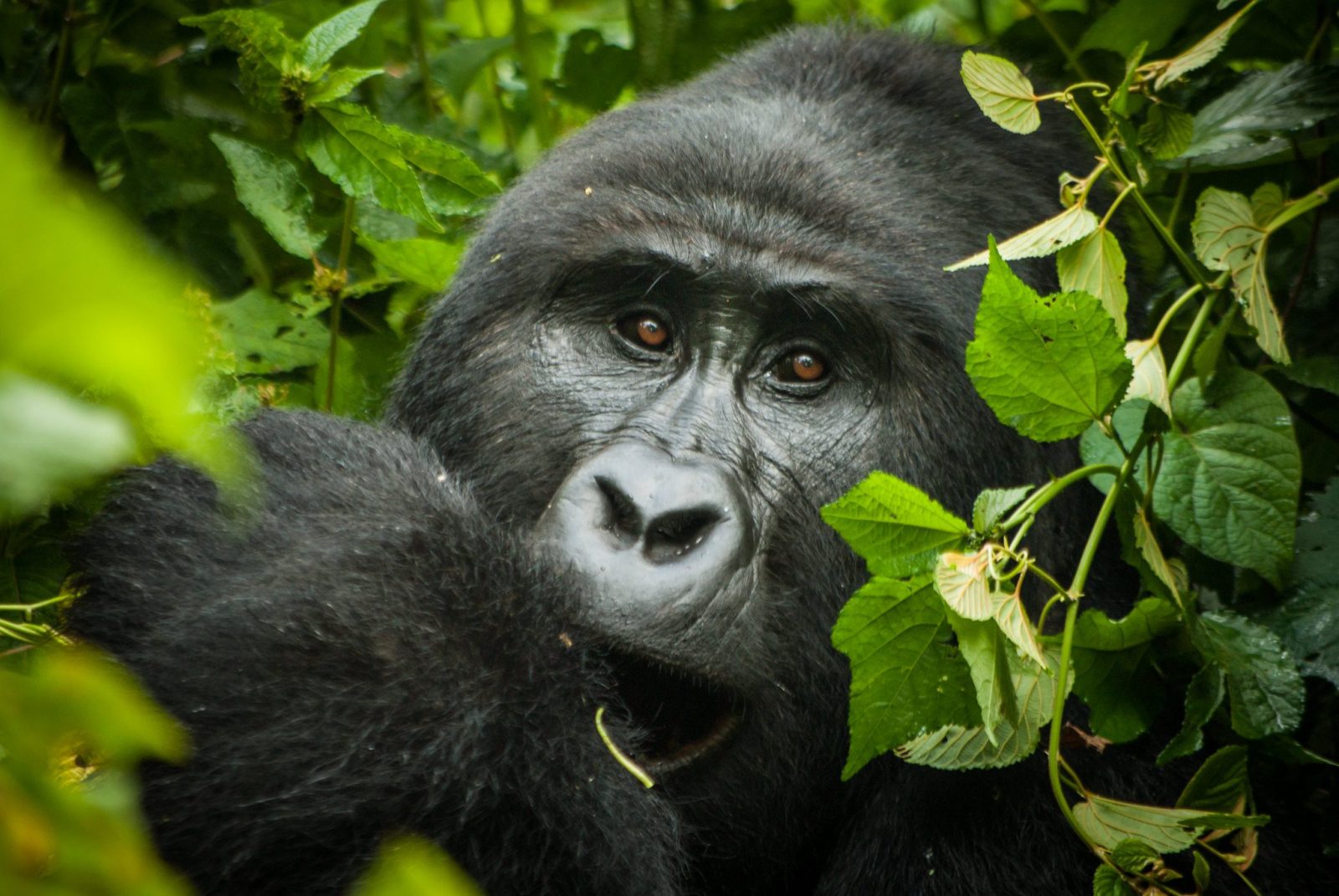
Families often look for trips that are both exciting and enriching. gorilla trekking delivers a once-in-a-lifetime moment of connection with wildlife that feels deeply personal. Standing quietly in a forest as a mountain gorilla family goes about its daily life creates a sense of awe that resonates with children and adults alike. It sparks curiosity, empathy, and respect for nature in a way few experiences can.
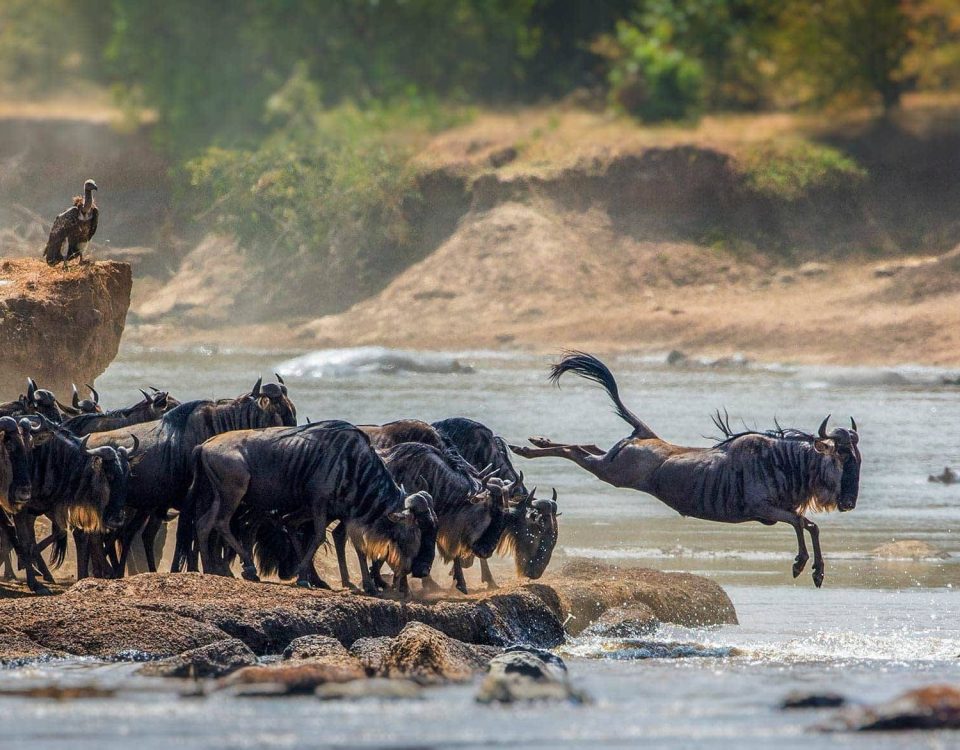
Big game safaris, on the other hand, offer constant visual stimulation and storytelling opportunities. Seeing elephants move in herds, lions resting under acacia trees, or giraffes browsing calmly across the plains makes wildlife feel accessible and understandable, especially for younger travelers. game drives provide structure and comfort, allowing families to enjoy wildlife together without physical strain.
When combined into one itinerary, these two experiences complement each other beautifully. The forest trek becomes a highlight that feels earned and special, while the savannah safaris provide a relaxed rhythm that keeps energy levels balanced.
Understanding gorilla trekking for Families
gorilla trekking typically takes place in protected forest reserves in East Africa, most notably Bwindi Impenetrable Forest and Volcanoes National Park. These parks are home to habituated mountain gorilla families that can be visited under strict conservation guidelines.
For families, age requirements are an important consideration. Most gorilla trekking destinations require participants to be at least fifteen years old. This means family safari packages are best suited to families with teenagers rather than very young children. For those who meet the age requirement, the trek itself can be adjusted based on fitness levels, with rangers selecting gorilla groups that require shorter or less strenuous hikes when possible.
The experience is highly educational. Guides explain gorilla behavior, family structures, conservation challenges, and the role tourism plays in protecting these endangered animals. For teenagers, this often becomes one of the most impactful learning experiences of their lives.
Big Game Safaris That Are Ideal for Families
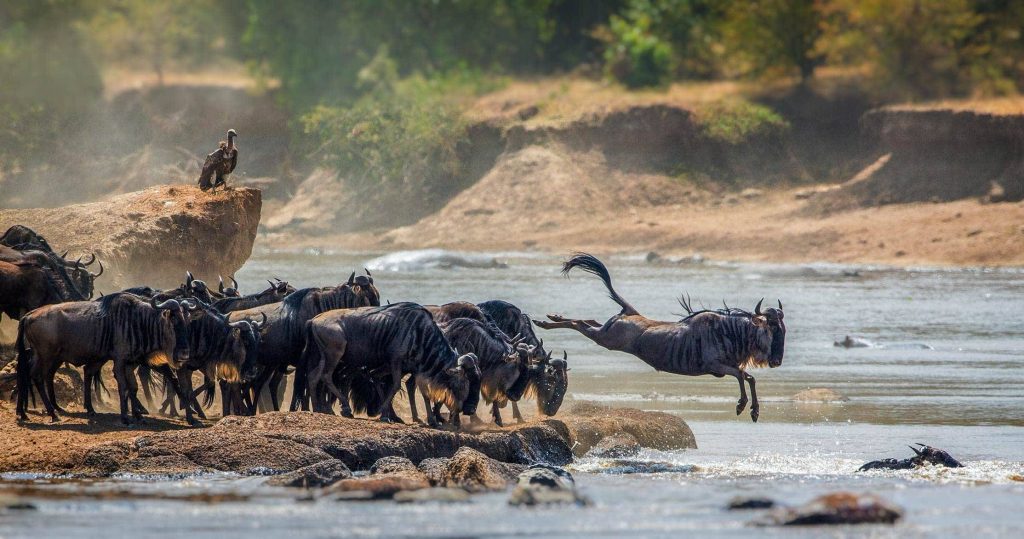
Big game viewing in East Africa takes place in expansive national parks and reserves where wildlife density is high and travel is relatively comfortable. Destinations such as Queen Elizabeth National Park, Serengeti National Park, and Maasai Mara National Reserve are especially well-suited to family travel.
These landscapes allow for shorter game drives with frequent sightings, which helps keep children engaged. Animals are often visible from a distance without the need for long tracking sessions, making the experience feel dynamic rather than tiring. Guides are skilled at adapting their storytelling to younger audiences, turning sightings into interactive learning moments rather than simple observation.
Many family-friendly lodges offer vehicles designed for comfort, with shade, refreshments, and flexible schedules. This allows families to return to camp for rest periods or adjust plans based on energy levels.
How family safari Packages Are Designed
family safari packages that combine gorilla trekking and big game viewing are carefully structured to ensure balance. The itinerary usually begins with classic safari activities, allowing families to settle into the rhythm of early mornings, game drives, and relaxed afternoons. This creates familiarity and excitement before introducing the more physically demanding gorilla trek.
The gorilla trekking component is often placed in the middle of the journey, where anticipation is highest and energy levels are still strong. After the trek, the itinerary typically transitions back to savannah safaris or a more relaxed wildlife destination, giving families time to process the experience and unwind together.
Travel days are kept as short as possible, often using domestic flights rather than long road transfers. This is especially important for families, as it reduces fatigue and keeps the journey enjoyable rather than overwhelming.
Accommodation That Supports Family Comfort
Accommodation plays a critical role in the success of a family safari. Lodges and camps selected for family packages prioritize space, safety, and flexibility. Family suites, interconnected rooms, or private villas allow parents and children to stay close while still enjoying privacy.
Many lodges provide amenities that appeal to younger travelers, such as swimming pools, nature walks around camp, cultural visits, and informal educational activities. Meals can often be customized, accommodating different tastes while still introducing children to local flavors.
Importantly, these accommodations maintain high standards of service, ensuring that parents can relax knowing details are handled professionally and discreetly.
Educational Value for Children and Teenagers
One of the greatest strengths of a combined gorilla and big game safari is its educational depth. Children and teenagers learn about ecosystems, conservation, animal behavior, and the relationship between people and wildlife through direct experience rather than textbooks.
gorilla trekking introduces concepts of endangered species protection, habitat preservation, and responsible tourism. Big game safaris reinforce ideas about food chains, migration, and adaptation. Together, these lessons become tangible and memorable.
Many families find that their children return home with a deeper appreciation for nature and a stronger sense of global responsibility, making the trip transformative rather than purely recreational.
Safety and Professional Guidance
Safety is a top priority in family safari packages. gorilla trekking is conducted under strict regulations, with trained rangers ensuring both visitor and animal safety. Group sizes are limited, and clear rules are explained before each trek.
On safari, experienced guides manage all wildlife encounters, maintaining safe distances and reading animal behavior. Vehicles are designed for stability and visibility, and lodges are located in secure areas with trained staff.
Medical considerations are also carefully planned. family safari packages include access to emergency evacuation services and guides trained in first aid, providing peace of mind throughout the journey.
Cultural Experiences That Enrich the Journey
Many family safari packages incorporate cultural interactions that add depth and context to the wildlife experience. Visits to local communities, storytelling sessions, and traditional performances help children understand how people live alongside wildlife.
These experiences foster respect and curiosity rather than fear or misunderstanding. They also highlight the role local communities play in conservation, showing families how tourism can support education, healthcare, and sustainable livelihoods.
Why This Combination Creates Lasting Family Memories
Combining gorilla trekking with big game safaris creates a layered experience that resonates across generations. Parents often appreciate the balance between adventure and comfort, while children remember the excitement of seeing animals they once knew only from books or screens.
The shared challenge of a gorilla trek, followed by the relaxed joy of game drives, strengthens family bonds. Conversations sparked by these experiences often continue long after the trip ends, shaping how families talk about travel, nature, and the world.
The Long-Term Impact of a family safari
For many families, a safari that combines gorilla trekking and big game viewing becomes a defining travel experience. It sets a benchmark for meaningful travel and influences future choices, encouraging exploration that values learning, connection, and responsibility.
Children who experience wildlife in this way often grow into adults who care deeply about conservation and global cultures. Parents find satisfaction in knowing their investment created not just memories, but values.
Why family safari Packages in East Africa Stand Out
East Africa offers a unique opportunity to combine some of the world’s most extraordinary wildlife encounters into a single, cohesive family journey. gorilla trekking provides intimacy and emotional depth, while big game safaris deliver scale and excitement. Together, they form a safari experience that is rich, balanced, and deeply rewarding.
For families seeking more than a holiday, for those who want shared discovery, learning, and connection, a family safari package that combines gorilla trekking and big game is not just an adventure. It is a journey that shapes perspectives and brings families closer together in one of the most remarkable regions on Earth.