How to Book Private Cross-Country Safari Tours
Booking a private cross-country safari in East Africa is one of the most rewarding ways to experience the continent, but it is also one of the most misunderstood. Many travelers assume that crossing borders on safari is complicated, expensive, or logistically overwhelming. In reality, when planned correctly, a private cross-country safari is smooth, deeply personal, and far more enriching than visiting a single destination in isolation.
A private safari allows you to move across countries such as Kenya, Tanzania, Uganda, and Rwanda with your own vehicle, guide arrangements, and tailored schedule. Instead of fitting into a preset group itinerary, the journey is designed around your interests, pace, and expectations. Understanding how to book such a safari is essential to ensuring the experience feels seamless rather than fragmented.
Understanding What a Private Cross-Country Safari Really Is
A private cross-country safari is not simply a standard safari with fewer people. It is a fully customized journey that connects multiple countries and ecosystems into one continuous experience. Every element, from border crossings to flights, accommodations, guides, and park permits, is coordinated in advance so the traveler experiences the region as one flowing narrative.
Privacy means flexibility. You decide how long to spend in each destination, when to start your day, how long to stay with a wildlife sighting, and when to rest. Crossing borders allows you to follow wildlife systems rather than political boundaries, creating a deeper understanding of East Africa as a connected ecological region.
Deciding Which Countries to Combine
The first step in booking a private cross-country safari is choosing which countries to include. This decision should be guided by the experiences you value most rather than by how many places you can visit.
Kenya and Tanzania are often paired for classic big game safaris, linking the Maasai Mara National Reserve with the Serengeti National Park and the Ngorongoro Crater. Uganda and Rwanda are commonly added for gorilla trekking in Bwindi Impenetrable Forest or Volcanoes National Park.
Some travelers also include a coastal extension, while others focus purely on wildlife. The key is balance. Fewer destinations with more time in each often create a richer experience than rushing across too many borders.
Choosing the Right Safari Operator
The success of a private cross-country safari depends heavily on the operator you choose. Not all safari companies are equipped to handle multi-country itineraries. You should look for operators with proven experience coordinating safaris across borders, strong local partnerships in each country, and a clear understanding of regional logistics.
A reputable operator will ask detailed questions about your travel style, interests, fitness level, and expectations before proposing an itinerary. They should explain why certain routes work better than others, how seasonal changes affect wildlife movement, and how border crossings are handled.
Transparency is essential. You should receive a clear breakdown of what is included, such as park fees, internal flights, permits, accommodations, guiding, and emergency support. A professional operator will also explain potential challenges honestly and how they mitigate them.
Understanding Timing and Seasonality
Timing plays a crucial role in cross-country safaris. Different regions experience peak wildlife moments at different times of year, and the best itineraries align these natural rhythms into a coherent journey.
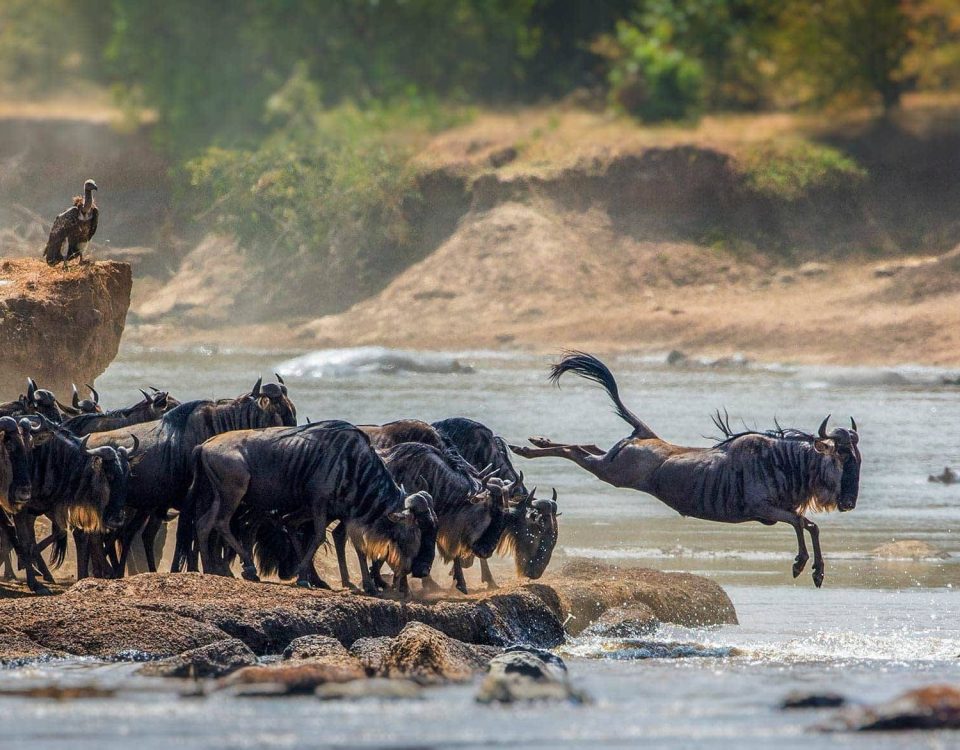
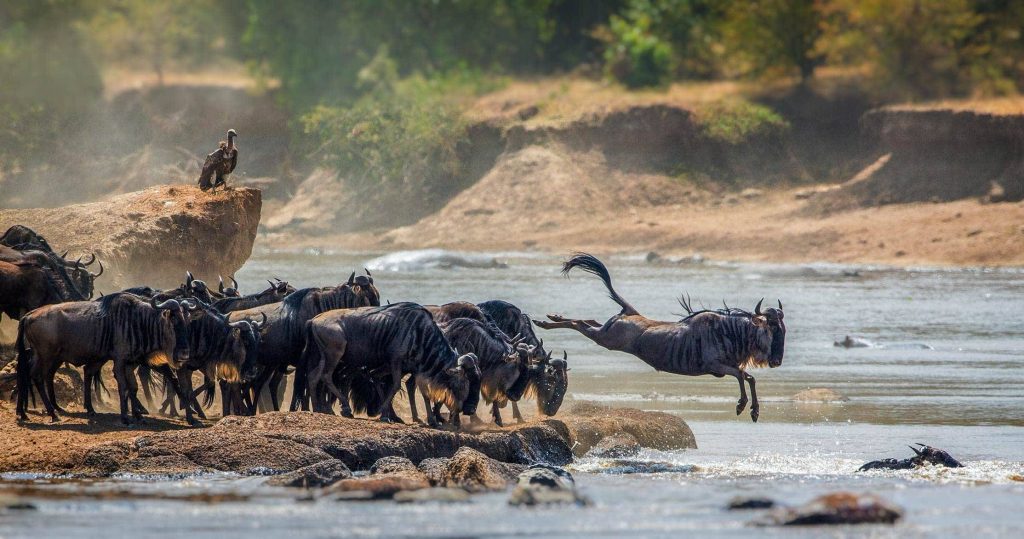
For example, the Great Migration moves between Tanzania and Kenya depending on rainfall patterns, while gorilla trekking remains available year-round but is influenced by weather conditions. A well-planned safari considers how these cycles interact rather than treating destinations independently.
When booking, discuss your preferred travel window openly. A skilled planner will advise whether your chosen dates align well with your desired experiences or suggest adjustments that significantly improve the outcome.
How Border Crossings Are Managed
One of the biggest concerns travelers have is how borders are crossed during a safari. In practice, these transitions are straightforward when arranged in advance. Most private cross-country safaris use a combination of charter flights and scheduled regional flights to move between countries efficiently.
In some cases, overland crossings are used, especially between Kenya and Tanzania. These are coordinated with immigration officials, guides on both sides, and pre-arranged vehicles to ensure minimal waiting time.
Visas, entry requirements, and health regulations are handled as part of the planning process. Your operator should provide clear guidance well before departure so there are no surprises along the way.
Designing a Personalized Itinerary
A private safari is built around your priorities. Some travelers want extended game drives with minimal accommodation changes, while others prefer varied landscapes and experiences. Some enjoy early mornings and long days, while others value a slower pace with time to relax.
The itinerary should reflect these preferences. Travel days should feel purposeful rather than exhausting. Time in each location should allow for immersion, not just surface-level viewing.
This is also where private safaris shine for families, photographers, honeymooners, and repeat visitors. Each group has different needs, and a private itinerary can accommodate them without compromise.
Selecting Accommodations That Match Your Style
Accommodation choices define much of the safari experience. In a cross-country journey, consistency matters. While styles may vary from tented camps to lodges, the overall level of comfort and service should feel balanced.
Private safari planners select accommodations not only for luxury but for location. Being close to wildlife corridors reduces travel time and increases quality sightings. Privacy, views, guiding standards, and atmosphere are all considered.
If you have specific preferences, such as eco-focused lodges, family-friendly suites, or ultra-private camps, these should be communicated early in the planning process.
Budgeting for a Private Cross-Country Safari
Private cross-country safaris are an investment, but understanding what you are paying for helps clarify value. Costs reflect personalized guiding, private vehicles, internal flights, park fees, permits, and high-quality accommodations.
Rather than focusing solely on price, consider what is included. A lower-cost itinerary may involve longer drives, fewer guiding resources, or less optimal locations. A well-priced safari balances comfort, access, and expertise.
Discuss budget openly with your operator. A skilled planner can adjust accommodation levels, travel methods, or length of stay to align with your budget without compromising the core experience.
The Importance of Guides in a Cross-Country Safari
Guides are the thread that connects a multi-country safari into one cohesive journey. In private safaris, guides communicate across regions, ensuring continuity in storytelling and experience.
Their role goes beyond wildlife spotting. They explain how ecosystems connect, how animal behavior shifts across landscapes, and how conservation efforts differ by region. This insight transforms travel into understanding.
When booking, ask about guide qualifications, experience, and how transitions between countries are handled. The quality of guiding often defines the difference between a good safari and an exceptional one.
Preparing for the Journey
Preparation is part of the booking process. Once your itinerary is confirmed, your operator should provide detailed pre-departure information covering packing, health requirements, climate expectations, and cultural considerations.
Understanding what to expect reduces anxiety and allows you to focus on the experience itself. This is especially important for cross-country travel, where environments and conditions can change significantly over a short distance.
Why Booking Early Matters
Private cross-country safaris require advance planning. Permits for activities like gorilla trekking are limited, and the best accommodations often book months in advance, especially during peak seasons.
Booking early provides access to better locations, smoother routing, and more flexibility in shaping your itinerary. It also allows time to adjust plans thoughtfully rather than making rushed decisions.
The Value of Expert Planning
Ultimately, booking a private cross-country safari is about trust. You are placing a complex journey into the hands of professionals who understand the region deeply. When done right, the result feels effortless, immersive, and profoundly rewarding.
Rather than worrying about logistics, you move through East Africa with confidence, curiosity, and presence. Borders disappear, ecosystems connect, and the safari becomes a story that unfolds naturally from one landscape to the next.
Why a Private Cross-Country Safari Is Worth the Effort
A private cross-country safari is not just a trip across multiple countries. It is an opportunity to experience East Africa as it truly exists, interconnected, dynamic, and alive. By booking thoughtfully, choosing the right partners, and embracing the journey as a whole, you unlock one of the most complete and meaningful travel experiences available anywhere in the world.
For travelers seeking depth, flexibility, and a sense of true exploration, learning how to book a private cross-country safari is the first step toward an unforgettable African adventure.