Ask a handful of returning Zanzibar visitors what their single best day on the island was, and a surprising number will point not to a beach or a historical site but to a full day spent on a traditional sailing boat weaving through mangrove channels, sandbanks, and a green lagoon somewhere south of Stone Town. Known locally and among tour operators as the Blue Safari, this full-day excursion out of Menai Bay has become one of the island’s signature experiences, distinct from the shorter dolphin and sandbank trips that depart from other parts of the coast.
What Makes the Blue Safari Different
Where many of Zanzibar’s water excursions focus on a single highlight, whether that’s a dolphin encounter at Kizimkazi or a quick sandbank stop near Stone Town, the Blue Safari is built as a genuinely full day out, typically running eight to nine hours and combining several distinct environments within Menai Bay’s protected marine area. It’s less a single activity than a curated sequence of them, moving from open sailing to shallow snorkelling reefs, a forested island stop, a beach lunch, and a secluded mangrove lagoon, all strung together aboard a traditional wooden dhow rigged for the trip.
That structure is part of why the tour has built such a loyal following among repeat visitors and travel writers covering the island. Rather than a quick excursion squeezed between beach time, it functions as a genuine day-long adventure, with enough variety built into the schedule that even travellers who’ve already done a dolphin tour or a separate sandbank visit elsewhere on the island tend to find the Blue Safari a distinctly different experience rather than a repeat of what they’ve already seen.
A Typical Day on the Water
Most Blue Safari departures begin around half past eight in the morning from Fumba Village, a fishing settlement on the southwestern coast that has become the main launch point for this style of tour. From there, boats head out into Menai Bay, one of Zanzibar’s most significant marine conservation areas, known for coral reefs considered among the healthiest anywhere around the island.
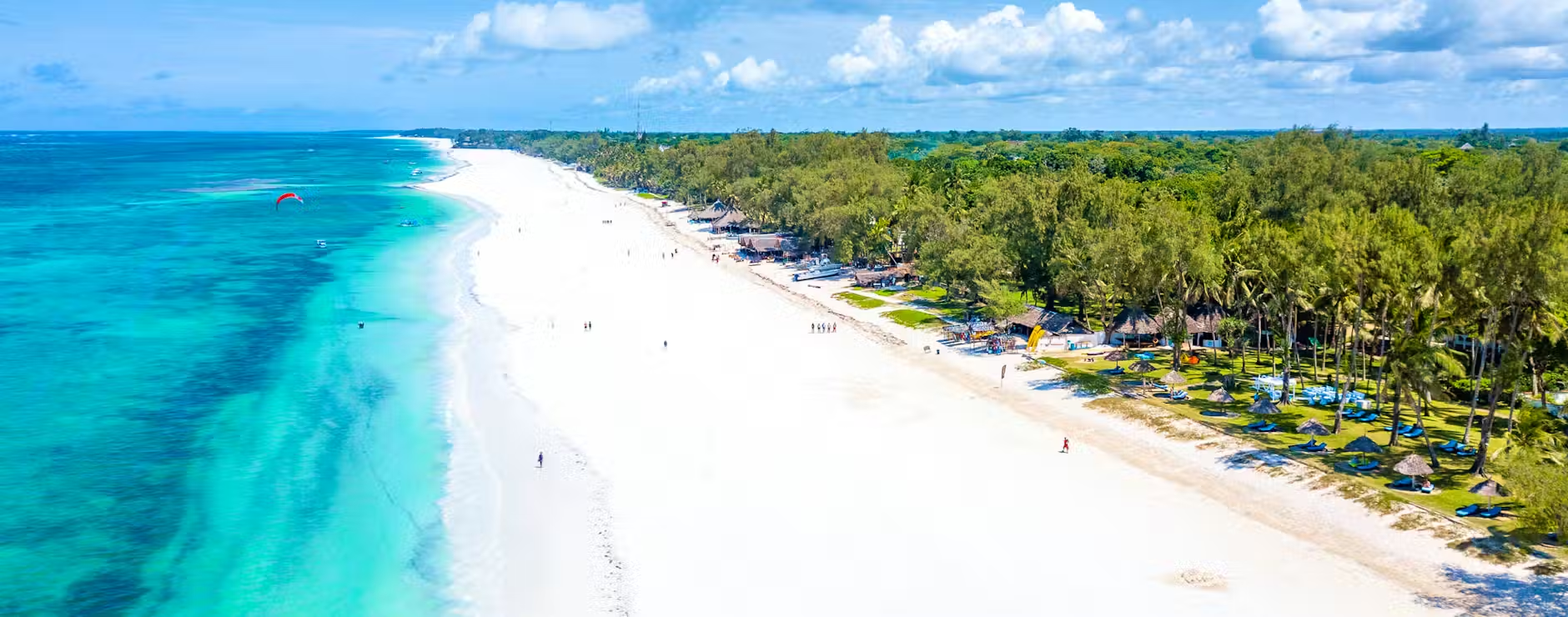
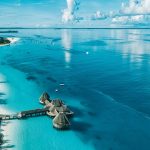
The first major stop typically comes at one of the bay’s natural sandbanks, exposed stretches of pale sand that emerge from the surrounding turquoise water depending on the tide, giving guests time to swim and relax before the boat moves on to snorkelling over nearby reef. Guides generally point out notable coral formations and marine life during this stretch, and because Menai Bay’s reefs see comparatively less pressure than some busier dive sites further north, the coral here tends to be in noticeably good condition.
Kwale Island and the Seafood Lunch
From the reef, most tours continue on to Kwale Island, a small, green, largely undeveloped island within the bay known for its natural lagoon and a scattering of old baobab trees, one of which is often climbable for a wide view back across the water. It’s here that the day’s main meal usually takes place: a beachside seafood feast built around freshly grilled lobster, calamari, and reef fish, served alongside tropical fruit and side dishes, prepared by the boat crew right on the island rather than brought pre-packed from Stone Town. For many guests, this lunch stop becomes the highlight of the entire day, both for the food itself and for the relaxed, unhurried pace of eating a fresh seafood meal on a quiet island reachable only by boat.
The Mangrove Lagoon
After lunch, in the early afternoon, boats typically head to a secluded natural lagoon tucked within a dense stretch of mangrove forest, a strikingly different environment from the open sandbanks and reef earlier in the day. The water here stays remarkably calm and clear, shielded by the surrounding mangroves, and swimming through this enclosed, forest-lined inlet offers a quieter, more intimate close to the day than the more sociable sandbank and lunch stops that precede it. Most tours wrap up by late afternoon, arriving back at Fumba Village around five in the evening after a full day spent almost entirely on or in the water.
Booking a Blue Safari Tour
Numerous operators run Blue Safari trips out of Fumba, and quality varies enough between them that it’s worth choosing based on more than price alone. Group size matters considerably on a tour built around a shared boat and a communal lunch; smaller groups generally mean a more relaxed pace and better individual attention from crew, particularly during the snorkelling segments. It’s worth confirming in advance what’s included in the quoted price, since snorkelling equipment, lunch, and hotel transfers are sometimes bundled and sometimes charged separately depending on the operator.
Because the tour departs from Fumba rather than Stone Town directly, most operators include a hotel pickup and drop-off as part of the package, adding roughly thirty to forty-five minutes of transfer time on each end of the day depending on where a guest is staying on the island. Booking a day or two in advance is generally sufficient outside peak season, though July through September and the December holiday period can see popular operators fill their boats further ahead, particularly for smaller, more exclusive departures.
What to Pack
Given how much of the day is spent on open water and exposed islands, reef-safe sunscreen, a hat, and a light long-sleeved layer for sun protection are worth packing alongside a swimsuit and a change of clothes for the boat ride home. A dry bag or waterproof phone pouch is useful for anyone wanting to photograph the day without worrying about spray or the inevitable splashes that come with boarding and disembarking a boat several times over the course of the tour.
Comparing the Blue Safari to Other Zanzibar Water Tours
Travellers weighing the Blue Safari against Zanzibar’s other popular water excursions should think about pace and scope rather than assuming all boat tours on the island are interchangeable. Our guide to Zanzibar’s best sandbank and dolphin tours covers the shorter, more targeted excursions departing from Stone Town and Kizimkazi, which suit travellers with less time or a specific interest in dolphins rather than a full day on the water. The Blue Safari, by contrast, rewards travellers willing to give up most of a day in exchange for a broader, more varied experience across several distinct marine environments within a single protected bay.
Given how different the two experiences are in structure and pace, it’s entirely possible to fit both into a longer Zanzibar stay, treating the Blue Safari as a dedicated full-day excursion early in a trip and a shorter dolphin or sandbank outing as a lighter half-day activity later on. Neither tour duplicates the other closely enough to feel repetitive, and together they give a fairly complete picture of what Zanzibar’s surrounding waters have to offer beyond the beaches themselves.
Menai Bay: The Marine Area Behind the Tour
Menai Bay itself deserves more attention than it typically gets from visitors passing through on a single day tour. Covering a substantial stretch of shallow, reef-dotted water along Zanzibar’s southwestern coast, it was designated a conservation area in recognition of both its ecological importance and its role in supporting the livelihoods of surrounding fishing communities. The bay’s relatively sheltered position, protected from the open ocean swell by a scattering of small islands and sandbanks, has helped preserve reef structures that are noticeably healthier than some more exposed and heavily trafficked sites elsewhere on the island.
Local fishing communities around Fumba and neighbouring villages have a direct stake in the bay’s health, and tourism revenue from tours like the Blue Safari increasingly forms part of a broader effort to make conservation and local livelihoods mutually reinforcing rather than competing priorities. Choosing an operator that visibly supports these community and conservation efforts, rather than one focused purely on volume and price, is a meaningful way for visitors to ensure their tourism spending benefits the same environment they’ve come to enjoy.
A Full Day Worth Setting Aside
The Blue Safari has earned its reputation as one of Zanzibar’s best single-day excursions by resisting the temptation to compress everything into a rushed few hours. Sailing, snorkelling, a proper seafood lunch, and a genuinely quiet mangrove lagoon all get room to breathe across the course of the day, and travellers who commit a full day to it rather than trying to squeeze it between other plans consistently come away naming it among the best things they did on the island.
For anyone planning a Zanzibar itinerary that includes more than a handful of days on the island, setting aside one full day specifically for the Blue Safari is worth prioritising early in the trip planning process, both because good operators can fill up during peak season and because the experience tends to set a high bar against which other, shorter excursions naturally get compared. Few single-day activities on the island manage to combine as many distinct environments, tastes, and paces into one outing, which is exactly why it has held onto its reputation as a signature Zanzibar experience for so long.