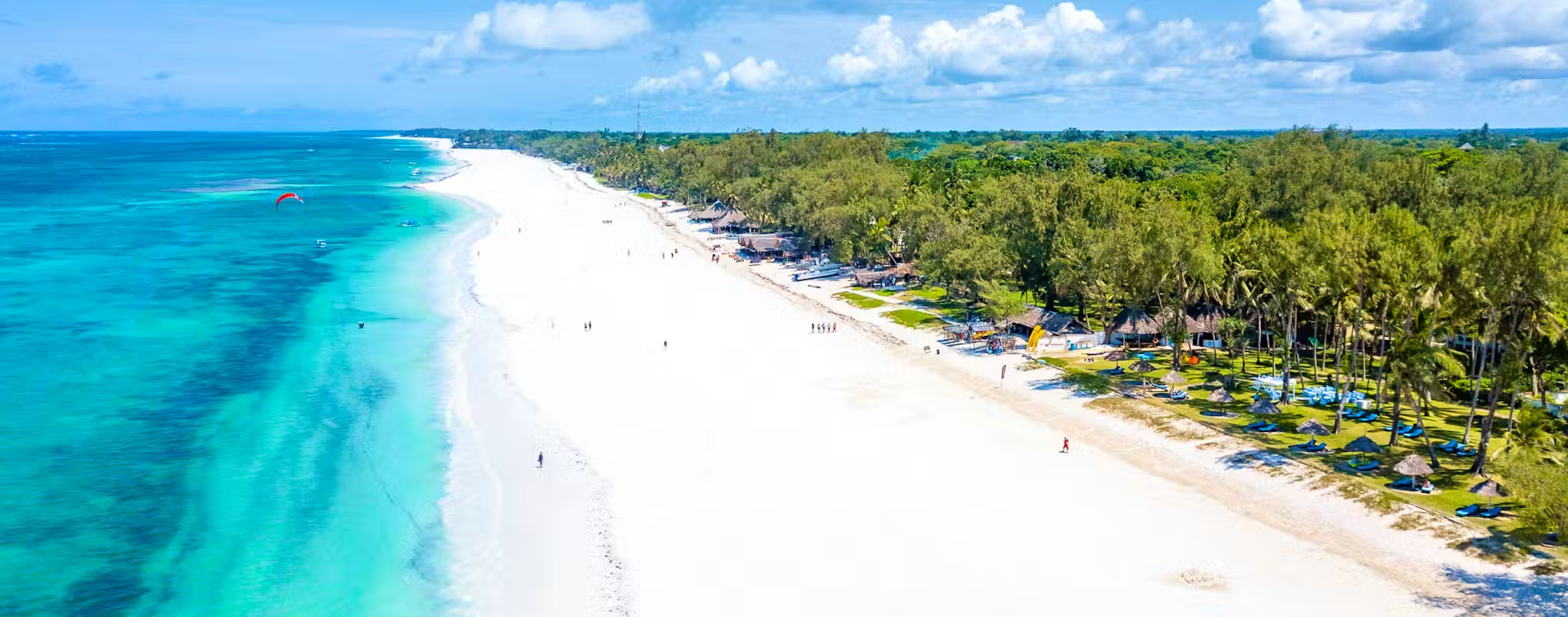
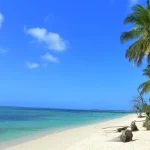
Thirty minutes south of Stone Town’s crowded alleys and rooftop bars, the coastline slows down considerably. Fumba Peninsula sits at the edge of Menai Bay, a designated area of outstanding natural beauty where mangrove channels, centuries-old baobab trees, and a scattering of small fishing settlements have kept large-scale tourism development largely at bay, even as the rest of the island’s coastline has filled in with resorts over the past two decades. For travellers who’ve already ticked off Zanzibar’s busier beaches and want something quieter, Fumba offers one of the more genuinely secluded stretches of coast left on the island.
A Peninsula Built Around Conservation
Much of Fumba’s character comes directly from its position within the Menai Bay conservation area, a protected marine zone established to safeguard the bay’s coral reefs and support sustainable fishing practices among the surrounding communities. That conservation framing has shaped development on the peninsula in a way that’s fairly unusual for Zanzibar’s coastline; rather than dense resort construction, Fumba has stayed relatively low-key, with accommodation generally limited to a handful of smaller, more considered properties rather than the high-rise or high-density builds found further north around Nungwi and Kendwa.
The peninsula’s mangrove forests, which fringe much of its shoreline, play a direct role in that conservation story, filtering runoff, stabilising the coastline against erosion, and providing a nursery habitat for the fish stocks the surrounding bay depends on. Guided walks through these mangrove stands are a common activity for visitors staying on the peninsula, offering an easy way to understand the ecological role these forests play beyond their simple visual appeal.
Wildlife on Land and Water
Fumba’s relative quiet has helped preserve pockets of wildlife that have become harder to find on more developed parts of the island. Red colobus monkeys, an endemic subspecies found only on Zanzibar and considered one of Africa’s rarest primates, move through patches of forest and garden vegetation on parts of the peninsula, an unexpected encounter for visitors who came purely for the beach. Ancient baobab trees, some estimated at several centuries old, punctuate the landscape as well, their massive trunks and sparse canopies giving parts of the peninsula a distinctly different visual character from the palm-lined beaches found elsewhere on the island. Walking paths connecting several lodge properties wind directly past some of these baobabs, and guides on the peninsula are generally happy to point out individual trees with particularly notable age or shape during a guided nature walk.
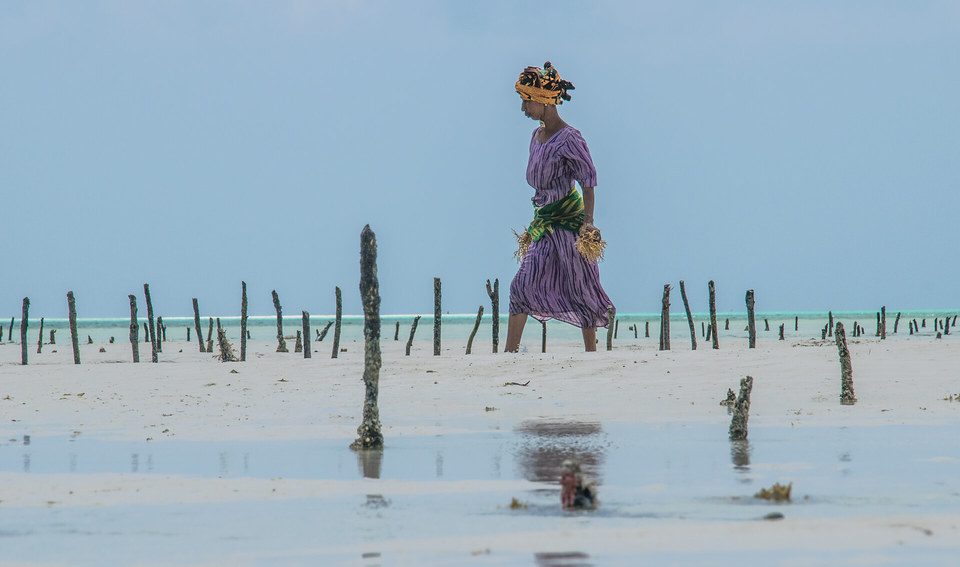
The surrounding waters support their own wildlife story. Local fishermen working small boats in the bay are a near-constant presence, visible from many of the peninsula’s beachfront properties, and the same protected reef systems that draw snorkellers and divers to Menai Bay support healthy populations of reef fish and, further offshore, the dolphins that make the area a starting point for several of the island’s boat excursions.
Birdwatching Around the Mangroves
For visitors with an interest in birdlife, Fumba’s mangrove-fringed shoreline supports a range of species that favour this specific coastal habitat over the open beaches found elsewhere on the island. Herons, kingfishers, and a variety of migratory shorebirds are regularly spotted along the tidal flats and mangrove edges, particularly in the early morning and late afternoon when activity tends to peak. A guided birdwatching walk through the mangroves offers a genuinely different pace from the water-based activities most visitors associate with this stretch of coast.
Where Fumba Fits Into a Zanzibar Itinerary
Fumba’s location makes it a practical base for travellers wanting easy access to Menai Bay’s water excursions without the crowds found at busier departure points further north. The village itself has become the primary launch point for the island’s popular full-day Blue Safari boat tours, which sail out into Menai Bay to visit sandbanks, snorkelling reefs, and a secluded mangrove lagoon before returning to Fumba by late afternoon; our detailed guide to Zanzibar’s Blue Safari tours covers that excursion in full for anyone planning a stay in this part of the island.
Beyond the boat tours, Fumba’s proximity to Stone Town, roughly thirty minutes by road, makes it entirely feasible to base a stay here while still taking day trips into the old town for its markets, rooftop bars, and historical sites. That combination of easy access and genuine seclusion is part of what distinguishes Fumba from more remote parts of the island; it offers quiet without requiring a long, inconvenient journey every time a visitor wants a change of scene.
Accommodation on the Peninsula
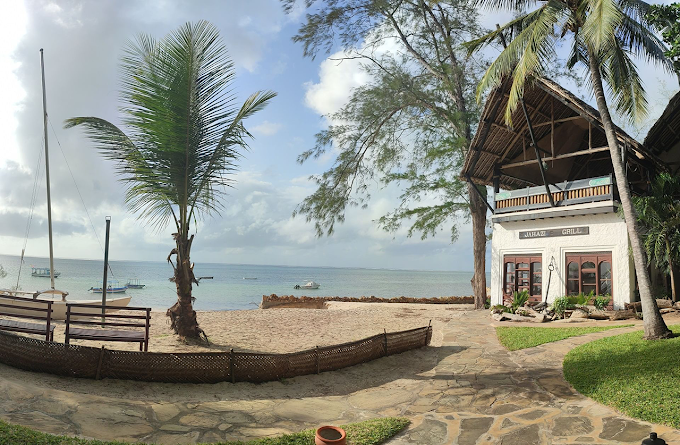
Lodging options at Fumba tend toward smaller, more intimate properties rather than large resort complexes, in keeping with the peninsula’s overall low-density character. Several lodges here operate with a strong eco-conscious ethos, built to blend into the surrounding palm groves and mangrove edges rather than dominate the landscape, with room counts generally kept deliberately low to preserve a sense of privacy and space for guests. This style of accommodation suits couples and travellers specifically seeking a quieter, more secluded stay over those wanting a livelier social scene, restaurant variety, or nightlife, all of which are more readily found further north around Nungwi.
A Different Kind of Zanzibar Beach Experience
What Fumba offers isn’t the postcard white-sand beach experience found at Paje or Kendwa so much as a quieter, more ecologically grounded version of coastal Zanzibar, built around mangroves, marine conservation, and genuine seclusion rather than beach bars and watersports infrastructure. Swimming and relaxing on the beach remain entirely possible here, but the emphasis leans more toward slow mornings, wildlife walks, and boat excursions into the bay than the more active, socially oriented beach culture found elsewhere on the island.
For honeymooners, travellers recovering from a longer mainland safari, or anyone simply looking for a genuine break from crowds after time spent in Stone Town or the island’s busier beach towns, Fumba delivers exactly that kind of reset. Its combination of protected natural surroundings, low-density development, and easy access to both Stone Town and Menai Bay’s best water excursions makes it one of the more quietly compelling additions to a Zanzibar itinerary, particularly for travellers willing to trade a bit of convenience and nightlife for genuine peace.
Best Time to Visit Fumba
Fumba follows the same broad seasonal pattern as the rest of Zanzibar, with the driest, most reliably sunny conditions falling between June and October and again from December through February. Because the peninsula’s appeal rests so heavily on its natural surroundings and outdoor activities like mangrove walks and boat excursions, the heavier rains between March and May can dampen the experience somewhat, though the peninsula’s quiet character means it never feels genuinely overcrowded regardless of season, unlike some of the island’s more heavily trafficked beach towns during peak months.
Getting to Fumba Peninsula
Reaching Fumba typically means a road transfer from Zanzibar’s main airport or from Stone Town itself, with most lodges and hotels arranging pickup directly for arriving guests. The drive takes roughly thirty to forty minutes depending on traffic and the exact location within the peninsula, considerably shorter than the journey to the island’s northern beaches around Nungwi and Kendwa, which typically run closer to an hour and a half from the airport. That relatively short transfer time is another point in Fumba’s favour for travellers who want seclusion without sacrificing too much time at the start or end of a trip getting to and from it.
Within the peninsula itself, most activity centres on individual lodge properties rather than a walkable village strip, so guests typically rely on arranged transport or lodge shuttles to reach Fumba Village itself for boat excursions or a change of scenery. This is a notably different rhythm from beach towns like Paje or Nungwi, where a short walk connects a wide range of restaurants, shops, and activities; Fumba asks visitors to slow down and settle into a single property’s rhythm rather than wandering between multiple venues each evening.
Seclusion Without Isolation
Fumba Peninsula occupies a useful middle ground on Zanzibar’s spectrum of coastal experiences: quiet and undeveloped enough to feel like a genuine escape, yet close enough to Stone Town and well-connected enough through its boat excursions to avoid feeling cut off from the rest of the island. For travellers who’ve experienced Zanzibar’s livelier beaches and are looking for a final few days built around mangroves, wildlife, and open water rather than beach bars, Fumba offers exactly that kind of quiet, considered close to a trip.
It’s worth thinking of Fumba less as a competitor to Zanzibar’s headline beach destinations and more as a deliberate complement to them, best suited to the back half of a longer stay once the busier stretches of coast have already been explored. Arriving here after a few nights in Nungwi or Stone Town tends to land better than starting a trip with it, since the contrast in pace only really registers once a visitor has experienced the livelier alternative first. Approached that way, Fumba becomes less a compromise and more a deliberate final chapter, the quiet counterweight to everything louder that came before it, and the kind of stretch of coast most visitors only wish they had discovered sooner.