
Salt Lake Exploration
January 28, 2026
Forest Night Walks
January 28, 2026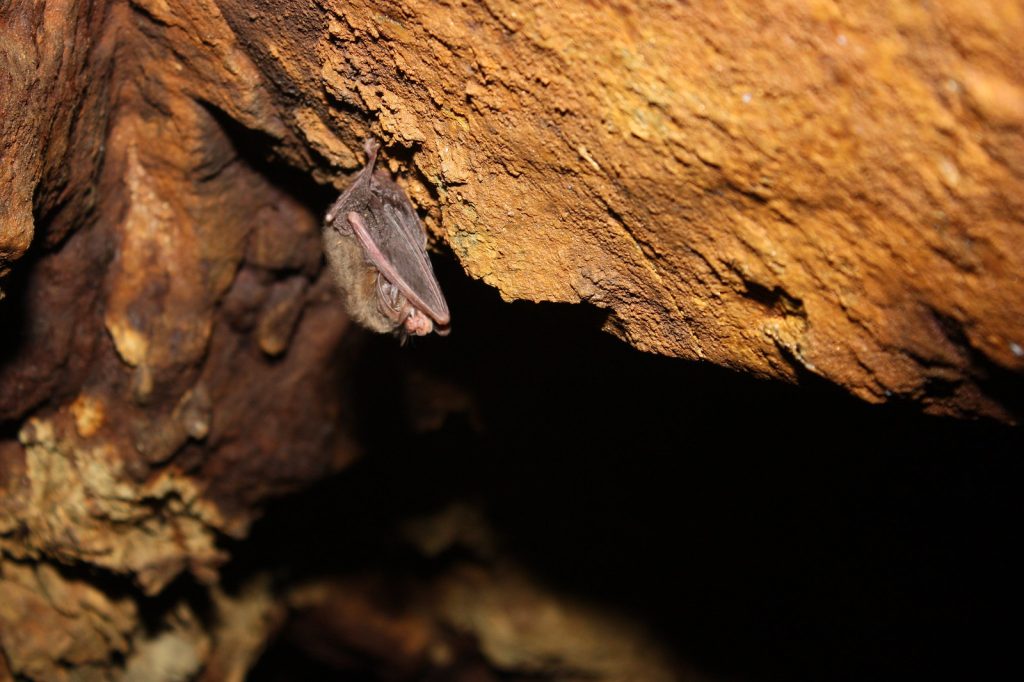


Bat Cave Visits
Bat cave visits offer one of the most intriguing and lesser-known nature experiences in Africa. Beneath forests, hills, and rocky escarpments lie underground chambers that host thriving bat colonies, ancient rock formations, and ecosystems shaped over thousands of years. Entering a bat cave is like stepping into another world, where darkness, silence, and subtle movement reveal the hidden rhythms of nature.





Big Five in the Masaai Mara
When people think of African safaris, the “Big Five” often comes to mind: lion, leopard, elephant, buffalo, and rhinoceros. Rwanda may be small, but it offers excellent opportunities to see several of these iconic animals, especially in Akagera National Park, which is the country’s main savannah and wildlife reserve.
Bat Cave Visits: A Complete Guide to Experiences Across the Region
Why Bat Cave Visits Are a Unique Nature Adventure
Bat cave exploration stands out because it introduces travelers to an ecosystem that is rarely seen yet immensely important. Bats are among the most misunderstood animals, often feared or overlooked despite their essential contributions to biodiversity. Visiting their natural habitats fosters understanding, appreciation, and respect for their role in maintaining healthy environments.
The atmosphere inside a bat cave is distinctly immersive. Cool air, echoing chambers, mineral formations, and the gentle flutter of wings create a sensory experience unlike any other. Guides interpret the cave’s geology, bat behavior, and ecological significance, transforming the visit into an educational journey beneath the surface of the earth.
Notable Bat Cave Destinations in Africa
Africa hosts several remarkable bat caves, many located within protected areas and culturally significant landscapes. Uganda is particularly well known for bat cave visits, with locations near forest reserves, crater lakes, and national parks. These caves often shelter large colonies of fruit bats and insectivorous bats, offering safe and guided exploration opportunities.
In East Africa, caves near volcanic regions and limestone formations provide ideal roosting environments for bats. Kenya and Tanzania also feature bat-inhabited caves, often linked to ancient lava tunnels or coral rock systems. Southern Africa, including Zambia and Zimbabwe, offers expansive cave systems with rich geological and biological diversity, while parts of West Africa host caves that are culturally revered and ecologically significant.
What to Expect During a Bat Cave Visit
A bat cave visit typically begins with a briefing led by an experienced guide or ranger. Visitors receive instructions on safety, cave etiquette, and bat conservation before entering. The walk to the cave often passes through scenic natural surroundings, adding context to the underground experience.
Inside the cave, lighting is minimal and controlled to avoid disturbing the bats. Guides point out roosting areas, explain bat behavior, and interpret cave formations such as stalactites, stalagmites, and mineral deposits. Visitors may observe bats resting, vocalizing, or exiting the cave at dusk, depending on the timing of the visit.
Understanding Bats and Their Ecological Importance
Bats play a vital role in African ecosystems. Insect-eating bats help control pest populations, reducing the spread of disease and supporting agriculture. Fruit bats contribute to seed dispersal and pollination, supporting forest regeneration and plant diversity.
During bat cave visits, guides explain these ecological roles, dispelling myths and highlighting the importance of bat conservation. Observing bats in their natural environment fosters respect and curiosity, shifting perceptions from fear to appreciation.
Geology and Underground Landscapes
Bat caves are not only biological habitats but also geological treasures. Formed over thousands or millions of years, caves reveal layers of rock shaped by water, volcanic activity, and mineral deposition. Walking through these formations offers insight into Earth’s history and the forces that shape landscapes.
Visitors often encounter dramatic rock formations, narrow passages, and expansive chambers. The interplay of light and shadow reveals textures and colors that enhance the sense of exploration and wonder.
Best Time for Bat Cave Visits
Bat cave visits are generally available year-round, though timing can influence the experience. Early evening visits may coincide with bats emerging from the cave to forage, offering a dramatic spectacle of flight. Daytime visits focus more on observation, education, and geology, with bats resting quietly within the cave.
Seasonal considerations such as rainfall can affect accessibility, as some caves become slippery or flooded during heavy rains. Planning visits during drier months ensures safer conditions and more comfortable exploration.
Safety and Responsible Cave Exploration
Safety is a critical component of bat cave visits. Visitors are encouraged to wear appropriate footwear, follow guide instructions, and move carefully within the cave environment. Helmets or headlamps may be provided where necessary to ensure visibility and protection.
Responsible cave exploration emphasizes minimal disturbance to bats and their habitat. Flash photography is discouraged, noise levels are kept low, and touching bats or cave formations is strictly avoided. These practices protect both visitors and wildlife while preserving fragile ecosystems.
Cultural and Spiritual Significance of Bat Caves
In many African cultures, caves hold spiritual and historical importance. Some bat caves are associated with legends, rituals, or ancestral beliefs, adding a cultural dimension to the visit. Guides may share local stories and traditions connected to the cave, enriching the experience with human history and cultural context.
Understanding these cultural connections fosters respect for local communities and highlights the multifaceted significance of natural sites beyond their ecological value.
Educational and Family-Friendly Experiences
Bat cave visits are highly educational and suitable for families with older children. The experience encourages learning about wildlife, geology, and conservation in an engaging and memorable way. Children often find cave exploration exciting, sparking curiosity and interest in science and nature.
Guided interpretation ensures that the experience remains informative and age-appropriate, making bat cave visits a valuable addition to family safari itineraries.
Combining Bat Cave Visits with Other Nature Experiences
Bat cave visits can be seamlessly integrated into broader safari and adventure itineraries. They pair well with nature walks, birdwatching, crater lake exploration, forest hikes, and cultural tours. Combining underground exploration with above-ground activities provides a holistic understanding of ecosystems and landscapes.
For example, a Uganda itinerary might include a bat cave visit alongside chimpanzee trekking, a nature walk, and a scenic lake excursion, creating a diverse and enriching travel experience.
The Emotional and Reflective Impact of Bat Cave Exploration
Exploring a bat cave often evokes a sense of awe and humility. The darkness, silence, and ancient formations invite reflection and presence. Observing bats resting or taking flight emphasizes the delicate balance of nature and the importance of protecting even the least understood species.
Many visitors leave bat caves with a renewed appreciation for biodiversity and conservation, recognizing the interconnectedness of life above and below ground. Bat cave visits in Africa offer a rare and fascinating opportunity to explore hidden ecosystems that are vital to environmental balance. From observing bat colonies and ancient rock formations to learning about conservation and cultural heritage, the experience is both adventurous and enlightening.
This unique activity adds depth and diversity to safari itineraries, appealing to travelers seeking authenticity, education, and connection with nature. For those willing to venture beneath the surface, bat cave visits reveal one of Africa’s most captivating and meaningful natural wonders.
Our Recommended Tour Ideas

Please the content should be 110 characters.
Please the content should be 110 characters.

Please the content should be 110 characters.

Please the content should be 110 characters.
Please the content should be 110 characters.

7 Days Rwanda & Uganda Gorilla and Wildlife Safari from Kigali with Volcanoes, Bwindi & Big Game Experiences
Please the content should be 110 characters.

Please the content should be 110 characters.
Please the content should be 110 characters.
What Our Travelers Enjoyed About Primate Safaris

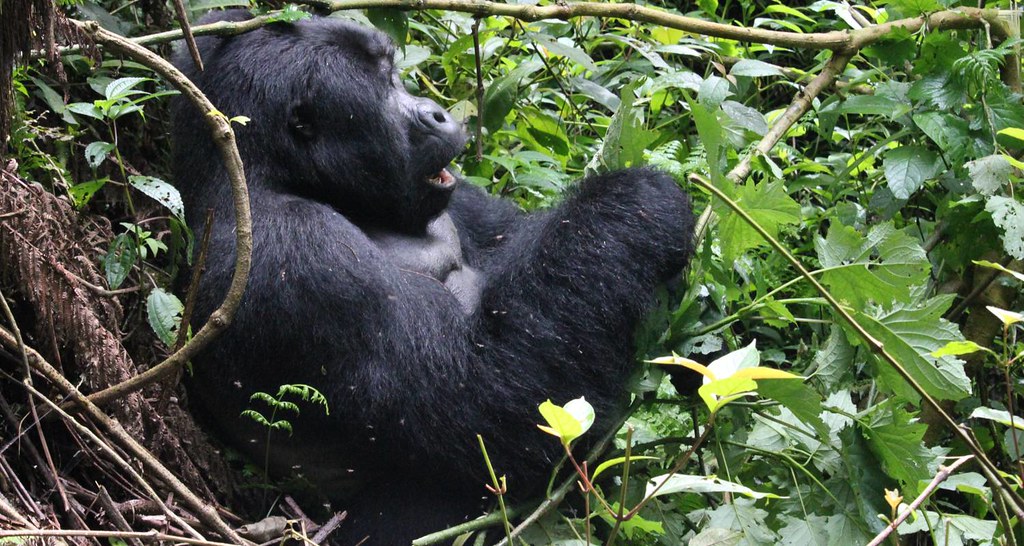
Gorillas "Silverback"

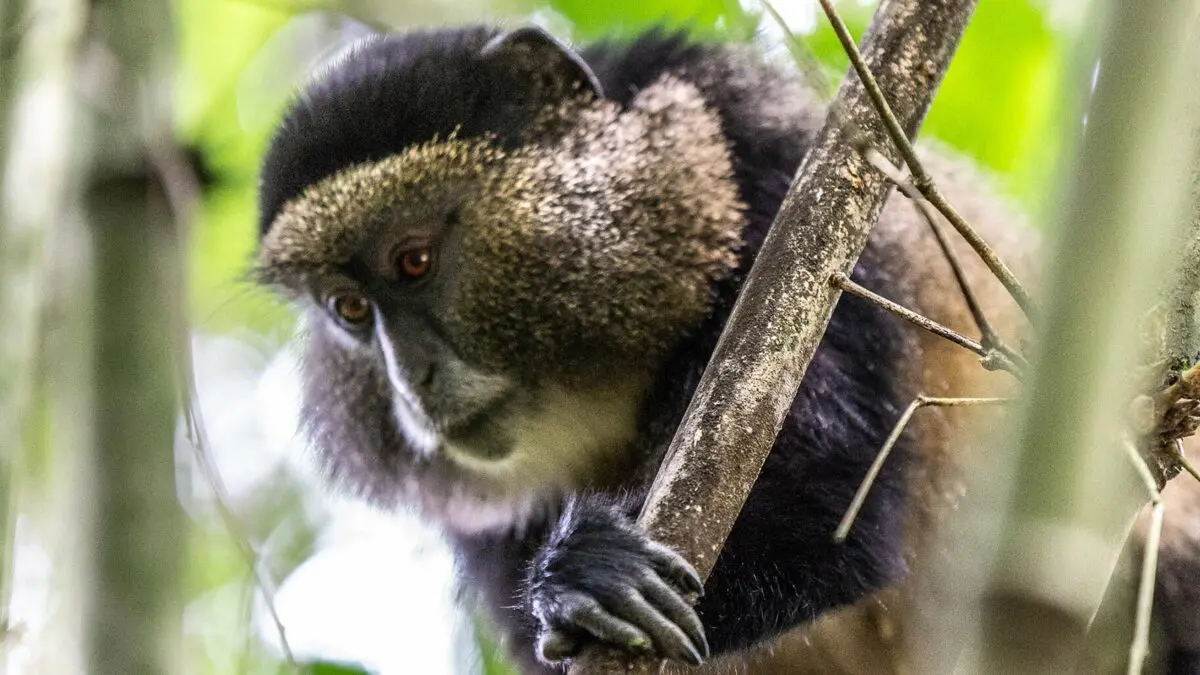
Golden Monkey "Photogenic"

Chimpanzees "Pant-hoot"