Hot Air Balloon Safaris
August 19, 2024
Sports Fishing
August 19, 2024


Birdwatching
Birdwatching is one of the most enriching wildlife experiences, offering a blend of quiet observation, discovery, and connection with nature. Africa, with its diverse habitats—from savannahs and wetlands to forests and highlands—hosts thousands of bird species, including many that are endemic or rare. Birdwatching safaris provide an opportunity to see these species in their natural environment, witnessing intricate behaviors, colorful plumage, and complex social interactions.





Big Five in the Masaai Mara
When people think of African safaris, the “Big Five” often comes to mind: lion, leopard, elephant, buffalo, and rhinoceros. Rwanda may be small, but it offers excellent opportunities to see several of these iconic animals, especially in Akagera National Park, which is the country’s main savannah and wildlife reserve.
Birdwatching: A Complete Guide to Experiences Across the Region
Why Birdwatching Is a Unique Wildlife Experience
Birdwatching engages multiple senses simultaneously. Sight, sound, and sometimes touch come together to create a deeply immersive experience. Observing birds in flight, listening to their calls, and noting interactions within flocks offers insight into ecosystem dynamics and interspecies relationships.
For many travelers, birdwatching provides both excitement and tranquility. The thrill of spotting a rare species is complemented by the meditative pace of walking quietly through forests, wetlands, or grasslands. The experience fosters mindfulness, patience, and an emotional connection with nature that endures long after the trip ends.
Top Birdwatching Destinations in Africa
Africa is a birdwatcher’s paradise, offering a range of habitats where avian diversity thrives. East African countries such as Uganda, Kenya, Tanzania, and Rwanda are renowned for their high concentrations of endemic and migratory species. Lakes, wetlands, and rivers attract flamingos, herons, and pelicans, while forests harbor hornbills, turacos, and rare sunbirds.
Uganda, often called the “Birding Capital of Africa,” hosts over 1,000 species, including the colorful Great Blue Turaco, African Green Broadbill, and numerous endemics in the Albertine Rift. Rwanda’s Volcanoes and Nyungwe forests offer exceptional forest birding opportunities, including the spectacular Rwenzori Turaco and Handsome Francolin.
Southern Africa also offers remarkable birding safaris. Botswana’s Okavango Delta, South Africa’s Kruger National Park, and Namibia’s wetlands provide vast open spaces where bird species flourish alongside iconic wildlife. Each region offers unique opportunities to observe endemic, migratory, and water-dependent species, making Africa a year-round destination for avid birders.
What to Expect on a Birdwatching Safari
Birdwatching safaris are structured to maximize sightings while respecting the natural behavior of birds. Guided tours often begin early in the morning, when birds are most active. Guides use their knowledge of habitats, migration patterns, and species-specific behavior to lead travelers to the best viewing spots.
Trekking through forests, walking along riverbanks, or using observation hides in wetlands allows birdwatchers to remain unobtrusive while observing or photographing species. Patience is key: birds may appear suddenly or remain hidden for long periods, rewarding travelers who are attentive and adaptable.
Equipment such as binoculars, spotting scopes, and cameras with telephoto lenses enhance the experience, though careful listening and observation often provide the most memorable encounters.
Seasonal Considerations for Birdwatching
Bird activity and visibility vary with seasons, rainfall, and migration patterns. Wet seasons often produce lush habitats, abundant insects, and increased breeding activity, making these periods ideal for observing forest-dwelling and insectivorous species. Dry seasons concentrate birds around water sources, creating predictable wildlife concentrations in wetlands and lakes, ideal for spotting large flocks of flamingos or pelicans.
Migratory species add another layer of excitement. Africa is a key destination for Palearctic migrants, which arrive during the northern hemisphere’s winter months. Planning trips to coincide with these migrations maximizes the number of species observed, creating unforgettable spectacles of movement and color.
Photography and Observation Tips
Birdwatching photography requires patience, timing, and attention to detail. Telephoto lenses allow for close-up shots without disturbing birds, while fast shutter speeds capture birds in flight. Early mornings often provide the best light, with soft, warm tones and active birds.
Equally important is the practice of mindful observation. Taking time to note plumage, behavior, and habitat context enhances understanding and appreciation of each species. Photography complements this process but should not distract from the primary experience: observing and connecting with nature.
Wildlife and Ecosystem Interactions
Birds are essential indicators of ecosystem health, and birdwatching provides insight into broader ecological dynamics. Observing feeding patterns, flock behavior, and nesting activity reveals how species interact with their environment.
Birdwatching safaris often coincide with wildlife safaris, offering dual experiences. Birds are highly responsive to mammalian activity; flocks of small birds often signal the presence of primates, antelopes, or predators. By combining birdwatching with traditional safari observation, travelers gain a holistic understanding of habitat interconnections.
Guided Tours and Expertise
Professional guides enhance the birdwatching experience, providing knowledge on species identification, vocalizations, and ecological significance. Their experience helps travelers locate elusive species and understand behavioral nuances, greatly increasing the success and enjoyment of the safari.
Guides also ensure ethical birdwatching practices, emphasizing minimal disturbance, habitat preservation, and safe interaction distances. This responsible approach supports conservation and allows future generations to enjoy these remarkable species.
Family and Group Birdwatching Safaris
Birdwatching can be adapted for families, school groups, or mixed-age travelers. Children and teens often find excitement in spotting colorful or unusual species, learning about habitats, and practicing observation skills. Group birding fosters shared discovery, collective storytelling, and collaboration in identifying species, making it a highly social and educational activity.
Well-planned birdwatching safaris ensure that participants of varying experience levels remain engaged, with flexible trails and strategic breaks to maximize comfort and enjoyment.
Combining Birdwatching with Other Safari Experiences
Birdwatching pairs seamlessly with traditional safari experiences, waterfall hikes, primate trekking, and scenic excursions. By combining activities, travelers can enjoy both avian diversity and larger wildlife encounters in one itinerary.
For example, a trip to Uganda or Kenya could include birding along lakes and wetlands, gorilla or chimpanzee tracking in forests, and Big Five safaris on open savannahs. This integrated approach enhances both knowledge and appreciation of Africa’s biodiversity.
The Emotional and Educational Impact of Birdwatching
Birdwatching fosters curiosity, patience, and observation skills. Seeing rare or colorful species, understanding behaviors, and noticing ecosystem interactions often creates a sense of awe and personal connection to nature.
Many travelers describe birdwatching as meditative, grounding, and inspiring. The experience deepens environmental awareness, encourages conservation-minded behavior, and leaves lasting memories of Africa’s extraordinary avian diversity. Birdwatching safaris offer a unique, enriching, and immersive way to explore Africa’s natural landscapes. From wetlands and lakes to forests and highlands, each habitat provides opportunities to observe thousands of species, some endemic and rare.
This activity is more than a hobby—it is a pathway to understanding ecosystems, appreciating the beauty of wildlife, and fostering conservation awareness. Birdwatching safaris combine education, adventure, and sensory engagement, creating experiences that resonate long after the journey ends.
Our Recommended Tour Ideas

Please the content should be 110 characters.

Please the content should be 110 characters.
Please the content should be 110 characters.
Please the content should be 110 characters.
Please the content should be 110 characters.

7 Days Rwanda & Uganda Gorilla and Wildlife Safari from Kigali with Volcanoes, Bwindi & Big Game Experiences

Please the content should be 110 characters.
Please the content should be 110 characters.
Please the content should be 110 characters.
What Our Travelers Enjoyed About Primate Safaris

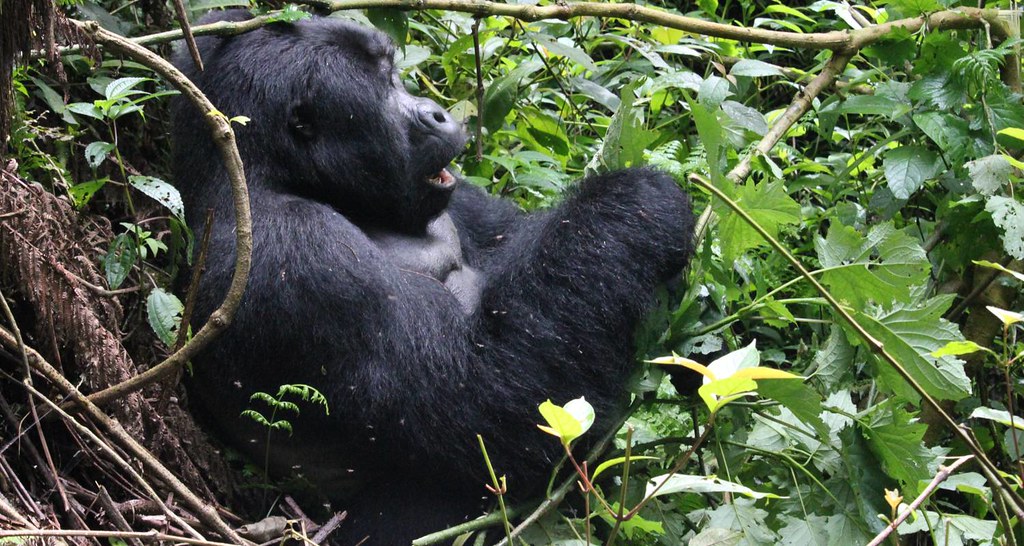
Gorillas "Silverback"

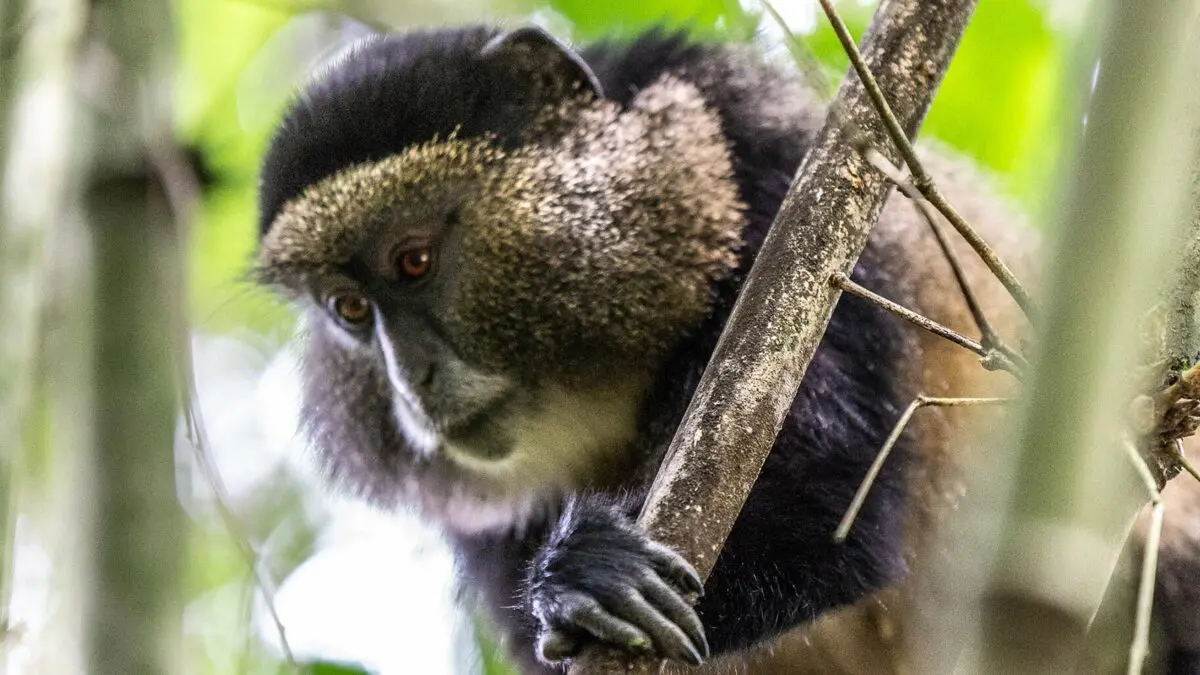
Golden Monkey "Photogenic"

Chimpanzees "Pant-hoot"