Chimpanzee trekking
February 23, 2025Activities On Safari In East Africa
December 13, 2025


Tree Climbing Lions
Tree climbing lions are among Africa’s most intriguing wildlife sights. Unlike the typical image of lions resting on open savannahs or stalking prey through tall grass, these lions are often seen stretched across the branches of fig and acacia trees. This unusual behavior has fascinated wildlife enthusiasts, researchers, and safari travelers for decades, as lions are generally considered ground-dwelling predators. Seeing a massive lion draped lazily over a tree branch is not only surprising but also one of the most photogenic and memorable safari encounters in Africa.




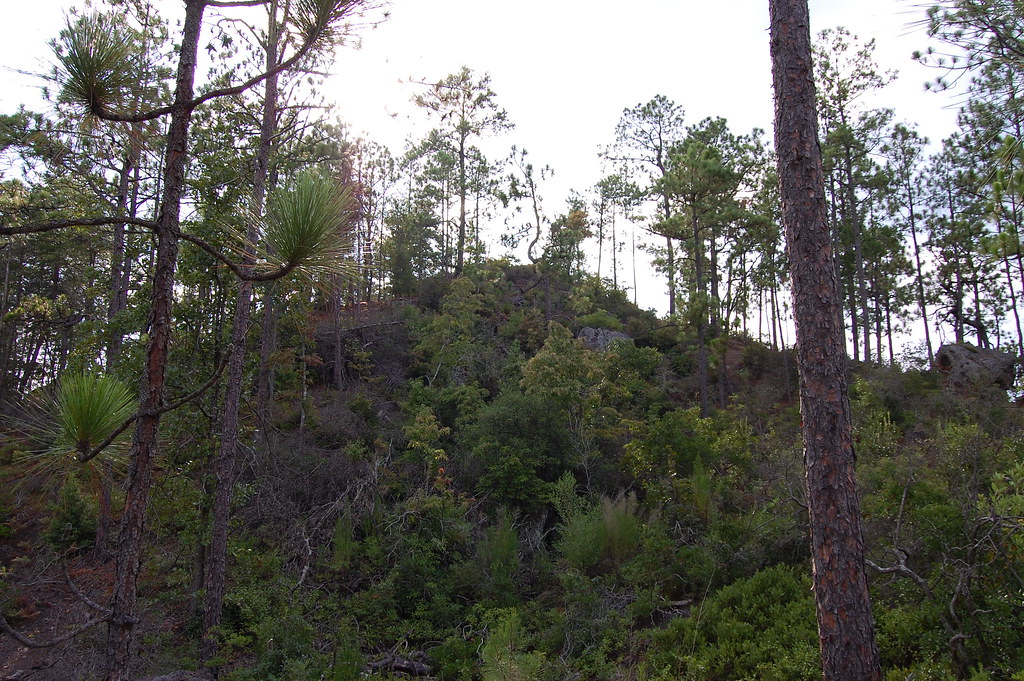
Chimpanzee Trekking
Chimpanzee trekking in Africa is a powerful and intimate wildlife experience that combines adventure, education, and conservation. From the dense forests of Uganda and Rwanda to the remote shores of Lake Tanganyika in Tanzania, each destination offers a unique perspective on chimpanzee life in the wild.
Tree Climbing Lions: A Complete Guide to Experiences Across the Region
Why Do Lions Climb Trees
The behavior of tree climbing lions is not fully universal, but several compelling explanations exist. One key reason is temperature regulation. In hot regions, tree branches offer cooler breezes and shade, helping lions escape the intense heat and biting insects found on the ground. Another reason is insect avoidance, particularly in areas with high populations of tsetse flies or other pests. Elevated positions provide relief and comfort during long resting hours.
Tree climbing also offers lions a strategic vantage point. From above, they can scan the surrounding landscape for prey, rival predators, or approaching threats. In some regions, this behavior has been passed down through generations, becoming a learned survival trait rather than an instinctive one.
Where to See Tree Climbing Lions in Africa
Tree climbing lions are rare and found in only a few specific locations in Africa. The most famous destination is the Ishasha sector of Queen Elizabeth National Park in southwestern Uganda. This area is globally renowned for its large population of lions that regularly climb fig trees, making it one of the best places in the world to witness this phenomenon. The open savannah dotted with large fig trees creates an ideal environment for this unique behavior.
Lake Manyara National Park in northern Tanzania is another well-known location for tree climbing lions. Here, lions are often spotted resting in acacia trees, offering dramatic sightings against the park’s lush groundwater forest backdrop. While sightings are not guaranteed, the park remains one of the few places where this behavior occurs consistently.
Occasionally, tree climbing lions have been observed in parts of the Serengeti and Kruger ecosystems, but these sightings are rare and unpredictable. Ishasha and Lake Manyara remain the most reliable destinations for travelers seeking this extraordinary experience.
The Ishasha Tree Climbing Lions of Uganda
The Ishasha sector is considered the crown jewel for tree climbing lion sightings. Unlike other regions where lions climb sporadically, Ishasha lions are known to spend extended periods lounging in trees during the day. The wide-spreading fig trees provide perfect platforms for resting, and sightings often include entire prides draped across branches.
Game drives in Ishasha offer open landscapes, fewer crowds, and a strong sense of wilderness. The experience of watching lions descend from trees at dusk or rest high above safari vehicles is both thrilling and surreal. Ishasha’s tree climbing lions have become a signature attraction for Uganda safaris, often combined with gorilla trekking in Bwindi Impenetrable Forest for a diverse wildlife itinerary.
Lake Manyara’s Tree Climbing Lions
Lake Manyara National Park presents a different setting for tree climbing lion encounters. The park’s lush forest, groundwater-fed vegetation, and scenic lake create a striking contrast to typical savannah landscapes. Lions here are often seen perched in acacia trees, blending into foliage and offering challenging yet rewarding sightings.
The experience in Lake Manyara is enhanced by the park’s biodiversity, including elephants, flamingos, giraffes, and abundant birdlife. While tree climbing lion sightings are less predictable than in Ishasha, the park remains an iconic destination for travelers seeking this rare behavior.
Best Time to See Tree Climbing Lions
Tree climbing lions can be seen year-round, but certain seasons offer better chances. Dry seasons generally provide clearer visibility and easier game drives, as vegetation is less dense and animals gather around open areas. During hot months, lions are more likely to climb trees to escape ground heat, increasing the likelihood of sightings.
Early morning and late afternoon game drives are ideal, as lions tend to rest during the day and become more active as temperatures cool. Patience is essential, as lions may remain motionless for hours while resting in trees.
Safari Experience and What to Expect
Seeing tree climbing lions requires skilled guides who understand lion behavior and know where to search. Game drives are typically conducted in open safari vehicles, allowing unobstructed views and photography opportunities. Guides will often scan tree lines carefully, as lions can blend remarkably well with branches and foliage.
Once spotted, vehicles maintain a respectful distance, allowing guests to observe without disturbing the lions. The experience is calm and observational, offering time to watch subtle behaviors such as stretching, grooming, or cubs playing among branches.
Photography Tips for Tree Climbing Lions
Tree climbing lions present exceptional photography opportunities, but they also pose unique challenges. Elevated angles, partial shade, and dense branches require careful composition. Telephoto lenses help capture close-ups, while patience allows photographers to wait for moments of movement or interaction.
Soft morning or late afternoon light enhances texture and depth, highlighting the lion’s mane, muscles, and relaxed posture. Capturing lions against the sky or framed by branches creates dramatic and distinctive safari images rarely possible with ground-level sightings.
Conservation and the Importance of Protection
Tree climbing lions live in fragile ecosystems that depend on careful conservation. Habitat protection, responsible tourism, and community involvement are essential to preserving these unique lion populations. Parks like Queen Elizabeth and Lake Manyara rely on tourism revenue to fund anti-poaching efforts, habitat management, and local community support.
Responsible safari practices, including maintaining safe distances and limiting vehicle numbers, help reduce stress on lions and ensure sustainable wildlife viewing. Protecting these habitats ensures that future generations can continue to witness this extraordinary behavior.
Why Tree Climbing Lions Are So Special
Tree climbing lions challenge our understanding of animal behavior and remind us of wildlife’s adaptability. Their presence transforms a typical safari into a rare and unforgettable encounter, offering moments that feel almost surreal. Watching a powerful predator resting peacefully above the ground creates a deep sense of wonder and appreciation for nature’s complexity.
For many travelers, seeing tree climbing lions becomes a highlight of their African journey, often ranking among their most cherished wildlife memories.
Our Recommended Tour Ideas

Please the content should be 110 characters.
Please the content should be 110 characters.
Please the content should be 110 characters.
Please the content should be 110 characters.
Please the content should be 110 characters.
7 Days Rwanda & Uganda Gorilla and Wildlife Safari from Kigali with Volcanoes, Bwindi & Big Game Experiences
Please the content should be 110 characters.
Please the content should be 110 characters.
Please the content should be 110 characters.
What Our Travelers Enjoyed About Primate Safaris

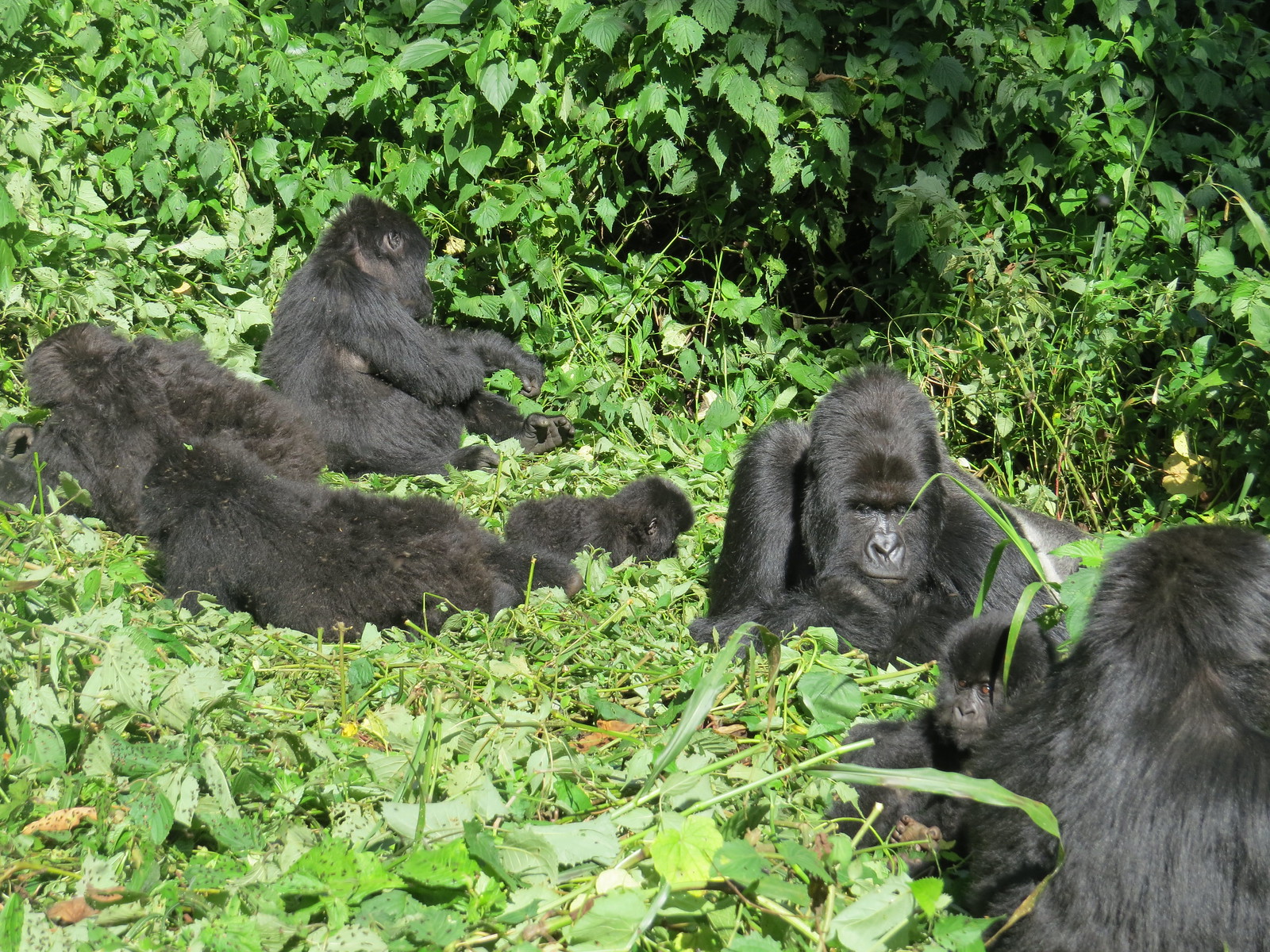
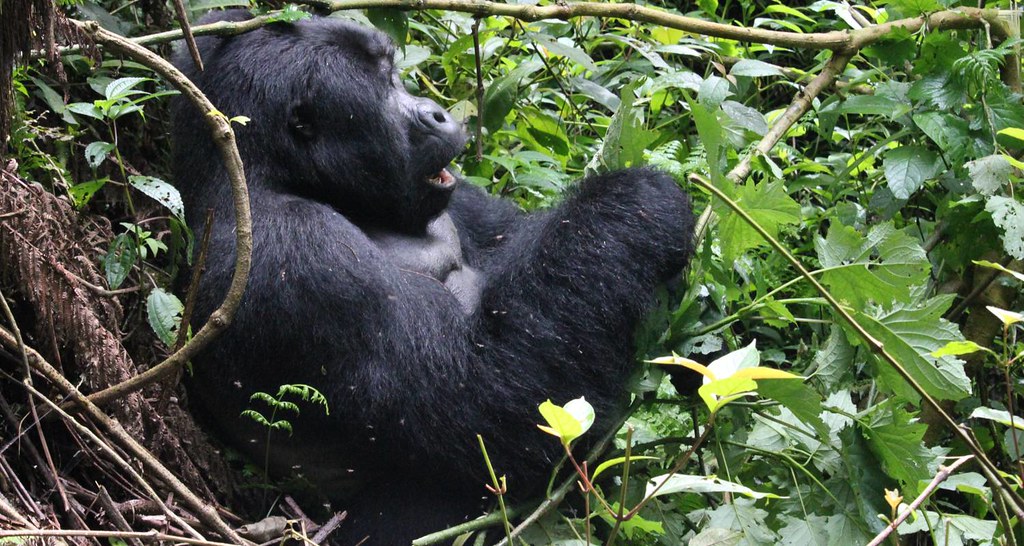
Gorillas "Silverback"
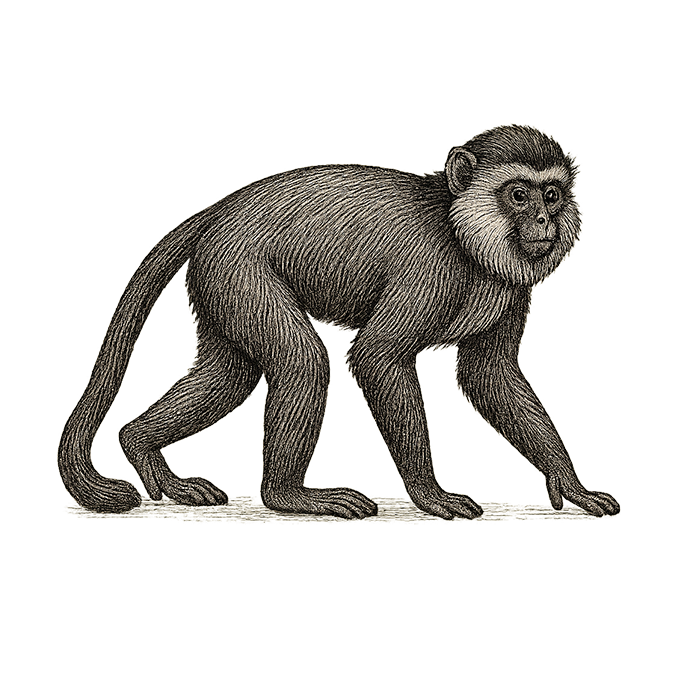
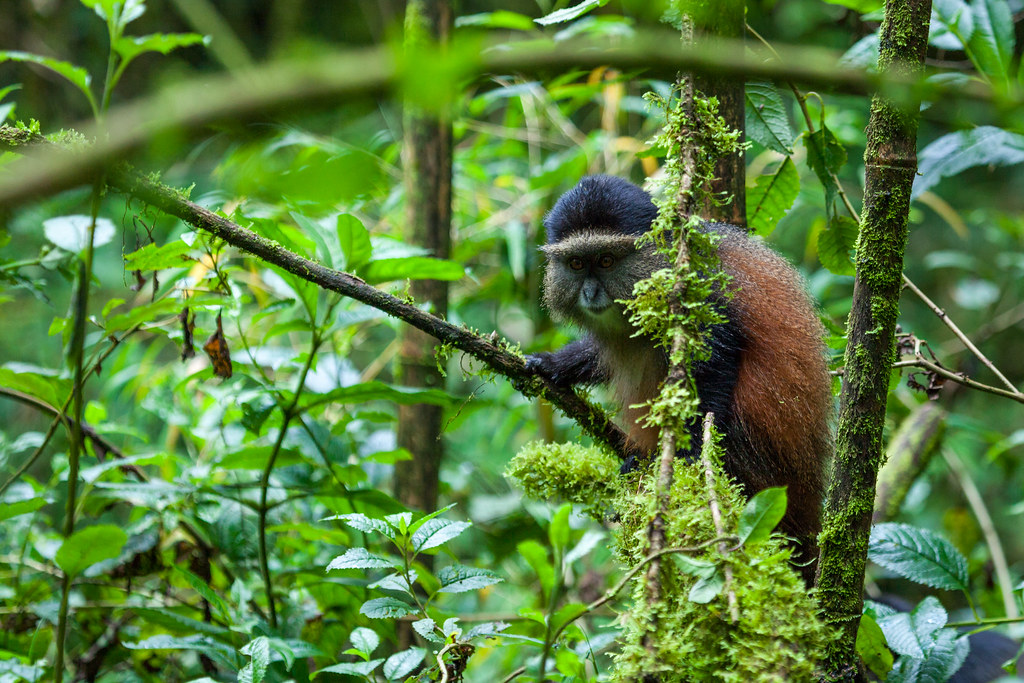
Golden Monkey "Photogenic"

Chimpanzees "Pant-hoot"