Cultural Tours Experience
August 17, 2024

Gorilla Trekking Adventure
Gorilla trekking is one of Africa’s most sought-after wildlife experiences. Walking through misty forests to observe these gentle giants in their natural habitats offers an unmatched sense of wonder and connection with nature. Unlike traditional safaris, gorilla trekking immerses travelers in dense forests, where the journey itself becomes part of the adventure, and the reward—a face-to-face encounter with a gorilla family—is profoundly moving.


Gorilla Trekking Adventure
This experience is more than wildlife observation; it is a journey into ecosystems rich with biodiversity, culture, and conservation significance. Each trek is unique, combining the physical challenge of hiking with the emotional impact of encountering gorillas in their natural environment.
Gorilla Trekking Adventure: A Complete Guide to Experiences Across the Region
Why Gorilla Trekking Is Unique
Gorilla trekking differs from other safari experiences because of its intimacy and rarity. Mountain gorillas are endangered and habituated to human presence under strict conservation protocols, making each encounter extraordinary. Trekking requires patience, physical effort, and respect for the environment, heightening the sense of achievement and deepening the emotional connection with these intelligent primates.
The trek also provides insights into the forest ecosystem. Travelers learn about plant species, ecological roles, and the interconnectedness of wildlife, gaining an understanding of how conservation efforts preserve both gorillas and their habitat.
Best Gorilla Trekking Destinations
Uganda, Rwanda, and the Democratic Republic of Congo are the prime destinations for gorilla trekking. Uganda’s Bwindi Impenetrable Forest National Park is renowned for its dense, misty terrain and multiple habituated gorilla families. Trekking here combines adventure with rich biodiversity, offering encounters with gorillas, birds, and smaller primates.
Mgahinga Gorilla National Park in Uganda and Volcanoes National Park in Rwanda provide additional trekking opportunities amid scenic volcanic landscapes. These regions allow travelers to experience gorillas alongside breathtaking views of volcanoes, valleys, and forests.
What to Expect During a Gorilla Trek
Gorilla trekking begins with a briefing on park rules, safety, and etiquette around gorillas. Trekkers are then guided into the forest along trails that range from gentle paths to steep, challenging inclines. Guides are trained in tracking gorilla families and interpreting their behavior, ensuring a safe and meaningful encounter.
The duration of a trek varies from one to several hours, depending on the location of the gorilla group. Upon finding the family, trekkers spend one hour observing and photographing the gorillas under strict supervision, following ethical guidelines to protect both the animals and their habitat.
Wildlife and Forest Encounters
While gorillas are the highlight, trekking often reveals diverse wildlife. Birds such as turacos, hornbills, and sunbirds color the forest canopy, while monkeys, duikers, and other small mammals provide dynamic encounters along the trail. The flora itself is remarkable, from towering ancient trees to vibrant ferns and orchids, creating a multi-sensory experience of the rainforest ecosystem.
Photography Tips for Gorilla Trekking
Photographing gorillas requires respect, patience, and appropriate equipment. Telephoto lenses are ideal for capturing close-up expressions without encroaching on the gorillas’ space, while wide-angle shots can include forest context for dramatic effect. Soft, natural lighting in the misty forest enhances the mood of the images, highlighting textures and emotions.
Guides often assist with positioning and timing to ensure photographers get the best shots while adhering to park rules and avoiding disturbance to the gorillas.
Best Seasons for Gorilla Trekking
Gorilla trekking is possible year-round, though Uganda and Rwanda have wetter and drier seasons that affect trail conditions and forest accessibility. The dry seasons, typically from June to September and December to February, are preferred for easier hiking and more comfortable trekking. Wet seasons create lush scenery, vibrant vegetation, and fewer crowds, though trails may be muddy and more physically demanding.
Understanding seasonal conditions helps travelers plan trips that balance trekking comfort, gorilla accessibility, and photographic opportunities.
Safety and Conservation Practices
Safety is paramount during gorilla trekking. Trekkers must follow guides’ instructions, maintain a safe distance from gorillas, and avoid behaviors that could stress the animals, such as sudden movements or loud noises. Health protocols, including vaccinations and hygiene measures, protect both visitors and gorillas.
Ethical trekking supports conservation. Park fees fund anti-poaching patrols, habitat preservation, and community development, ensuring sustainable tourism that benefits both wildlife and local people. Responsible trekking practices contribute to the long-term survival of mountain gorillas and their forest homes.
Family and Group Trekking Experiences
Gorilla trekking can accommodate families and groups, though minimum age restrictions often apply for direct gorilla encounters. Families can enjoy forest walks, educational sessions, and wildlife observation while older children join guided treks. Group treks create shared memories, with collective storytelling, photography, and celebration of encounters.
Many lodges and safari operators offer family-friendly itineraries that combine gorilla trekking with other wildlife and cultural experiences, making it suitable for all ages.
Combining Gorilla Trekking with Other Safari Adventures
Gorilla trekking is often part of a larger safari itinerary. Travelers can combine trekking with game drives in Queen Elizabeth National Park, chimpanzee tracking in Kibale Forest, birdwatching, waterfall hikes, or boat cruises along the Kazinga Channel.
This combination creates a rich, layered adventure that showcases Africa’s diversity of ecosystems, wildlife, and cultural heritage, providing a comprehensive safari experience for travelers seeking both primates and terrestrial wildlife.
The Emotional Impact of Gorilla Encounters
Observing gorillas in their natural habitat is profoundly moving. Their intelligence, social bonds, and expressions evoke empathy and connection. Many trekkers describe a sense of awe, humility, and inspiration, recognizing the importance of conservation and the beauty of living wildlife.
The hour spent with a gorilla family is often transformative, leaving lasting memories that highlight the fragility and resilience of nature. Trekking through the forest to reach these encounters deepens the sense of adventure and achievement. Gorilla trekking is a premier wildlife adventure that combines physical activity, cultural awareness, and profound emotional experiences. From dense misty forests to volcanic landscapes, each trek immerses travelers in ecosystems rich with biodiversity and history.
The adventure is more than observing gorillas—it is about connection, conservation, and appreciation for one of Africa’s most remarkable species. For travelers seeking adventure, education, and transformative wildlife experiences, gorilla trekking remains an essential and unforgettable safari experience.
Our Recommended Tour Ideas

Murchison Falls' classic activities based from a premium riverside lodge, with private transfers throughout.

Search for the shoebill stork among 450+ recorded species, with classic game drives built around the trip too.
A dedicated sunset game drive for peak predator activity, alongside the park's classic Nile boat cruise.
Cast for Nile perch below the falls, then spend an afternoon on a classic savannah game drive.

Uganda's only wild rhinos at Ziwa, chimpanzee trekking in Budongo, and classic Murchison Falls game drives.
A fast, efficient fly-in trip with a game drive and boat cruise to the base of the falls.

A longer, quieter Nile cruise downstream to the Delta on Lake Albert, known for strong shoebill stork sightings.
Hike to the top of Murchison Falls where the Nile forces through a narrow gorge, plus classic savannah game drives.

Skip the long drive with a direct flight to wherever the migration currently is, for a fast, high-value trip.
What Our Travelers Enjoyed About Primate Safaris

Gorillas "Silverback"
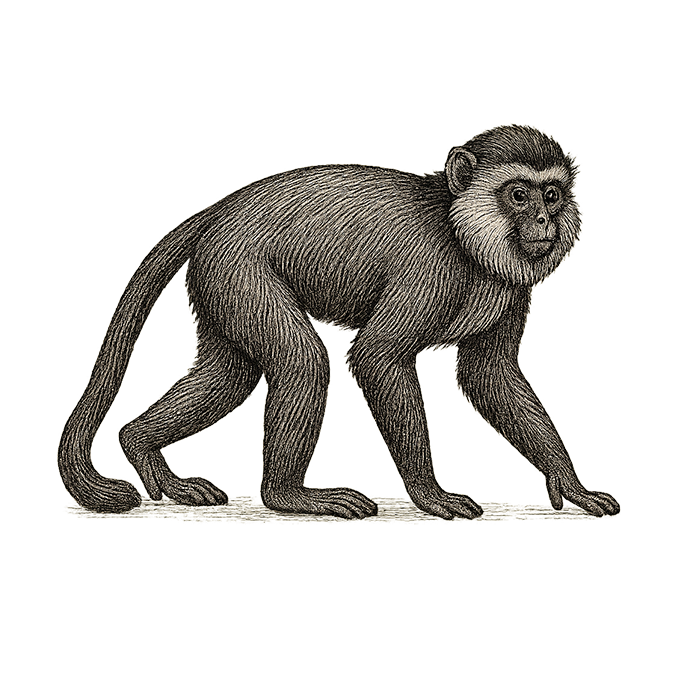
Golden Monkey "Photogenic"
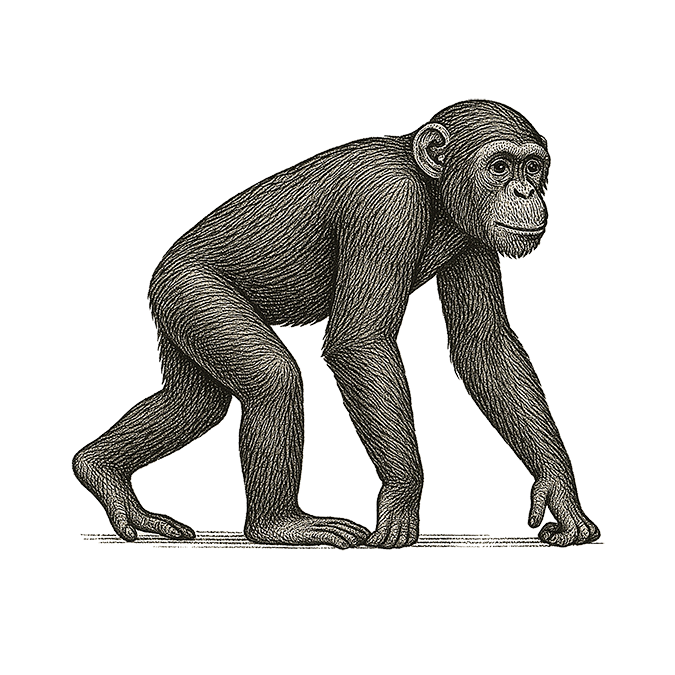
Chimpanzees "Pant-hoot"