Arusha Town Guide: Markets, Cultural Heritage Centre, and Where to Eat
Arusha is one of Tanzania’s most important tourism centres, known for its lively markets, cultural attractions, restaurants and convenient access to northern Tanzania’s national parks. Located at the foot of Mount Meru, the town welcomes travellers preparing for safaris to Serengeti National Park, Ngorongoro Conservation Area, Tarangire National Park and Lake Manyara National Park.
This Arusha Town travel guide explains what to see, where to shop, which local dishes to try and how to plan your visit. Although many travellers spend only one night in Arusha before beginning a safari, the town has enough attractions to justify a longer stay.
You can explore traditional markets, visit the Cultural Heritage Centre, learn about Tanzanian history and enjoy meals at local restaurants. Arusha also offers a convenient base for coffee tours, cultural excursions and short nature trips.
Spending time here gives you an opportunity to experience everyday Tanzanian life before travelling into the country’s wildlife areas.
Where Is Arusha Town Located?
Arusha is situated in northern Tanzania, approximately 80 kilometres west of Moshi.
The town lies beneath Mount Meru, Tanzania’s second-highest mountain, which reaches approximately 4,566 metres above sea level.
Its location makes it a major starting point for northern Tanzania safari itineraries.
Arusha is also an important commercial centre, with hotels, banks, markets, transport services and tourism businesses.
The surrounding region contains agricultural communities producing coffee, vegetables, bananas and other crops.
On clear days, you may see Mount Meru rising above the town.
Why Visit Arusha Town?
Arusha offers more than safari preparation and overnight accommodation.
Its streets, markets, museums and restaurants provide opportunities to experience Tanzania’s cultural diversity.
The town has residents from different ethnic backgrounds, including Maasai, Meru, Arusha and other Tanzanian communities.
This diversity influences local food, trade, clothing and cultural activities.
Some popular experiences include:
- Visiting Arusha Central Market.
- Shopping at the Maasai Market.
- Exploring the Cultural Heritage Centre.
- Learning about Tanzanian history at local museums.
- Trying traditional Tanzanian dishes.
- Visiting coffee farms outside town.
- Taking guided walking tours.
- Enjoying views towards Mount Meru.
You can cover several central attractions in one day, although two days allow a more relaxed experience.
Exploring Arusha Central Market
Arusha Central Market, commonly called Soko Kuu, is one of the town’s busiest trading areas.
The market provides an opportunity to observe everyday shopping and commercial activities.
Traders sell fresh vegetables, fruit, grains, spices and other household products.
You may see bananas, tomatoes, onions, avocados, beans and seasonal produce grown in nearby agricultural areas.
What to Expect at the Central Market
The market is usually busy, particularly during morning trading hours.
Vendors arrange products in stalls while customers compare prices and purchase food.
Visitors can explore the market independently, but a local guide may help explain unfamiliar products and trading practices.
Ask permission before photographing traders or their stalls.
If you want to buy fruit or other goods, agree on the price before paying.
Keep valuables secure because crowded areas require additional attention.
Best Time to Visit
Morning is generally a suitable time to visit Arusha Central Market.
You can observe active trading before the hottest part of the day.
Wear comfortable walking shoes and carry a small amount of Tanzanian cash.
Allow approximately 45 minutes to one hour for a guided visit.
Maasai Market: Crafts and Souvenirs
The Maasai Market is one of Arusha’s popular shopping destinations for visitors.
It is associated with handicrafts, jewellery, carved objects and other souvenirs.
Despite its name, products may come from different communities and craft traditions across Tanzania and neighbouring regions.
What Can You Buy?
Common items include:
- Beaded necklaces and bracelets.
- Wooden carvings.
- Decorative fabrics.
- Traditional-style baskets.
- Leather products.
- Paintings and artwork.
- Small household decorations.
The quality and origin of products vary between stalls.
If you are interested in authentic locally made crafts, ask vendors where an item was produced and who made it.
How to Bargain Respectfully
Bargaining is common in many souvenir markets.
Start by asking the price and deciding what you are comfortable paying.
Make a reasonable offer and remain polite throughout the discussion.
Avoid aggressive bargaining, particularly when purchasing handmade products that require considerable time and skill.
Carry smaller banknotes to make payments easier.
Visiting the Cultural Heritage Centre
The Cultural Heritage Centre is one of Arusha’s best-known attractions.
Located along Dodoma Road, the centre brings together African artwork, sculptures, traditional crafts and gemstone displays.
It was established in 1993 and has developed into an important destination for visitors interested in African art and craftsmanship.
The centre is suitable for travellers who want a cultural activity before or after a safari.
African Art and Sculptures
The Cultural Heritage Centre contains different collections of African artwork.
Visitors may encounter wooden sculptures, paintings, decorative objects and pieces inspired by cultural traditions.
Some displays explore historical themes, while others feature contemporary artistic expression.
The centre also offers opportunities to purchase artwork.
Take your time when exploring the galleries because individual pieces may have interesting stories connected to their production.
If available, a guide can explain the artists, materials and cultural context.
Tanzanite and Gemstone Displays
Tanzanite is one of Tanzania’s best-known gemstones.
It is associated with the Merelani mining area near Mount Kilimanjaro.
Arusha is an important centre for tanzanite trading and jewellery.
At the Cultural Heritage Centre, visitors can learn about gemstones and examine jewellery collections.
If you plan to purchase tanzanite, ask about certification, treatment, quality and return policies.
Buy from established sellers who provide clear documentation.
How Long Should You Spend?
Allow approximately one to two hours for the Cultural Heritage Centre.
Visitors interested in art collecting may prefer additional time.
Confirm opening arrangements and any applicable entrance charges before travelling.
Other Cultural Attractions in Arusha
Arusha Declaration Museum
The Arusha Declaration Museum is associated with Tanzania’s post-independence political history.
The Arusha Declaration was announced in 1967 during the presidency of Julius Nyerere.
It introduced policies associated with socialism and self-reliance in Tanzania.
A museum visit can help travellers understand an important period in the country’s political and economic development.
Allow approximately 45 minutes to one hour, depending on available exhibitions.
Natural History Museum
Arusha also has a natural history museum associated with the Old Boma area.
Its exhibitions provide information about aspects of Tanzania’s natural environment and human history.
The museum can be a suitable activity for travellers interested in science, archaeology and the region’s historical development.
Confirm current exhibitions before visiting because displays can change.
Arusha Clock Tower
The Arusha Clock Tower is a familiar landmark in the central part of town.
It is commonly used as a meeting point and geographical reference.
The surrounding streets contain businesses, restaurants and other services.
You can include the clock tower during a guided walking tour.
It is generally a short sightseeing stop rather than an attraction requiring several hours.
Where to Eat in Arusha Town
Arusha offers a wide variety of dining options.
You can choose traditional Tanzanian restaurants, casual cafés, Indian-influenced establishments and hotel restaurants.
The best option depends on your budget, dietary requirements and preferred atmosphere.
Traditional Tanzanian Restaurants
Local restaurants serve meals commonly eaten across Tanzania.
These are suitable for visitors who want to try regional food without spending heavily.
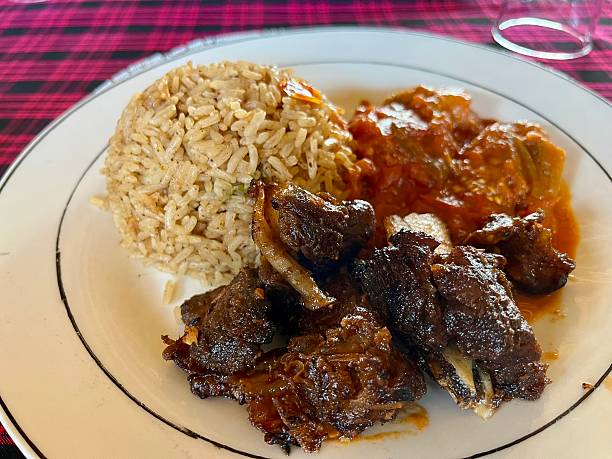
Popular dishes include ugali, rice, beans, vegetables and grilled meat.
Meals are often served with sauces or fresh accompaniments.
Look for establishments with steady customer activity, clean preparation areas and properly cooked food.
Cafés Around the Town Centre
Central Arusha has cafés serving tea, coffee, light meals and snacks.
These establishments can be useful for breakfast, lunch or a break between sightseeing activities.
Tanzania produces coffee in several regions, including the northern highlands.
Trying locally grown coffee can be an enjoyable part of your visit.
Restaurants in Njiro and Other Neighbourhoods
Areas such as Njiro contain restaurants offering both Tanzanian and international meals.
Some establishments provide outdoor seating and relaxed dining spaces.
These locations may be convenient if your accommodation is outside the town centre.
Ask your hotel for recommendations based on your preferred cuisine and transport arrangements.
Traditional Tanzanian Foods to Try
Arusha is a good place to sample everyday Tanzanian dishes.
| Dish | Description | Common serving style |
|---|---|---|
| Ugali | Firm maize meal | Served with vegetables, meat or beans |
| Nyama choma | Grilled meat | Often accompanied by vegetables |
| Pilau | Spiced rice | Served with meat or vegetables |
| Chips mayai | Chips cooked with eggs | Popular casual meal |
| Mishkaki | Grilled meat skewers | Served as a snack or meal |
| Maharage | Cooked beans | Often eaten with rice or ugali |
| Chapati | Flatbread | Served with tea or savoury dishes |
Food preparation varies between restaurants.
If you have allergies or dietary restrictions, explain them before ordering.
Drink treated or bottled water from a reliable source.
Coffee Tours Around Arusha
The highlands surrounding Arusha support coffee cultivation.
Guided coffee farm experiences allow visitors to learn about growing, harvesting and processing coffee.
A typical tour may explain how coffee cherries are collected, how beans are processed and how roasting affects flavour.
Some experiences include a tasting session.
Tours vary according to the farm and season.
If you want to see harvesting activities, ask about the local harvest calendar before booking.
Coffee tours can be combined with other countryside activities when travel times permit.
Best Time to Visit Arusha Town
Arusha can be visited throughout the year.
Its elevated location generally gives it a milder climate than many lower-lying Tanzanian towns.
| Period | General conditions | Recommended activities |
|---|---|---|
| June to October | Generally drier | Walking tours and outdoor excursions |
| November to December | Possible short rains | Museums, markets and flexible sightseeing |
| January to February | Often relatively warm and dry | Cultural visits and coffee tours |
| March to May | Main rainy period | Indoor attractions and shorter excursions |
Weather conditions vary from year to year.
Markets and museums can usually be visited in different seasons, although heavy rain may affect outdoor plans.
Carry a light jacket because evenings can become cool.
How to Get to Arusha
Kilimanjaro International Airport
Kilimanjaro International Airport is one of the main arrival points for international travellers visiting Arusha.
The airport is located between Arusha and Moshi.
A road transfer to Arusha commonly takes approximately one to 1.5 hours, depending on traffic and your hotel.
Arusha Airport
Arusha Airport mainly serves domestic and regional aviation.
It is useful for certain safari flights and connections within Tanzania.
Check your booking carefully because Kilimanjaro International Airport and Arusha Airport are different facilities.
Road Transport
Arusha is connected by road to Moshi, Nairobi and other destinations.
Private transfers are convenient for travellers carrying safari luggage.
If using a bus, confirm the departure point, arrival location and journey duration.
Where to Stay in Arusha
Arusha has accommodation ranging from budget guesthouses to luxury hotels and safari lodges.
Your location should reflect your travel plans.
| Accommodation area | Suitable for | Main consideration |
|---|---|---|
| Town centre | Shopping and short stays | Convenient access to services |
| Njiro | Restaurants and longer stays | Transport may be needed |
| Sakina | Safari departures and road access | Distance from central attractions varies |
| Outskirts of Arusha | Quiet accommodation | Longer transfers into town |
If you are beginning a safari early in the morning, choose accommodation with reliable breakfast and transport arrangements.
Confirm whether your safari operator provides hotel collection.
Practical Arusha Town Travel Guide
One full day is enough to visit several central attractions.
Start with Arusha Central Market, continue to the Maasai Market and spend the afternoon at the Cultural Heritage Centre.
If you have a second day, consider visiting museums or arranging a coffee farm excursion.
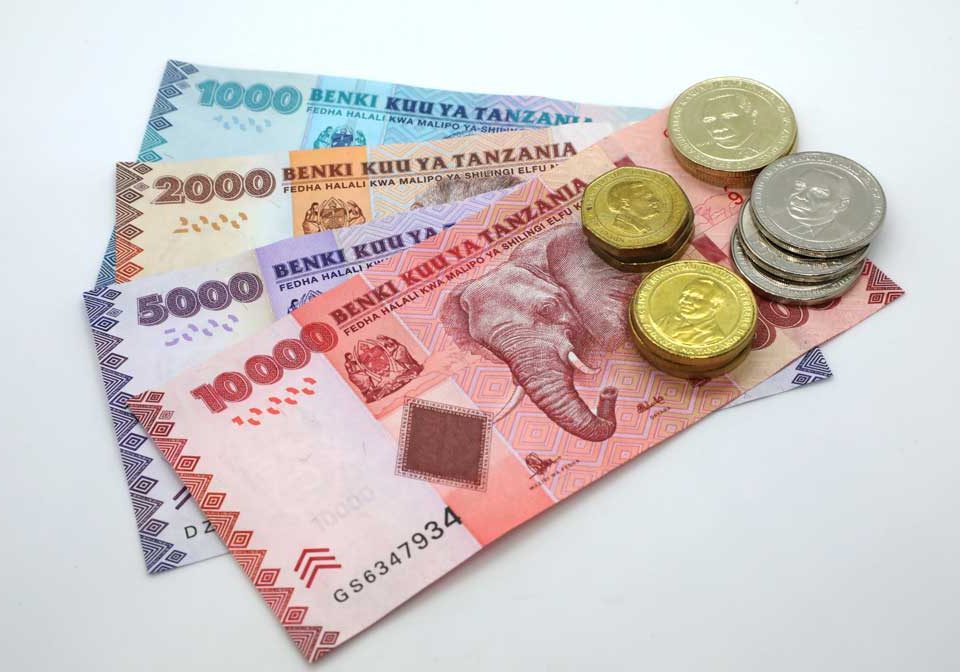
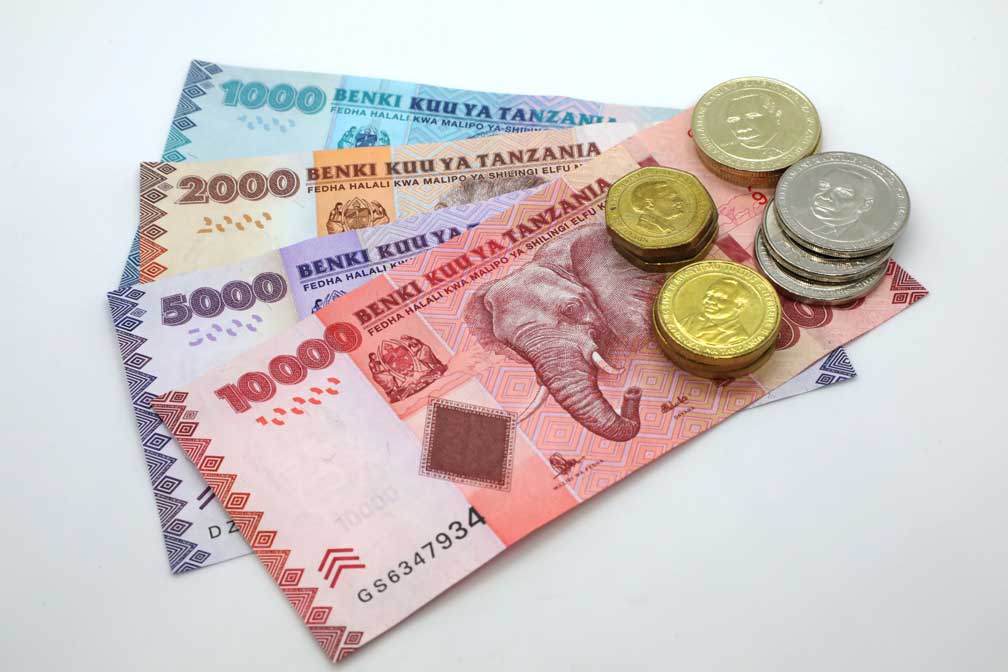
Carry Tanzanian shillings for small purchases.
Use registered taxis or transport arranged by your accommodation, especially after dark.
Keep valuables secure in crowded places.
Dress comfortably and wear suitable footwear for walking.
Avoid scheduling too many activities immediately after a long international flight.
Frequently Asked Questions About Arusha
Is Arusha worth visiting?
Yes. Arusha offers markets, museums, cultural attractions and restaurants alongside its role as a safari starting point.
How many days should you spend in Arusha?
One day covers the main central attractions. Two days are better if you want to include museums and countryside activities.
What is Arusha famous for?
Arusha is famous as a gateway to northern Tanzania’s national parks and for its connection to Mount Meru, tourism and Tanzanian culture.
Can you explore Arusha without a guide?
Yes, although a local guide can help you understand the markets, cultural sites and town history.
What food should you try in Arusha?
Consider ugali, nyama choma, pilau, chapati and chips mayai, depending on your dietary preferences.
Combining Arusha With Other Destinations
Arusha is an excellent base for exploring northern Tanzania.
You can combine a town visit with Arusha National Park, which offers forest scenery, wildlife viewing and guided walking safaris.
Travellers interested in hiking may also consider Mount Meru, although climbing the mountain requires proper preparation and several days.
For a longer safari, Arusha provides convenient access to Tarangire, Lake Manyara, Ngorongoro and Serengeti.
Plan your route carefully to allow enough time for each destination.
Arusha Town deserves more attention than a quick overnight stop before safari.
Its markets introduce visitors to everyday trading activities, while the Cultural Heritage Centre provides opportunities to appreciate African artwork and craftsmanship.
Museums explain important aspects of Tanzania’s history, and local restaurants offer a chance to experience familiar Tanzanian dishes.
Whether you spend one day exploring central attractions or several days visiting the surrounding countryside, Arusha provides a useful introduction to northern Tanzania.
With comfortable accommodation, organised transport and a realistic sightseeing plan, you can enjoy the town before continuing your safari adventure.