Moshi Town Guide: What to Do Before and After Climbing Kilimanjaro
Moshi is a welcoming town in northern Tanzania, best known as a starting point for climbing Mount Kilimanjaro. Located near Africa’s highest mountain, Moshi offers convenient accommodation, restaurants, local markets, coffee plantations and beautiful countryside attractions. Although many visitors arrive mainly for mountain trekking, the town has several worthwhile experiences before and after a climb.
This Moshi Town travel guide explains how to prepare for Kilimanjaro, where to relax after trekking and which attractions deserve your time. You can explore traditional markets, visit Materuni Waterfalls, learn about Chagga culture or enjoy a peaceful afternoon at Chemka Hot Springs.
Spending an extra day or two in Moshi helps you organise your climbing equipment, meet your mountain guide and recover before continuing your Tanzania holiday.
Whether you are preparing for a challenging trek or celebrating a successful summit, Moshi provides useful services and memorable experiences.
Where Is Moshi Town Located?
Moshi is situated in Tanzania’s Kilimanjaro Region, near the southern slopes of Mount Kilimanjaro.
The town lies approximately 40 kilometres from Kilimanjaro International Airport and around 80 kilometres east of Arusha.
Its position makes it a convenient base for climbers using several Kilimanjaro routes.
On clear mornings, you may see the mountain rising above the surrounding countryside.
Moshi is also an important agricultural and commercial centre. Coffee and banana farming are common in nearby highland communities.
The town contains hotels, restaurants, banks, markets, transport services and businesses supporting mountain tourism.
Why Stay in Moshi Before Climbing Kilimanjaro?
Arriving at least one day before your scheduled climb allows time for practical preparations.
International travel can be tiring, particularly if you have experienced long flights or several connections.
An additional night gives you time to rest, organise your belongings and discuss the trek with your climbing team.
Meet Your Kilimanjaro Guide
Most organised climbing packages include a briefing before departure.
During this meeting, your guide should explain:
- Your selected Kilimanjaro route.
- The expected trekking schedule.
- Daily walking distances and altitude changes.
- Clothing and equipment requirements.
- Meal and accommodation arrangements.
- Health and mountain safety procedures.
- Emergency communication and evacuation plans.
Use this opportunity to ask questions about anything you do not understand.
You should also confirm your departure time and the location where your climbing team will collect you.
Check Your Climbing Equipment
A complete equipment check is essential before entering Kilimanjaro National Park.
Your guide may inspect your clothing, footwear, sleeping bag and other important items.
Common requirements include waterproof clothing, warm layers, gloves, a head torch and suitable hiking boots.
If something is missing, Moshi has businesses offering selected equipment for hire or purchase.
Check the quality and fit of rented equipment before accepting it.
Avoid wearing completely new hiking boots on the mountain because they may cause blisters.
Exploring Moshi Town Centre
Moshi’s town centre is relatively compact, with shops, restaurants, offices and market areas.
A short walking tour can help you become familiar with the town before your trek.
You may encounter local traders selling clothing, fresh produce, household goods and other everyday items.
The town has a relaxed atmosphere in many areas, although central streets can become busy during trading hours.
Visiting Moshi’s Local Markets
Markets provide an opportunity to observe everyday life in the Kilimanjaro Region.
Traders sell vegetables, fruit, grains, spices and locally produced goods.
You may see bananas, avocados, beans, tomatoes and other products grown in surrounding farming communities.
A guided market visit can help you identify unfamiliar foods and understand local trading practices.
Ask permission before photographing people or their stalls.
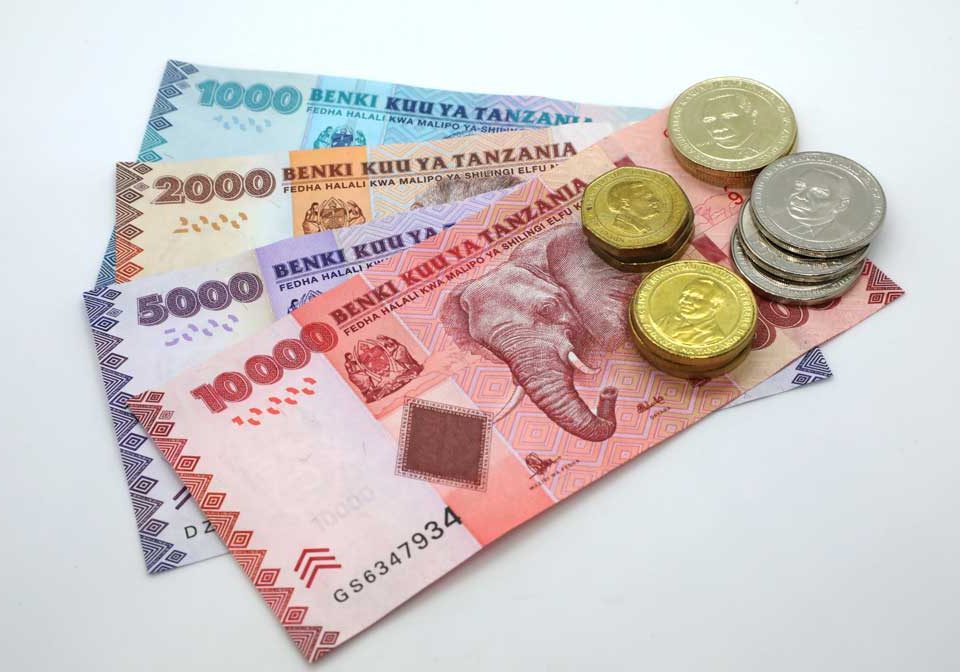
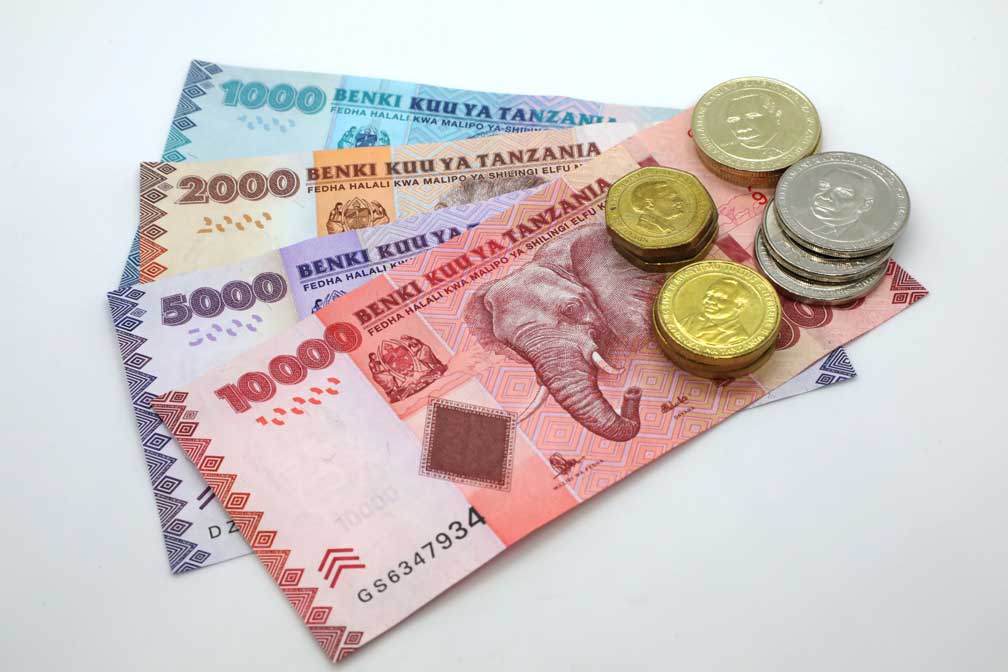
Keep your valuables secure and carry smaller Tanzanian banknotes for purchases.
Materuni Waterfalls: A Popular Excursion
Materuni Waterfalls is one of the best-known attractions near Moshi.
Located in the foothills of Mount Kilimanjaro, the waterfall is reached through the surrounding countryside near Materuni village.
The area contains coffee farms, banana plantations and green hills.
A guided visit generally includes a countryside walk towards the waterfall.
What to Expect on the Walk
The route passes through cultivated land and areas of natural vegetation.
Depending on conditions, the walking trail may be muddy or slippery.
Wear comfortable shoes with good grip and carry drinking water.
The walk can take around 30 to 60 minutes each way, depending on the starting point, weather and your pace.
The waterfall is particularly impressive when there has been sufficient rainfall.
However, water flow varies throughout the year.
Should You Visit Before or After Kilimanjaro?
Materuni is suitable before your climb if you want a gentle countryside experience.
However, avoid exhausting yourself immediately before beginning a demanding mountain trek.
After Kilimanjaro, assess how tired your legs feel before booking the waterfall walk.
If you have significant muscle soreness, a shorter cultural excursion may be more comfortable.
Coffee Tours in the Kilimanjaro Foothills
Coffee farming has an important place in the economy and culture of the Kilimanjaro Region.
The fertile highlands support coffee cultivation, and many local communities have experience growing and processing coffee.
A guided coffee tour introduces visitors to the different stages of production.
What Happens During a Coffee Tour?
Depending on the farm, you may learn how coffee trees grow, how cherries are harvested and how beans are prepared.
Some experiences demonstrate traditional processing methods, including removing the outer layers, drying, roasting and grinding the beans.
A tasting session may follow.
Coffee experiences can also provide information about local farming practices and household activities.
Ask whether your visit includes walking, cultural demonstrations or a meal.
A coffee tour can be particularly suitable after climbing Kilimanjaro because it usually involves less physical effort than a long hike.
Discovering Chagga Culture Around Moshi
The Chagga are among the communities historically associated with the slopes of Mount Kilimanjaro.
Agriculture has long been important in the region, including the cultivation of bananas and coffee.
Guided cultural visits may introduce you to traditional farming methods, local food and aspects of community history.
Some excursions include village walks and explanations of irrigation practices.
Choose activities organised with the involvement and agreement of local communities.
Respect private homes and ask permission before taking photographs.
Cultural activities should provide meaningful information rather than treating everyday community life as a performance.
Relaxing at Chemka Hot Springs
Chemka Hot Springs, also called Kikuletwa Hot Springs, is a popular relaxation destination within driving distance of Moshi.
The site contains clear spring-fed water surrounded by vegetation.
Despite its name, the water is generally pleasantly warm rather than extremely hot.
Visitors often come to swim, relax and enjoy the natural surroundings.
What to Expect at Chemka
A typical visit involves travelling by road to the springs and spending time around the water.
Swimming conditions and facilities should be checked on arrival.
Some areas are deeper than they first appear, so use caution.
Avoid jumping into unfamiliar water and follow local safety instructions.
Chemka can be an enjoyable activity after Kilimanjaro, provided you feel physically well enough for swimming.
If you are exhausted, dehydrated or experiencing symptoms of illness, rest instead.
Where to Eat in Moshi
Moshi offers a mixture of traditional Tanzanian restaurants, cafés and establishments serving international food.
You can find simple local meals alongside dishes designed for travellers.
Traditional Tanzanian Food
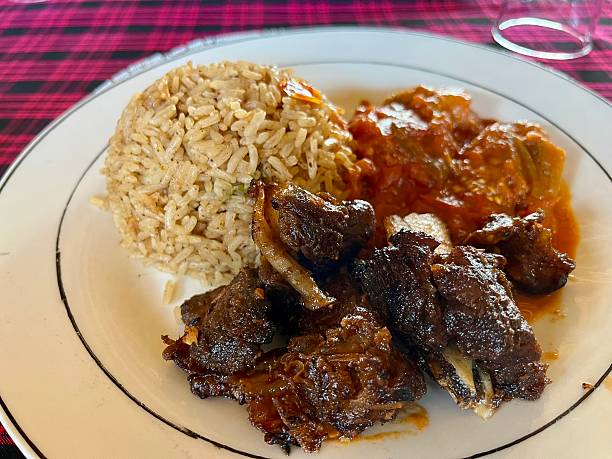
Common dishes include ugali, rice, beans, vegetables and grilled meat.
Nyama choma, or grilled meat, is a popular choice in many Tanzanian restaurants.
Pilau is another familiar dish, prepared using rice and spices.
Chapati and tea are common breakfast or snack options.
After a long trek, choose meals that provide sufficient energy and are comfortable for your stomach.
Cafés and International Restaurants
Moshi has cafés serving coffee, fresh juices, breakfast and light meals.
Some restaurants also offer pizza, pasta, sandwiches and vegetarian dishes.
If you have dietary restrictions, explain them clearly when ordering.
Drink safe treated or bottled water and take extra care with food hygiene before your climb.
Best Things to Do After Climbing Kilimanjaro
Completing a Kilimanjaro trek is physically demanding.
Many climbers experience tiredness, muscle soreness and a need for additional sleep after descending.
Your first priority should be recovery.
Rest at Your Hotel
Consider spending at least one night in Moshi after the climb.
Take time to shower, eat, rehydrate and sleep.
Avoid booking a tightly scheduled international departure immediately after your expected descent.
Mountain schedules can change because of weather, health or operational circumstances.
Enjoy a Relaxed Meal
A comfortable meal at your hotel or a nearby restaurant can be a pleasant way to celebrate completing the trek.
Choose food that suits your appetite and physical condition.
Continue drinking sufficient fluids.
Book a Gentle Excursion
If you feel well after resting, consider a coffee tour, short town visit or relaxed afternoon at a suitable attraction.
Avoid demanding hikes until your legs have recovered.
Seek medical attention if you experience persistent breathlessness, severe headache, confusion or other concerning symptoms after descending.
Best Time to Visit Moshi
Moshi can be visited throughout the year, although climbing conditions on Kilimanjaro vary by season.
| Period | General conditions | Travel considerations |
|---|---|---|
| January to February | Often relatively dry | Popular mountain trekking period |
| March to May | Main rainy season | Wet trails and reduced visibility |
| June to October | Generally drier | Popular for climbing and outdoor excursions |
| November to December | Possible short rains | Flexible sightseeing recommended |
Weather is never guaranteed on Kilimanjaro.
Conditions can change substantially with altitude, even during the drier months.
Moshi itself is much lower than the mountain summit and generally experiences warmer temperatures.
How to Reach Moshi Town
Kilimanjaro International Airport
Kilimanjaro International Airport is the main international arrival point for many climbers.
A transfer to Moshi usually takes approximately 45 minutes to one hour, depending on traffic and your hotel.
Arrange transport in advance where possible.
Travelling From Arusha
Moshi is connected to Arusha by road.
The journey commonly takes around 1.5 to 2 hours, depending on traffic and the departure location.
Private transfers are convenient for travellers carrying trekking equipment.
Bus services are another option.
Confirm your arrival arrangements before travelling.
Where to Stay in Moshi
Moshi offers budget guesthouses, comfortable hotels and properties catering specifically to Kilimanjaro climbers.
Some accommodation providers offer luggage storage, equipment checks and climbing briefings.
| Accommodation type | Suitable for | Main consideration |
|---|---|---|
| Budget guesthouse | Cost-conscious climbers | Basic facilities |
| Mid-range hotel | Most trekking travellers | Comfort and useful services |
| Boutique lodge | Couples and relaxed stays | Quieter surroundings |
| Climber-focused hotel | Organised Kilimanjaro groups | Equipment and trekking support |
Before booking, confirm whether the property offers secure luggage storage, early breakfast and airport transfers.
A reliable shower, comfortable bed and quiet room are particularly welcome after several days on the mountain.
Practical Moshi Town Travel Guide
Allow one or two nights in Moshi before climbing Kilimanjaro.
This provides time for rest, equipment checks and your guide’s briefing.
After the trek, consider another night or two before continuing your journey.
Carry Tanzanian shillings for small purchases.
Keep important travel documents secure.
Use reliable taxis or transport arranged by your accommodation.
Pack lightweight clothing for Moshi but keep your mountain equipment separate and organised.
If you are planning additional activities, leave room for changes caused by weather or fatigue.
Frequently Asked Questions About Moshi
Is Moshi worth visiting without climbing Kilimanjaro?
Yes. Moshi offers coffee tours, waterfalls, markets, cultural experiences and access to nearby natural attractions.
How many days should you spend in Moshi?
Two nights before Kilimanjaro and one or two nights afterwards provide a comfortable arrangement for many climbers.
Can you see Kilimanjaro from Moshi?
Yes, on clear days. Clouds can obscure the mountain, particularly later in the day.
What can you do in Moshi after climbing?
Popular options include resting, exploring cafés, visiting coffee farms and taking gentle excursions when you feel recovered.
Is Moshi close to Arusha?
Yes. The towns are approximately 80 kilometres apart and are connected by road.
Combining Moshi With Other Tanzania Destinations
Moshi can be combined with Arusha and northern Tanzania’s safari destinations.
After Kilimanjaro, you may travel towards Tarangire National Park, Lake Manyara National Park or Ngorongoro Conservation Area.
Arusha National Park is another nearby option for wildlife viewing and forest scenery.
If you are considering Mount Meru as preparation for Kilimanjaro, allow enough time for the additional trek and proper recovery.
Avoid scheduling demanding activities without considering your physical condition.
Moshi is an important part of the Kilimanjaro climbing experience.
The town provides accommodation, equipment services, transport and a comfortable place to prepare for your trek.
Its surrounding countryside also offers coffee farms, waterfalls, cultural activities and relaxation opportunities.
Spending additional time in Moshi allows you to prepare properly before climbing and recover afterwards.
Whether you explore Materuni Waterfalls, visit local markets or simply enjoy a quiet meal after descending Kilimanjaro, Moshi offers a practical and enjoyable addition to your Tanzania holiday.