Combining Gorilla Trekking With Mount Nyiragongo Hiking
Combining gorilla trekking with a hike up Mount Nyiragongo, one of the world’s most active volcanoes and home to the largest lava lake on Earth, was once one of the most dramatic multi-activity itineraries available anywhere in East Africa, pairing a close encounter with mountain gorillas against an overnight hike to a crater rim glowing red at night. As of 2026, however, this specific combination is not currently possible, since both activities sit within DR Congo’s Virunga National Park, which remains closed to tourism following the M23 armed group’s capture of Goma in 2025.
This guide covers what the combination traditionally involved, the current situation preventing it, and the realistic alternatives available to travellers still drawn to this kind of dramatic volcanic and wildlife pairing.
What This Combination Traditionally Offered
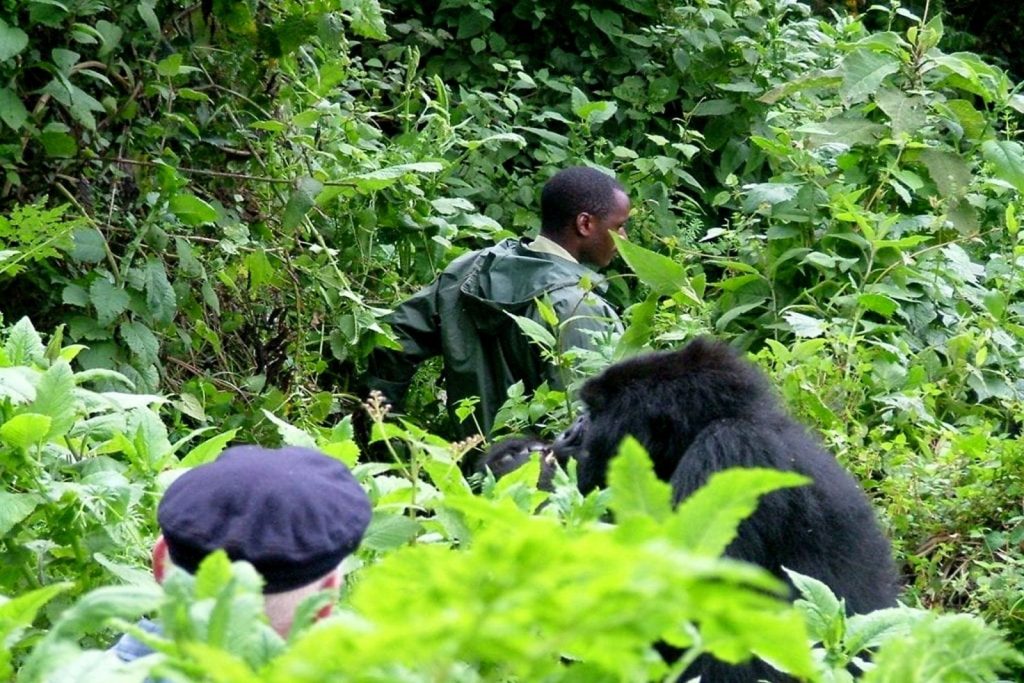
Under normal operating conditions, Virunga National Park uniquely offered both mountain gorilla trekking and access to Mount Nyiragongo within the same protected area, allowing travellers to combine the two activities within a remarkably compact itinerary compared to the international travel typically required to pair gorilla trekking with other major East African landmarks. A standard combined visit involved a day of gorilla trekking followed by a two-day, one-night hike up Nyiragongo, climbing roughly five hours to a rustic crater-rim camp, spending the night watching the lava lake’s dramatic nighttime glow, then descending the following morning.
This pairing was widely regarded as one of the most spectacular short combinations available anywhere in Africa, offering genuinely contrasting experiences, quiet, intimate wildlife observation against raw geological drama, within a single, tightly focused park visit lasting as little as three or four days total.
Combining Gorilla Trekking With Lake Kivu Relaxation for a Scenic Rwanda Adventure
Why Congo Uniquely Offered This Combination
Neither Uganda nor Rwanda offers anything directly comparable, since active volcano hiking of Nyiragongo’s scale and accessibility simply does not exist within their respective national park systems, making this pairing a genuinely unique feature of Congo’s Virunga National Park specifically, unmatched by any equivalent combination in the neighbouring gorilla trekking countries.
The Current Closure and Why It Applies to Both Activities
Virunga National Park, including both its gorilla trekking sectors and the Nyiragongo hiking route, has been closed to tourism since the M23 armed group captured Goma, the gateway city for all Virunga tourism operations, during its 2025 offensive in eastern DR Congo. As of 2026, the park remains closed with no confirmed reopening timeline, and international travel advisories from the UK, US, EU and Australia continue to advise against travel to the surrounding North Kivu region given the ongoing conflict.
Because both gorilla trekking and the Nyiragongo hike are managed through the same park authority and depend on the same access routes through Goma, the closure affects both activities identically, meaning there is currently no partial access allowing one activity while the other remains unavailable.
What Travellers Currently Drawn to This Combination Should Consider
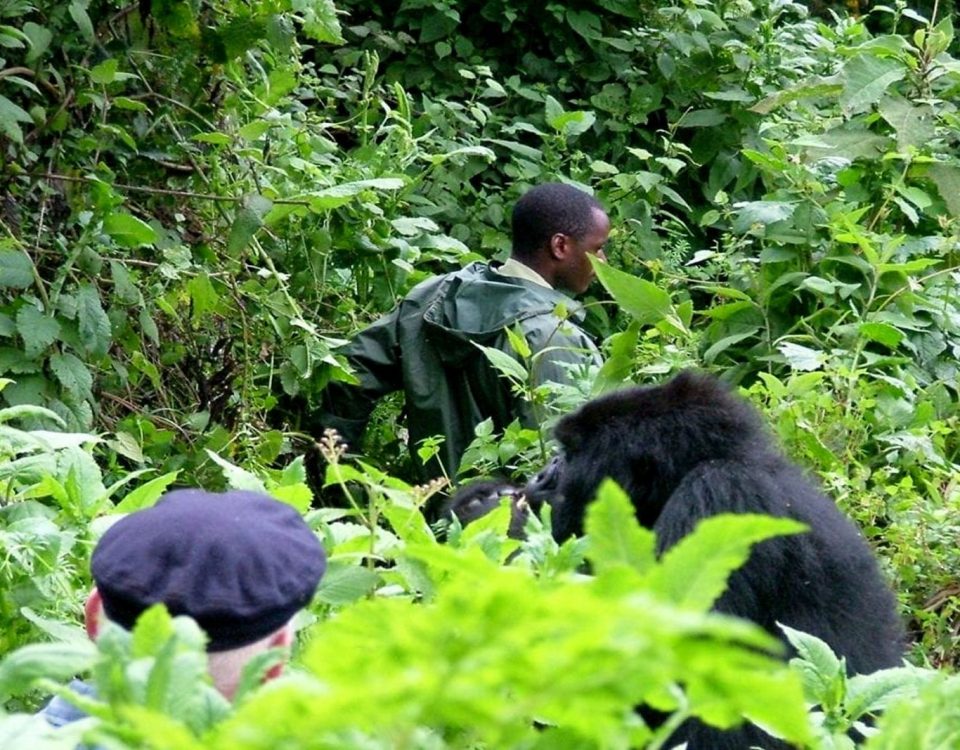
Travellers specifically drawn to this kind of dramatic pairing should currently treat both halves as separate, geographically distinct activities rather than seeking an equivalent combined experience elsewhere. Gorilla trekking remains readily available in Uganda or Rwanda, while volcano hiking enthusiasts might instead consider Rwanda’s own Virunga volcanoes, including Mount Bisoke and Mount Karisimbi within Volcanoes National Park, both offering genuine, if less dramatically active, volcanic hiking experiences that can be combined with gorilla trekking in the same park on the same trip.
Mount Bisoke, a dormant volcano with a crater lake at its summit, offers a full-day hike achievable without overnight camping, while Mount Karisimbi, the tallest of the Virunga volcanoes, requires a more demanding two-day trek with overnight camping partway up the mountain, both providing a genuine sense of volcanic hiking achievement within Rwanda’s readily accessible, currently fully operational national park system.
Why Bisoke and Karisimbi Are Not True Substitutes
It is worth being honest that neither Bisoke nor Karisimbi offers anything resembling Nyiragongo’s active lava lake, since both are dormant rather than actively erupting volcanoes, meaning travellers specifically seeking that dramatic, glowing crater experience will not find a genuine equivalent currently available anywhere in the region.
How Travellers With Existing Bookings Should Proceed
Travellers who booked this combined itinerary before the current closure, whether directly through Virunga National Park’s own booking system or via a tour operator, should contact their booking provider promptly for guidance on refunds or rebooking options, since Virunga’s official policy during the closure has generally involved refunding or crediting affected bookings rather than expecting travellers to forfeit funds for activities that cannot currently proceed. Operators experienced in Congo travel typically have established processes for handling these situations and can advise on whether redirecting a booking toward Uganda or Rwanda gorilla trekking instead, potentially paired with Bisoke or Karisimbi, is a feasible alternative given the traveller’s original budget and timeline. Insurance policies purchased before the closure was announced may also provide some coverage for the disruption, depending on the specific terms and when the policy was purchased relative to the formal travel advisories being issued, making it worth reviewing any existing policy documentation carefully alongside direct conversation with the original booking provider.
Monitoring the Situation for Future Travel
Travellers hoping to eventually combine gorilla trekking with Nyiragongo should monitor official sources directly, including Virunga National Park’s own communications and major international travel advisory bodies, rather than relying on older blog content or outdated operator marketing that may not reflect current conditions. Any genuine reopening would likely be reported prominently well before individual tour operators began actively rebooking trips to the area, given how closely the security situation is monitored by international media and conservation organisations with a direct stake in Virunga’s recovery.
What Made This Combination So Highly Regarded
Understanding why this combination earned such a strong reputation among experienced Africa travellers helps explain why so many continue to hope for Virunga’s eventual reopening rather than writing off the experience entirely. The sheer contrast between the two activities, gentle, quiet primate observation against the raw, almost otherworldly spectacle of an active lava lake glowing through the night, created a uniquely memorable itinerary that few other destinations anywhere on Earth could match within such a compact, accessible package.
What Nyiragongo’s Closure Has Meant for Local Communities
Beyond the loss for travellers, the closure of Virunga’s tourism activities, including both gorilla trekking and the Nyiragongo hike, has had a genuinely significant economic impact on the guides, porters, rangers and lodge staff who depended on this tourism revenue for their livelihoods. Virunga’s rangers have continued essential anti-poaching and gorilla monitoring work throughout the closure as far as security conditions allow, increasingly funded by international conservation grants and the Virunga Foundation rather than tourism revenue, underscoring just how significant the loss of visitor income has been to the park’s day-to-day operations and the wider regional economy that grew up around it over previous decades.
Communities around Goma and the base of Nyiragongo that had built guesthouses, restaurants and craft businesses specifically to serve the steady flow of gorilla and volcano tourism have faced a similarly sharp economic disruption, a reminder that the human cost of this closure extends well beyond the disappointment felt by travellers unable to currently visit.
Nyiragongo’s Volcanic Significance Beyond Tourism
Mount Nyiragongo remains one of the most closely monitored volcanoes in Africa by geologists, given its history of destructive eruptions, including a significant 2002 eruption that reached the outskirts of Goma itself, and its unusually persistent lava lake, one of only a handful of such features anywhere on Earth. This ongoing scientific significance means Nyiragongo continues to draw research interest even during the current tourism closure, and any future reopening would likely be accompanied by continued close monitoring given the genuine volcanic hazard the mountain poses to the surrounding, densely populated region.
Planning Responsibly Given Current Conditions
For any traveller currently planning a trip, the responsible and practical approach is to treat this specific combination as unavailable for the foreseeable future, plan gorilla trekking in Uganda or Rwanda instead, and consider Bisoke or Karisimbi as a genuine, if different, volcanic hiking alternative within Rwanda’s currently accessible park system. Our guides on is it safe to visit DR Congo in 2026 and how to choose between Uganda, Rwanda and Congo for gorilla trekking cover the wider current situation in more depth. The UK Foreign, Commonwealth and Development Office publishes regularly updated advisories on DR Congo, the most reliable source for tracking any future change to the current closure.
Until conditions genuinely change, the responsible choice is patience rather than improvisation, and travellers hoping to one day stand on Nyiragongo’s crater rim after a morning spent among Virunga’s gorillas should hold onto that ambition for a future trip rather than attempting to find a workaround to current, well-founded safety advice in the meantime, since Virunga’s history of resilience suggests the park will eventually welcome visitors back once the underlying political and security conditions genuinely allow it, just as it has managed to do after previous periods of closure and hardship across its long, turbulent history, a resilience shared by the rangers, guides and communities who have kept the park’s mission alive throughout even its darkest chapters.