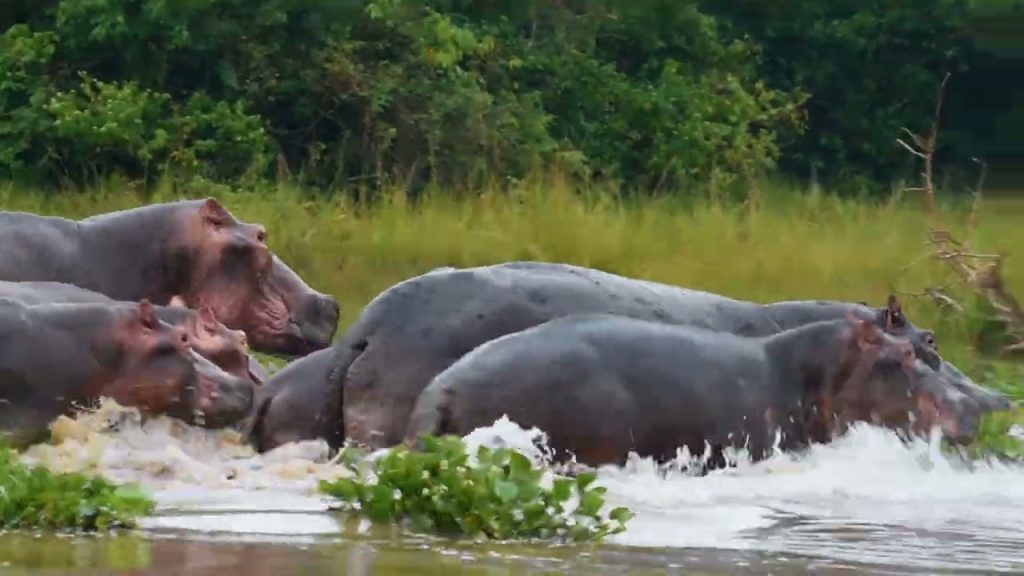

Tanzania’s Top Wildlife Viewing Seasons for Best Safaris: A Comprehensive Guide
Best Tanzania Safari Seasons, often referred to as the crown jewel of African safaris, is a land of unparalleled natural beauty and wildlife diversity. From the vast plains of the Serengeti to the majestic heights of Mount Kilimanjaro, Tanzania offers some of the most spectacular wildlife viewing opportunities in the world. However, to make the most of your safari experience, it’s essential to understand the best times to visit, the top places to explore, the most convenient modes of transport, and the range of accommodations available. This guide will take you through everything you need to know to plan the ultimate Tanzanian safari.
Best Time to Explore Best Tanzania Safari Seasons for Wildlife Viewing
Tanzania’s wildlife viewing seasons are largely dictated by the Great Migration, weather patterns, and animal behavior. The country experiences two main seasons: the dry season and the wet season. Each season offers unique experiences, but the dry season is generally considered the best time for safaris.
- Dry Season (June to October)
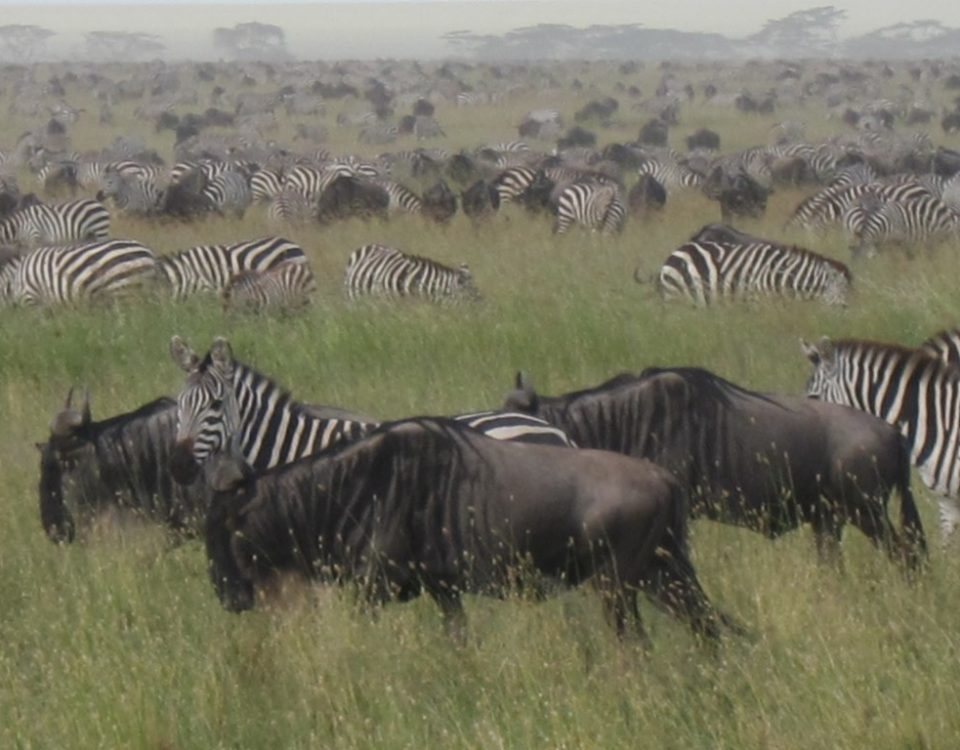
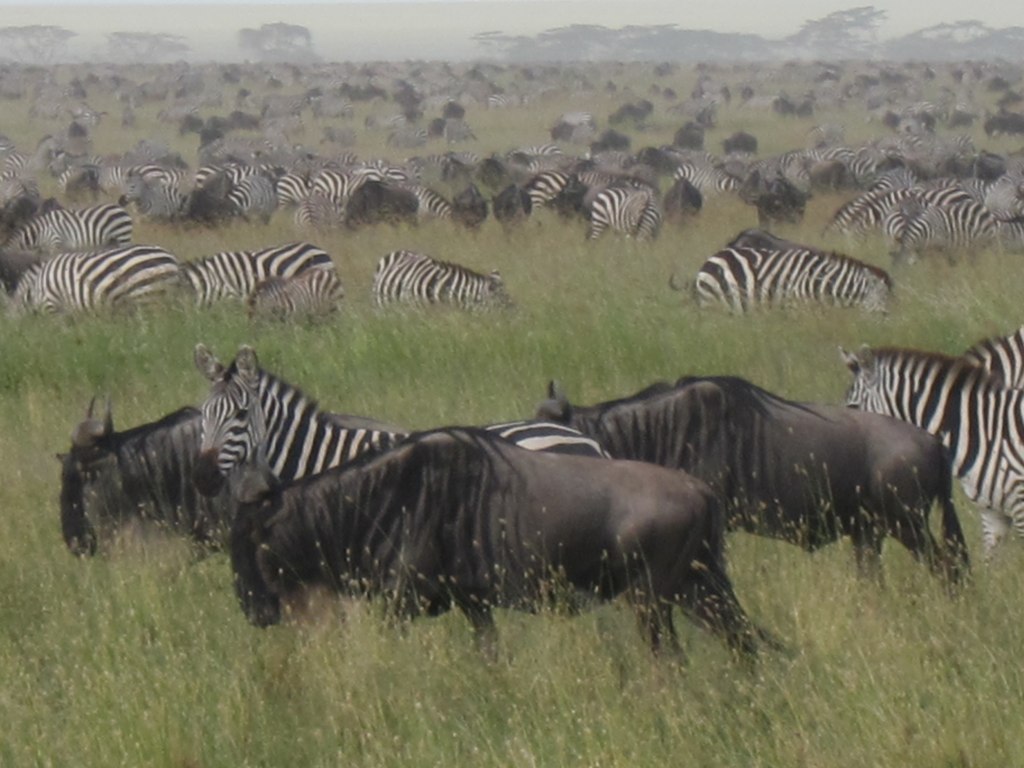
- June to August: This is the peak safari season in Tanzania. The weather is cool and dry, making it easier to spot wildlife as animals gather around water sources. The Great Migration is in full swing in the Serengeti, with millions of wildebeest, zebras, and gazelles crossing the plains. This is also the best time to visit the Ngorongoro Crater, where you can see the Big Five (lion, leopard, elephant, buffalo, and rhino) in their natural habitat.
- September to October: The dry season continues, and the wildlife viewing remains exceptional. The vegetation is sparse, making it easier to spot animals. This is also a great time to visit Tarangire National Park, known for its large elephant herds and baobab trees.
- Wet Season (November to May)
- November to December: The short rains occur during this period, but they are usually light and sporadic. The landscape is lush and green, and it’s a great time for birdwatching as migratory birds arrive. This is also the calving season in the Serengeti, offering a chance to see newborn animals.
- January to February: The weather is generally dry and warm, making it a good time for safaris. The Great Migration is concentrated in the southern Serengeti, where you can witness the calving season.
- March to May: This is the long rainy season, and while some parks may be difficult to access due to muddy roads, it’s a great time for budget travelers as prices are lower. The landscape is incredibly green, and you’ll have the parks mostly to yourself.
Top Places to Visit in Best Tanzania Safari Seasons for Wildlife Viewing

- Serengeti National Park
- The Serengeti is synonymous with African safaris. It’s home to the Great Migration, one of the most spectacular wildlife events on the planet. The park is also known for its large predator population, including lions, cheetahs, and leopards.
- Ngorongoro Crater
- Often referred to as the “Eden of Africa,” the Ngorongoro Crater is a UNESCO World Heritage Site and one of the best places in Tanzania to see the Big Five. The crater’s unique ecosystem supports a high density of wildlife, making it a must-visit destination.
- Tarangire National Park
- Known for its large elephant herds and iconic baobab trees, Tarangire is a hidden gem. The park is less crowded than the Serengeti and Ngorongoro, offering a more intimate safari experience.
- Lake Manyara National Park
- This park is famous for its tree-climbing lions and large flocks of flamingos. The diverse habitats, including the lake, forests, and open plains, make it a great place for birdwatching and game drives.
- Selous Game Reserve
- One of the largest game reserves in Africa, Selous is known for its wild and remote feel. It’s a great place for boat safaris, walking safaris, and seeing rare species like wild dogs.
- Ruaha National Park
- Ruaha is Tanzania’s largest national park and offers a rugged and untouched safari experience. It’s known for its large lion population and diverse landscapes, from savannahs to riverine forests.
Transport to Use in Best Tanzania Safari Seasons
- Domestic Flights
- Tanzania has a well-established network of domestic flights that connect major cities and national parks. Flying is the quickest and most convenient way to travel between parks, especially if you’re short on time. Airlines like Coastal Aviation and Auric Air offer regular flights to popular safari destinations.
- 4×4 Safari Vehicles
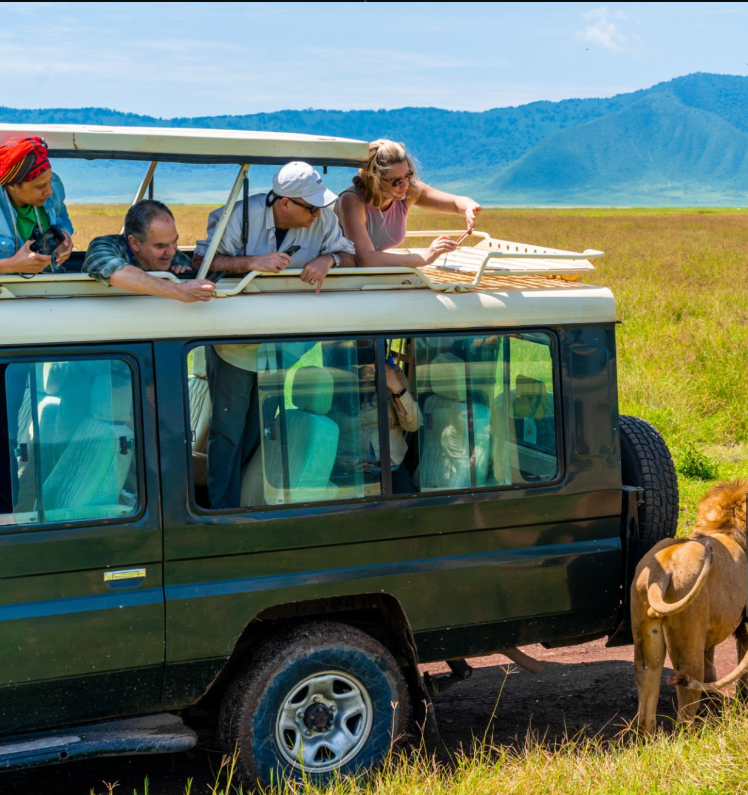
- For game drives within the parks, 4×4 safari vehicles are the most common mode of transport. These vehicles are specially designed for off-road driving and offer excellent visibility for wildlife viewing. Most safari operators provide these vehicles as part of their packages.
- Private Transfers
- If you prefer a more personalized experience, private transfers are available. These can be arranged through your safari operator or hotel and are a great option for traveling between parks or from the airport to your accommodation.
- Self-Drive
- For the more adventurous traveler, self-driving is an option. However, it’s important to note that driving in Tanzania can be challenging due to poor road conditions and limited signage. It’s recommended to hire a local guide if you choose this option.
Accommodations: Budget, Mid-Range, and Luxury

- Budget Accommodations
- Public Campsites: Many national parks offer public campsites with basic facilities like toilets and showers. These are a great option for budget travelers who don’t mind roughing it.
- Hostels and Guesthouses: In towns near the parks, you’ll find budget-friendly hostels and guesthouses. These are a good option if you’re looking for a comfortable bed and a hot shower without breaking the bank.
- Mid-Range Accommodations
- Tented Camps: Tented camps offer a balance between comfort and adventure. They typically have en-suite bathrooms, comfortable beds, and dining facilities. Many are located within the parks, offering easy access to wildlife viewing.
- Lodges: Mid-range lodges offer more amenities than tented camps, including swimming pools, restaurants, and sometimes even Wi-Fi. They’re a great option for travelers who want a bit more comfort without splurging on luxury accommodations.
- Luxury Accommodations
- Luxury Lodges: Tanzania is home to some of the most luxurious safari lodges in Africa. These lodges offer top-notch amenities, including gourmet dining, spa services, and private game drives. Many are located in prime wildlife viewing areas, offering stunning views and exclusive experiences.
- Boutique Hotels: For those who prefer a more intimate setting, boutique hotels offer personalized service and unique design. These are often located in or near the parks and provide a luxurious base for your safari adventures.
Tanzania is a safari destination like no other, offering some of the most incredible wildlife viewing opportunities in the world. Whether you’re witnessing the Great Migration in the Serengeti, exploring the Ngorongoro Crater, or relaxing in a luxury lodge, Tanzania has something for every type of traveler. By understanding the best times to visit, the top places to explore, and the range of accommodations available, you can plan the ultimate Tanzanian safari that meets your needs and exceeds your expectations. So pack your bags, grab your camera, and get ready for the adventure of a lifetime in Tanzania
Related reading: Lake Manyara National Park’s tourist attractions and Getting to Serengeti national park from Arusha Tanzania.
Ready to see it for yourself? Explore our Tanzania safari tours, including the 6 Days Tanzania Wildlife Safari itinerary, or get in touch with our safari experts to start planning your trip.
How to Prepare for Climbing Kilimanjaro
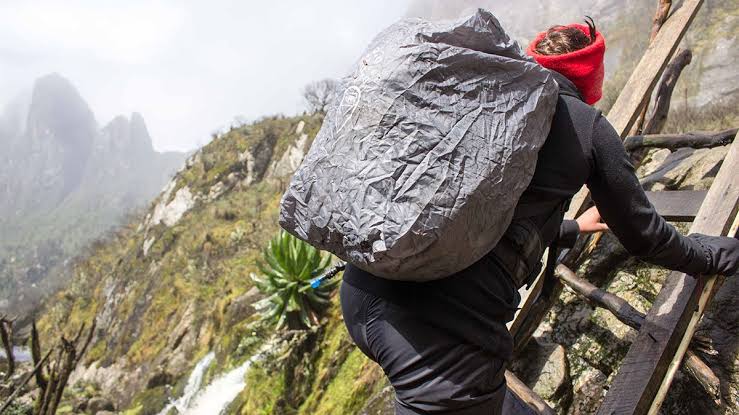
Preparing well is the single most important factor in successfully summiting Mount Kilimanjaro. Unlike technical mountaineering peaks, Kilimanjaro requires no ropes or climbing equipment — but it does demand cardiovascular fitness, mental resilience, and proper acclimatization. Start your preparation at least three months before your climb.
Begin with regular cardiovascular training including hiking, running, cycling, and stair climbing. Aim to hike with a loaded backpack on uneven terrain at least once a week. Strength training focusing on legs and core will help significantly on the steep sections, particularly the Barafu or Stella Point approaches to the summit.
Sleep at altitude before your climb if possible. Even a weekend at a mountain lodge at 3,000m will help your body begin to adapt. On the mountain, the golden rule is “pole pole” — slowly, slowly. Rushing is the most common cause of altitude sickness and failed summits.
Kilimanjaro Routes Compared
There are seven official routes up Kilimanjaro, each with different scenery, difficulty levels, and summit success rates. The most popular routes are:
- Machame Route (6–7 days): Known as the “Whiskey Route” for its challenging terrain, Machame is the most scenic and has a good acclimatization profile. Success rate: ~85% on 7-day itinerary.
- Lemosho Route (7–8 days): Starting from the west, Lemosho offers the most diverse scenery and the best acclimatization profile. Fewer crowds. Success rate: ~90%.
- Marangu Route (5–6 days): The only route with hut accommodation. Called the “Coca-Cola Route,” it is the shortest but has the lowest success rate (~65%) due to insufficient acclimatization time.
- Rongai Route (6–7 days): The only route approaching from the north, near the Kenyan border. Drier and less crowded, with good wildlife sightings in the lower zone.
- Northern Circuit (9 days): The longest route with the highest success rate (~95%). Circles the entire northern hemisphere of the mountain before the summit push.
Recommended Tours: 7 Days Kilimanjaro Climbing Machame Route | 8 Days Kilimanjaro Lemosho Route