Is Mount Kenya harder than Kilimanjaro?
June 10, 2026Are there guided hikes in Hell’s Gate in Kenya?
June 10, 2026
Mount Kenya, Africa’s second-highest peak after Kilimanjaro, stands majestically in central Kenya, offering an unforgettable hiking experience for adventure seekers. Known for its rugged beauty, glacier-clad peaks, and diverse ecosystems, Mount Kenya is a haven for nature lovers and climbers. One of the most commonly asked questions by aspiring trekkers is: what is the best time to hike Mount Kenya?
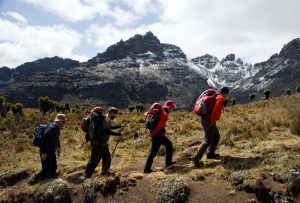
In this comprehensive guide, we’ll explore the different seasons, climate patterns, trail conditions, and practical tips to help you determine the best time to hike Mount Kenya.
Understanding Mount Kenya’s Climate
Before determining the best time to hike, it’s crucial to understand the mountain’s weather patterns. Mount Kenya has a tropical alpine climate, which means temperatures can vary widely depending on the altitude. The lower slopes are warm and humid, while the higher elevations experience freezing temperatures, especially at night.
There are two main dry seasons and two rainy seasons that significantly affect trekking conditions:
- Dry Seasons: January to March, and July to October
- Rainy Seasons: April to June (long rains) and November to early December (short rains)
These seasons play a critical role in deciding the best time to hike the mountain.
January to March: Dry and Scenic
The period between January and March is considered one of the best times to hike Mount Kenya. These months fall in the dry season, offering relatively clear skies, warm daytime temperatures, and less precipitation.
Pros:
- Excellent visibility for photography
- Comfortable hiking conditions
- Lower chance of rain
- Opportunities to spot wildlife on the lower slopes
Cons:
- Can be busy with other hikers
- Night temperatures can drop significantly
For climbers aiming to summit Point Lenana, the third-highest peak (and the only one accessible without technical climbing), this season offers an ideal balance of safety and scenery.
July to October: Prime Trekking Window
The period from July through October is widely regarded as another best time to hike Mount Kenya. This dry season is popular due to its cool but stable weather.
Pros:
- Dry trails and easier ascents
- Clear views of the mountain and surrounding landscapes
- Less cloud cover, ideal for stargazing
Cons:
- Cooler and windier, especially at higher altitudes
- Peak travel season in Kenya, leading to more crowds
If you’re planning a hike during this time, booking early is advised. The clear weather makes it perfect for both trekking and high-altitude photography.
April to June: The Long Rainy Season
The long rains, which span April through June, are not the best time to hike Mount Kenya. Trails can be muddy and slippery, and heavy rains may cause minor landslides or obstruct paths.
Pros:
- Fewer tourists, offering a more solitary experience
- Lush vegetation and blooming flowers
- Discounted rates for accommodation and tours
Cons:
- Wet, slippery, and dangerous trail conditions
- Reduced visibility due to heavy clouds and mist
- Increased risk of hypothermia from damp gear and cold nights
Though challenging, experienced and well-equipped hikers may still undertake treks during this season. However, it’s not recommended for beginners.
November to December: The Short Rainy Season
The short rains from November to early December bring intermittent showers and cloudy conditions. While this may not be the absolute best time to hike, it’s still feasible for those prepared for varying weather conditions.
Pros:
- Fewer crowds
- Bursts of green vegetation and renewed wildlife activity
- Mild temperatures
Cons:
- Rain can still make trails treacherous
- Potential for unexpected weather changes
During this period, hikers should bring waterproof gear, appropriate footwear, and flexibility in scheduling. It can be an adventurous time to explore Mount Kenya’s beauty in solitude.
Altitude and Acclimatization
No matter the best time to hike, one thing that remains constant is the importance of altitude acclimatization. Mount Kenya’s rapid ascent can pose a risk for altitude sickness. It’s advisable to plan your hike over several days, allowing your body to adjust to the elevation gradually.
Choose routes like the Sirimon or Chogoria that provide natural acclimatization profiles. Spending a night or two at mid-altitude camps also helps minimize the risk of Acute Mountain Sickness (AMS).
Trail Options and Seasonal Considerations
Different trails on Mount Kenya can offer unique experiences depending on the season:
- Sirimon Route: Best accessed during the dry seasons. Offers gradual elevation and scenic views.
- Chogoria Route: Considered the most beautiful. Best used in dry months to enjoy waterfalls, lakes, and bamboo forests.
- Naro Moru Route: Popular but steeper. Can become impassable during the rainy seasons.
Selecting the best time to hike also means picking the right route for your experience level and interest.
Flora and Fauna by Season
The changing seasons influence the mountain’s unique biodiversity:
- Dry Seasons: Easier wildlife sightings (buffalo, antelope, hyraxes). Less dense vegetation.
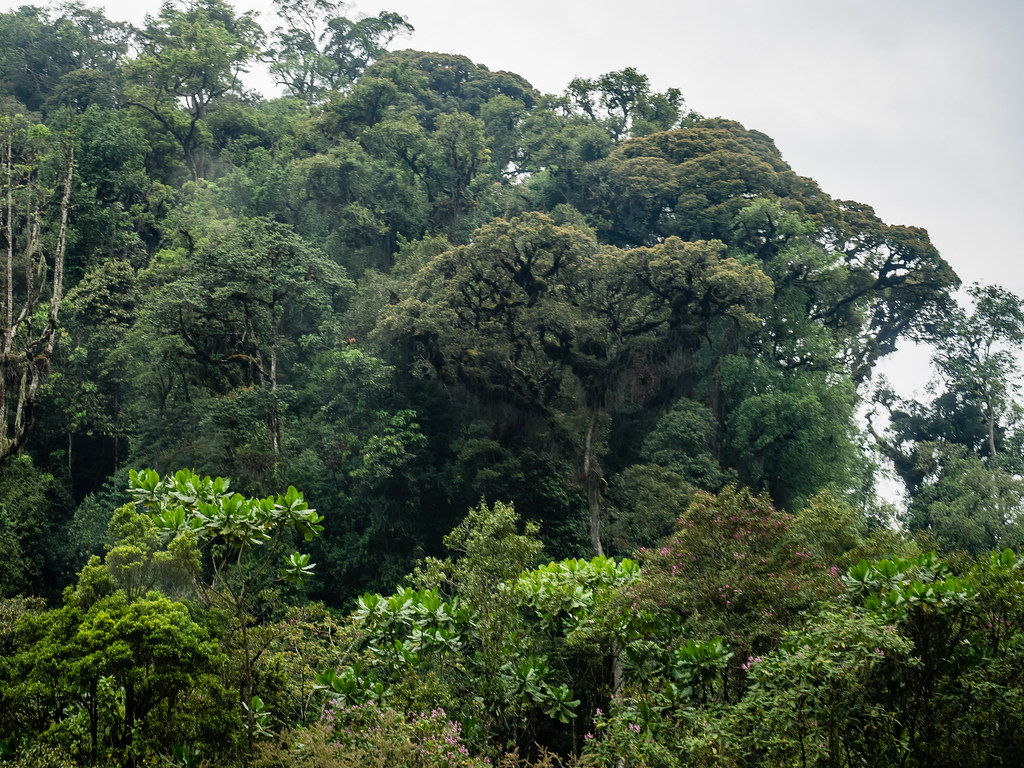
- Rainy Seasons: Rich floral displays and active birdlife. The forest zones bloom with wildflowers, creating a vibrant trekking backdrop.
If your interest lies in flora or birdwatching, the early rainy months may actually be the best time to hike for these specific experiences.
Gear and Packing Tips for Each Season
Being well-prepared can make or break your Mount Kenya trek. Here’s what to consider depending on the best time to hike:
- Dry Season Essentials:
- Sunscreen, sunglasses, and wide-brimmed hat
- Lightweight breathable layers for the day
- Insulated clothing for chilly nights
- Rainy Season Essentials:
- Waterproof jacket, pants, and backpack cover
- Extra socks and dry bags
- Trekking poles for slippery terrain
A good sleeping bag rated for sub-zero temperatures is a must regardless of season.
Crowd Considerations
High season (January-March, July-October) attracts many trekkers. If solitude is important to you, consider hiking during shoulder months or off-peak weeks. While the rainy season is less popular, it offers a quieter trail experience—ideal for those seeking peace and personal reflection in nature.
Festivals and Events
Timing your hike with local festivals can enrich your experience:
- Maralal Camel Derby (August): Pair your Mount Kenya hike with a cultural experience.
- Mount Kenya Climb-a-thon (varies): Organized treks that include group hiking with experienced guides.
If you’re aiming to align your trek with such events, make sure to plan accordingly and secure permits early.
So, what is the best time to hike Mount Kenya? The answer ultimately depends on your preferences and priorities:
- For clear skies and excellent conditions: January–March or July–October
- For budget and solitude: April–June or November–December
- For photography and scenery: January–March
- For wildlife and wildflowers: Early rainy seasons
No matter the season, proper planning, fitness preparation, and gear selection will greatly enhance your Mount Kenya experience.
All in Africa Safaris Team can advise you on the best time to hike Mount Kenya depends on what kind of adventure you seek. Whether it’s the dry clarity of the high season or the lush vibrancy of the rains, each period offers something special. By understanding the seasonal nuances and preparing accordingly, you’ll be well on your way to an unforgettable journey up Kenya’s tallest and most captivating mountain. Book Now!