Mount Kenya and Mount Kilimanjaro are the two tallest mountains in Africa, standing as iconic challenges for trekkers and climbers from around the world. Mount Kilimanjaro, located in Tanzania, is the tallest at 5,895 meters (19,341 feet), while Mount Kenya, in Kenya, is slightly shorter at 5,199 meters (17,057 feet). However, when it comes to the question of difficulty, many mountaineers argue that Mount Kenya is harder than Kilimanjaro.
Mount Kenya
In this article, we’ll explore the terrain, technical requirements, altitude, routes, and overall experience to determine if Mount Kenya is indeed more challenging than Kilimanjaro.
Comparing the Two Peaks
Mount Kenya is an extinct stratovolcano located in central Kenya, surrounded by a UNESCO-listed national park. It consists of three main peaks: Batian (5,199m), Nelion (5,188m), and Lenana (4,985m). Batian and Nelion require technical climbing skills, while Lenana is a popular trekking destination.
Kilimanjaro, also an extinct volcano, is made up of three cones: Kibo, Mawenzi, and Shira. The highest point, Uhuru Peak, is on Kibo. Unlike Mount Kenya, summiting Kilimanjaro typically doesn’t require technical climbing.
Technical Difficulty
One of the biggest differences lies in the technical requirements. Mount Kenya’s two main peaks, Batian and Nelion, require rock climbing and alpine mountaineering experience. This means the use of ropes, harnesses, and ice axes is often necessary. Climbers often rope up for glacier travel and multi-pitch climbs, especially on routes like the Normal Route or the North Face Standard Route.
Kilimanjaro, on the other hand, is a trek rather than a climb. The most popular routes, such as Marangu, Machame, and Lemosho, are long hikes that require no technical skills. Most trekkers reach the summit without needing ropes or specialized equipment.
This makes significantly more demanding for anyone attempting the true summit peaks. Even Point Lenana, though less technical, is still steeper and more rugged than most Kilimanjaro trails.
Altitude and Acclimatization
Altitude is a crucial factor in mountain trekking. Kilimanjaro is taller than Mount Kenya, and its high elevation often leads to altitude sickness. Many trekkers report feeling dizzy, nauseous, or fatigued due to rapid altitude gain.
However, Mount Kenya offers better acclimatization opportunities due to its varied routes and the nature of the ascent. Climbers can spend more time ascending gradually, which helps the body adjust to the altitude.
So while Kilimanjaro is higher, Mount Kenya allows for better adaptation, especially on multi-day expeditions.
Route Variety and Scenery
Kilimanjaro has a range of trekking routes with varying lengths and difficulty levels. The Marangu Route is the only one with hut accommodations, while others like Machame and Lemosho involve camping. The trails pass through diverse ecological zones, from rainforest to alpine desert to arctic summit.
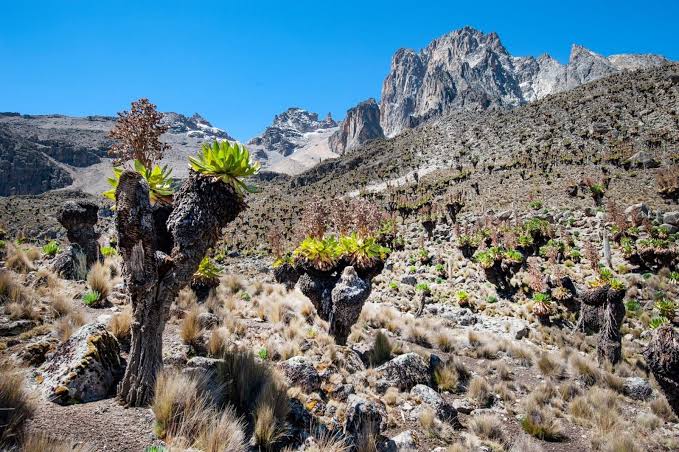
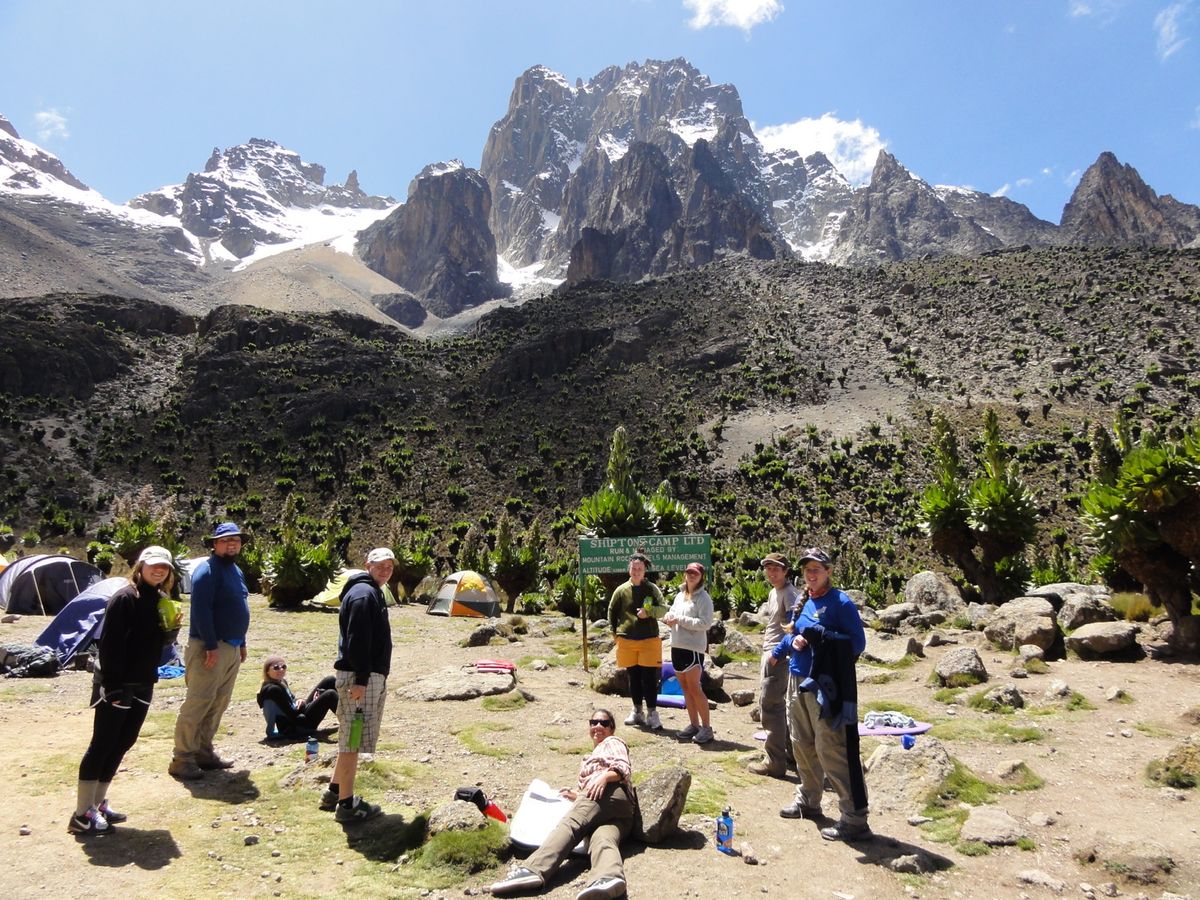
Mount Kenya also boasts scenic diversity, with bamboo forests, alpine meadows, and glacier-covered peaks. The main trekking routes to Point Lenana include Naro Moru, Sirimon, and Chogoria, each offering different landscapes and difficulty levels. The Chogoria route is often considered the most beautiful, with waterfalls, tarns, and panoramic ridges.
Mount Kenya’s steeper, narrower trails and unpredictable weather make the trek more intense compared to the more gently graded Kilimanjaro paths.
Physical and Mental Challenge
Kilimanjaro is longer in terms of altitude gain and can be grueling due to the thin air near the summit. Summit night, in particular, is known for its harsh cold, long hours of walking in the dark, and fatigue. However, the trails are straightforward.
In contrast, Mount Kenya demands more agility, stamina, and sometimes climbing skills. The terrain is rockier and more rugged. Those climbing Batian or Nelion must contend with vertical faces and the need to belay partners, plan pitches, and deal with exposure.
Mentally, Mount Kenya poses greater challenges due to its technical sections and the mental strain of navigating tougher terrain.
Weather Conditions
Kilimanjaro has relatively predictable weather patterns. Many trekkers choose dry seasons (January-March and June-October) to avoid rain and snow.
Mount Kenya, being closer to the equator and with more complex terrain, often experiences sudden changes in weather. Rain, fog, and snowfall can occur even during drier months, making routes slippery and risky.
The mountain’s rugged terrain combined with unpredictable weather makes it more of a mountaineering challenge than a high-altitude hike.
Wildlife and Wilderness Experience
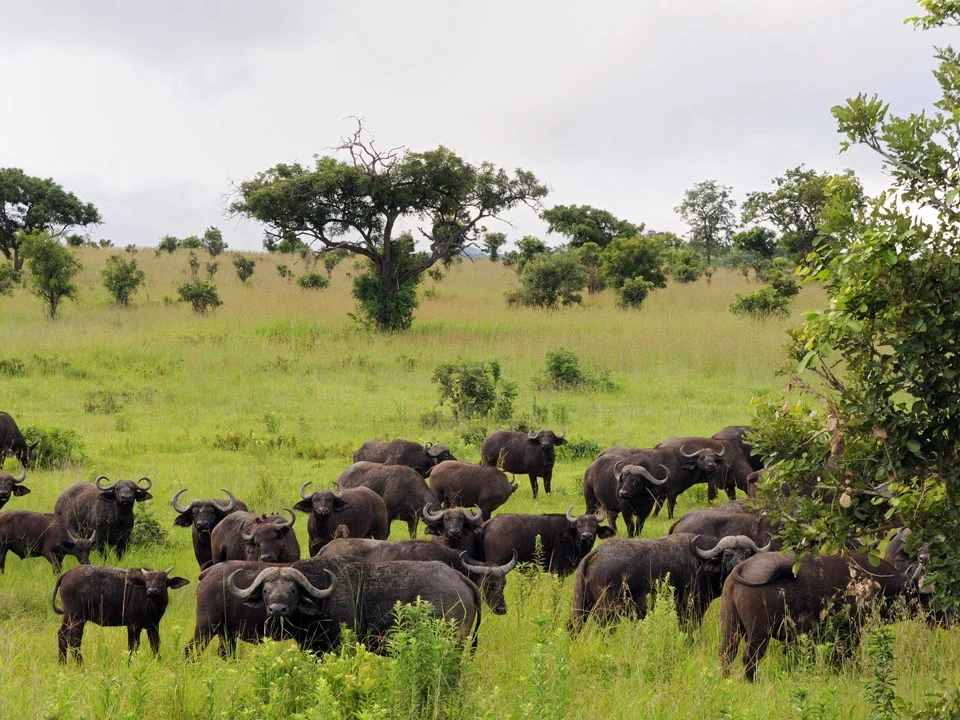
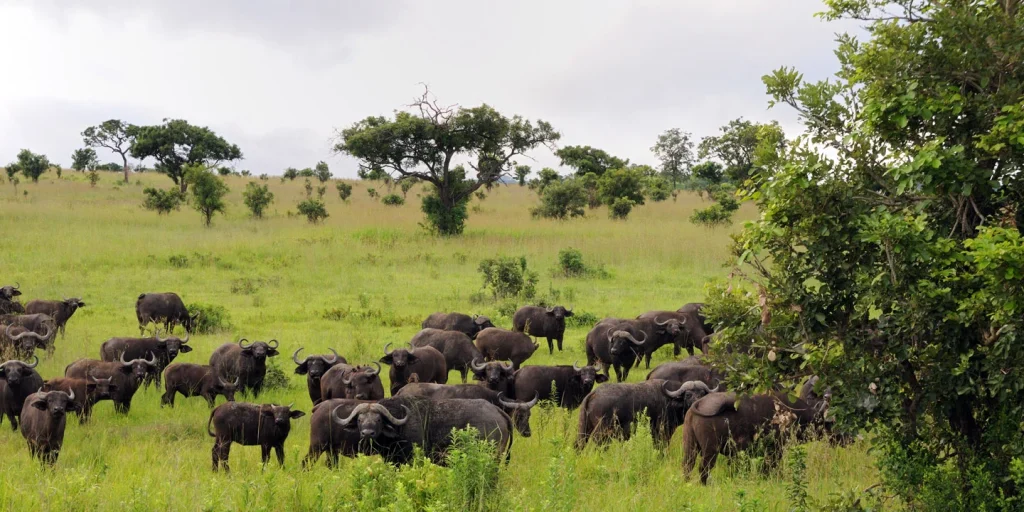
While both mountains are located in national parks with rich biodiversity, Mount Kenya often feels wilder and more remote. You’re more likely to encounter wildlife such as colobus monkeys, buffalo, and even elephants near the forest zones.
Kilimanjaro’s lower slopes also support wildlife, but the volume of tourists can make encounters less common. The higher traffic also affects the sense of solitude, especially on popular routes.
If you’re seeking a more pristine, less-commercialized trekking experience, Mount Kenya may feel more authentic.
Accessibility and Crowds
Kilimanjaro is one of the most popular trekking destinations in the world. It receives tens of thousands of climbers annually. This popularity means better infrastructure, more guides, porters, and standardized logistics.
Mount Kenya, while popular in Kenya and among experienced climbers, receives fewer international trekkers. This means fewer crowds, but also fewer services and amenities on the trail.
If you prefer quiet trails and a more personal experience, Mount Kenya is often more appealing.
Cost Comparison
Climbing Kilimanjaro can be expensive due to park fees, mandatory guides, and porter services. Packages often cost between $1,500 and $3,000, depending on the route and operator.
Mount Kenya is generally more affordable, especially for treks to Point Lenana. However, technical climbs to Batian and Nelion can add to the cost due to the need for specialized guides and gear.
Still, for budget-conscious adventurers looking for a quality high-altitude experience, Mount Kenya offers good value.
Safety Considerations
Both mountains are relatively safe when guided by professionals. However, Kilimanjaro’s altitude means a higher risk of Acute Mountain Sickness (AMS). Rescue operations are well-established, and many routes have evacuation plans.
Mount Kenya, particularly on the technical routes, poses greater physical risk due to climbing hazards. Falls, rockslides, or sudden storms can endanger climbers. Proper training and the use of qualified guides are essential.
Therefore, while both mountains require preparation, Mount Kenya demands more technical awareness.
Who Should Climb Mount Kenya?
Mount Kenya is ideal for climbers who:
- Have prior hiking or mountaineering experience
- Seek a less crowded trail
- Want a more technical challenge
- Are interested in climbing with ropes
- Enjoy diverse terrain and wildlife
Point Lenana is suitable for moderately fit trekkers, while Batian and Nelion are best left to experienced alpinists.
Who Should Climb Kilimanjaro?
Kilimanjaro is perfect for those who:
- Want to summit the tallest peak in Africa
- Are first-time high-altitude trekkers
- Prefer a guided experience with full support
- Seek a straightforward trek without climbing
- Want to challenge their endurance without technical skills
Its routes cater to a broader range of trekkers, including beginners with good fitness.
Final Verdict: Is Mount Kenya Harder Than Kilimanjaro?
In most ways, Mount Kenya is harder than Kilimanjaro. Its steeper terrain, technical climbing sections, and unpredictable weather demand more preparation and skill. Even trekking routes like Point Lenana are more rugged and physically demanding than Kilimanjaro’s paths.
However, Kilimanjaro’s higher altitude poses a serious challenge to many due to the risk of AMS. It may be taller, but it is easier to hike thanks to its well-trodden trails and non-technical routes.
Ultimately, both mountains offer unique experiences. Those looking for a challenging, less commercialized, and technically diverse climb will find Mount Kenya to be the superior adventure. For trekkers aiming to conquer Africa’s highest peak with fewer technical demands, Kilimanjaro is an excellent choice.
No matter which peak you choose, climbing either mountain is a rewarding journey into Africa’s breathtaking alpine wilderness. Book your trip through All in Africa Safaris!
Recommended Tours: 6 Days Kilimanjaro Hiking Safari | 6 Days Tanzania Wildlife Safari