
Buganda Kingdom Heritage Trail: Royal Sites Around Kampala
Kampala is known for its busy streets, markets and growing business centres, but the city also preserves an important part of Uganda’s royal history. The Buganda Kingdom, one of the country’s oldest traditional institutions, has several cultural landmarks where visitors can learn about kingship, traditional architecture and the customs of the Baganda people.
Exploring the Buganda Kingdom heritage trail gives you an opportunity to visit royal palaces, burial grounds, historical buildings and ceremonial roads. Many attractions are located within Kampala, making it possible to explore several sites in one day.
This guide explains which places to visit, what you can expect and how to organise a rewarding cultural tour around Uganda’s capital.
Understanding the Buganda Kingdom
Buganda is a traditional kingdom in central Uganda, with Kampala located within its historical territory. Its people are known as the Baganda, and their main language is Luganda.
The kingdom is headed by the Kabaka, whose position carries considerable cultural importance.
Buganda has a long history of organised leadership, clan traditions and royal ceremonies. Although Uganda operates under a national government, traditional institutions continue to preserve cultural identity and customs.
Royal sites around Kampala help visitors understand this history through buildings, monuments and stories passed between generations.
A knowledgeable local guide can explain the meaning of these places and the traditions connected to them.
Main Attractions Along the Buganda Kingdom Heritage Trail
Several royal landmarks form the foundation of a cultural tour around Kampala.
| Heritage site | Location | Main attraction | Suggested time |
|---|---|---|---|
| Kasubi Royal Tombs | Kasubi, Kampala | Royal burial grounds | 1–2 hours |
| Kabaka’s Palace | Mengo, Kampala | Royal history and palace grounds | 1–2 hours |
| Bulange Parliament | Mengo, Kampala | Kingdom administration | 30–60 minutes |
| Royal Mile | Mengo, Kampala | Ceremonial royal road | 20–30 minutes |
| Kabaka’s Lake | Ndeeba area | Historical artificial lake | 30–45 minutes |
| Wamala Royal Tombs | Wakiso District | Burial place of Kabaka Ssuuna II | 1–2 hours |
These timings are estimates. Actual visiting arrangements depend on access, traffic and the activities included.
1. Kasubi Royal Tombs
A UNESCO World Heritage Site
The Kasubi Royal Tombs are among Uganda’s most important cultural landmarks.
Located on Kasubi Hill, the site serves as the burial ground of four former Kabakas of Buganda.
UNESCO recognises the tombs for their cultural significance, traditional architecture and continuing importance to the kingdom.
The main royal structure, Muzibu Azaala Mpanga, is particularly associated with traditional building techniques involving timber, reeds and thatching materials.
A major fire damaged the site in 2010, leading to an extensive restoration programme. The restoration work has progressed considerably, although visitors should confirm current access arrangements before travelling.
What You Can Learn
A guided visit introduces you to the history of Buganda’s former kings and the customs associated with royal burial ceremonies.
You can learn about traditional building materials, royal succession and the responsibilities of people who maintain the sacred grounds.
Some areas may have restricted access because the tombs remain culturally and spiritually important.
Follow your guide’s instructions and ask permission before taking photographs.
2. Kabaka’s Palace in Mengo
Historical Importance
The Kabaka’s Palace, commonly called Lubiri, stands in Mengo, one of Kampala’s historically important neighbourhoods.
The palace grounds represent the authority and traditions of Buganda’s monarchy.
The site also carries memories of Uganda’s difficult political history.
In 1966, government forces attacked the palace during a confrontation between the central government and Kabaka Edward Mutesa II.
The event changed the country’s political direction and remains an important part of Buganda’s history.
Exploring the Palace Grounds
Visitors can learn about the royal compound through organised guided tours.
The historical palace building is generally viewed from designated areas rather than treated as an ordinary museum with unrestricted access.
Your guide may explain the palace’s architecture, former functions and connection to the kingdom’s political development.
The grounds also contain places associated with the period when the compound was used by security forces.
3. The Former Torture Chambers
One of the most sobering places within the Mengo palace grounds is the former underground detention facility associated with Idi Amin’s government.
During Uganda’s troubled political years, prisoners were reportedly detained and tortured in these chambers.
Today, the site helps visitors understand a painful chapter of national history.
A guided visit may include explanations about the cells, their use and the experiences of people held there.
This attraction requires a respectful approach.
Avoid treating the chambers as entertainment, and remember that the stories concern real human suffering.
Families travelling with young children should consider whether this section is appropriate.
4. Bulange, Buganda’s Parliament Building
Bulange is the administrative headquarters of the Buganda Kingdom and the meeting place of its parliament, known as the Lukiiko.
The building stands in Mengo, opposite the palace along the ceremonial Royal Mile.
Its architecture and setting make it one of Kampala’s recognisable cultural landmarks.
Visitors can learn about the kingdom’s traditional administration, leadership structure and continuing cultural activities.
However, Bulange remains a working institution.
Access to offices, meeting rooms and other sections may be restricted, particularly during official activities.
Ask about authorised tours before arriving, and respect security instructions at the entrance.
5. The Royal Mile
The Ceremonial Road Between Royal Buildings
The Royal Mile, also known as Kabaka Anjagala Road, connects the palace and Bulange.
This straight road forms an important part of Mengo’s royal landscape.
Its location reflects the relationship between the Kabaka’s residence and the kingdom’s administrative headquarters.
Walking along an accessible section allows visitors to appreciate the area’s layout and observe important landmarks.
You can also take photographs of the road and surrounding buildings.
Use designated pedestrian areas and avoid obstructing traffic.
A guide can explain the symbolism associated with the route and its role during royal occasions.
6. Kabaka’s Lake
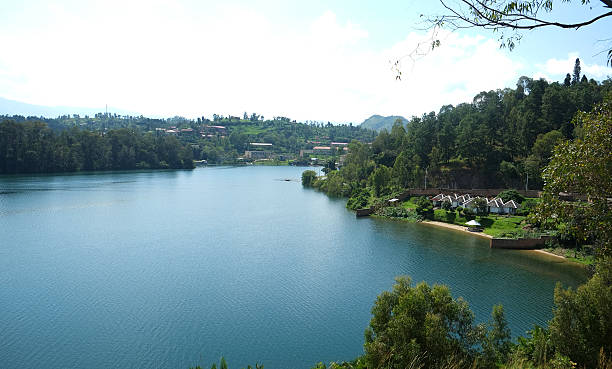
Kabaka’s Lake is a historic man-made lake located near Mengo.
Its construction began during the reign of Kabaka Mwanga II in the nineteenth century.
The lake was originally associated with a proposed waterway connecting the royal area with Lake Victoria, although that wider project was never completed.
Today, it provides a quieter stop away from Kampala’s busiest streets.
Visitors can observe the water, take photographs and learn about the ambitious plans behind its construction.
The surrounding area is also useful for birdwatching.
However, the lake is not a designated swimming destination, and visitors should avoid entering the water.
7. Wamala Royal Tombs
Wamala Royal Tombs lie outside central Kampala in Wakiso District.
The site is associated with Kabaka Ssuuna II, who ruled Buganda during the nineteenth century.
Compared with the more frequently visited Kasubi Tombs, Wamala offers a quieter cultural experience.
Visitors interested in royal history can learn about traditional burial practices and the importance of earlier Buganda rulers.
The site is particularly suitable for travellers who want a more detailed heritage tour.
Because it is outside central Kampala, allow additional driving time and confirm arrangements before departure.
Planning Your Buganda Heritage Tour
A full day is usually sufficient to visit several principal royal sites within Kampala.
However, including Wamala Royal Tombs may require a longer day or a separate excursion.
Suggested One-Day Itinerary
| Time | Activity |
|---|---|
| 8:30 am | Depart your Kampala accommodation |
| 9:00 am | Guided visit to Kasubi Royal Tombs, subject to access |
| 11:00 am | Explore Mengo Palace |
| 12:30 pm | Visit the Royal Mile and Bulange exterior |
| 1:30 pm | Lunch break |
| 2:30 pm | Stop at Kabaka’s Lake |
| 3:30 pm | Additional cultural visit or return journey |
The schedule is flexible and should be adjusted for traffic, opening arrangements and guided-tour availability.
Kampala traffic can become heavy during morning and evening commuting hours.
Hiring a knowledgeable driver and local cultural guide can make the journey easier.
Best Time to Visit Royal Heritage Sites
You can explore Kampala’s cultural attractions throughout the year.
The relatively drier periods between December and February and June and August often provide comfortable conditions for outdoor visits.
Rainfall is generally more frequent during March to May and September to November.
However, Kampala’s weather can change unexpectedly.
Morning visits are usually convenient because temperatures are often comfortable and you have enough time to explore several locations.
Weekdays may be suitable for visits to administrative landmarks, although official meetings can affect access.
Confirm arrangements directly before travelling.
Cultural Etiquette and Visitor Responsibilities
Royal landmarks deserve respectful behaviour because many remain active cultural or ceremonial places.
Dress modestly, especially when visiting burial grounds or areas associated with traditional ceremonies.
Ask your guide whether shoes, hats or particular clothing items must be removed before entering restricted spaces.
Always seek permission before photographing people, ceremonial objects or sensitive buildings.
Avoid interrupting cultural activities or entering areas marked as private.
If you meet cultural custodians, listen carefully and follow their guidance.
A respectful attitude helps preserve the dignity of these important places.
Frequently Asked Questions
Is the Buganda Kingdom still active?
Yes. Buganda continues to function as a traditional cultural institution with a Kabaka, administrative structures and recognised cultural responsibilities.
Can tourists enter the Kabaka’s Palace?
Guided visits are generally available to designated sections of the palace grounds. Access to royal buildings and private areas is restricted.
Are the Kasubi Tombs open to visitors?
Visitor arrangements have changed during restoration. Confirm which areas are accessible before including the tombs in your itinerary.
How much does a heritage tour cost?
Costs vary according to admission arrangements, guiding services, transport and the number of attractions visited. Request an updated quotation before travelling.
Can children join the tour?
Yes. Most royal sites are suitable for families, although adults should consider the sensitive historical material presented at the former detention chambers.
The Buganda Kingdom heritage trail offers a meaningful introduction to Kampala’s royal history and cultural traditions.
Kasubi Royal Tombs, Mengo Palace, Bulange and the Royal Mile provide opportunities to understand how the kingdom developed and how its institutions continue to operate.
Adding Kabaka’s Lake or Wamala Royal Tombs gives you a broader experience.
With a knowledgeable guide, sensible planning and respect for local customs, you can enjoy an informative cultural journey through some of Kampala’s most important historical places.