Ruhija Sector Gorilla Trekking: What to Expect on the Trail
Ruhija sector gorilla trekking sits at the highest elevation of Bwindi Impenetrable National Park’s four trekking sectors, and that altitude shapes almost everything about the experience, from cooler morning temperatures to some of the best birding found anywhere in the park. Positioned on the eastern edge of Bwindi, Ruhija tends to see fewer visitors than Buhoma or Rushaga, which appeals to travelers who want a genuinely wild, less-trafficked trekking experience. This guide covers what actually happens on a Ruhija trekking day, from the cooler pre-dawn briefing to the specific families that call this high-forest sector home.
Why Ruhija Feels Different From Other Bwindi Sectors
Sitting at over 2,300 meters above sea level, Ruhija is noticeably cooler than the lower-altitude sectors, and mornings here often start with a genuine chill that catches first-time trekkers off guard if they’ve packed only for tropical heat. The elevation also means the forest itself looks and sounds different, denser understory, more montane bird species, and a slightly different mix of vegetation than what you’d find trekking from Buhoma. This combination of altitude, relative remoteness, and biodiversity gives Ruhija a distinct character among Bwindi’s four sectors.
Getting to Ruhija
Ruhija is reachable by road from Kabale town, roughly an hour and a half away, making it a natural stopover for travelers already routing through southwestern Uganda toward Lake Bunyonyi or the Rwanda border. From Kampala, the drive takes upward of nine hours, so most visitors combine Ruhija with other stops along a broader southwestern circuit rather than treating it as an isolated day trip. The road into Ruhija itself climbs steadily through terraced hillsides, offering some of the most scenic driving of any approach to Bwindi.
The Gorilla Families of Ruhija
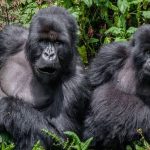
Ruhija is home to several habituated gorilla families, each assigned a dedicated tracking team that monitors their movements daily across this sector’s forested slopes. As with the rest of Bwindi, family composition shifts gradually as infants are born and young males eventually leave to establish their own groups, meaning even seasoned trekkers rarely encounter an identical experience twice. Rangers assign trekkers to specific families each morning based on that day’s tracking reports and permit allocations, so the exact group you’ll meet typically isn’t confirmed until the pre-trek briefing.
What the Trail Actually Feels Like
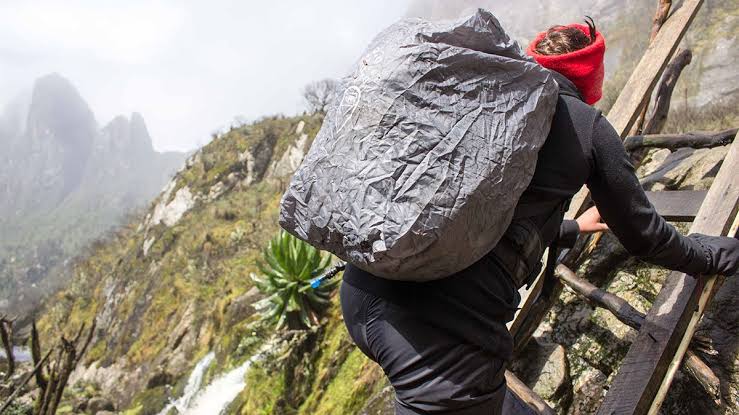
Ruhija’s trails can be genuinely demanding, with steep, forested terrain that tests fitness even on a good day, and the higher altitude means trekkers can feel more winded on inclines than they might expect based on distance alone. The reward for this effort is a forest that feels remarkably untouched, thick with hanging vines, moss-covered trunks, and a chorus of birdlife that makes the walk itself a genuine highlight rather than simply a means to an end. Trackers head out at first light to locate the gorillas’ overnight position, radioing updates to guide the most efficient route for each trekking group.
Trail Difficulty and Fitness Level
Ruhija is generally considered one of the more physically demanding sectors in Bwindi, and travelers with any concerns about fitness should discuss this honestly with their operator when booking, since ranger teams can sometimes accommodate specific requests around trail difficulty. Hiring a porter at the trailhead is genuinely worthwhile here, both for practical support on steep, muddy sections and as direct income for community members who depend on this seasonal work. Trekking poles and proper waterproof hiking boots make a meaningful difference on Ruhija’s steeper stretches.
Ruhija’s Birding Reputation
Beyond gorilla trekking itself, Ruhija has built a strong reputation among birders as one of Uganda’s premier birding locations, home to numerous Albertine Rift endemic species found in few other places on earth. The Mubwindi Swamp trail, accessible from Ruhija, draws dedicated birding groups independent of any gorilla trekking plans, and travelers combining both interests often extend their Ruhija stay by an extra day specifically for a guided birding walk. This dual appeal, gorillas and genuinely world-class birding, sets Ruhija apart from Bwindi’s other sectors.
Weather and Best Time to Trek in Ruhija
Ruhija’s higher altitude means it stays cooler than the rest of Bwindi throughout the year, and rain gear matters here even during the drier months given how quickly weather can shift at this elevation. The two dry seasons, June through September and December through February, offer firmer trail conditions, though Ruhija’s forest stays lush and misty regardless of season, part of what gives it such a distinctive atmosphere. Packing genuinely warm layers for the early morning briefing, not just rain protection, is worth prioritizing for this particular sector.
Where to Stay Near Ruhija
Accommodation options around Ruhija are fewer and generally more modest than Buhoma’s developed lodge scene, though several genuinely excellent properties have opened in recent years catering specifically to travelers prioritizing this sector’s birding and trekking combination. Booking accommodation well ahead of your trekking date matters more in Ruhija than in busier sectors simply because there are fewer beds available overall, and popular properties can fill up during peak trekking season.
Ruhija vs Other Bwindi Sectors
Compared to Buhoma’s established infrastructure or Rushaga’s wide selection of gorilla families and permits, Ruhija’s draw is its relative quiet, cooler climate, and standout birding. Nkuringo offers a similarly remote feel but without Ruhija’s birding reputation, while Rushaga in the deep south handles the largest volume of permits of any single sector. Choosing between them typically comes down to your broader travel route, fitness level, and whether birding factors into your itinerary alongside the primary gorilla trekking goal.
What to Pack for a Ruhija Trek
Layered clothing is essential here given the temperature swing between a cold pre-dawn briefing and a genuinely warm midday trek, alongside sturdy waterproof boots, gardening gloves, and a daypack with rain cover for camera gear. Binoculars are worth prioritizing more here than in other sectors given Ruhija’s exceptional birdlife, and travelers serious about birding should consider packing a dedicated field guide or downloading an offline bird identification app before arriving.
Combining Ruhija With a Wider Southwestern Uganda Route
Ruhija’s position near Kabale makes it a natural link between Bwindi and Lake Bunyonyi, one of Uganda’s most scenic freshwater lakes, and many itineraries build in a night or two at Bunyonyi either before or after the trek to unwind on the water and explore its terraced island scenery. From Ruhija, the drive onward to the Rwanda border and Volcanoes National Park is also relatively short, making it genuinely practical to combine Ruhija’s high-altitude Uganda trek with a Rwanda gorilla trekking leg on the same trip without excessive backtracking.
Common Questions About Ruhija Sector Trekking
Visitors often ask whether the altitude itself causes any health concerns, and while Ruhija’s elevation is nowhere near what’s associated with genuine altitude sickness, the cooler air and steeper trails do mean the trek feels more physically demanding than the distance alone would suggest. Another frequent question involves the Mubwindi Swamp birding trail specifically, and whether it can be combined with gorilla trekking on the same day; most operators recommend treating them as separate activities given how much a full trekking day already demands physically. Travelers also ask about clothing for the cold morning briefing, and packing a proper warm layer for the pre-dawn wait, not just rain gear, makes a genuine difference to comfort before the trek gets underway.
Safety and Ranger Guidance in Ruhija
Armed rangers accompany every trekking group in Ruhija, primarily as protection against forest buffalo and other wildlife rather than any threat from the gorillas themselves, and their presence reflects Uganda Wildlife Authority’s broader commitment to visitor safety across all four Bwindi sectors. Guides brief every group thoroughly on maintaining the required distance from the gorillas, staying quiet during the actual encounter, and following instructions immediately if a ranger signals the group to move, all of which matters just as much in Ruhija’s steep, forested terrain as anywhere else in the park. Trekkers with any pre-existing respiratory conditions should mention this during booking, since gorillas are susceptible to human illnesses and Uganda Wildlife Authority may restrict participation for anyone showing symptoms of a cold or flu on trekking day.
After the Encounter: Certificates and the Walk Back Out
Once your hour with the gorilla family ends, the walk back to the ranger station retraces much of the same terrain, and by this point fatigue tends to set in, making the trekking poles and porter support arranged earlier in the day feel considerably more valuable on the return leg. Back at the station, successful trekkers receive a certificate confirming their gorilla trek, a small but genuinely popular keepsake, before heading back to their lodge for a well-earned rest. Many Ruhija lodges offer a late lunch or early dinner specifically timed around typical return times from the trail, understanding that trekkers arrive back hungry and thoroughly spent after a full day on the mountain.
Booking Your Ruhija Gorilla Trekking Permit
Permits for Ruhija should be secured well in advance through an established operator, particularly if your itinerary depends on combining gorilla trekking with the sector’s birding trails or a wider southwestern Uganda route through Lake Bunyonyi and the Rwanda border. A knowledgeable operator can also advise honestly on whether Ruhija’s more demanding terrain suits your specific fitness level compared to Bwindi’s gentler sectors, helping you choose the gorilla trekking experience that best matches your travel goals.
Recommended Tours: 4 Days Uganda Gorilla and Chimpanzee Tour | 10 Days Ultimate Uganda Gorilla & Big Five Safari