Burundi Travel Guide: Lake Tanganyika Beaches and Bujumbura Stops
This Burundi travel guide is for travellers who want to spend time on the shores of Lake Tanganyika and see a little of Bujumbura without rushing through the country. Two nights in the city give you one full day for a waterfront meal and a short history or culture stop. With a third night, you can consider an inland visit to the Gishora Drum Sanctuary near Gitega, provided current travel advice supports your route.
Two details should shape the trip. First, plan to enjoy Lake Tanganyika from the shore rather than swim in it. Second, as of November 2026, several governments advise against travel to parts of Burundi, and some advise reconsidering non-essential travel to the country as a whole. Check your government’s latest advice and your insurance before paying for flights. Leave Rusizi National Park off the itinerary while it remains within an area covered by a do-not-travel warning.
Burundi Travel Guide to Lake Tanganyika Beaches
Bujumbura sits at the northern end of Lake Tanganyika. Gitega is the political capital, but Bujumbura remains the commercial centre and the most convenient base for a short visit to the Burundian lakeshore. You can spend a few hours by the water without moving hotels or committing to a long drive.
Saga Plage for a daytime waterfront stop
Saga Plage is the name commonly used for a stretch of shoreline northwest of central Bujumbura. It refers to an area with several venues rather than one beach with a single entrance and set of facilities. Give your driver the name of the specific restaurant or hotel you want to visit. Before setting out, ask your accommodation to confirm that the venue is open and that the exact route falls outside areas covered by your government’s travel warning. Do not assume that all roads along the northern shore are suitable.
For a simple visit, allow two to three hours for lunch, lake views and time on the terrace. Ask whether the venue welcomes day visitors, whether you need a reservation and which payment methods it accepts. If you are staying for the late-afternoon light, arrange your return transport first. Lunch is the easier choice if you want to finish in daylight without watching the clock.
Choose a pool rather than swimming in the lake
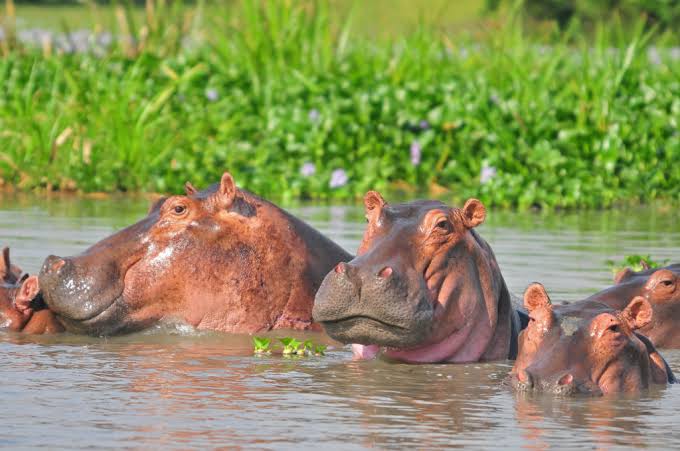
The UK Foreign, Commonwealth & Development Office advises against swimming in Lake Tanganyika because of wildlife and waterborne disease risks. Schistosomiasis, also known as bilharzia, is found in Burundi and can spread through contact with contaminated freshwater. Clear water, a sandy shore and other people in the lake do not tell you whether it is safe. Skip wading as well as swimming.
If swimming is an important part of your holiday, choose accommodation with a maintained, treated swimming pool. Confirm that it is operating during your stay and whether children can use it. You can still enjoy the lakeshore without entering the water.
| If you want to… | A practical choice | What to check first |
|---|---|---|
| Spend a few hours by the lake | Book lunch at a confirmed waterfront venue | Day access, opening hours and the exact route |
| Swim or relax with children | Choose a hotel with a maintained pool | Pool availability and rules for children |
| Add a short history stop | Visit the Mugere monument south of town | Road conditions, access and return transport |
| Learn about Burundian drumming | Arrange a visit to Gishora near Gitega | Performance availability and current route advice |
Bujumbura Stops Worth Your Time
The Mugere monument south of the city
Burundi’s tourism authority lists the Stanley and Livingstone site near the Mugere River, about 14 kilometres from Bujumbura. The monument marks the explorers’ passage along the Burundian shore in 1871. It is an outdoor stop rather than a large museum, so you can visit without setting aside half a day. It also offers a view towards Lake Tanganyika.
If you hire a guide, ask for the Burundian history of the area as well as the story of the two visitors. The site makes more sense when you hear how people lived and travelled around the lake, rather than treating the stone as the whole story. Confirm access and local conditions on the day. There is no need to add a longer drive along the shore to make the short outing worthwhile.
The Living Museum of Bujumbura
The Musée Vivant, or Living Museum, combines exhibits on local crafts with captive wildlife displays. Burundi’s tourism authority describes pavilions covering pottery, metalwork, basketry and traditional instruments. Ask which sections are open before going, particularly if the craft displays are your main interest.
This is a city attraction, not a safari or a substitute for seeing wildlife in its natural habitat. You can choose to focus on the cultural sections. If they are unavailable, use the time for a longer lunch or ask a local guide about another cultural stop that fits your route.
Gishora Drum Sanctuary near Gitega
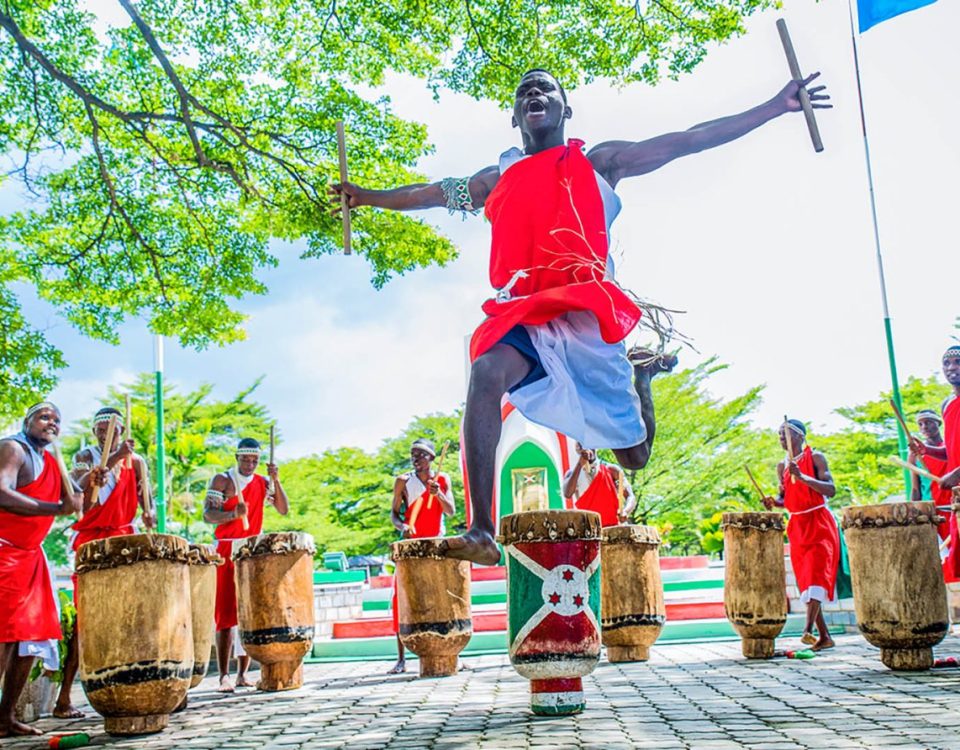
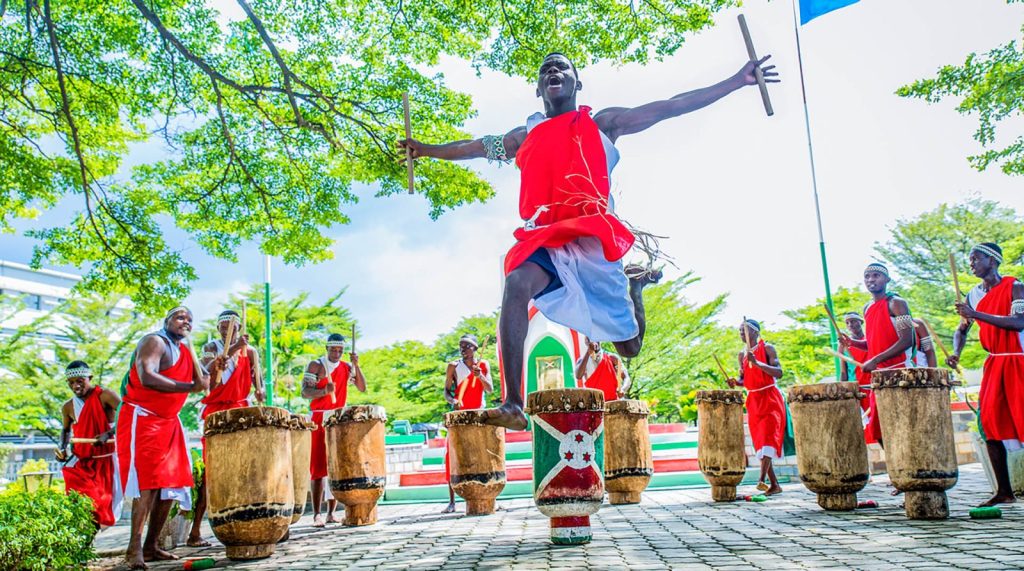
If you have a third night, Gishora offers a reason to spend a day inland. The sanctuary is about seven kilometres from central Gitega. Burundi’s ritual dance of the royal drum is recognised by UNESCO as intangible cultural heritage. A performance combines coordinated drumming, dance, song and recited poetry. Ask your guide to explain the ceremonial role of the drums and how the tradition is passed on.
Confirm whether a performance can be arranged for your date. Do not assume that visitors can arrive at any time and see one. Give the outing most of the day, including the drive, rather than adding it to a short city tour. If the timing would bring you back after dark, consider staying in Gitega or leave the visit for a longer trip.
A Simple Two- or Three-Night Itinerary
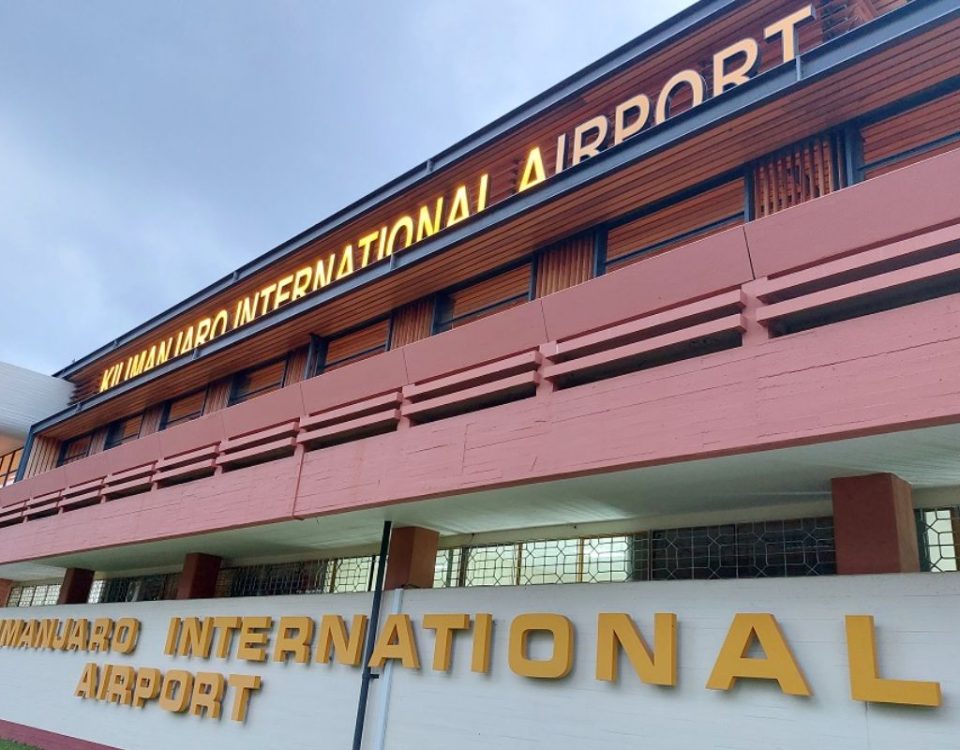
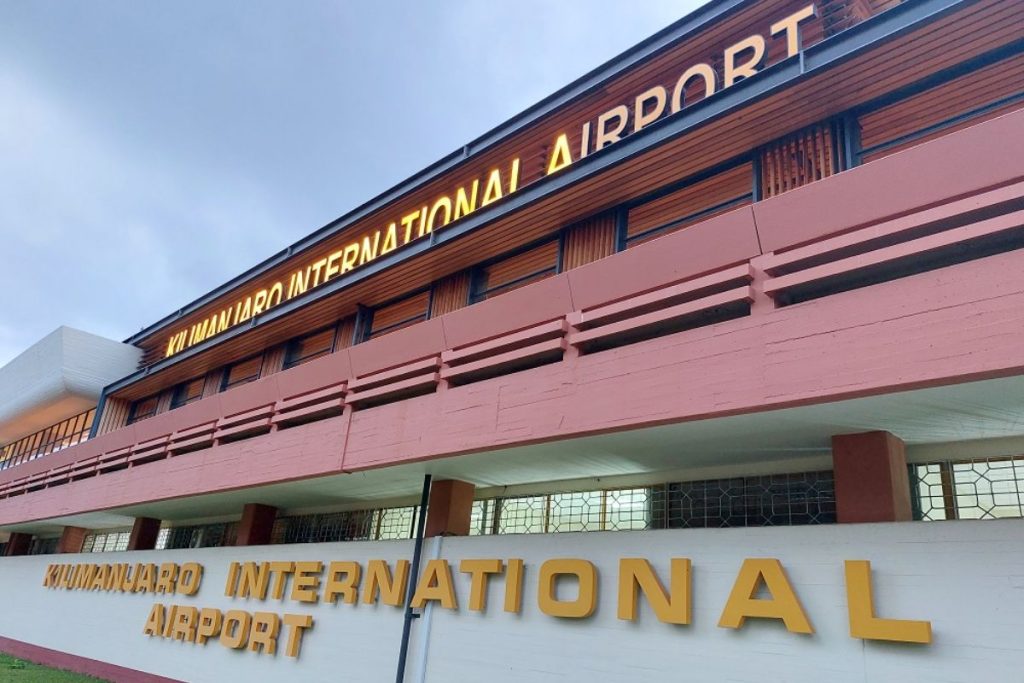
Day 1: Arrive in Bujumbura. Arrange a pickup from Melchior Ndadaye International Airport (BJM) through your accommodation or a reputable transfer provider. If you arrive late, check in and keep dinner close to your hotel. Confirm the next day’s plan with your driver after arrival, when you have a better idea of local conditions.
Day 2: Visit one site and have lunch by the lake. Choose the Mugere monument or the Musée Vivant in the morning. Spend the afternoon at a confirmed waterfront venue or your hotel pool. If you have two nights, keep this as your one full sightseeing day and leave the next morning or afternoon.
Day 3: Go inland only if you have another night. If you are staying three nights, use the extra day for Gishora if the route is suitable and the visit is confirmed. Otherwise, keep it as an unhurried day in Bujumbura. Do not plan a long inland excursion on the morning of an international flight.
Before You Book Your Burundi Trip
Check the current advice for your exact route
A hotel address in Bujumbura tells you little about the roads you will use to reach it. The UK advisory includes Rusizi National Park, the RN5 north of the airport towards Cibitoke, and other specified areas near the Democratic Republic of the Congo. Check the advisory map against your driver’s proposed route, including any airport transfer or beach detour. Ask your insurer whether the policy covers your itinerary and emergency evacuation.
The Rwanda–Burundi land border is reported closed in current Australian travel advice. If you are putting together a regional trip, do not build your plans around a drive from Kigali to Bujumbura unless the authorities confirm that the crossing has reopened for your journey. Check flight options before committing to non-refundable accommodation.
Prepare your entry documents and transport
Check the visa rules for your passport. Visa on arrival at Bujumbura airport is available to some travellers, but confirm eligibility, fees and accepted payment methods with Burundi’s authorities. Current Australian travel advice also reports that passengers entering or transiting Burundi must complete an online registration form before travel. Confirm the latest procedure with your airline and keep the completed confirmation available offline.
Carry your yellow fever vaccination certificate if required. The CDC lists proof of vaccination as an entry requirement for arriving travellers aged nine months and older. Ask a travel health clinician about vaccination, any medical exemption and malaria prevention before departure. For local journeys, agree on the price and pickup time in advance. Fuel shortages can affect availability, so reconfirm longer drives with your provider.
Choose your dates for the kind of trip you want
June through August is generally a drier period and a useful starting point if your plans focus on outdoor stops. September can also be relatively dry around Bujumbura, but conditions vary. A wetter month can still work for a short city stay if you are happy to change the order of your plans. Put the lakeside meal on the clearer day and keep the cultural stop flexible. Whatever the season, current travel advice and route conditions matter more than the weather.
Frequently Asked Questions
How many days do you need in Bujumbura?
Allow two nights for a short visit with one full day by the lake and in the city. Add a third night if you want to arrange a visit to Gishora without putting pressure on your departure day.
Is Bujumbura a good destination for a swimming holiday?
Choose it for lakeside views, meals and cultural stops rather than swimming in Lake Tanganyika. If you want to swim every day, confirm that your hotel has a maintained pool before booking.
Can you add Rusizi National Park to the trip?
Leave it out while the current do-not-travel advisory covers the park. Check official advice before you book any excursion. An advertised tour or an offer of transport does not change the advisory or your insurance terms.