
Rusizi National Park in Burundi: Hippos and Birdlife
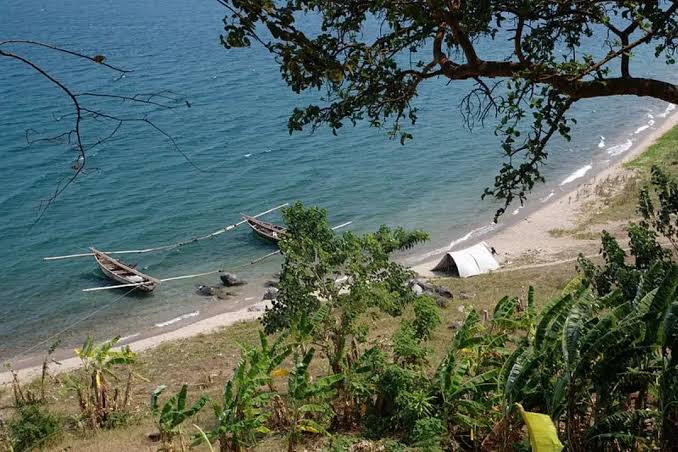
Rusizi National Park in Burundi protects the wetlands where the Rusizi River reaches the northern end of Lake Tanganyika, near Bujumbura. The park is best known for its common hippos and waterbirds, but the reason both are found here is more interesting than a species list. Hippos need water to rest in and grazing land nearby. Birds use the same wetland in different ways, feeding in shallow pools, resting on exposed banks or stopping during migration.
For travel planning, leave Rusizi off your itinerary for now. UK government advice current on 17 November 2026 explicitly advises against all travel to the park, also called Rusizi Delta Nature Reserve. Other governments issue broader warnings for Burundi and areas near the Democratic Republic of the Congo. An advertised boat trip or the park’s proximity to Bujumbura does not change that advice.
Where Is Rusizi National Park in Burundi?
Rusizi lies northwest of Bujumbura, near Burundi’s border with the Democratic Republic of the Congo. The protected area includes the delta and part of the lower Rusizi plain. The easiest way to picture it is to follow the river downstream. Before it reaches Lake Tanganyika, it passes through a low, flat landscape with channels, marshes, pools and stretches of open ground. The delta is part of the park, not the whole park.
The Ramsar Sites Information Service lists 10,673 hectares as a wetland of international importance. That figure refers to the designated Ramsar site. It does not tell you how much of the area is open to visitors. The designation recognises the value of the river, marshes and lakes together, including their role in trapping sediment and providing habitat for fish, mammals and birds.
If you are reading a map or an older trip report, watch for similar names. Rusizi District in Rwanda is not Rusizi National Park in Burundi. Ruvubu National Park is a different Burundian park in the northeast. The distinction matters when you look up wildlife records or read a travel advisory.
Hippos at Rusizi National Park
Why hippos use the river and its banks
The common hippopotamus is one of Rusizi’s best-known mammals. Hippos spend much of the day in water or resting beside it, and they generally leave the water to graze on land at night. They need access to both habitats. A quiet pool can provide a daytime refuge, but it is only part of what makes a stretch of river suitable for them.
A hippo in the water can be surprisingly hard to see. In deeper water, only the eyes, ears and nostrils may show. A photograph of two or three heads tells you which animals surfaced at that moment. It does not tell you how many hippos live in the area. Likewise, older reports of large groups should not be read as evidence of the park’s current population.
What other animals share the wetland?
The Ramsar profile also records Nile crocodiles and sitatunga, an antelope associated with wet habitats. Crocodiles can use river channels and exposed banks, while sitatunga may remain concealed in thick vegetation. Both belong on a description of the park, but neither should be treated as a guaranteed sighting.
These animals also explain why a quiet bank is not necessarily a suitable place to get close to the water. At any wetland with hippos or crocodiles, watch from approved viewing areas, follow local wildlife guidance and never approach an animal or block its route to the water. These are general wildlife-viewing precautions. They do not make a trip to Rusizi advisable under the current warning.
Birdlife at Rusizi National Park
Rusizi is important for birds that breed in the wetland and for migrants that use it to rest and feed. The Ramsar site summary reports more than 120 breeding bird species and about 90 migratory species in its historical records. These are figures for the wetland as a whole, not a current census or an estimate of what someone might see in a morning.
The African skimmer is a particularly good example of how a bird uses the river. It flies low over the surface with the longer lower part of its bill trailing through the water. If the bill touches a small fish, the bird can snap it shut. That feeding behaviour makes a skimmer easier to recognise than colour alone, especially when you see it at a distance.
Other records include the white-winged tern, glossy ibis, white-faced whistling duck and lesser flamingo. The value of a historical record is that it shows how varied the wetland’s birdlife has been. It does not mean that every species is present year-round. A flamingo record, for example, is not a reason to expect a flock on a particular day or to plan a trip around one.
| Bird recorded at Rusizi | Useful identification clue | What the record tells you |
|---|---|---|
| African skimmer | Flies close to the surface with its lower bill in the water | The river provides feeding habitat for fish-catching birds |
| White-winged tern | Plumage changes with the season, so compare flight and wing pattern as well as colour | Migratory terns have used the wetland |
| Glossy ibis | Long, curved bill used to probe mud and shallow water | Soft wet margins are feeding habitat as well as open water |
| White-faced whistling duck | White face and dark rear part of the head | Ducks are among the waterbirds recorded at the site |
| Lesser flamingo | Long legs, a bent bill and pink colouring in adults | The species has been recorded, but its presence should not be assumed |
Why the Delta Matters Beyond Its Wildlife List
A wetland can offer several kinds of habitat within a short distance. Open water suits a bird that catches fish in flight. A muddy edge gives an ibis somewhere to probe. A patch of dense vegetation can provide shelter that neither of those birds would find on an exposed bank. As water levels change, a place that offered shallow feeding water one month may be too deep the next.
The delta is also important to people. Ramsar records fishing, livestock keeping, farming and the collection of forest products in the area. The same profile identifies erosion, pressure on natural resources and agricultural fertilisers and pesticides as threats. Those pressures matter because they can change the same river margins and shallow areas that fish and birds depend on.
When you read a wildlife report, look for the date, the part of the wetland surveyed and what the observers actually recorded. A survey of the river mouth and a survey farther upstream may produce different lists. One may even miss a species recorded the same week elsewhere. That does not necessarily mean the bird has disappeared. It may simply be using another part of the wetland.
What to Do Instead of Visiting Rusizi Now
If Rusizi was on your Bujumbura itinerary, remove the park outing rather than trying another access road or a boat approach. If your wider Burundi trip is still going ahead and current advice supports your exact route, consider a daytime waterfront meal or a short city visit. Enjoy Lake Tanganyika from shore rather than swimming in it.
If hippos and waterbirds are the main reason you wanted to go, consider the Kazinga Channel in Uganda’s Queen Elizabeth National Park or Lake Ihema in Rwanda’s Akagera National Park as part of a different itinerary. Both offer a chance to focus on wildlife along the water’s edge. If birds are your priority and you are already visiting Entebbe, Mabamba Bay is a better fit for a wetland outing focused on the shoebill. Check local conditions, entry arrangements and current advice for whichever destination you choose.
Frequently Asked Questions
Is Rusizi National Park the same as the Rusizi Delta Nature Reserve?
Travel advisories and older guides use both names for the protected area near Bujumbura. In geographical terms, the delta is the part where the river meets Lake Tanganyika. The broader park also includes part of the lower Rusizi plain.
Is Rusizi National Park closed?
A travel advisory is not the same as an official park closure. It tells you whether a government advises travel to the area, not whether staff are present or a venue is operating. The UK advisory explicitly includes Rusizi National Park in its do-not-travel area. Leave it off your itinerary while that advice remains in place.
Can you see both hippos and birds at Rusizi?
Both are documented at the park. The hippos are associated with the river and nearby grazing areas, while birds use channels, marshes and shorelines. A species record confirms that it has been documented at Rusizi. It does not guarantee a sighting or confirm current access.