The question, “Can I adopt a gorilla?” may seem unusual at first, but it opens the door to a world of wildlife conservation, empathy, and global responsibility. Gorillas, some of the most majestic and intelligent creatures on Earth, face numerous threats, including habitat loss, poaching, and disease. While physically adopting a gorilla and bringing it home is neither legal nor ethical, symbolic adoption programs offer a powerful way to contribute to their survival. This article explores the profound impact of gorilla adoption, the urgent need for conservation, and how each of us can play a role in protecting these incredible beings.
The Plight of Gorillas: Why They Need Our Help
Gorillas, our close genetic relatives, share about 98% of their DNA with humans. They are highly social, emotional, and intelligent animals that live in tight-knit family groups. Unfortunately, their existence is under severe threat:
-
Habitat Destruction: Deforestation for agriculture, logging, and mining has drastically reduced their natural habitats.
-
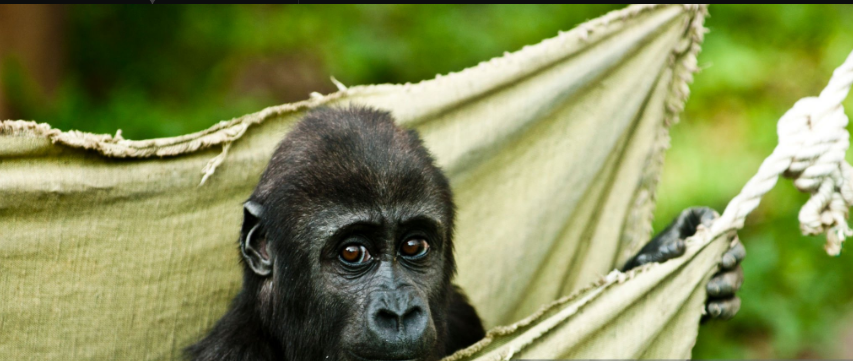
Poaching: Gorillas are hunted for bushmeat, and infants are sometimes captured for the illegal pet trade.
-
Disease: Human-borne illnesses, such as Ebola, have decimated gorilla populations.
-
Climate Change: Shifting ecosystems further endanger their food sources and living conditions.
With fewer than 1,000 mountain gorillas left in the wild, every effort to protect them matters. This is where the concept of “adopt a gorilla” comes into play—not as a literal adoption, but as a meaningful way to support their conservation.
What Does It Mean to Adopt a Gorilla?
When you adopt a gorilla through reputable wildlife organizations, you contribute financially to their protection, care, and habitat preservation. These symbolic adoption programs often include:
-
Funding Anti-Poaching Efforts: Supporting rangers who patrol protected areas to prevent illegal hunting.
-
Veterinary Care: Providing medical treatment for injured or sick gorillas.
-
Habitat Restoration: Planting trees and restoring ecosystems to ensure gorillas have a sustainable home.
-
Community Education: Teaching local communities about conservation to reduce human-wildlife conflict.
In return, adopters typically receive updates, photos, and sometimes even naming rights for a specific gorilla. It’s a beautiful way to feel connected to these animals while making a tangible difference.
The Emotional and Inspirational Impact of Gorilla Adoption
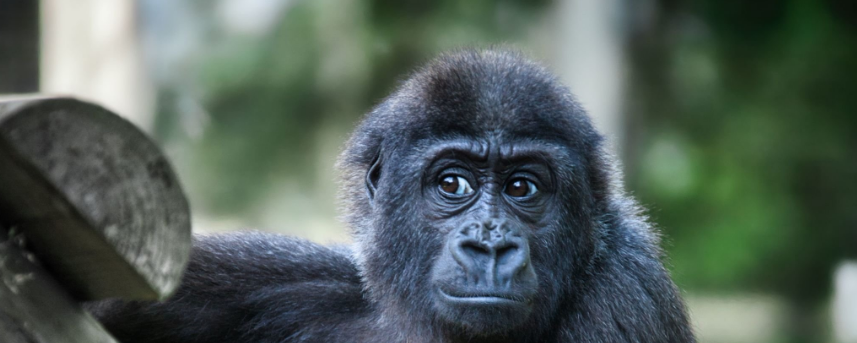
Adopting a gorilla isn’t just about donating money—it’s about forming a bond with a species that embodies strength, family, and resilience. Here’s how this act can inspire change:
1. A Lesson in Empathy and Connection
Gorillas display deep emotional intelligence. They mourn their dead, nurture their young, and form lifelong bonds. By choosing to adopt a gorilla, we acknowledge our shared connection with the natural world and take responsibility for its preservation.
2. The Power of Small Actions
One person’s contribution may seem small, but collective efforts have led to real successes. Mountain gorilla populations have increased in recent years due to conservation programs—proof that change is possible.
3. Inspiring Future Generations
When children learn about gorilla adoption, they develop a sense of stewardship for wildlife. This early education fosters a generation that values conservation and sustainability.
4. A Symbol of Hope
Every gorilla saved represents hope for endangered species worldwide. By supporting their survival, we send a message that extinction is not inevitable—we can fight back.
How to Ethically Adopt a Gorilla
If you’re inspired to adopt a gorilla, here’s how to do it responsibly:
-
Choose a Reputable Organization:
-
The Dian Fossey Gorilla Fund (gorillafund.org)
-
World Wildlife Fund (WWF) (worldwildlife.org)
-
The Gorilla Organization (gorillas.org)
-
-
Select an Adoption Package:
-
Many programs offer tiered options, from one-time donations to ongoing support.
-
-
Spread Awareness:
-
Share your adoption journey on social media to inspire others.
-
-
Visit (Responsibly):
-
Some organizations offer eco-tourism opportunities to see gorillas in the wild, ensuring ethical interactions.
-
Your Role in a Greater Story
So, can I adopt a gorilla? Not in the traditional sense—but through symbolic adoption, you become a guardian of their future. Every donation, every shared story, and every act of advocacy helps secure a world where gorillas thrive.
In the words of famed primatologist Dian Fossey, “When you realize the value of all life, you dwell less on what is past and concentrate more on the preservation of the future.” By choosing to adopt a gorilla, you join a global movement of compassion, proving that humanity can be a force for good in the wild.
The question isn’t just “Can I?”—it’s “Will I?” And the answer, with hope, is yes.
Everything You Need to Know About Mountain Gorillas
The mountain gorilla (Gorilla beringei beringei) is one of the world’s most endangered great apes and one of its most magnificent wildlife spectacles. With fewer than 1,063 individuals remaining in the wild, every encounter with a habituated gorilla family is a rare and deeply moving privilege.
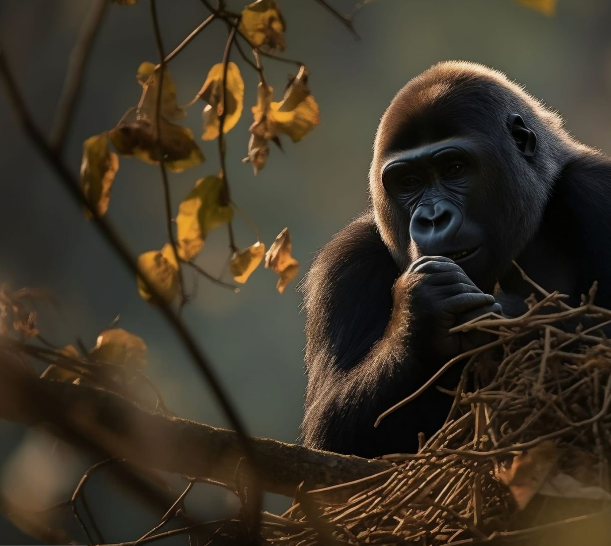
Mountain gorillas live in family groups of 5–30 individuals, led by a dominant silverback male. Gorillas are primarily herbivores, feeding on leaves, stems, bark, roots and fruits — a silverback can consume up to 34kg of vegetation per day. At dusk each individual builds a fresh sleeping nest from bent vegetation.
Where to See Mountain Gorillas
Mountain gorillas can only be seen in the wild — they do not survive in captivity. They exist in two populations:
- Bwindi Impenetrable Forest, Uganda: The largest gorilla population, home to over 400 individuals across 19 habituated families. Four trekking sectors: Buhoma, Ruhija, Rushaga, and Nkuringo.
- Virunga Massif: Shared between Uganda (Mgahinga), Rwanda (Volcanoes National Park), and the DRC (Virunga National Park). Home to around 600 gorillas across the six volcanic mountains.
Gorilla Trekking Permits — Uganda vs Rwanda
Both Uganda and Rwanda offer outstanding gorilla trekking experiences with important differences:
- Uganda (USD 800): More affordable permit. Greater number of habituated families and sectors. Bwindi terrain is more challenging but offers more choice. Also offers the Gorilla Habituation Experience (USD 1,500).
- Rwanda (USD 1,500): Higher permit cost but closer to Kigali airport (2.5 hours). More developed luxury lodge sector. Smaller park but highly managed experience with reliable gorilla sightings.
Recommended Tours: 4 Days Bwindi Gorilla Trekking Safari | 4 Days Rwanda Gorilla Trekking Safari