Gorilla trekking is a once-in-a-lifetime experience that takes you deep into the lush jungles of Africa, where you’ll come face-to-face with majestic mountain gorillas in their natural habitat. It’s an adventure that requires physical endurance, mental preparedness, and proper fueling. One common question many trekkers ask is: Can I bring snacks gorilla trekking? The short answer is yes—but with some important considerations.
In this article, we’ll explore why bringing snacks is essential, what types of snacks are best, and how to enjoy them responsibly while respecting the gorillas and their environment. Whether you’re preparing for your trek or simply dreaming of the experience, this guide will help you stay energized and inspired on your journey.
Why Bringing Snacks is Essential for Gorilla Trekking
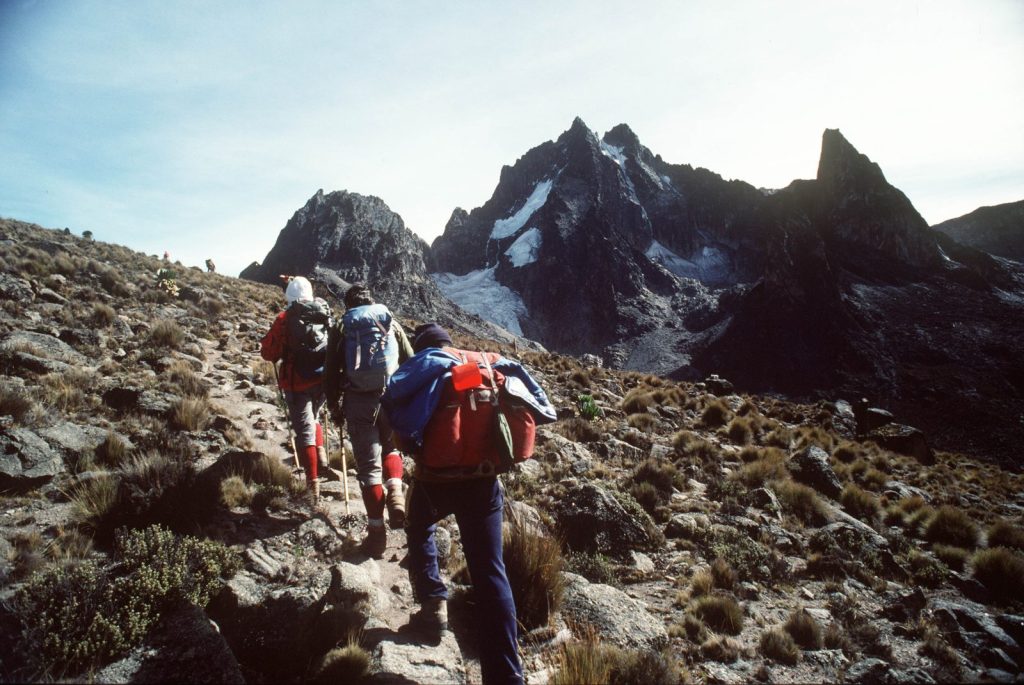
Gorilla trekking is physically demanding. Depending on the location of the gorilla family, you could be hiking for anywhere from 30 minutes to several hours through dense forests, steep terrain, and unpredictable weather. Proper nutrition plays a crucial role in maintaining your energy levels, focus, and overall enjoyment of the experience.
Here’s why bringing snacks gorilla trekking is a smart move:
-
Sustained Energy – Trekking at high altitudes and through challenging landscapes burns calories quickly. Snacks high in protein, healthy fats, and complex carbs will keep you going.
-
Prevent Fatigue and Lightheadedness – Long hours without food can lead to low blood sugar, making the trek more difficult.
-
Hydration Support – Some snacks (like nuts or fruits) help retain electrolytes, complementing your water intake.
-
Mental Boost – A quick snack break can rejuvenate your mind, helping you stay present and appreciative of the experience.
Best Snacks to Bring Gorilla Trekking
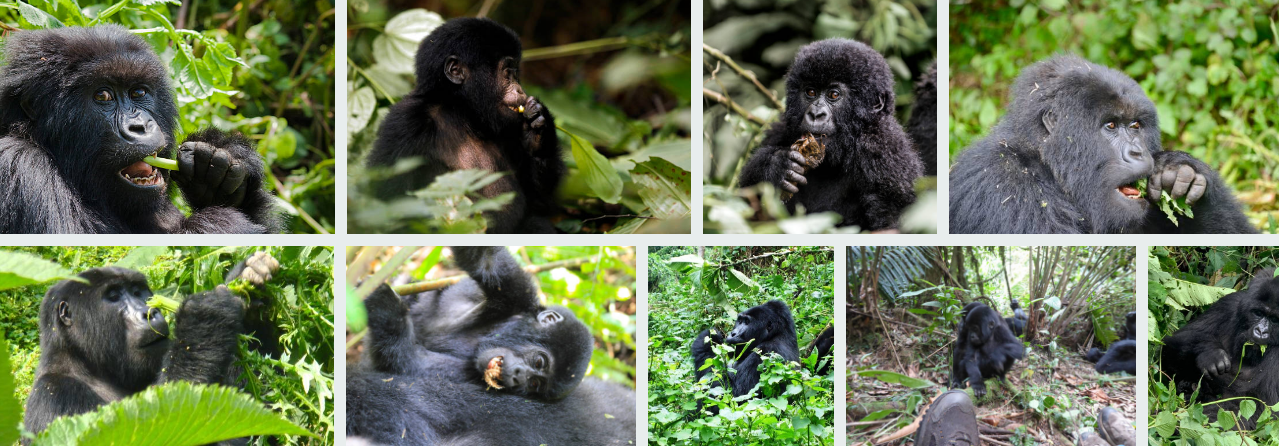
Not all snacks are created equal. When choosing what to pack, consider:
-
Portability – Lightweight, non-bulky, and easy to carry.
-
Nutritional Value – High-energy foods that provide lasting fuel.
-
Minimal Waste – Avoid excessive packaging to reduce litter.
Here are some of the best snacks to bring:
1. Nuts and Trail Mix
A mix of almonds, cashews, walnuts, and dried fruit provides healthy fats, protein, and quick energy. Opt for unsalted or lightly salted varieties to avoid dehydration.
2. Energy Bars
Choose natural, high-protein bars with minimal added sugar. Look for brands like KIND, RXBAR, or Clif Bars.
3. Fresh or Dried Fruit
Bananas, apples, and dried mangoes are excellent for quick glucose replenishment without the mess.
4. Dark Chocolate
A small piece of dark chocolate (70% cocoa or higher) can boost morale and provide antioxidants.
5. Whole-Grain Crackers or Rice Cakes
These are easy to digest and pair well with nut butter for extra protein.
6. Jerky (Vegetarian or Meat-Based)
High in protein and portable, but ensure it’s sealed properly to avoid attracting wildlife.
7. Homemade Sandwiches (for Longer Treks)
A simple peanut butter or cheese sandwich can be a lifesaver on full-day treks.
Snacks to Avoid Bringing
While bringing snacks gorilla trekking is encouraged, some foods are problematic:
-
Crumbly or Messy Snacks – Avoid chips or crackers that can scatter and disturb the environment.
-
Strong-Smelling Foods – Gorillas have a keen sense of smell; strong odors (like tuna or spicy snacks) may unsettle them.
-
Single-Use Plastics – Many parks have strict anti-littering policies; opt for reusable containers.
-
Sugary Candy or Soda – These cause energy crashes and are unnecessary for sustained trekking.
Responsible Snacking: Respecting Gorillas and Their Habitat
Gorilla trekking is a privilege, and protecting these endangered animals is paramount. Follow these guidelines when bringing snacks gorilla trekking:
-
Eat Discreetly and Away from Gorillas – Consume snacks during breaks, at least 200 meters away from the gorillas, to avoid attracting their curiosity.
-
Pack Out All Waste – Never leave wrappers or food scraps behind. Even biodegradable waste can disrupt the ecosystem.
-
No Feeding the Gorillas – Human food is harmful to gorillas and can make them dependent or aggressive.
-
Use Quiet, Unobtrusive Packaging – Rustling wrappers can disturb wildlife; repack snacks in silent containers.
Real-Life Trekker Stories: How Snacks Saved the Day
Many trekkers have shared how bringing snacks gorilla trekking made their experience smoother:
-
Sarah from Australia recalls: “Halfway through the trek, I started feeling lightheaded. A handful of nuts and a banana gave me the energy to push through—seeing the gorillas was worth every step!”
-
James from the UK says: “Our guide reminded us to eat small snacks along the way. I brought energy bars, and they kept me going through the steepest parts.”
-
Lena from Germany shares: “I didn’t realize how long the hike would be. Thankfully, another trekker shared some trail mix—it was a game-changer!”
These stories highlight how a little preparation can enhance your adventure.
Fuel Your Adventure Responsibly
So, can I bring snacks gorilla trekking? Absolutely—and you should! The right snacks will keep you energized, focused, and ready to fully embrace this incredible experience. Just remember to choose wisely, pack responsibly, and respect the gorillas’ space.
As you prepare for your trek, think of snacks as more than just food—they’re your secret weapon for making the most of every moment in the wild. Stay fueled, stay inspired, and let the magic of gorilla trekking leave you in awe.
Happy trekking—and happy snacking!
Everything You Need to Know About Mountain Gorillas
The mountain gorilla (Gorilla beringei beringei) is one of the world’s most endangered great apes and one of its most magnificent wildlife spectacles. With fewer than 1,063 individuals remaining in the wild, every encounter with a habituated gorilla family is a rare and deeply moving privilege.
Mountain gorillas live in family groups of 5–30 individuals, led by a dominant silverback male. Gorillas are primarily herbivores, feeding on leaves, stems, bark, roots and fruits — a silverback can consume up to 34kg of vegetation per day. At dusk each individual builds a fresh sleeping nest from bent vegetation.
Where to See Mountain Gorillas
Mountain gorillas can only be seen in the wild — they do not survive in captivity. They exist in two populations:
- Bwindi Impenetrable Forest, Uganda: The largest gorilla population, home to over 400 individuals across 19 habituated families. Four trekking sectors: Buhoma, Ruhija, Rushaga, and Nkuringo.
- Virunga Massif: Shared between Uganda (Mgahinga), Rwanda (Volcanoes National Park), and the DRC (Virunga National Park). Home to around 600 gorillas across the six volcanic mountains.
Gorilla Trekking Permits — Uganda vs Rwanda
Both Uganda and Rwanda offer outstanding gorilla trekking experiences with important differences:
- Uganda (USD 800): More affordable permit. Greater number of habituated families and sectors. Bwindi terrain is more challenging but offers more choice. Also offers the Gorilla Habituation Experience (USD 1,500).
- Rwanda (USD 1,500): Higher permit cost but closer to Kigali airport (2.5 hours). More developed luxury lodge sector. Smaller park but highly managed experience with reliable gorilla sightings.
Recommended Tours: 4 Days Bwindi Gorilla Trekking Safari | 4 Days Rwanda Gorilla Trekking Safari