In this article, we’ll explore why trek gorillas June is a fantastic idea, what to expect, how to prepare, and the profound impact this journey can have on your life. Whether you’re an adventure seeker, a wildlife enthusiast, or someone looking for a transformative experience, gorilla trekking in June offers something truly magical.
Why Trek Gorillas in June?
June falls within the dry season in key gorilla trekking destinations like Uganda, Rwanda, and the Democratic Republic of Congo (DRC). This makes it an ideal time for several reasons:
1. Favorable Weather Conditions
June offers mild temperatures and lower rainfall, making trekking easier. While tropical climates can be unpredictable, the dry season reduces the chances of heavy downpours, ensuring more comfortable hikes through lush forests.
2. Clearer Trails and Better Accessibility
With less rain, the trails are less muddy and slippery, allowing for a smoother trek. This is especially beneficial for those who may not be seasoned hikers but still want to experience gorilla trekking.
3. Higher Chances of Gorilla Sightings
Gorillas tend to stay at lower elevations during the drier months, making them easier to locate. The vegetation is also slightly less dense, improving visibility for those breathtaking close encounters.
4. Fewer Crowds Compared to Peak Season
While June is a great time to visit, it’s not as crowded as July and August, which are peak months. This means you may have a more intimate experience with the gorillas and your guide.
The Emotional Impact of Gorilla Trekking
Trekking gorillas in June isn’t just about adventure—it’s a deeply moving experience that can change your perspective on life, nature, and conservation.
A Connection Like No Other
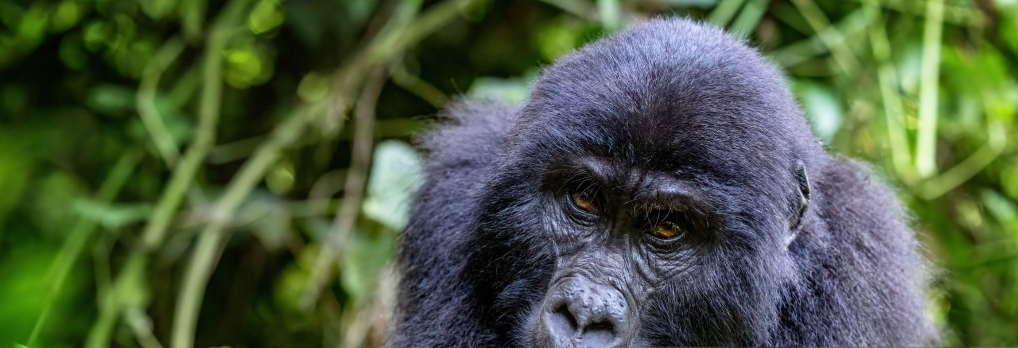
Looking into the eyes of a wild mountain gorilla is an indescribable moment. These gentle giants share about 98% of their DNA with humans, and when you observe their social interactions—mothers caring for their young, silverbacks leading their families, juveniles playing—you feel an undeniable bond.
A Humbling Reminder of Our Place in Nature
In a world dominated by technology and fast-paced living, gorilla trekking brings you back to the basics. It reminds you of the beauty of simplicity, the importance of conservation, and the fragility of life.
Inspiration to Protect Wildlife
Seeing gorillas in their natural habitat reinforces the importance of conservation efforts. With fewer than 1,000 mountain gorillas left in the wild, your visit contributes directly to their protection through park fees and community support.
How to Prepare for Gorilla Trekking in June
To make the most of your trek gorillas June experience, proper preparation is key. Here’s what you need to know:
1. Physical Fitness
Gorilla trekking involves hiking through dense forests, sometimes at high altitudes. While the difficulty varies, being in decent shape will enhance your experience. Regular walking or light hiking in the months leading up to your trip will help.
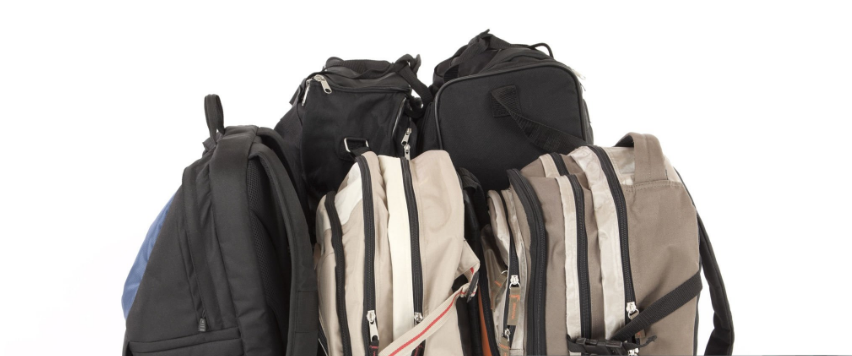
2. Packing Essentials
-
Sturdy Hiking Boots – Waterproof and with good ankle support.
-
Long-Sleeved Clothing – Protects against scratches and insects.
-
Rain Jacket – Even in June, brief showers are possible.
-
Gardening Gloves – Helpful for gripping branches.
-
Camera (No Flash) – To capture memories without disturbing the gorillas.
3. Permits and Booking
Gorilla trekking permits are required and should be booked months in advance, especially since June is a popular time. In Rwanda, permits cost $1,500 ; in Uganda, they ’ re $700; and in DRC, around $400.
4. Health and Safety
-
Vaccinations – Yellow fever, hepatitis A & B, and typhoid are recommended.
-
Travel Insurance – Ensure it covers emergency evacuation.
-
Altitude Considerations – Some trekking areas are at high elevations; acclimatize if needed.
Where to Trek Gorillas in June?
1. Bwindi Impenetrable Forest, Uganda
Known as the “Kingdom of Gorillas,” Bwindi is home to nearly half of the world’s mountain gorillas. The terrain is challenging but rewarding, with incredible biodiversity.
2. Volcanoes National Park, Rwanda
Made famous by Dian Fossey, this park offers slightly easier treks with stunning volcanic backdrops. Rwanda’s well-organized tourism makes it a top choice.
3. Virunga National Park, DRC
For the more adventurous, Virunga provides a raw and less commercialized experience. The Nyiragongo volcano hike is an added bonus.
Why This Journey Will Stay With You Forever
Trekking gorillas in June is more than a bucket-list item—it’s a soul-stirring adventure that leaves a lasting imprint. The moment you lock eyes with a gorilla, time stands still. You realize how interconnected all life is and how vital it is to protect these incredible creatures.
So, can you trek gorillas in June? Absolutely. And when you do, you’ll return with more than just photos—you’ll carry a renewed sense of wonder, a deeper appreciation for nature, and a story that will inspire others for years to come.
Now is the time to take that step. Book your permit, pack your bags, and embark on a journey that will change you forever. The gorillas are waiting.
Gorilla Trekking in the Democratic Republic of Congo
The Democratic Republic of Congo (DRC) is home to two gorilla species found nowhere else together: mountain gorillas in Virunga National Park and eastern lowland gorillas (Grauer’s gorillas, Gorilla beringei graueri) in Kahuzi-Biega National Park. Both are UNESCO World Heritage Sites.
Virunga National Park — Africa’s oldest national park, established in 1925 — covers 7,900 km² of remarkable ecological diversity, from the volcanic peaks of the Virunga Massif to the glaciers of the Rwenzori Mountains and the tropical lowland forests of the Congo Basin. The park is also home to hippos, elephants, okapis, and the entire cast of Congo rainforest wildlife.
Eastern Lowland Gorillas — A Unique Encounter
The eastern lowland gorilla (Grauer’s gorilla) is the world’s largest subspecies of gorilla, with silverbacks weighing up to 220kg. Found only in the DRC, Grauer’s gorillas are considerably rarer than mountain gorillas — their population has declined by more than 70% since the 1990s due to conflict, habitat loss, and poaching. Kahuzi-Biega National Park in South Kivu offers the only reliable trekking experience with habituated Grauer’s gorilla families.
A gorilla permit in the DRC costs USD 400 per person — significantly cheaper than Rwanda (USD 1,500) or Uganda (USD 800). The experience is raw, off-the-beaten-track, and unforgettable for travellers seeking something genuinely uncommon.
Practical Information for DRC Gorilla Trekking
Getting to Virunga and Kahuzi-Biega
The most common entry point to eastern DRC is via Kigali, Rwanda. Goma — the gateway to Virunga National Park — is just 80km from Kigali. Direct flights from Nairobi and Kampala also serve Goma. Bukavu (gateway to Kahuzi-Biega) is accessible from Goma by road (3–4 hours) or by light aircraft.
Is it safe to trek gorillas in the DRC?
Security in eastern DRC is complex and fluctuates. Virunga National Park and Kahuzi-Biega have experienced periods of closure due to armed group activity. Always check current security conditions with your tour operator and your government’s travel advisory before planning a DRC gorilla trek. Reputable operators with established local security networks are essential.
Recommended Tours: 8 Days Congo Gorillas & Nyiragongo Safari | 5 Days Lowland Gorilla Safari Congo