Chai and Tea Culture in East Africa: What to Order and How It Is Served
If you order chai in East Africa, you might get black tea simmered with milk, a glass of spiced tea without milk or a pot with milk served separately. The word chai means tea in Swahili. It does not tell you whether the drink contains spices, milk or sugar. If you care about any of those three things, ask before the tea is poured.
One of the pleasures of East African tea culture is noticing how the cup changes as you travel. Try milky chai with a mandazi in Kenya, ask about ginger or spice tea in Tanzania, and taste a locally grown black tea in Rwanda. In Uganda, knowing the difference between “African tea” and “black tea” on a menu can help you get the cup you want.
East African Tea Culture at the Table
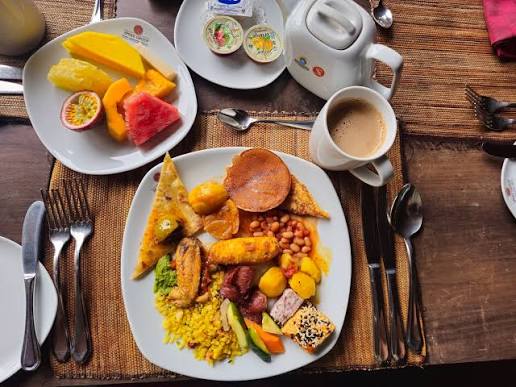
Tea can be part of breakfast, a break during a long road journey or a drink offered when you visit someone. On safari, you might be served a quick cup before a dawn game drive and have a second with breakfast afterwards. In a café, tea may come in a mug, a glass or a small pot. If you order a pot to share, ask how many cups it serves.
The main difference is whether the milk went into the pot or comes to the table separately. Tea simmered with milk has a fuller texture than black tea with a splash of cold milk. A pot brewed with milk can also contain sugar already. If the staff are serving from a shared batch, they may need to make another pot to give you an unsweetened cup. Ask what is already prepared before putting in a special request.
What to Order When You Want Chai
| What you want | What to ask for | What to check |
|---|---|---|
| Milk tea | Chai ya maziwa | Ask whether it is already sweetened or spiced. |
| Black tea without milk | Chai ya rangi, or “black tea” | Ask for no sugar if you want it plain. |
| Ginger tea | Chai ya tangawizi | Ask whether it contains black tea leaves or is a ginger infusion, and whether milk is added. |
| Spiced tea | Chai masala or “spiced tea” | Ask which spices the kitchen uses and whether the tea contains milk. |
| A brew you can adjust yourself | Tea with milk and sugar on the side | Check that the tea has not already been brewed with either. |
Plain can mean different things to you and your server. You might mean tea without milk or sugar, while someone else hears “no spices”. Say exactly what you want left out. If you like milk but dislike sweet tea, ask for milk tea without sugar.
What to Try in Kenya, Tanzania, Uganda and Rwanda
Kenya: Milky chai with a mandazi
In Kenya, a familiar preparation is black tea heated with milk and water. Some cooks sweeten it in the pot, while others leave you to add sugar at the table. Try a cup before adding anything. If the menu offers ginger or masala chai, order that on another day so you can taste the difference between the spiced and unspiced versions.
A mandazi, a piece of fried dough, is a good breakfast accompaniment. It can be lightly sweet and is easy to share if you only want a small snack. If you prefer something less sweet, ask whether chapati is available. On an early safari departure, find out whether your lodge serves tea before the drive or sends it with a packed breakfast.
Tanzania: Black tea, ginger and Zanzibar spices
In mainland Tanzania, chai ya rangi is a useful order if you want black tea without milk. Chai ya tangawizi is an option when you want a more pronounced ginger flavour. At breakfast, tea may be served with mandazi, chapati, bread or eggs. Ask what is available rather than assuming a snack comes with the drink.
In Zanzibar, look for spiced tea if you want to try a blend that might include cardamom, cloves, cinnamon or ginger. The combination varies. One café may serve it black, while another brews it with milk. Try a sip before adding sugar so you can taste the tea and spices as served. If you enjoy the blend and want to take tea home, check whether the packet contains tea leaves and spices together or only a spice mix meant to be added to your own tea.
Uganda: Read the difference between African tea and black tea
On some Ugandan menus, African tea means tea brewed with milk. It may be plain or spiced. “Black tea” is the clearer order when you want tea brewed in water without milk. You may also see “English tea”, which some cafés serve as hot water, a tea bag and milk on the side. These are menu conventions rather than fixed recipes, so confirm with the server.
If a menu lists dawa tea, read the ingredients. A Ugandan café may use the name for a hot ginger, lemon and honey drink that does not necessarily contain tea leaves. If you are avoiding caffeine, ask whether there is black tea in the cup. If you are avoiding sugar, ask about honey as well. Saying “no sugar” might leave the honey in the recipe.
Rwanda: Try locally grown tea on its own
Ask whether the tea on offer was grown in Rwanda, then try it black before adding milk or sugar. It is an easy way to taste the tea itself before deciding how you prefer it. If you want it milder, ask for hot water on the side or remove the tea bag once the cup is strong enough for you.
Around Nyungwe, tea-growing areas such as Gisakura and Gisovu give you a chance to connect the drink with the surrounding landscape. If a tea visit interests you, check whether it includes a tasting and what you will see. A walk through the fields and a guided look at tea processing are different experiences. You can enjoy a local cup without arranging either.
Simple Swahili Phrases for Ordering Tea
These phrases are useful in Kenya and Tanzania. Elsewhere, use them if your server speaks Swahili, or give your order in English or another language you share.
- Naomba chai ya maziwa. I’d like milk tea, please.
- Naomba chai ya rangi. I’d like black tea, please.
- Bila sukari, tafadhali. Without sugar, please.
- Bila maziwa, tafadhali. Without milk, please.
- Asante. Thank you.
Put the important detail into the first request. For example, Naomba chai ya rangi bila sukari asks for black tea without sugar. If you cannot follow the reply, ask whether the tea is already mixed. That matters more than saying the phrase perfectly.
How to Handle Milk, Sugar and Caffeine
If you want a lighter drink, ask for black tea and add your own milk. You can do the same with sugar. If you order a second cup from the same pot, it will usually taste much the same. To compare preparations, order something different, such as a plain black tea after a milky chai.
Milk tea contains dairy unless the kitchen makes it with a confirmed alternative. Spiced chai typically still contains caffeine if it is made with black tea. Conversely, a ginger infusion made without tea leaves is naturally caffeine-free. If you have a milk allergy, tell the server it is an allergy and ask about ingredients and shared equipment. A preference for black tea does not communicate that concern to the kitchen.
Frequently Asked Questions
Is East African chai always spiced?
No. Chai simply means tea in Swahili. A cup can be plain, milky, gingery or made with several spices. Ask what the kitchen puts in it.
Is the sugar served separately?
Sometimes. It can also be added while the tea brews. If you want an unsweetened cup, ask before the server pours it.
What should I order if I do not drink milk?
Ask for black tea without milk. Where Swahili is spoken, chai ya rangi is a useful starting point. If you have an allergy, confirm the ingredients separately.
What is a good first order on safari?
Try milk tea with a mandazi if both are on offer. If you would rather taste the tea leaves before adding anything, order locally grown black tea and ask for milk and sugar on the side.
Try two cups prepared differently during your trip. Order a milky chai at breakfast and a plain local black tea at another stop. If you have time for a third, ask what makes the kitchen’s ginger or spice tea different. You will learn more about how tea is served by tasting those differences than by looking for a single recipe that represents the whole region.