Street Food Safety in East Africa: How to Eat Well Without Getting Sick
Order food that is cooked thoroughly, served steaming hot and handled with clean utensils. If you are not sure where the drinking water or ice came from, choose a factory-sealed drink. These checks are more useful than judging a stall by its queue, price or appearance.
Street food safety in East Africa comes down to what happens before, during and after cooking. An egg and chapati cooked to order can be a better choice than a prepared wrap that has sat at room temperature. But even freshly cooked food can pick up germs if the vendor uses the same tongs for raw meat and cooked food. No single check guarantees you will stay well. Together, they help you make better choices without missing the dishes you came to try.
Street Food Safety in East Africa Starts at the Stall
Pause before ordering and watch how the vendor serves a customer. Is food coming off the grill or pan and going straight onto a clean plate or wrapper? Does the cook use separate utensils for raw and cooked ingredients? Is there somewhere to wash hands with soap and safe water? These details tell you more than the number of people waiting.
A busy stall may sell food quickly, so dishes spend less time sitting out. But a queue does not tell you whether the water is safe or whether the same knife has touched raw chicken and cooked food. Use popularity as one clue, not as proof that a vendor handles food safely.
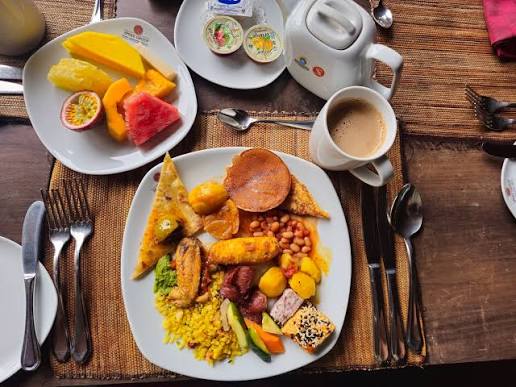
Look at the particular dish you want. A stall might fry samosas to order while displaying a tray of lukewarm meat. You can choose the fresh batch or wait for it. If you cannot tell how the food was held or handled, pick something else. The same thinking applies at a hotel buffet or roadside restaurant.
What to Order and What to Skip
| If you want | A lower-risk choice | What to look out for |
|---|---|---|
| An egg or chapati snack | A chapati and egg cooked to order, with the egg fully set | Ask for no raw garnish if you cannot verify how it was washed or handled. |
| Grilled meat or fish | A portion cooked thoroughly and served immediately | Watch for shared tongs or plates used for raw and cooked food. |
| A samosa or mandazi | One from a fresh, hot batch | Check that a meat filling is hot through. Avoid food that has sat lukewarm. |
| Fruit | A whole banana or orange you peel with clean hands | Skip pre-cut fruit if you are unsure about the knife, water or storage. |
| A cold drink | A bottle or can with its original seal intact | Skip ice if you cannot confirm it was made with safe water. |
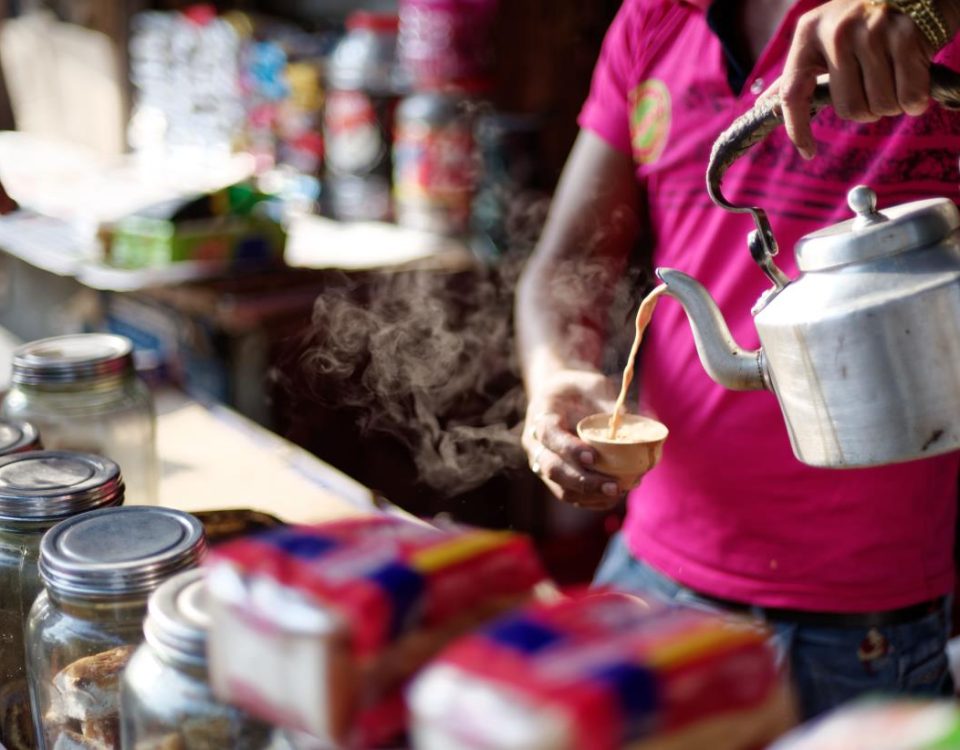
| Tea | Freshly brewed tea made with boiling water | If you want milk, choose pasteurised milk. Avoid a lukewarm batch of uncertain origin. |
Try a Ugandan rolex cooked to order
A rolex is an omelette rolled in a chapati. Watching it being made lets you see when the egg goes onto the pan and whether it cooks through. Ask the vendor to cook any tomato, onion or cabbage with the egg, or leave those ingredients out if they are normally added raw. Ask for a clean wrapper and eat the rolex while it is hot.
In Kenya or Tanzania, you can apply the same approach to a fresh chapati, a hot samosa or grilled skewers. If a vendor offers a spoonful of raw salad or a sauce from a shared bowl, you can decline without changing your main order. A hot meal does not make an uncooked topping safer.
Choose hot food over food that has been sitting out
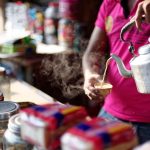
Steam rising from a dish is a useful cue for serving temperature, but it cannot tell you how a meal was stored before it was reheated. Some germs can produce toxins that reheating will not reliably remove. If you watched a plate of rice or stew sit lukewarm for a long time, asking the vendor to warm it may not solve the problem. Choose a fresh batch or a different dish.
Ask when the next batch will be ready if you have time. If you are about to board a bus or leave on a long safari transfer, buy something you can eat now or carry a sealed snack. A warm egg or meat wrap is a poor choice to save for several hours in a hot vehicle without refrigeration.
Drinks, Ice and Handwashing
Take water from a source you know is safe. If you buy bottled water, check the seal before opening it. When the water supply is uncertain, use sealed bottled water or properly treated water for drinking and for mixing oral rehydration salts. Avoid ice made with water of unknown quality. The drink it goes into does not make unsafe ice safe.
Fresh juice can look appealing on a hot day, but it may be diluted with water or poured into a glass containing ice. Fruit can also pick up germs during cutting and handling. If you cannot confirm how the juice was prepared, choose a sealed drink or freshly brewed tea instead. Skipping the ice does not address water that was already added to the juice.
Wash your hands with soap and safe water before eating and after using the toilet. If those are unavailable, use a hand sanitiser containing at least 60% alcohol. It is a backup and works less well on visibly dirty or greasy hands. After handling cash at a busy stall, use your clean wrapper or cutlery rather than touching the part of the food you are about to eat.
Food Allergies and Travellers Who Need Extra Care
If you have a food allergy, ask about the ingredients and the equipment used to prepare the meal. In Uganda, for example, groundnuts are peanuts. A vendor may be able to leave out a sauce, but that does not resolve possible contact through a shared pan, spoon or cooking oil. If the person cannot confirm what is in the food or how it was prepared, choose a meal you can verify. Keep any prescribed emergency medication with you.
Young children, pregnant travellers, older adults and people with weakened immune systems may need to take extra care with food and water choices. If this applies to you or someone in your group, ask a travel health professional what precautions fit your trip. Arrange meals in advance on remote travel days, when you may have fewer options and be farther from medical care.
What to Do if You Get Traveller’s Diarrhoea
Tell your guide or travelling companion early, particularly if you are heading somewhere remote. Replace lost fluids with safe drinks. If you use oral rehydration salts, mix the sachet with the exact amount of safe water specified on the packet. Take small, frequent sips if you feel nauseated. Do not make the solution stronger by using less water.
Get prompt medical help if you have blood in your stool, a high fever, severe abdominal pain, persistent vomiting or signs of dehydration such as very little urine or dizziness when standing. Seek help if you cannot keep fluids down. Babies and young children can dehydrate quickly, so seek advice early. Avoid taking loperamide on its own if you have bloody diarrhoea or fever, and do not start leftover antibiotics without medical advice or a treatment plan agreed with a clinician.
Do not assume the last meal you ate caused the illness. If you need care, tell the clinician when symptoms started, where you have been and what medicines you have taken. In a malaria-risk area, fever during or after travel also needs prompt assessment. Mention your travel history even if you think the illness is food-related.
Frequently Asked Questions
Are busy street food stalls always safer?
No. A queue can suggest fast turnover, but it tells you little about water quality or how the vendor handles raw and cooked ingredients. Watch your order being prepared if you can.
Can I eat fruit from a market?
Choose whole fruit you can peel yourself after cleaning your hands. A banana or orange is simpler to check than a cup of fruit cut and stored before you arrived.
Does chilli make street food safer?
No. Chilli adds flavour. It does not make an undercooked meal, unsafe water or food left at room temperature safe.
Is hotel food always safer than street food?
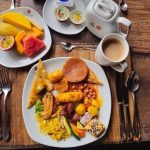
No. The same checks apply wherever you eat. At a buffet, choose dishes that are served hot or kept properly chilled, and skip food that should be hot but feels lukewarm.
Choose the dish you can see prepared, eat it while it is hot and ask for uncooked extras to be left off if you are unsure how they were handled. Keep safe water and a sealed snack handy on long transfer days. Having a backup means you can wait for the next good meal instead of ordering something you would rather skip.