Conservation Volunteering in East Africa: How to Choose Ethical Projects
Before paying for a conservation placement, ask what the local team needs you to do and what will happen to that work after you leave. A project that wants help checking camera-trap records might explain who reviews your entries and how they inform its wildlife monitoring. A programme that promises close encounters with animals but can’t describe your tasks or name your supervisor gives you less reason to book.
Conservation volunteering in East Africa can support useful work when local teams decide what help they need, volunteers have the right skills and wildlife welfare comes first. The right option might be a supervised placement, a guided citizen-science outing or a donation that helps a project employ trained staff. Choose according to what the project needs and what you can offer, rather than how close you want to get to wildlife.
How to Assess Conservation Volunteering in East Africa
| What to check | What a credible answer looks like | When to pause |
|---|---|---|
| Local leadership | The provider names the organisation running the work and explains who sets priorities. | A booking agent sells the trip but won’t identify the host. |
| Your role | You receive a written description of the tasks, training and supervision. | The provider promises important fieldwork regardless of your skills or time. |
| Wildlife welfare | Staff explain limits on contact and when they suspend an activity. | Holding, feeding or posing with wild animals is part of the package. |
| Fees and spending | The provider separates living costs, placement costs and any conservation contribution. | The fee is described as a donation without explaining who receives it. |
| Follow-up | Someone checks the work and can explain how it will be used. | The provider reports volunteer numbers or photos but can’t explain the results of the work. |
Find Out Who Runs the Project
A placement sold through an overseas agency may be run on the ground by a different organisation. That arrangement can work, but you should know who will supervise you and who decides what gets done. Ask for the name of the local host, the partner responsible for the site and the person you’ll report to. Where a conservancy, research team or community organisation is named, ask whether you can confirm the arrangement with them directly.
Ask what local staff already do and how a visitor would help. For example, a research team might need someone with spreadsheet skills to check records under supervision. That is a defined contribution. If the role involves work the organisation could otherwise pay a local guide or technician to do, ask why it recruits unpaid visitors for it. A useful placement should complement paid work rather than replace it.
Choose Work That Fits Your Skills and Time
For a short visit, look for a task you can finish
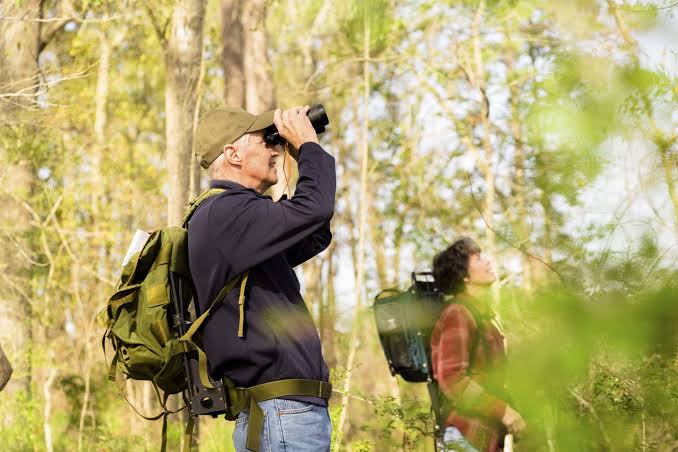
If you only have a few days, look for work with a short introduction and a clear result. Depending on the project, that could mean joining a scheduled bird count led by an experienced surveyor or sorting a batch of camera-trap images using categories the team has already set. Ask whether the host needs the work done that week and how someone will check it. If training and correcting your work would take longer than doing the task, a guided learning visit may be a better choice.
Tree planting is a useful example. A project can count how many seedlings volunteers plant in a morning, but that doesn’t tell you whether the site needed planting or whether the seedlings survived. Ask who chose the site and species, who looks after the seedlings and whether the team checks survival later. You may find that the project needs money for follow-up care more than it needs another planting day.
For a specialist placement, agree on a clear result
If you bring skills in data analysis, mapping, fundraising or equipment maintenance, agree on what you’ll deliver before you travel. For instance, could you clean a set of monitoring records and leave instructions staff can use next season? Would it be more helpful to do the work remotely? Ask who will review your output and how you should handle records that identify households or reveal sensitive wildlife locations.
A longer stay may make it easier to learn the project’s methods, but duration does not establish whether your role is useful. A well-defined assignment is worth more than several weeks spent waiting for someone to find you work. Veterinary care, wildlife capture and other specialist tasks belong with qualified, authorised staff.
Put Wildlife Welfare Ahead of Close Encounters
Be wary of placements that advertise cub cuddling, souvenir photos with wild animals or routine handling by untrained guests. An animal may need feeding, treatment or rehabilitation, but that doesn’t make visitor contact necessary. If a sanctuary says contact is essential, ask who decided that, who carries it out and why a visitor needs to be involved. A rescue facility should be able to explain why an animal is in its care and whether the goal is release or long-term care.
Be particularly cautious around gorillas and chimpanzees. People can pass infections to great apes. Ask how the project keeps people and animals apart, what happens if a volunteer feels unwell and who can stop an activity. A credible project will turn you away from fieldwork when there is a welfare or health reason to do so, even if you have already paid.
Observation at a distance is often enough to learn from a team. Follow staff instructions on where to stand, what you can photograph and whether you can share images or locations. If you want a lasting record of your placement, ask whether you can photograph the equipment or the work area instead of posting an animal’s location or someone’s portrait without permission.
Ask Where Your Fee Goes
A fee can reasonably cover accommodation, meals, transport, equipment and staff time. Ask for a breakdown so you can distinguish those costs from any money that goes directly to conservation. If the seller says part of the fee supports the project, ask how much, which organisation receives it and what it pays for. Also ask who receives your payment and what happens to it if fieldwork is cancelled.
Look for evidence that matches the project’s stated goal. A monitoring team might show how it checks data and uses the results to plan the next survey. A habitat project might report how much ground it restored and what maintenance it still needs. A small organisation may not have a polished annual report. It should still be able to tell you what changed, what hasn’t worked and what it plans to do next.
Check Permissions, Insurance and Supervision Before Paying
Don’t assume that entering a country as a tourist lets you take up an unpaid placement. Ask the host what permission applies to your nationality, duties and length of stay, and verify it with the destination’s immigration authority. If the role involves research, work inside a protected area or access to restricted records, ask who holds any required approvals and whether they cover your tasks. Get the answers before buying flights you cannot change.
Check whether your insurance covers the work as described, including field travel and emergency evacuation where relevant. Ask who leads your induction, how the team communicates away from reliable phone coverage and who you can contact if you’re asked to do something outside your role. If no one can explain how the placement is supervised, don’t rely on sorting it out after arrival.
When a Guided Visit or Donation Makes More Sense
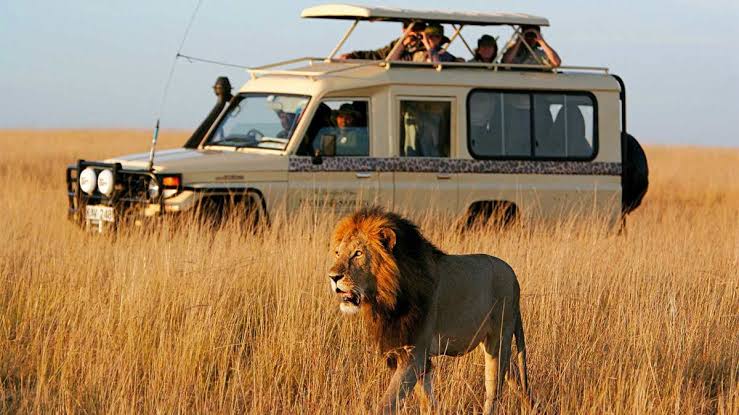
If you have one free morning on safari, book a guided conservation visit if your main goal is to learn. Ask a ranger or fieldworker to explain a real part of their work, such as how they record sightings or decide where to survey next. Pay the agreed fee and let the host decide whether there’s a suitable activity you can join. You can learn a great deal without taking on work that the team has to supervise.
If you mainly want to support a particular outcome, ask whether a direct donation would help more than your presence. The project may have a clear need for fuel, repairs or a paid field assistant. Knowing what your money supports makes it easier to choose between two worthwhile options.
Frequently Asked Questions
Can I volunteer without conservation experience?
Yes, if the host has a defined role for beginners and time to train and supervise you. Ask what you’ll be able to do independently and what staff will check. Avoid programmes that promise specialist work without requiring relevant experience.
Does a high volunteer fee mean more money goes to conservation?
No. A higher price may reflect accommodation, transfers or agency costs. Ask for a written breakdown and the amount the local project receives. Compare that with what you could contribute through a guided visit and a direct donation.
What is the clearest reason to walk away?
Walk away if the organiser won’t name the local host, explain your duties or answer basic questions about wildlife contact. A credible project may turn down a volunteer whose skills or dates don’t fit. That’s a better sign than a provider that promises the same placement to everyone.