Dar es Salaam City Guide: Beaches, Markets, and Museums
Dar es Salaam is Tanzania’s largest city and an important gateway to the country’s Indian Ocean coastline, cultural attractions and southern safari destinations. Known for its lively markets, coastal restaurants, historical buildings and beautiful nearby islands, the city offers visitors a different experience from Tanzania’s national parks. You can explore traditional markets, visit museums, enjoy local food and relax on sandy beaches during the same holiday. This Dar es Salaam city guide explains the best places to visit, beaches, shopping areas, museums, transport options and practical information to help you plan an enjoyable stay in Tanzania’s commercial centre.
Where Is Dar es Salaam Located?
Dar es Salaam is situated on Tanzania’s eastern coastline, overlooking the Indian Ocean.
The city is an important transport and business centre, with international flights, domestic connections and ferry services.
Julius Nyerere International Airport serves travellers arriving from different countries.
Dar es Salaam is also a common starting point for visits to Zanzibar, southern Tanzania national parks and other coastal destinations.
Why Visit Dar es Salaam?
Many travellers pass through Dar es Salaam on their way to Zanzibar or a safari.
However, the city has enough attractions to justify spending several days.
Its museums explain Tanzania’s history, while markets provide opportunities to experience everyday commerce.
The coastline offers beaches, boat excursions and seafood restaurants.
Best Beaches in Dar es Salaam
Dar es Salaam has several coastal areas where visitors can enjoy ocean views and beach activities.
However, swimming conditions vary depending on tides, currents, water quality and the location.
1. Coco Beach
Coco Beach is located along the Msasani Peninsula.
It is one of the city’s well-known public beach areas.
Local residents often visit to relax, socialise and enjoy the coastal atmosphere.
Food vendors and nearby restaurants contribute to the area’s activity.
Coco Beach can become busy during weekends and public holidays.
Visitors should take care of personal belongings and avoid swimming without confirming that conditions are safe.
2. Mbezi Beach
Mbezi Beach lies north of the city centre.
The surrounding area includes hotels, restaurants and residential developments.
Some properties provide access to coastal facilities and ocean views.
Mbezi can be suitable for travellers who prefer accommodation away from the busiest central streets.
However, reaching central attractions may require additional travel time.
3. Kigamboni Beaches
Kigamboni is situated south of Dar es Salaam’s main harbour area.
The district contains several beach destinations and coastal accommodation properties.
Visitors can enjoy sandy shorelines, restaurants and relaxing surroundings.
Some beach areas are more developed than others.
Choose accommodation based on your preferred facilities and transport arrangements.
4. Kunduchi Beach
Kunduchi is another coastal area north of Dar es Salaam.
It has established hotels and recreational facilities.
Visitors may combine a stay here with boat excursions to nearby marine reserves.
Bongoyo Island: A Beach Excursion
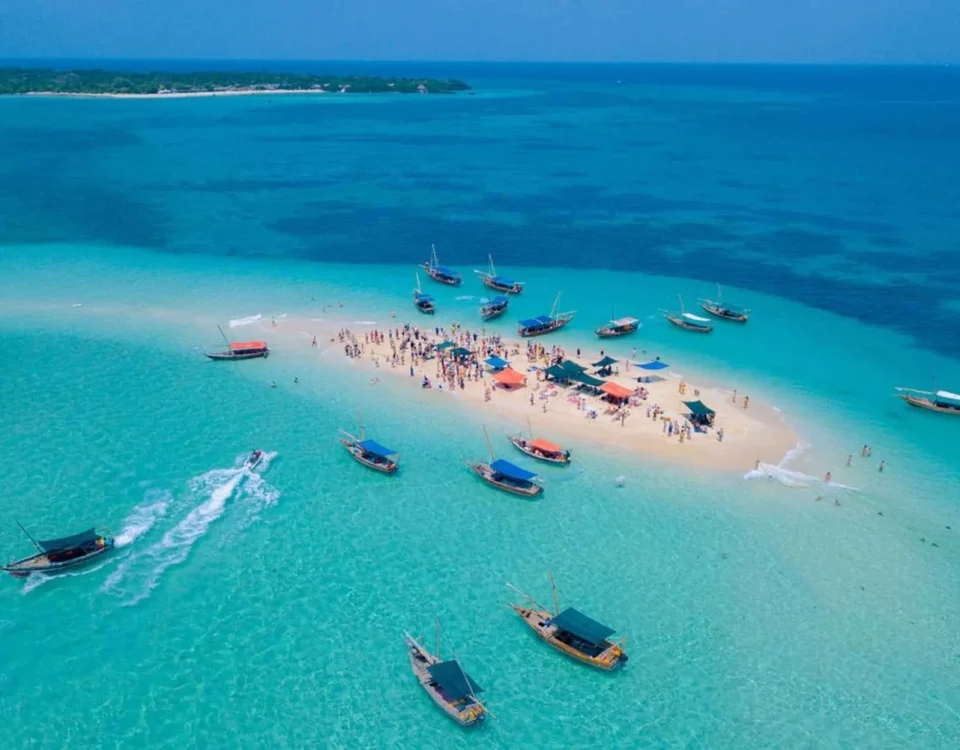
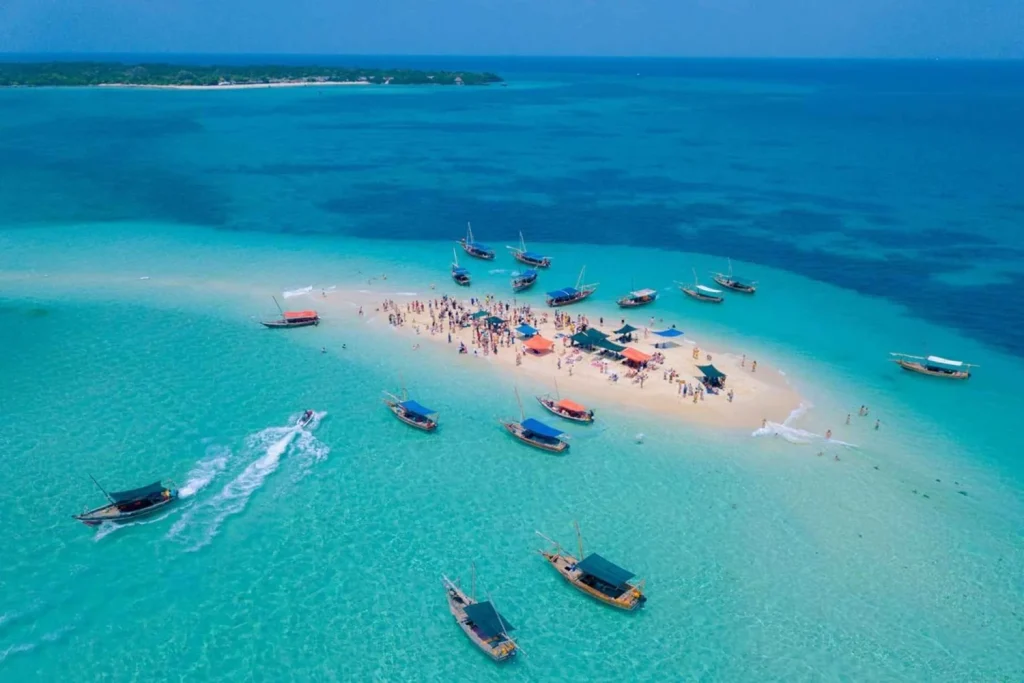
Bongoyo Island is one of the protected islands within the Dar es Salaam Marine Reserves system.
It is a popular option for visitors who want to spend time away from the busy city.
The island offers sandy beaches and coastal vegetation.
What to Do on Bongoyo Island
Activities may include:
- Relaxing on the beach
- Swimming where conditions permit
- Coastal photography
- Short walks along permitted areas
- Enjoying the surrounding scenery
Marine conditions vary, and activities depend on conservation regulations.
How to Reach Bongoyo
Visitors normally travel by authorised boat services from suitable departure points around the northern coastline.
Boat schedules and charges can change.
Confirm return arrangements before departure.
Mbudya Island: Another Coastal Escape
Mbudya Island is another protected island near Dar es Salaam.
It forms part of the city’s marine reserve system.
The island attracts visitors interested in beaches, swimming and relaxing day trips.
What to Expect
You can enjoy coastal scenery and spend time on designated beach areas.
Facilities may be limited compared with mainland resorts.
Carry essentials such as sunscreen, drinking water and suitable footwear.
Visitors must follow marine reserve regulations and avoid damaging coral or other habitats.
Best Markets in Dar es Salaam
Markets are an important part of everyday life in Dar es Salaam.
They provide opportunities to observe local trading activities and purchase different products.
However, markets can be crowded and confusing for first-time visitors.
A local guide can make the experience more comfortable.
1. Kariakoo Market Area
Kariakoo is one of Dar es Salaam’s busiest commercial districts.
The surrounding streets contain numerous shops, stalls and trading businesses.
Visitors can find clothing, household goods, fabrics and other products.
What to Expect in Kariakoo
The area is lively and often crowded.
Pedestrians, vehicles and traders share busy streets.
Keep valuables secure and avoid displaying large amounts of cash.
If you want to buy something, compare prices before making a purchase.
2. Kivukoni Fish Market
Kivukoni Fish Market is associated with Dar es Salaam’s fishing industry.
Visitors may observe fish trading and other activities connected to the local seafood economy.
Early morning can be particularly active.
However, conditions are busy and the working environment may not suit everyone.
Ask permission before photographing traders or their products.
3. Mwenge Woodcarvers Market
The Mwenge area is known for shops and stalls selling woodcarvings and handicrafts.
Visitors may find decorative objects, sculptures and other handmade items.
Some products reflect different artistic traditions.
Before purchasing, ask about the materials used and whether an item can legally be exported to your home country.
Museums in Dar es Salaam
Dar es Salaam has several museums that provide information about Tanzania’s history and cultural heritage.
These attractions are particularly useful for visitors interested in learning more about the country.
National Museum and House of Culture
The National Museum and House of Culture is one of Dar es Salaam’s important cultural institutions.
Located in the central city area, it presents exhibitions related to Tanzanian history, archaeology and cultural heritage.
What Can You Learn?
Visitors may encounter exhibitions covering:
- Tanzania’s history
- Archaeological discoveries
- Cultural traditions
- Historical artefacts
- Natural heritage
- National development
The exhibits provide context for understanding the country’s different communities and historical periods.
Village Museum
The Village Museum, commonly known as Makumbusho, is another established attraction.
It contains examples of traditional buildings associated with different Tanzanian communities.
Visitors can learn about architectural styles, household arrangements and cultural practices.
Why Visit the Village Museum?
The museum is particularly suitable for travellers interested in traditional architecture and cultural history.
It provides opportunities to compare different building techniques and household designs.
Some cultural activities or demonstrations may be available according to the museum’s programme.
Confirm operating arrangements before visiting.
Historical Attractions in Dar es Salaam
Dar es Salaam contains buildings and landmarks associated with different periods of its development.
Askari Monument
The Askari Monument is a recognised landmark in the central city.
It commemorates African soldiers who served during the First World War.
Visitors interested in colonial-era history may include it during a guided city tour.
St Joseph’s Cathedral
St Joseph’s Cathedral is an important religious and architectural landmark.
Its distinctive appearance contributes to the city’s historical streetscape.
Visitors should respect religious activities and any access restrictions.
Azania Front Lutheran Church
Azania Front Lutheran Church is another historical building near the central waterfront.
Its architecture reflects an earlier period of the city’s development.
Ask permission before entering areas where religious services are taking place.
Food and Restaurants in Dar es Salaam
Dar es Salaam offers a wide variety of Tanzanian and international food.
Its coastal location contributes to the popularity of seafood dishes.
Visitors can also enjoy rice dishes, grilled meat and traditional snacks.
Popular Foods to Try
- Pilau
- Biryani
- Grilled fish
- Ugali
- Mishkaki
- Chapati
- Samosas
- Fresh tropical fruit
Food preparation varies between restaurants and vendors.
Choose clean establishments and ensure food is properly cooked.
Where to Eat
Restaurants are available around the city centre, Masaki, Oyster Bay, Msasani and other established areas.
Some offer ocean views, while others focus on local cuisine.
Prices vary according to location and facilities.
Best Areas to Stay in Dar es Salaam
Accommodation ranges from budget guesthouses to luxury hotels.
The best location depends on your travel plans.
Accommodation Areas
| Area | Suitable For | Main Advantage |
|---|---|---|
| City centre | Business and short-stay travellers | Access to central attractions |
| Masaki | Leisure and business visitors | Restaurants and modern facilities |
| Oyster Bay | Couples and families | Coastal surroundings |
| Mbezi Beach | Beach-focused travellers | Ocean accommodation |
| Kigamboni | Relaxing coastal stays | Beach atmosphere |
| Airport area | Transit travellers | Convenient flight connections |
Staying Near the Airport
Airport accommodation can be useful if you have an early departure or late arrival.
However, traffic conditions should still be considered.
Staying in Masaki or Oyster Bay
These areas are suitable for visitors interested in restaurants, accommodation and coastal activities.
They can also provide convenient access to certain boat departure points.
Getting Around Dar es Salaam
Dar es Salaam is a busy city, and traffic can significantly affect journey times.
Visitors should plan transport carefully.
Airport Transfers
Prearranged hotel transfers are convenient for international arrivals.
Confirm the driver’s details before departure.
Taxis and Ride-Hailing Services
Taxis and app-based transport services are available.
Choose reputable providers and confirm fares or estimated charges before travelling.
Public Transport
Dar es Salaam has public buses and bus rapid transit services.
These can be useful for experienced travellers.
However, routes and payment arrangements may be unfamiliar to first-time visitors.
Best Time to Visit Dar es Salaam
Dar es Salaam has a warm coastal climate.
Rainfall varies during the year.
Seasonal Travel Guide
| Period | General Conditions | Visitor Experience |
|---|---|---|
| January–February | Often hot | Beach activities and sightseeing |
| March–May | Main rainy period | Wetter conditions |
| June–September | Generally drier | Comfortable outdoor activities |
| October–December | Warm with variable rainfall | Mixed conditions |
Weather conditions change between years.
June to September is often comfortable for walking and sightseeing.
Suggested 3-Day Dar es Salaam Itinerary
Day 1: Museums and Historical Attractions
Begin with the National Museum and House of Culture.
Continue towards central historical landmarks.
Enjoy lunch at a local restaurant.
Spend the afternoon exploring selected streets and waterfront areas with a guide.
Day 2: Markets and Cultural Experiences
Visit Kariakoo or Kivukoni Fish Market during a suitable time.
Continue to Mwenge Woodcarvers Market.
Spend the afternoon at the Village Museum.
Return to your accommodation for dinner.
Day 3: Beaches and Marine Islands
Arrange an authorised boat excursion to Bongoyo or Mbudya Island.
Enjoy the beach and surrounding scenery.
Return to the mainland in the afternoon.
Finish your visit with a coastal dinner.
Practical Travel Tips
Carry Suitable Clothing
Lightweight clothing is comfortable in the coastal climate.
Bring a sun hat, sunscreen and comfortable walking shoes.
Keep Valuables Secure
Busy markets and transport areas require normal city precautions.
Avoid displaying expensive belongings unnecessarily.
Allow Extra Travel Time
Traffic congestion can make relatively short journeys take longer than expected.
Leave sufficient time for airport and ferry departures.
Respect Local Customs
Dress appropriately when visiting religious sites or traditional communities.
Ask permission before photographing people.
Combining Dar es Salaam With Other Destinations
Dar es Salaam is a convenient starting point for several Tanzania holidays.
Zanzibar is accessible through established ferry and flight services.
Saadani National Park provides opportunities to combine wildlife and coastal scenery.
Mikumi and Nyerere National Parks offer additional safari experiences.
Travellers should consider transport distances and schedules before combining several destinations.
Frequently Asked Questions
Is Dar es Salaam Worth Visiting?
Yes. The city offers museums, markets, restaurants, historical attractions and coastal excursions.
How Many Days Do You Need?
Two or three days is suitable for exploring several major attractions.
Are There Good Beaches?
Yes. Visitors can enjoy established coastal areas and nearby marine reserve islands.
Can You Visit Zanzibar From Dar es Salaam?
Yes. Ferry and flight services connect Dar es Salaam with Zanzibar.
Is Dar es Salaam Suitable for Families?
Yes. Families can enjoy museums, suitable beaches and organised activities.
What Is Dar es Salaam Famous For?
The city is known for its commercial importance, Indian Ocean coastline, cultural diversity, markets and transport connections.
Dar es Salaam offers visitors an interesting combination of Tanzanian culture, coastal scenery and urban attractions.
Its markets provide opportunities to experience local commerce, while museums explain the country’s history and heritage.
Nearby islands and beaches offer relaxing activities away from busy streets.
For a comfortable visit, spend at least two or three days exploring the city and plan transport carefully.
Dar es Salaam also works well as a starting point for Zanzibar or southern Tanzania safaris.