Daypack Essentials for a Day on the Gorilla Trail
Knowing which daypack essentials to carry for a day on the gorilla trail can make a considerable difference to your trekking experience. A morning that begins with clear skies at your lodge can quickly turn into several hours of walking through muddy valleys, wet vegetation and steep forest trails.
Unlike ordinary game drives, gorilla trekking takes you away from your safari vehicle for an unpredictable amount of time. Everything you may need during the excursion should therefore be packed before leaving your accommodation.
Water, a packed lunch, waterproof clothing, protective gloves, personal medication and camera equipment are among the most useful items to carry. However, packing too much can make walking unnecessarily tiring.
Whether you are trekking in Bwindi Impenetrable National Park, Mgahinga Gorilla National Park or Rwanda’s Volcanoes National Park, a well-organised daypack helps you remain comfortable and prepared throughout your forest adventure.
Choosing the Right Daypack for Gorilla Trekking
Before deciding what to carry, consider the size and design of your backpack. A daypack with a capacity of 15 to 25 litres is generally sufficient for a standard mountain gorilla trek.
Avoid large expedition backpacks unless you have particular equipment requirements. Narrow forest paths and thick vegetation can make bulky luggage difficult to manage.
Look for padded shoulder straps, an adjustable chest strap, accessible water bottle pockets and a comfortable back panel. A waterproof cover is particularly useful in Bwindi, where showers can develop unexpectedly.
| Daypack capacity | Recommended use |
|---|---|
| 10–15 litres | Short forest excursions |
| 15–20 litres | Standard gorilla trekking |
| 20–25 litres | Trekking with photography equipment |
| 25–30 litres | Extended treks and additional equipment |
Try walking with your loaded backpack before departure. A bag that feels comfortable when empty may become uncomfortable after carrying water, food and photography equipment for several hours.
Essential Items to Carry on the Gorilla Trail
1. Sufficient Drinking Water
Water should be among the first items you pack. Walking through humid forests and climbing steep hillsides can increase perspiration, even when temperatures feel relatively cool.
Carry approximately two litres of drinking water as a starting point. You may require more depending on the expected trekking duration, weather and your personal needs.
The Uganda Wildlife Authority indicates that gorilla trekking excursions may last between two and seven hours. Preparing for a longer walk is therefore sensible.
Reusable water bottles or hydration reservoirs are practical options. Drink regularly during ranger-approved breaks rather than waiting until you become excessively thirsty.
2. Packed Lunch and Energy Snacks
Most safari lodges arrange packed lunches for guests undertaking gorilla trekking. Confirm this arrangement the evening before your excursion.
A useful packed lunch might include sandwiches, fruit, boiled eggs and other foods that travel well without refrigeration for the expected duration.
Energy bars, crackers and dried fruit are convenient snacks during longer walks.
Avoid carrying unnecessarily heavy food containers. Keep all food securely packed and follow your ranger’s instructions regarding where you can eat.
Eating and drinking near mountain gorillas are prohibited because these activities may create health and behavioural risks.
3. Lightweight Waterproof Jacket
Rainfall in mountain forests does not always follow predictable seasonal patterns. A clear morning can develop into a wet afternoon without much warning.
Pack a lightweight waterproof jacket with sealed seams and an adjustable hood. Choose breathable material that allows moisture to escape during uphill walking.
Keep your jacket near the top of your daypack. Having to unpack everything during a sudden shower is inconvenient, particularly when standing on a muddy forest path.
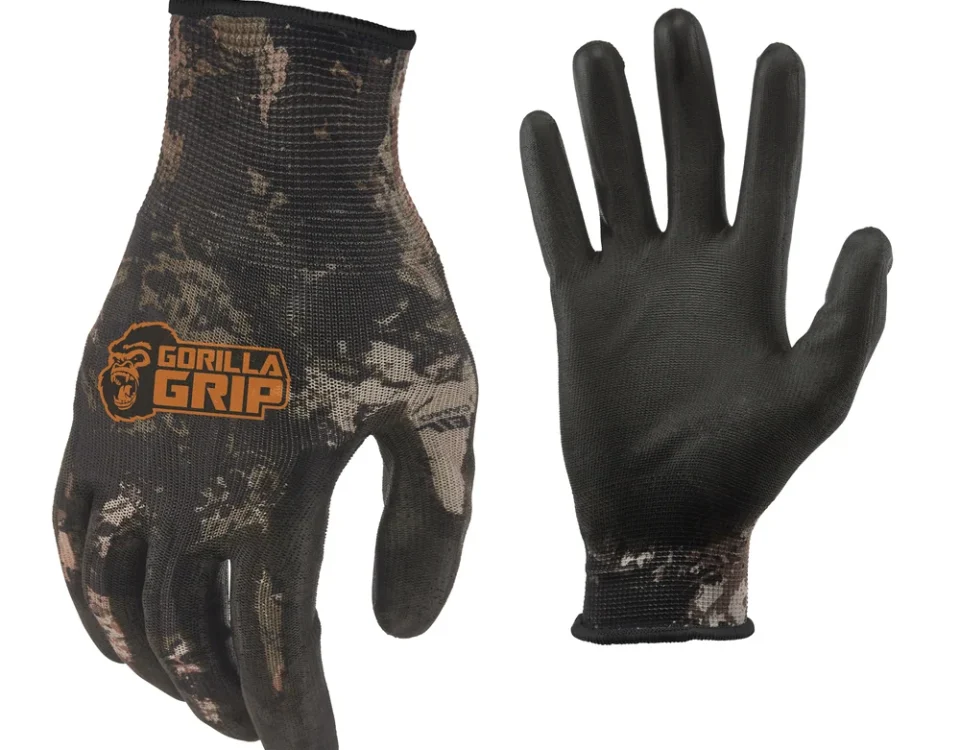
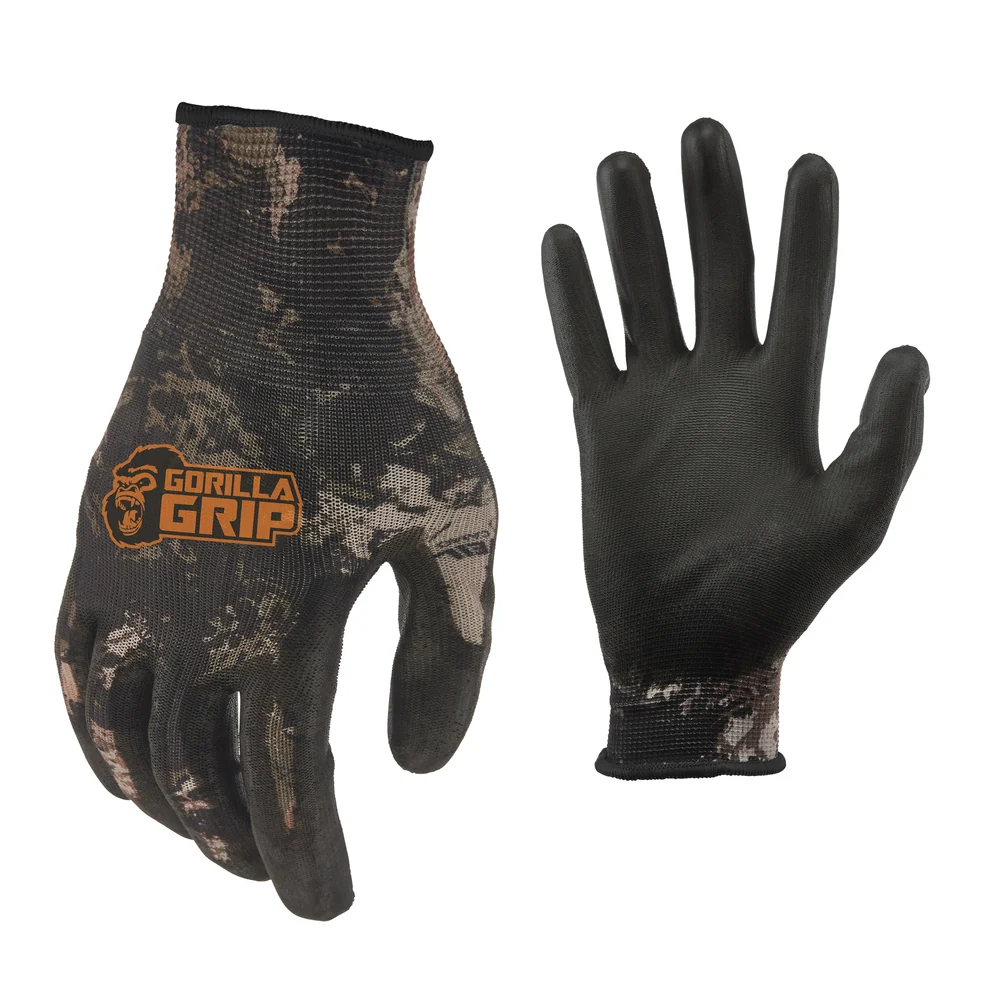
4. Gardening or Hiking Gloves
A pair of gardening gloves is particularly useful when walking through thick vegetation.
Stinging nettles, rough branches and thorny plants can irritate exposed hands. Gloves with reinforced palms provide protection while improving your grip on walking sticks.
Choose full-finger gloves that allow comfortable hand movement. There is little reason to purchase expensive technical gloves for a single gorilla trek.
5. Insect Repellent
Tropical forests contain numerous insects, including mosquitoes, ants and biting flies.
Carry a suitable insect repellent in a small, securely closed container. Apply it according to the manufacturer’s instructions before entering the forest.
Long-sleeved shirts, hiking trousers and gaiters provide additional protection against insects.
Avoid spraying repellent near gorillas or other wildlife.
6. Camera and Spare Batteries
For many travellers, photographing mountain gorillas is an important part of the experience.
Pack your camera with a suitable lens, fully charged batteries and sufficient memory card storage.
A versatile zoom lens is generally more convenient than carrying several heavy lenses. Dense vegetation and humid conditions can make changing lenses difficult.
Keep your camera inside a protective bag until you need it. Remember to disable flash photography and autofocus assistance lights before approaching the gorillas.
7. Waterproof Dry Bags
An external backpack cover provides useful protection, but it may not prevent every leak.
Small waterproof dry bags protect mobile phones, cameras, batteries, personal documents and spare clothing.
A five-litre dry bag is often sufficient for smaller valuables, while photographers may require a larger version.
Pack electronic equipment separately from drinking water bottles to reduce the risk of accidental water damage.
8. Personal Medication and Basic First Aid
Carry any prescribed medication you may require during the excursion.
A small personal first aid kit can contain blister plasters, adhesive dressings, antiseptic wipes and other appropriate supplies.
Travellers with allergies or existing medical conditions should carry necessary medication and inform their guide about relevant health requirements.
Keep medication in its original packaging where practical and protect it against moisture.
Gorilla Trekking Daypack Checklist
The following checklist provides a practical starting point when preparing your backpack.
| Item | Suggested quantity | Priority |
|---|---|---|
| Drinking water | Approximately 2 litres | Essential |
| Packed lunch | 1 per person | Essential |
| Energy snacks | 2–3 portions | Recommended |
| Waterproof jacket | 1 | Essential |
| Gardening gloves | 1 pair | Recommended |
| Spare hiking socks | 1 pair | Recommended |
| Insect repellent | 1 small container | Recommended |
| Camera | 1 | Optional |
| Spare batteries | 1–2 | Recommended for photographers |
| Waterproof dry bag | 1–2 | Recommended |
| Personal medication | As required | Essential where applicable |
| Face masks | 2–3 | Follow park requirements |
| Sunscreen | 1 small container | Recommended |
| Hand sanitiser | 1 small container | Recommended |
| Waste bag | 1 | Essential |
| Passport and permit documents | As required | Essential |
Adjust your packing list according to personal requirements, weather conditions and instructions from your safari operator.
Additional Items Worth Carrying
Spare Hiking Socks
Wet socks can become uncomfortable during prolonged walking and may contribute to blisters.
A spare pair of moisture-managing hiking socks takes up little space and can be particularly useful during rainy-season trekking.
Face Masks
Mountain gorillas are susceptible to certain infectious diseases carried by humans.
Carry clean face masks and follow the health requirements communicated during your trekking briefing. Do not participate in gorilla trekking if you have symptoms of a contagious illness.
Sunscreen and a Hat
Although much of the trek takes place beneath forest vegetation, some routes begin in exposed agricultural areas or open mountain landscapes.
A small container of sunscreen and a lightweight hat provide useful protection against sun exposure.
Toilet Tissue and a Waste Bag
Established toilet facilities are generally unavailable once you enter remote forest areas.
Carry a small quantity of toilet tissue and ask your ranger for guidance if you need a toilet break.
Do not leave tissue, food wrappers or other waste behind in the forest.
How Much Should Your Gorilla Trekking Daypack Weigh?
For an ordinary gorilla trek, aiming for a daypack weighing approximately three to five kilograms is a reasonable starting point, rather than a compulsory weight limit.
| Packed item | Approximate weight |
|---|---|
| Empty daypack | 600g |
| Two litres of water | 2,000g |
| Lunch and snacks | 500g |
| Waterproof jacket | 350g |
| Camera and lens | 1,000g |
| Personal accessories | 400g |
| Estimated total | 4,850g |
Photographers carrying professional cameras and telephoto lenses may exceed this weight considerably.
Avoid sacrificing drinking water or essential medication simply to reduce backpack weight. Hiring a local porter is a better alternative when carrying heavier equipment.
Should You Hire a Porter to Carry Your Daypack?
Hiring a porter is worth considering, particularly if you are unfamiliar with mountain hiking or carrying heavy photography equipment.
A porter can carry your daypack and provide walking assistance where appropriate. This leaves you with greater freedom to concentrate on your footing during demanding forest sections.
Porter services also provide employment opportunities for communities surrounding national parks.
Keep any immediately necessary medication accessible, even when someone else carries your backpack.
Daypack Essentials for Different Gorilla Trekking Destinations
Bwindi Impenetrable National Park
Bwindi’s steep slopes and dense vegetation make waterproof equipment, sufficient water and protective gloves particularly useful.
Visitors trekking in Rushaga or Nkuringo should prepare for potentially demanding climbs and descents.
Mgahinga Gorilla National Park
Mgahinga’s elevated volcanic landscapes can experience cold mornings and sudden weather changes. Pack a lightweight fleece alongside your waterproof jacket.
Volcanoes National Park
Rwanda’s mountain forests contain areas of bamboo vegetation and stinging nettles. Gardening gloves, gaiters and protective clothing are particularly valuable.
Keep your camera and other electronics protected against mountain mist and rainfall.
What Should You Leave at Your Safari Lodge?
Packing unnecessary equipment increases fatigue without improving your trekking experience.
Leave heavy laptops, jewellery, unnecessary camera lenses, large toiletries and other non-essential belongings at your accommodation where secure storage is available.
Drones should also remain behind unless you have exceptional authorisation for their use.
Carry only the money and documents required for your day’s activities.
Frequently Asked Questions
What size daypack is best for gorilla trekking?
A 15 to 25-litre daypack is suitable for most visitors carrying water, lunch, waterproof clothing and personal equipment.
How much water should I carry for gorilla trekking?
Approximately two litres is a useful starting point. Individual requirements depend on trekking duration, physical activity and weather conditions.
Do safari lodges provide packed lunches?
Many gorilla safari lodges provide packed lunches upon request or as part of accommodation packages. Confirm arrangements beforehand.
Can I carry food into Bwindi Forest?
Yes. Visitors can carry packed lunches and snacks but must follow ranger instructions and avoid eating near mountain gorillas.
Do I need a waterproof backpack?
A waterproof backpack is useful but not essential if you have a suitable rain cover and waterproof internal storage bags.
Should I pack differently during the rainy season?
Yes. Additional waterproof protection, spare socks and quick-drying clothing become particularly useful during wetter months.
Preparing your daypack essentials before heading onto the gorilla trail can prevent unnecessary discomfort and help you enjoy the day’s wildlife encounter.
Prioritise drinking water, food, waterproof clothing, personal medication and protective equipment. Carry a manageable backpack and consider hiring a porter if your equipment becomes particularly heavy.
The best-packed daypack contains everything you genuinely need without weighing you down during your journey through Uganda or Rwanda’s remarkable mountain forests.