
Vaccinations for Uganda and Rwanda: Health Preparation Guide
Understanding the recommended vaccinations for Uganda and Rwanda is an important part of preparing for an East African safari. Whether you are planning mountain gorilla trekking, wildlife game drives or cultural visits, taking appropriate health precautions before departure can reduce your risk of preventable illnesses.
Uganda and Rwanda have different vaccination entry requirements, particularly concerning yellow fever. Other vaccinations, including hepatitis A, hepatitis B and typhoid, may be recommended depending on your medical history, travel itinerary and planned activities.
Travellers should also consider malaria prevention, food hygiene and protection against insect bites when preparing for their journey.
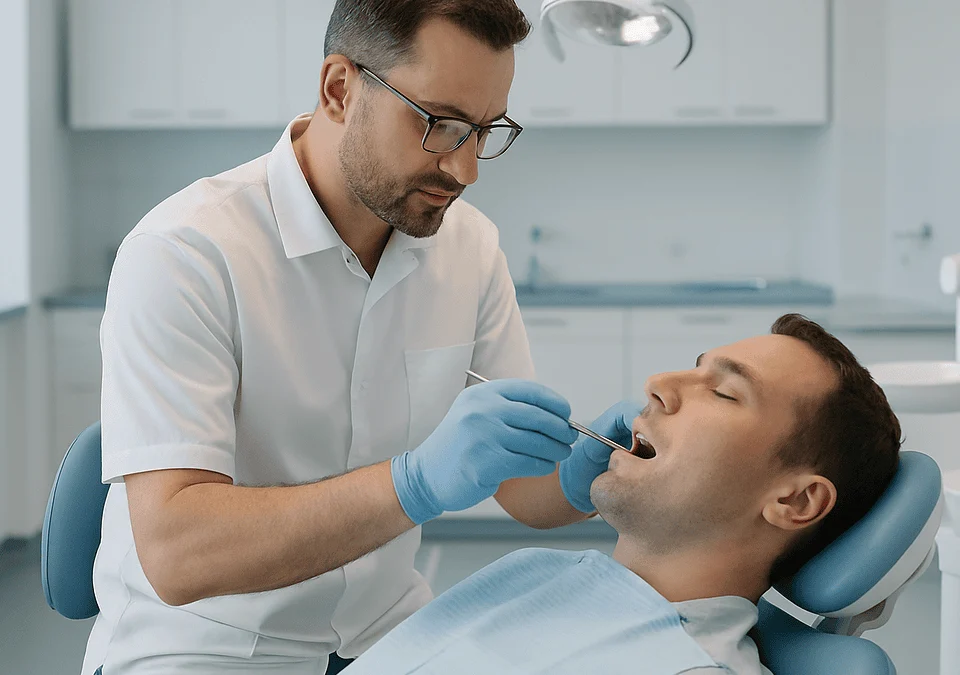
Ideally, arrange an appointment with a travel health professional four to six weeks before departure. Some vaccines require multiple doses, while others need time to provide effective protection.
This guide explains vaccination requirements, recommended immunisations and practical health precautions for visitors planning safaris in Uganda and Rwanda.
Vaccinations for Uganda and Rwanda at a Glance
Before booking a vaccination appointment, understand the difference between compulsory entry requirements and recommended vaccinations. A vaccine may be medically advisable even when immigration authorities do not require a certificate.
| Vaccination | Uganda | Rwanda |
|---|---|---|
| Yellow fever | Recommended for eligible travellers | Entry requirement when arriving from risk countries |
| Hepatitis A | Recommended | Recommended |
| Hepatitis B | Recommended for unvaccinated travellers | Recommended for unvaccinated travellers |
| Typhoid | Recommended for most travellers | Recommended for most travellers |
| Tetanus | Keep vaccination up to date | Keep vaccination up to date |
| Rabies | Recommended according to exposure risk | Recommended according to exposure risk |
| Measles, mumps and rubella | Routine vaccination | Routine vaccination |
| Polio | Review vaccination status | Review vaccination status |
| Cholera | Recommended in selected circumstances | Based on exposure risk |
Your healthcare professional should determine which vaccinations are appropriate for your age, medical history and travel arrangements.
Yellow Fever Vaccination Requirements
Yellow Fever Vaccination for Uganda
Important update for 2026 and 2027 safari travellers: Uganda removed its compulsory yellow fever vaccination certificate requirement for entry in October 2026.
Previously, international travellers generally needed to present proof of yellow fever vaccination upon arrival. Under the revised requirements, this certificate is no longer mandatory for entering Uganda.
However, yellow fever transmission remains a health risk within Uganda, and vaccination is still medically recommended for most eligible travellers.
Visitors continuing to Rwanda or other countries may also require their vaccination certificates. Therefore, removing Uganda’s entry requirement does not eliminate the medical benefits of vaccination or requirements imposed by neighbouring countries.
Yellow Fever Vaccination for Rwanda
Rwanda generally does not require yellow fever vaccination certificates from travellers arriving from countries without yellow fever transmission risk.
However, visitors arriving from yellow fever risk countries, including Uganda, may be required to present a valid International Certificate of Vaccination or Prophylaxis.
This distinction is particularly important when organising combined Uganda and Rwanda gorilla safaris.
For example, a visitor flying directly from London to Kigali without relevant transit exposure may not require a yellow fever certificate. However, the same traveller entering Rwanda after visiting Bwindi in Uganda may need one.
How Long Does Yellow Fever Vaccination Last?
An international yellow fever vaccination certificate normally becomes valid ten days after the first vaccination and remains valid for life under international health regulations.
Most vaccinated travellers do not require routine booster doses.
Pregnant women, immunocompromised individuals, older travellers and people with certain severe allergies should discuss vaccination suitability with a qualified medical professional.
Recommended Vaccinations for Uganda and Rwanda
Hepatitis A Vaccination
Hepatitis A is a viral infection that affects the liver. It commonly spreads through contaminated food, drinking water and poor hand hygiene.
Travellers can encounter hepatitis A even when staying at comfortable hotels or safari lodges. Vaccination is therefore recommended for most previously unvaccinated visitors.
The standard vaccination course generally involves two doses, although schedules depend on the vaccine used.
Continue practising good food and water hygiene after vaccination.
Hepatitis B Vaccination
Hepatitis B spreads through infected blood and certain bodily fluids. Travellers may encounter exposure through medical emergencies, dental procedures, unprotected sexual contact or inadequately sterilised equipment.
Vaccination is particularly worth discussing if you are planning extended holidays, volunteering or frequent visits to East Africa.
Several vaccination schedules are available, including accelerated options for eligible travellers with limited preparation time.
Typhoid Vaccination
Typhoid fever is a bacterial infection associated with contaminated food and water.
Vaccination is recommended for most visitors to Uganda and Rwanda, particularly those travelling through rural communities or spending extended periods outside major towns.
Both injectable and oral vaccines are available in some countries.
Typhoid vaccination does not provide complete protection. Continue drinking safe water and eating properly prepared food throughout your safari.
Tetanus Vaccination
Tetanus bacteria can enter the body through cuts, puncture wounds and injuries contaminated with soil.
Checking your tetanus vaccination status is particularly sensible before gorilla trekking, mountain climbing or guided forest walks.
Bwindi’s thorny vegetation and rough terrain can occasionally cause minor scratches. Your healthcare professional can determine whether you need a booster based on your vaccination history.
Rabies Vaccination
Rabies is a serious viral disease transmitted through contact with infected animals, commonly through bites or scratches.
Pre-travel rabies vaccination may be appropriate for visitors spending considerable time in remote areas where emergency medical treatment is difficult to access.
Avoid touching unfamiliar dogs, monkeys, bats and other wild animals.
If an animal bites or scratches you, immediately wash the wound thoroughly with soap and running water for approximately 15 minutes and seek urgent medical attention, even if you have already received rabies vaccination.
Routine Vaccinations to Review Before Travelling
Before departing for Uganda or Rwanda, ask your healthcare professional to review your routine vaccination records.
These may include:
-
Measles, mumps and rubella (MMR).
-
Diphtheria, tetanus and pertussis.
-
Polio.
-
Influenza.
-
COVID-19.
-
Chickenpox.
Measles vaccination is particularly relevant for international travellers because the disease spreads easily and can cause serious complications.
Additional vaccinations may be appropriate depending on your age, occupation, underlying health conditions and current disease outbreaks.
Malaria Prevention in Uganda and Rwanda
Malaria remains an important health consideration in both countries. Although some high-altitude destinations experience lower transmission levels, travellers should not assume that mountainous gorilla trekking regions are entirely risk-free.
Malaria vaccines used in childhood immunisation programmes are not a substitute for the preventive medicines recommended for ordinary international travellers.
Recommended Malaria Prevention Medicines
| Medication | Typical preventive schedule |
|---|---|
| Atovaquone-proguanil | Before, during and seven days after exposure |
| Doxycycline | Before, during and four weeks after exposure |
| Mefloquine | Before, during and four weeks after exposure |
These medicines have different starting times, potential side effects and medical restrictions. Your doctor should select the most suitable option and provide a complete dosing schedule.
Protecting Yourself Against Mosquito Bites
Wear long-sleeved shirts and trousers, particularly during evenings and early mornings. Use an appropriate insect repellent containing DEET or picaridin according to its instructions.
Sleep under mosquito nets where provided and keep accommodation doors and windows closed or screened.
Daytime protection is also important because mosquitoes responsible for yellow fever, dengue and chikungunya may bite during daylight hours.
If you develop a fever during or after your safari, seek urgent medical assessment and explain your travel history.
Vaccination Preparation Timeline
Starting your health preparations early allows sufficient time to review your vaccination records and receive any necessary doses.
| Time before departure | Recommended preparation |
|---|---|
| 6–8 weeks | Arrange a travel health consultation |
| 4–6 weeks | Begin recommended vaccination courses |
| 3–4 weeks | Review routine vaccinations |
| At least 10 days | Complete first yellow fever vaccination if required |
| 1–2 weeks | Confirm malaria prevention arrangements |
| Final week | Prepare medication and health documents |
| Departure day | Check vaccination certificates and insurance |
If your departure is only a few days away, consult a travel health professional anyway. Some preventive measures remain beneficial even when preparation time is limited.
Health Preparation for Gorilla Trekking
Mountain gorillas share susceptibility to several infectious diseases with humans. Visitors carrying respiratory infections can potentially threaten the health of endangered gorilla populations.
Do not participate in gorilla trekking if you develop symptoms of a contagious illness.
Follow ranger instructions concerning face masks, wildlife viewing distances and personal hygiene.
Gorilla trekking can also involve demanding climbs at considerable elevations. Travellers with respiratory conditions, cardiovascular problems or mobility limitations should discuss their planned activities with a healthcare professional.
Vaccination alone does not replace responsible behaviour during wildlife encounters.
Food and Drinking Water Precautions
Vaccinations cannot prevent every illness associated with contaminated food or water.
Drink sealed bottled water or properly treated water. Avoid ice when you are uncertain about its water source, and choose freshly prepared meals served at appropriate temperatures.
Wash your hands regularly, particularly before eating and after using toilet facilities.
Carry oral rehydration salts in your personal travel health kit. These can help replace fluids and electrolytes lost during diarrhoea.
Seek medical attention if you experience severe symptoms, persistent fever, bloody diarrhoea or signs of dehydration.
Travel Health Insurance and Medical Preparation
Medical facilities in remote safari destinations may have limited resources. Reaching a major hospital can require considerable road travel or emergency evacuation.
Choose travel insurance that covers medical treatment, emergency evacuation and your planned activities, including gorilla trekking.
Carry sufficient prescribed medication, vaccination records, emergency contact information and insurance documents.
Frequently Asked Questions
Is yellow fever vaccination compulsory for Uganda in 2027?
Uganda’s immigration authority announced on 2 October 2026 that proof of yellow fever vaccination was no longer compulsory for entry. Vaccination remains medically recommended for eligible travellers. Check for further changes before travelling.
Do I need yellow fever vaccination when travelling from Uganda to Rwanda?
Rwanda requires proof of yellow fever vaccination for eligible travellers arriving from countries with transmission risk, including Uganda.
Can I visit Uganda and Rwanda without travel vaccinations?
Depending on your itinerary, you may satisfy entry requirements without certain vaccinations. However, travelling without recommended medical protection can increase your risk of preventable illnesses.
Do I need malaria tablets for gorilla trekking?
Preventive malaria medication is generally recommended for travellers visiting Uganda and Rwanda. Consult your doctor about the appropriate medication for your itinerary.
How early should I receive my travel vaccinations?
Ideally, arrange your travel health consultation four to six weeks before departure. Some vaccination courses may require additional preparation time.
Do children need vaccinations before visiting East Africa?
Yes. Children should receive age-appropriate routine and recommended travel vaccinations following advice from a qualified healthcare professional.
Preparing your vaccinations for Uganda and Rwanda is an essential part of organising a responsible East African safari. Understanding yellow fever entry regulations, reviewing routine immunisations and arranging malaria prevention can reduce avoidable health risks.
Consult a travel health professional before departure, carry the necessary medical documents and maintain good hygiene throughout your holiday.