Discover Rwanda’s Best Time to Visit for Gorilla Trekking
Rwanda, often called the “Land of a Thousand Hills,” offers a striking blend of natural beauty, rich culture, and unforgettable wildlife encounters. Chief among its draws is gorilla trekking, a once-in-a-lifetime opportunity to encounter the majestic mountain gorillas in their natural habitat. Getting the timing right, choosing the right places to explore, and picking accommodation that suits your budget all shape how the trip comes together. This guide covers the best season to visit, where to go, how to get around, and where to stay.
The Best Time to Visit
Rwanda’s tropical climate runs through two dry seasons and two wet seasons, and timing matters for gorilla trekking. The best time to visit is during the dry seasons, June through September and December through February. Trails stay drier and less muddy during these months, which makes trekking easier. The dry season also brings clearer skies, better for photography and for taking in Rwanda’s lush landscapes.
The wet seasons, March through May and October through November, bring heavier rainfall that can make trails slippery and more demanding. Visiting during the rains has its own rewards, though: fewer tourists, lower accommodation rates, and vivid greenery. Travelers prepared for a more adventurous trek often still find the wet season worthwhile.
Top Places to Visit
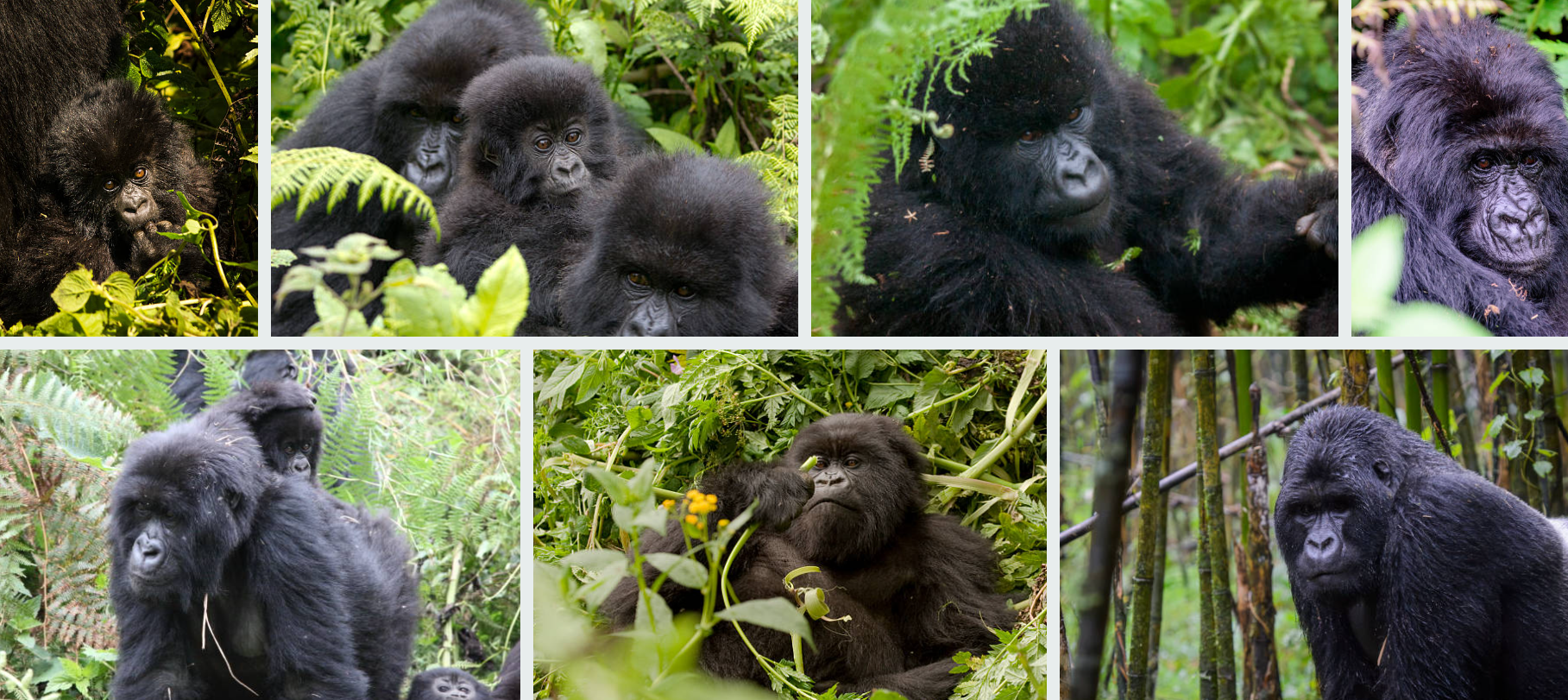
Gorilla trekking is the highlight of most trips to Rwanda, but the country offers plenty more. Consider adding these to your itinerary:
- Volcanoes National Park: in the northwest, this park is the heart of Rwanda’s gorilla trekking scene, home to over half of the world’s mountain gorilla population along with golden monkeys and other wildlife. Its volcanic peaks and dense forest set a dramatic scene.
- Nyungwe Forest National Park: this ancient rainforest is a biodiversity hotspot, offering chimpanzee trekking, canopy walks, and birdwatching, with over 1,000 plant species and 13 primate species.
- Akagera National Park: for a classic African safari, head east to Akagera, home to the Big Five (lion, leopard, elephant, buffalo, and rhino) plus giraffes, zebras, and hippos. Boat safaris on Lake Ihema offer a different angle on the park’s wildlife.
- Lake Kivu: one of Africa’s Great Lakes, Lake Kivu is a calm spot for relaxation and water activities. The lakeside towns of Gisenyi, Kibuye, and Cyangugu offer scenic views, boat rides, and cultural experiences.
- Kigali: Rwanda’s capital is a vibrant hub of culture and history. The Kigali Genocide Memorial, local markets, and a thriving food and arts scene are all worth a visit.
Getting Around Rwanda
Rwanda’s well-maintained road network makes getting around straightforward. Here are the main options:
- Private Car Hire: renting a car with a driver is the most convenient way to travel, especially for gorilla trekking and national park visits. Many tour operators bundle transportation, permits, and accommodation into one package.
- Public Transport: buses and minibuses (matatus) offer an affordable way to travel between cities and towns, though they’re less practical for reaching remote areas like Volcanoes National Park.
- Motorcycle Taxis (Boda-Bodas): a popular, inexpensive option for short distances within cities. Agree on the fare beforehand and wear a helmet.
- Domestic Flights: Rwanda’s small domestic flight network connects Kigali to Kamembe (near Nyungwe Forest) and Gisenyi (near Lake Kivu), saving time for visitors on a tighter schedule.
Where to Stay
Rwanda offers accommodation for every budget, from simple guesthouses to luxury lodges.
Budget
- Iby’Iwacu Cultural Village: near Volcanoes National Park, this community-run lodge offers affordable rooms and a chance to experience Rwandan culture, with proceeds supporting local communities and conservation.
- Discover Rwanda Youth Hostel: in Kigali, offering dormitory beds and private rooms at reasonable rates.
Mid-Range
- Mountain Gorilla View Lodge: near Volcanoes National Park, with comfortable rooms and volcano views, a solid balance of comfort and value.
- Nyungwe Top View Hill Hotel: perched above Nyungwe Forest, with cozy rooms, a restaurant, and easy access to the park.
Luxury
- Bisate Lodge: an award-winning eco-lodge near Volcanoes National Park, its villas designed to echo traditional Rwandan huts, paired with world-class service.
- One&Only Gorilla’s Nest: tucked in the foothills of the Virunga Mountains, offering spacious suites, a spa, and personalized service for a high-end stay.
Trekking Tips
- Book Permits in Advance: gorilla trekking permits are limited and in high demand. Permits cost $1,500 per person and cover park entry fees and guide services.
- Pack Appropriately: sturdy hiking boots, long pants, and a waterproof jacket are essential. Bring water, snacks, sunscreen, and a camera.
- Follow Guidelines: keep a safe distance from the gorillas, avoid flash photography, and follow your guide’s instructions.
- Stay Healthy: gorillas are susceptible to human diseases, so tell your guide if you’re feeling unwell and skip the trek if needed.
Rwanda offers a rare mix of wildlife, culture, and natural beauty. Visiting during the dry season, exploring the country’s varied attractions, and choosing accommodation that fits your budget all add up to an unforgettable gorilla trekking experience, for budget travelers and luxury seekers alike.
Volcanoes National Park — What to Know
Rwanda’s Volcanoes National Park (Parc National des Volcans) ranks among Africa’s most celebrated wildlife destinations. Set in the Virunga Mountains on Rwanda’s northwestern border with Uganda and the DRC, the park protects a significant population of mountain gorillas across 13 habituated gorilla families, each visited by a maximum of 8 tourists per day.
A gorilla trekking permit in Rwanda costs USD 1,500 per person. While pricier than Uganda’s, Rwanda’s permit comes with real advantages: closer proximity to Kigali (about 2.5 hours by road), a well-developed luxury lodge sector around Kinigi, and the option to pair gorilla trekking with a city break in clean, safe Kigali.
Volcanoes National Park covers 160 km² of Virunga volcanic-chain forest, ranging from 2,400m to 4,507m at Mount Karisimbi. The park takes its name from six volcanoes: Karisimbi, Bisoke, Muhabura, Gahinga, Sabyinyo, and Mgahinga. Beyond gorilla trekking, the park offers:
- Golden monkey trekking: permits cost USD 100. Golden monkeys live only in the bamboo forests of the Virunga Mountains.
- Dian Fossey Tomb hike: a 3–4 hour hike to Karisoke Research Centre and the grave of the pioneering gorilla conservationist, set in the forest where she worked for 18 years.
- Volcano hiking: Mount Bisoke (3,711m) can be hiked in a day; Mount Karisimbi (4,507m) requires a two-day overnight trek.
- Cultural village visits: Iby’Iwacu Cultural Village near the park entrance offers traditional dance, music, and demonstrations of Rwandan cultural practices.
Recommended Tours: 4 Days Rwanda Gorilla Trekking Safari | 3 Days Rwanda Gorilla Tour & Golden Monkeys