What Do Park Rangers Do? A Look at Daily Work in East African Parks
The ranger who briefs you before a forest walk is doing one of the most visible parts of the job. Other rangers may spend the day recording wildlife sightings, responding to reports of animals near farms or documenting signs of illegal activity. Much of that work happens away from visitors, and the job can look different in two parks in the same country.
So, what do park rangers do? They help protect wildlife, habitats and people. In Uganda, that can include supporting visitors on a guided walk or reporting a snare found in the forest. In Kenya, specialist teams respond to some human–wildlife conflicts and rescue calls. In Tanzania and Rwanda, rangers also contribute to work that helps park managers understand what is changing inside protected areas.
What Do Park Rangers Do on a Typical Day?
There is no single timetable. A ranger assigned to visitor activities may spend the morning briefing groups and accompanying them on approved trails. A ranger working in wildlife protection may spend much of the day in the field, then return to write up observations. A report of an injured animal, a fire or a safety incident can change either plan.
| Part of the job | What it can involve |
|---|---|
| Protecting wildlife | Recording signs of illegal activity and dealing with snares or traps under park procedures |
| Monitoring wildlife and habitat | Logging animal sightings, noting injuries or helping with surveys |
| Helping visitors | Briefing groups, leading or accompanying authorised activities and responding to incidents |
| Working near park boundaries | Helping respond when wildlife damages crops or threatens people or livestock |
| Managing habitat and hazards | Supporting boundary maintenance, fire response or other work alongside specialist teams |
| Keeping records | Writing reports so colleagues can check observations and follow up |
Protecting Wildlife and Reporting Illegal Activity
Patrols are one part of protecting a park. Uganda Wildlife Authority describes rangers recording signs and locations of illegal activity and removing snares and traps when they find them. A ranger may have to document what happened even when there is no animal or person in sight. A clear report helps the park decide whether the incident needs investigation or another team’s attention.
If a ranger finds an animal caught in a snare, the next step depends on the circumstances and who is qualified to respond. The ranger may need to alert a veterinary or wildlife response team. Freeing or treating an injured wild animal is different from dealing with an empty trap. If you see either on safari, tell your guide or park staff. Stay in your vehicle or with your walking group. Don’t touch the snare or try to release the animal yourself.
A day without a major incident still involves work. Rangers may have observations to report, equipment to check and information to pass to the next team. Those tasks are easy to overlook because they don’t make dramatic photographs. They matter because a sighting or incident only helps the wider team if someone records it clearly enough for others to act on it.
Monitoring Animals and Changes in the Park
An observation becomes more useful when it’s recorded
A safari guest may remember seeing an elephant herd near a river. A ranger helping with wildlife monitoring may record the date, location, number of animals and whether any appeared injured. Many such observations, collected consistently, can help a park understand where wildlife spends time or decide where a survey is needed. One herd sighting does not tell the park whether the overall elephant population has grown.
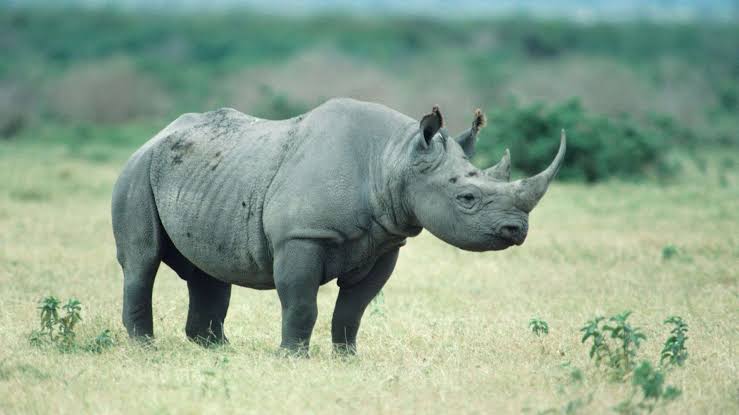
In Rwanda’s Akagera National Park, protection and monitoring support the management of wildlife populations, including animals brought back through conservation programmes. A rhino translocation makes headlines when the animals arrive. Knowing whether they settle and breed takes longer. Rangers can contribute observations from the field, while ecologists and veterinarians help answer questions that require specialist assessments.
Habitat work goes beyond counting animals
Tanzania National Parks describes ranger duties that can include supporting animal counts, collecting weather information, maintaining park boundaries and helping respond to fires. Not every ranger does all of these things. A park may assign different teams to ecological work, visitor activities and law enforcement.
That difference is worth keeping in mind if you meet several uniformed staff members during a trip. The person leading your walk may know the trail well and be responsible for your group. Another ranger may be there to document a change in habitat or assist with a wildlife survey. Their work takes place in the same park, but they may have different training and responsibilities.
Helping Visitors on Walks, Drives and Treks
A ranger-guide may explain which trail you’ll follow, how the group should move and what to do if wildlife comes close. During the walk, they may pause to point out tracks or a bird. They can also shorten the route, wait or turn back if conditions change. A shorter outing doesn’t necessarily mean anything went wrong. The ranger may have chosen a route that keeps the group together or gives an animal room to move.
Your safari driver-guide and the ranger may be different people. On a Uganda itinerary, for example, your driver-guide might take you to the meeting point for a park-led trek and collect you afterwards. The park team leads the activity once you’re on the trail. Find out who runs each outing when you book, especially if you need a gentler route, help with access or commentary in a particular language.
Rangers may also help during an emergency. Kenya Wildlife Service describes specialist units that respond to emergencies, human–wildlife conflict and search-and-rescue incidents. If you’re travelling independently, ask at reception how to contact park staff if you need help. Follow the instructions they give you rather than assuming your mobile phone will work everywhere.
Working With Communities Near Protected Areas
Wildlife doesn’t always stay within a park boundary. An elephant may damage a crop, or a predator may threaten livestock. Depending on who manages the area, rangers can help assess a report, keep people away from immediate danger or bring in staff trained to deal with the incident. Community officers, local authorities and residents may also be involved.
It helps to listen to both sides of the issue. The elephant you enjoyed watching in the park can cause real losses for a family farming nearby. A ranger responding to the incident needs to consider the people affected as well as the animal. If you want to learn about this work, ask a guide or community host how people report incidents and who follows up. That is more useful than asking to join a response that may be stressful or unsafe for everyone involved.
How to Help Rangers as a Visitor
Listen to the briefing. Keep to approved routes and follow instructions about getting out of the vehicle, using a torch or moving around camp after dark. If you’re unsure about a rule, ask before acting. It is easier for staff to explain where you can stop than to deal with a problem after someone has left the group.
Report what you saw without trying to investigate. If you see an injured animal, a trap or activity that concerns you, give your guide or park staff a clear description and the approximate location. Share it with the people responsible rather than posting sensitive details publicly. You don’t have to decide whether an offence has occurred before reporting what you noticed.
Ask about the work visitors rarely see. If a ranger has time to talk, ask what happens to a wildlife observation after it’s recorded or how their duties change between seasons. A specific question gives you a better understanding of the job without asking anyone to reveal sensitive patrol details or animal locations.
Frequently Asked Questions
Are park rangers and safari guides the same?
Not always. A safari guide usually works with visitors throughout a trip or game drive. A ranger works for a park, wildlife authority or conservancy and may specialise in protection, monitoring or visitor activities. Some rangers also guide walks or treks. Ask who is responsible for the specific activity you’re booking.
Do all rangers spend their days stopping poachers?
No. Wildlife protection is a major part of the work in many parks, but duties also include monitoring, visitor safety, reporting and responding to incidents near park boundaries. Assignments depend on the park and the ranger’s role.
Can visitors go on patrol with a ranger?
Don’t assume patrols are open to visitors. If you want to learn about the work, ask about an authorised conservation visit, ranger-led nature walk or educational talk. These let staff explain part of their job without interrupting an operation or putting visitors in a situation they aren’t trained to handle.