
Kenya’s Ivory Burning: What It Symbolized and Why It Happened
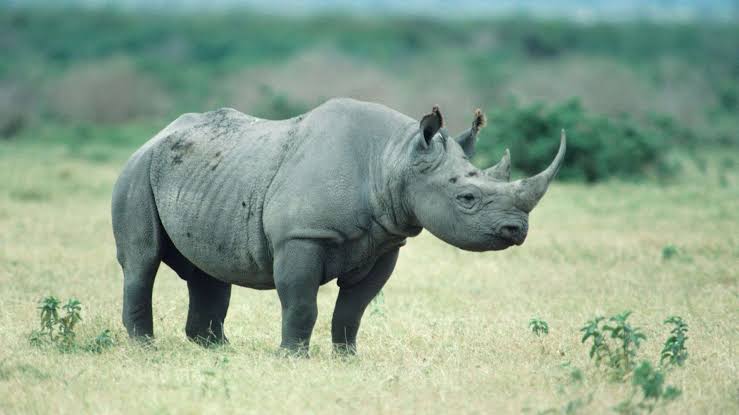
On 18 July 1989, Kenya’s President Daniel arap Moi set fire to 12 tonnes of elephant ivory in Nairobi National Park. On 30 April 2016, Kenya held a much larger burn at the same site, destroying 105 tonnes of ivory and about 1.35 tonnes of rhino horn. The government chose to destroy material that could otherwise have remained in storage or become the subject of arguments over future sales.
Kenya’s ivory burning sent a clear message about how the country wanted elephant tusks treated. The government chose to take them out of circulation rather than sell them. That decision carried symbolic weight during debates about the international ivory trade. It also raised a practical question that still matters when judging conservation policy. Destroying a stockpile proves that those tusks cannot be sold intact. Does it also reduce demand or prevent elephants from being killed?
Why Kenya Burned Ivory in 1989
Kenya staged the first burn after years of heavy elephant poaching. Demand for ivory gave traffickers a reason to obtain tusks, and a pile of tusks in government storage made the scale of the problem visible. Burning it publicly made Kenya’s position clear. The country was prepared to destroy its stock rather than keep it as a commodity for a possible future sale.
The timing was important. In October 1989, countries meeting under the Convention on International Trade in Endangered Species, known as CITES, agreed to move African elephant populations to Appendix I. The change took effect in January 1990 and ended much of the legal international commercial trade in African elephant ivory. Kenya’s July burn preceded the vote. It drew attention to the case for tighter controls, but the fire did not establish the international restrictions. That required a decision by the parties to the treaty.
Three Major Burns in Kenya
| Date | Place | What Kenya Wildlife Service records |
|---|---|---|
| 18 July 1989 | Nairobi National Park | President Daniel arap Moi set fire to 12 tonnes of ivory. |
| 3 March 2015 | Nairobi National Park | President Uhuru Kenyatta set fire to 15 tonnes of ivory on World Wildlife Day. |
| 30 April 2016 | Nairobi National Park | Kenya burned 105 tonnes of ivory and about 1.35 tonnes of rhino horn at the same site. |
These are selected events, not a complete record. The figures refer to the weight of the material destroyed. You cannot convert them into a reliable number of elephants or rhinos without knowing the origin and composition of the stock. Tusks vary in weight, and stockpiles can include broken or worked pieces. The rhino horn in the 2016 burn was separate from the elephant ivory.
What Kenya’s Ivory Burning Symbolized
Kenya rejected a future sale of that stock
Governments accumulate ivory in several ways. Authorities may seize it from illegal trade, recover tusks from animals that died naturally or retrieve them from poaching sites. Where a tusk came from matters for recordkeeping and enforcement, but government custody does not make it a product that can simply be sold. Trade restrictions apply, and some material may have to be retained as evidence or kept for authorised purposes.
By destroying the stock in public, Kenya made a choice about its own holdings. The tusks were no longer available for a future sale, theft or diversion from that stockpile. That is the most direct effect of the burn. It did not take ivory already held by traffickers out of circulation, and it did not remove the need to account for material held after later seizures.
Another reason governments consider disposal is that a stockpile creates a responsibility. The material must be inventoried, accounted for and kept secure. Destruction can end that responsibility for the material disposed of, but good records matter. An inventory before disposal helps establish exactly what was destroyed and distinguishes it from material still held. That paperwork is less visible than the fire, yet it is what lets the public check the claim afterwards.
It helps to separate the purpose of a seizure from the purpose of a burn. A seizure takes items out of someone’s possession and can support an investigation. A burn comes later and changes what happens to the stock itself. One does not replace the other, and neither substitutes for protecting elephants where they live.
The public ceremony was meant to reach buyers and governments
A quiet disposal would have removed the material too. Holding the burns in public brought the decision to a wider audience. In 2016, the Kenya Wildlife Service and its partners organised the event at Nairobi National Park. Other African leaders and United Nations representatives attended. Kenya used the occasion to urge governments to combat trafficking and to challenge the idea that ivory should be bought as a luxury good.
You may see very large monetary estimates attached to photographs of the burn. Those figures are usually estimates of market value, often for illegal trade. They are not money Kenya had in the bank or could necessarily have raised legally. The more useful question is what Kenya considered worth protecting. Its position was that living elephants and rhinos mattered more than any proposed return from selling the stock.
Did Burning Ivory Reduce Poaching?
The burn removed the material that Kenya destroyed. Whether it changed what people bought, what traffickers charged or how many elephants were killed is harder to establish. Researchers writing after the 2016 burn called for those outcomes to be measured. The scale of the event and the amount of coverage it received were clear. Its independent effect on demand and poaching was not.
Supporters argue that a public burn signals that authorities will not release the stock for sale and can reinforce efforts to discourage buying ivory. Critics ask whether reducing the amount held in storage could affect expectations about scarcity or price, and whether the money spent managing destruction could be used elsewhere. Neither argument establishes how much a particular event changed the illicit market. Stored government ivory is also different from ivory already offered for sale, so removing one does not necessarily change the other by the same amount.
The wider picture includes changes in enforcement, consumer demand and rules in countries where ivory was bought and sold. If poaching falls after a burn, several of those factors may have changed at the same time. If seizure numbers rise, that could reflect increased trafficking, more effective enforcement or both. A useful assessment compares several kinds of evidence over time rather than treating the date of a burn as the explanation for everything that follows.
Some countries have also taken a different position on stockpiles. CITES authorised limited sales under specific conditions after the 1989 listing change. An auction in 2008 was one such exception. That history helps explain why Kenya’s destruction of ivory was a policy statement as well as an act of disposal. Countries disagreed about whether authorised sales could raise funds for conservation without undermining efforts to reduce illegal trade.
What the Ivory Burning Site Adds to a Nairobi Visit
If you’re planning a drive in Nairobi National Park, ask your guide whether you can include the Ivory Burning Site monument. It’s a stop for learning about conservation history, separate from the time you set aside to look for wildlife. Confirm access for your visit and follow the guide’s instructions about where you can leave the vehicle.
At the site, ask which ceremony the guide is describing. A photograph of the 1989 burn and one taken in 2016 show the same policy at two different moments. The first came before the CITES decision. The second came decades later, when Kenya was again pressing for action against poaching and trafficking. Knowing which event you’re looking at makes the photographs and figures easier to understand.
The site can also prompt a more useful question about your own trip. Ask how your park fee is collected and what it supports. Park revenue can help pay for management, but a ticket is not necessarily a donation earmarked for anti-poaching. If you want to make an additional contribution, ask who receives it, what it will fund and how the organisation reports its work.
Frequently Asked Questions
When did Kenya first burn ivory?
Kenya’s first public ivory burn took place on 18 July 1989 in Nairobi National Park. President Daniel arap Moi set fire to a stockpile weighing about 12 tonnes.
Did Kenya’s 1989 burn make international ivory sales illegal?
No. The burn was a public statement. CITES parties made the separate listing decision later in 1989, and the change took effect in January 1990. The resulting restrictions ended much of the legal international commercial trade, though subsequent decisions allowed some limited exceptions.
Did Kenya burn rhino horn as well as ivory?
Yes. At the April 2016 event, Kenya destroyed 105 tonnes of elephant ivory and around 1.35 tonnes of rhino horn, according to the Kenya Wildlife Service. Rhino horn is a different material and is not included in the ivory figure.