Driving in Uganda: Rules, Road Conditions, and Self-Drive Tips
Uganda drives on the left. For a self-drive safari, the bigger adjustment is often judging how long a journey will take. A paved highway can slow down through trading centres, and the last stretch to your lodge may be a gravel road that takes much longer after rain.
This Uganda self-drive safari guide explains which documents to carry, how to choose a rental vehicle and what to check before driving into a national park. If you take one thing from it, plan your day around arriving before dark, especially when the final stretch is unfamiliar.
Driving Rules in Uganda
Keep left and overtake on the right only when it is legal and you can see enough clear road to finish the manoeuvre. If you normally drive on the right, take extra care when turning out of a petrol station or joining an empty road. Without other traffic to follow, it is easier to turn into the wrong lane.
Wear your seatbelt and check that every passenger has a working belt. If you are travelling with children, reserve suitable restraints before you collect the car. Tell the rental company each child’s age and size, then check that the seats fit the vehicle. Set your navigation before you move, or ask a passenger to handle it. Do not use a handheld phone while driving, and choose a designated driver if anyone plans to drink.
Speed limits and roadside checks
Uganda’s speed limits depend on the road and vehicle class. The regulations include a 30 km/h limit on roads next to places such as busy markets, schools and hospitals where there is heavy pedestrian or vehicle activity. Watch for changes as you enter trading centres and follow posted limits. Slow down further when rain, dust or poor visibility reduces your stopping distance.
If traffic police stop you, pull over where directed and have your licence and rental documents ready. If an officer tells you that you have committed an offence, ask for the written notice and official payment instructions. Keep any notice or receipt and tell the rental company if the matter affects the vehicle.
Uganda Self-Drive Safari Guide to Licences and Rental Documents
Carry your original, valid driving licence. Uganda’s driving licence regulations provide for recognition of licences issued in English. For a licence issued in another language, the regulations refer to an English certificate of validity issued by the licensing authority. Ask Uganda’s licensing authority and your rental company what they accept for your licence, how long you can use it and whether you need an International Driving Permit. If you obtain an IDP, carry it with your original licence.
Before leaving the rental office, check that the contract names every person who will drive. Ask which vehicle registration and insurance documents to carry, and save the breakdown number offline. If you plan to drive into Kenya, Rwanda or Tanzania, get written permission and confirm insurance and customs documents for each country before you pay. Permission to rent a car in Uganda does not automatically allow you to take it abroad.
What Are the Roads Like in Uganda?
Road conditions can change within a single journey. Ask the lodge or rental company about the specific approach road shortly before departure, especially after heavy rain. “The road to Bwindi” can mean different routes depending on your lodge and trekking sector.
| Road or setting | What to prepare for |
|---|---|
| Kampala streets | Motorcycles filtering through traffic, frequent stops and busy junctions |
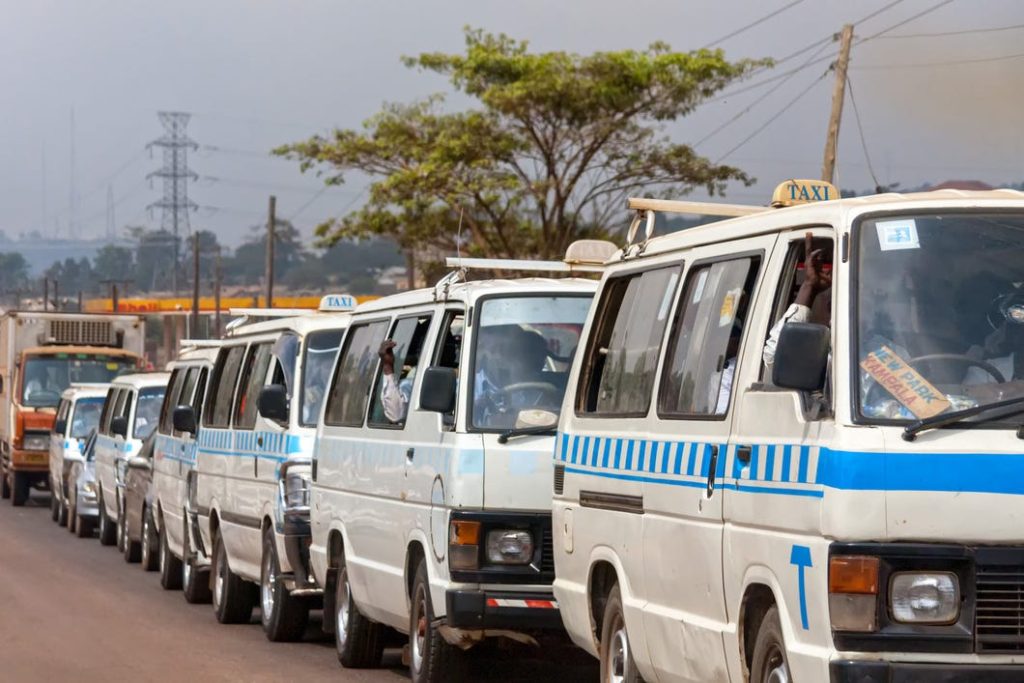
| Main highways | Trucks, buses, pedestrians, speed humps and slower stretches through trading centres |
| Rural gravel roads | Loose surfaces, potholes and dust that can hide oncoming traffic |
| Highland approaches | Tight bends, steep sections and slippery surfaces after rain |
| National park tracks | Wildlife on the road, ruts and tracks that may close after rain |
On busy roads, leave enough room for a motorcycle to pass and check your mirrors before moving sideways. On gravel, reduce speed before bends and leave more space behind the vehicle ahead. If dust blocks your view, wait for it to clear before overtaking. Do not enter floodwater or attempt a deeply rutted shortcut because a map app says it is faster. Turn back and ask about an approved route.
Why daylight matters
After dark, pedestrians, livestock and vehicles without lights are harder to see. A pothole or broken-down truck also gives you less time to react. Break up long transfers, allow time for meals and fuel, and confirm your lodge’s directions while you still have coverage. If an evening flight leaves you facing a long first drive, stay near your arrival point and start the road trip the next morning.
Choosing a Car for a Uganda Self-Drive Safari
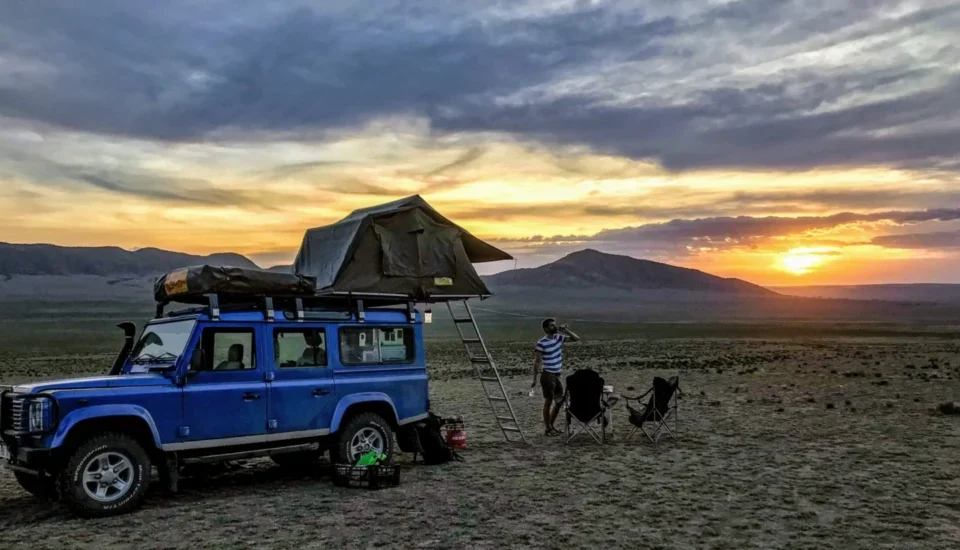
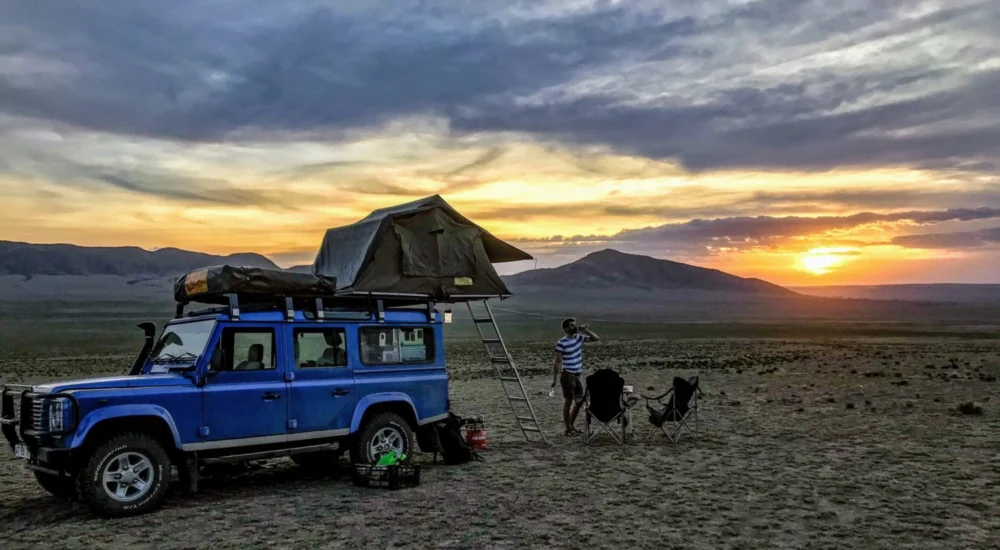
Choose your vehicle for the roughest stretch of your itinerary. A standard car may suit some paved routes, while a high-clearance 4×4 is a better choice for rough lodge approaches, some national park tracks and routes that become muddy after rain. Ask whether the rental company allows your planned roads and whether the lodge recommends four-wheel drive for your dates. A 4×4 does not make floodwater or a closed track safe.
At pickup, inspect the car in daylight. Photograph existing damage, including the windscreen, wheels and bumpers. Check the tyres, spare wheel, jack and wheel brace. Test the seatbelts, lights, wipers and air conditioning. Ask the rental agent to show you how to engage four-wheel drive if the vehicle has it.
Read the insurance terms before signing. Ask how much you could owe after a claim and whether tyres, glass, underbody damage and recovery are covered. Find out who pays for towing and how a replacement vehicle would reach you. If you are comparing two rentals, a clear recovery policy may matter more than a small difference in the daily rate.
Self-Driving in Uganda’s National Parks
Confirm that your chosen park, gate and tracks allow self-drive access. Ask about gate hours, track closures and charges for passengers, the vehicle and any game drive activity. Check the tariff for your travel dates. At the gate, collect your receipts and ask the ranger which tracks are open and what time you need to leave or return to your lodge.
Stay on marked tracks, follow posted limits and ranger instructions, and give wildlife room to cross. Do not use your horn to move an animal. Stay inside the vehicle unless you are at a designated stop or a ranger says it is safe to get out. If you want a night game drive, ask the park about an authorised guided activity instead of driving out on your own after dark.
For a first visit, you can drive yourself between parks and hire a guide for one game drive. The guide can help with navigation and spotting while you concentrate on the track. This can be particularly useful when several tracks look alike or the weather has changed the route.
Plan Fuel, Navigation and Breakdown Support
Refuel in larger towns before taking a remote road, and confirm whether your car uses petrol or diesel. Download offline maps and save the locations of your lodge, park gate and trekking briefing point separately. For a gorilla trek in Bwindi, check the briefing point for your booked sector with the lodge. A general map pin for the park may send you in the wrong direction.
If the car breaks down, move out of traffic if you can do so safely and call the rental company. Inside a park, contact park staff as well and stay in the vehicle if wildlife is nearby. If anyone is hurt, seek emergency help first. When it is safe, note your location, time and what happened, and keep any reports or receipts your rental company or insurer requests.
Frequently Asked Questions
Do I need a 4×4 to drive in Uganda?
Not for every route. Ask about the last stretch to each lodge and the tracks you intend to drive. Those sections often determine what vehicle you need.
Is self-driving cheaper than hiring a driver?
It can be, but compare the full cost. Include fuel, insurance, any park or vehicle fees, and recovery terms. If you get a driver quote, check whether it includes the driver’s meals and accommodation.
Can I self-drive between parks and use guides inside them?
Yes, where the park offers that arrangement. Confirm in advance whether a ranger can join you in your rental vehicle or whether you should book a separate guided drive.
A good self-drive itinerary in Uganda leaves time for the slowest part of each journey. Verify your licence and rental cover, choose a vehicle that suits the final approach roads, and confirm park access before you set off. If a route is unfamiliar or conditions deteriorate, changing the plan or using a local driver for that leg can be the better choice.