Self-Drive Safari in Tanzania: Permits, Roads, and Safety
A self-drive safari in Tanzania gives you control over when to leave camp, how long to watch wildlife and where to stop for a break. It also makes you responsible for park paperwork, fuel, navigation and vehicle recovery. Those jobs are manageable on a short trip near Arusha, but they take more planning if you intend to drive deep into the Serengeti or descend into Ngorongoro Crater.
For a first trip, start with a shorter park visit such as Tarangire. You can then decide whether to keep driving yourself or use a local guide for the more demanding sections. This guide focuses on mainland Tanzania, particularly the northern safari circuit.
What Permits Do You Need for a Self-Drive Safari in Tanzania?
Separate your permission to enter Tanzania, permission to drive the rental vehicle and permission to enter each park or conservation area. Paying for one does not settle the others.
Carry your original driving licence, passport, rental agreement and the vehicle documents provided by the hire company. Confirm whether you need an International Driving Permit for your licence and length of stay. If you obtain one, carry it alongside your original licence. Make sure the contract names every person who will drive, even if you only expect to swap drivers occasionally.
Tanzania National Parks entry
Tanzania National Parks, usually called TANAPA, manages parks including Tarangire, Lake Manyara and the Serengeti. When checking fees, ask about each passenger’s entry category, the vehicle charge and any camping or concession fees. Tell the park or rental company your intended gate, entry date and vehicle registration. Confirm how to pay, which documents to present and whether anything needs to be arranged before arrival.
Check the validity period and whether leaving and returning affects your payment. If you are staying outside a park and driving in on two consecutive mornings, ask the gate how that visit will be charged. Keep a readable offline copy of your booking details and receipts so you can find them without a mobile signal.
Ngorongoro is a separate booking
The Ngorongoro Conservation Area Authority, or NCAA, manages the conservation area separately. The authority provides an online permit and payment system and lists crater service as a separate fee category. If you plan to reach the Serengeti through Ngorongoro, ask the NCAA what applies to that transit, even if you are not descending into the crater.
For a crater visit, plan to arrange a licensed guide. Confirm who books the guide, whether your rental vehicle meets the descent requirements, and which access roads and timings apply. Get these details before you pay for a non-refundable itinerary. A Serengeti entry booking does not settle your Ngorongoro paperwork.
| Trip detail | What to confirm before paying |
|---|---|
| TANAPA park visit | Entry gate, charges for passengers and vehicle, payment method and validity |
| Transit through Ngorongoro | Separate permit requirements for your route and direction of travel |
| Ngorongoro Crater descent | Crater service fee, licensed guide arrangements and vehicle eligibility |
| Overnight inside a park | Accommodation or campsite booking and any applicable overnight fees |
| Rental from another country | Written permission, insurance valid in Tanzania and temporary import documents |
Which Safari Routes Are Easier to Drive?
Tarangire and Lake Manyara
Tarangire is a useful first park if you want to learn how entry, navigation and wildlife stops work before taking on a longer route. Allow enough time for the approach, gate formalities and return drive. If you want an unhurried game drive, avoid squeezing two parks into one day.
Lake Manyara can fit into a route through Mto wa Mbu and Karatu. Ask which tracks are open shortly before your visit. Rain and changing water levels can affect access, so an old trip report may describe routes you cannot use on your dates.
Serengeti National Park
The Serengeti is a bigger commitment. The park name on your reservation tells you little about how far you need to drive once you pass the gate. A camp in central Seronera and a camp in the northern Serengeti require different arrival plans. Save the exact camp location and ask which gate and main tracks the camp recommends.
An extra night in one area usually makes more sense than changing camps every evening. You get more time to explore nearby tracks and spend less of the day reaching your next bed. If you are driving in from Karatu, keep your first afternoon flexible until you know how long the Ngorongoro formalities and onward drive will take.
Hire a Vehicle for the Roughest Section
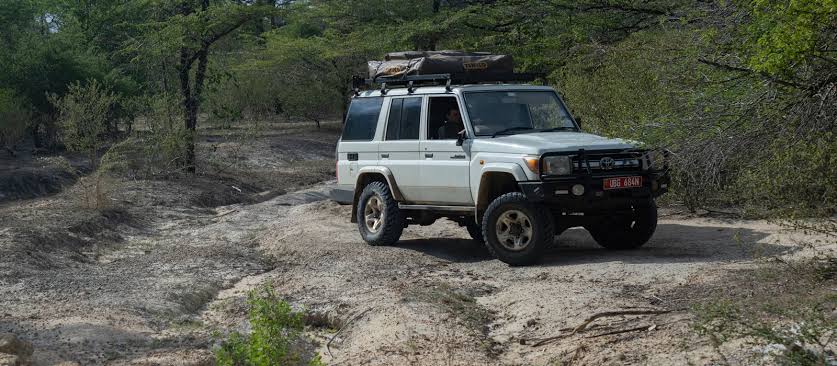
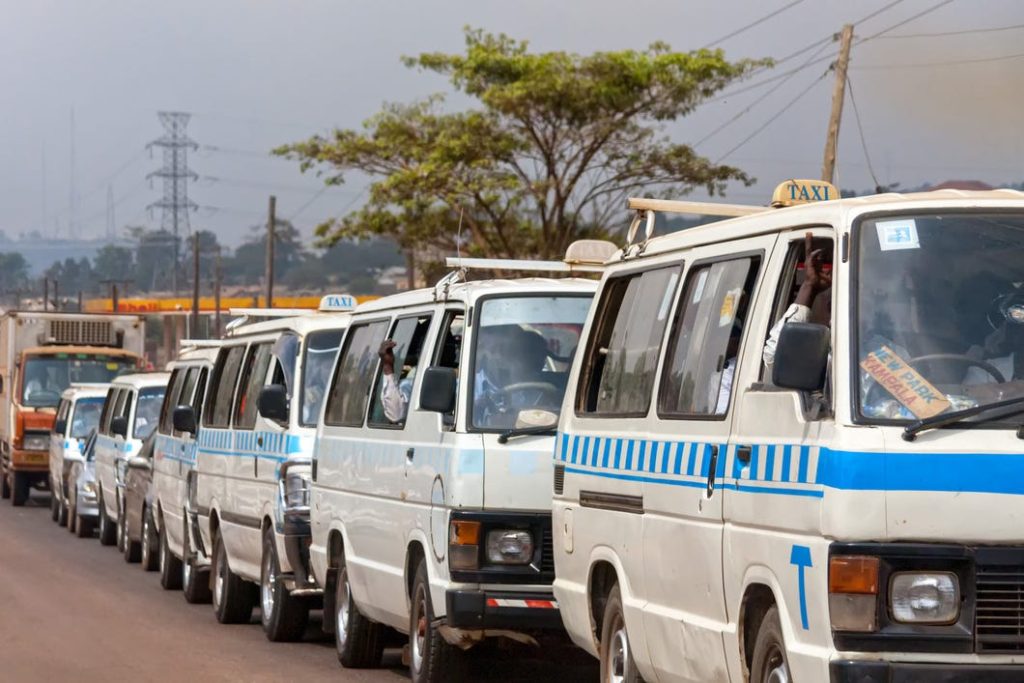
For a route involving the Serengeti, Ngorongoro or remote park tracks, choose a high-clearance 4×4 that your rental company explicitly allows you to take there. Inspect the tyres and check that the spare wheel, jack and wheel brace fit the vehicle. For a remote route, ask whether the company can provide a second spare and show you how to lower or remove both wheels.
Ask for the insurance excess in writing. Then check whether tyres, glass, underbody damage, water damage and recovery are covered. Breakdown and recovery terms deserve as much attention as the daily hire rate. Ask who answers after hours, who arranges towing inside a park and what happens if you need a replacement car.
Check the fuel type and photograph existing damage at pickup. Save the rental support number separately from your booking emails. If the car has a four-wheel-drive selector you do not recognise, ask for a demonstration before leaving rather than working it out on a muddy track.
Road Conditions and Driving Safety
Tanzania drives on the left. On public roads, watch for pedestrians, motorcycles, livestock and vehicles overtaking unexpectedly. Set your route while parked, wear your seatbelt and slow down before entering busy settlements. If you are used to driving on the right, pay extra attention when pulling out of petrol stations and rest stops.
Park tracks can be corrugated, dusty or deeply rutted. After heavy rain, ask rangers or your camp which routes remain open. If dust obscures the road, increase your following distance and wait for clear visibility before passing. If water covers a crossing and you cannot judge the depth or surface, turn back and ask about an authorised alternative.
Plan to arrive before dark and check the last entry time for your specific gate. It may differ from the time you need to be off a game-viewing track or back at camp. If the forecast or road conditions make your arrival doubtful, call ahead while you still have reception. Skipping a late game drive is preferable to rushing the final stretch.
Driving Safely Around Wildlife
Stay on authorised tracks, obey posted speed limits and follow ranger instructions. A park speed limit is a maximum. Drive more slowly where tall grass, a blind bend or dust hides animals close to the road.
If elephants or other animals are crossing, stop well back and leave them room. Do not use your horn or drive between animals to get a better view. At a sighting, pull over only where you can stop safely without blocking the track. Stay inside the vehicle except at designated stops or where park staff expressly allow you to get out.
Leave night drives and walking safaris to authorised providers where those activities are offered. Permission to drive through a park during the day does not extend to those activities.
Fuel, Offline Maps and Breakdowns
Refuel before heading into remote areas and confirm your next dependable fuel stop with your camp or rental company. Carry drinking water, a torch and a charged power bank. Download offline maps and save separate pins for your gate, camp and exit route. A map can help you find a junction, but it cannot tell you whether that track is open today.
If the vehicle breaks down inside a park, contact park staff and your rental company. Stay inside if wildlife is nearby. Give staff your location, the last junction you passed and the vehicle registration. Avoid walking along the track looking for help. Before leaving camp in the morning, tell staff your intended route and expected return time if you plan to explore a less travelled area.
Frequently Asked Questions
Can you self-drive through the Serengeti without a guide?
Independent driving is possible on authorised routes, subject to entry and vehicle requirements. Check your intended gate and current track conditions before departure. Ngorongoro Crater has separate arrangements, so check the descent independently.
Is self-driving cheaper than hiring a driver-guide?
It can be. Compare the full cost of vehicle hire, fuel, insurance, park charges and any guides you book separately. A driver-guide may be worth the difference if your route is short on time or you would rather focus on spotting wildlife.
Make one checklist for each travel day. Note the gate you need, the permit or receipt you must show, your next fuel stop and the latest sensible arrival time. If one of those details is uncertain, resolve it before you leave town. For a first visit, driving the easier legs yourself and booking a guide for the harder ones can give you the flexibility you want without taking on every unfamiliar road.