Dance across East Africa rarely exists as pure entertainment separated from the rest of community life. It marks warrior status, celebrates harvest, accompanies funerals, and tells stories through movement vocabularies developed over centuries, each specific to the community, occasion, and history that shaped it. East Africa’s traditional dance styles vary enormously between the Maasai’s vertical jumping display and Rwanda’s precise, disciplined Intore choreography, yet nearly all share a common thread: dance as a genuinely functional social practice rather than performance created primarily for outside observation.
Dance as Communication, Not Just Movement
Traditional East African dance typically communicates specific meaning through its choreography, whether marking a dancer’s age-set status, recounting a historical event, or physically embodying values a community wants to reinforce among its younger members, a communicative function considerably more direct and specific than the more purely aesthetic role dance often plays in other performance traditions. Understanding even a handful of these specific meanings transforms watching a traditional dance from passive visual entertainment into something closer to reading a text, with movement, costume, and accompanying music each carrying information a knowledgeable audience member would recognize instantly.
The Maasai Adumu: Jumping as Status Display
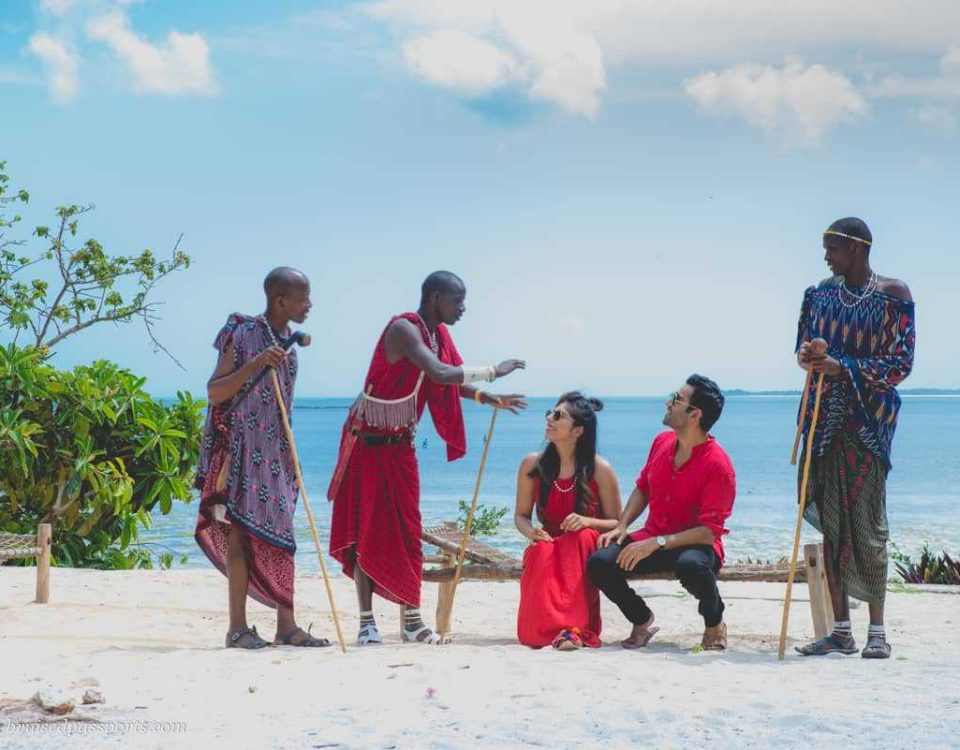
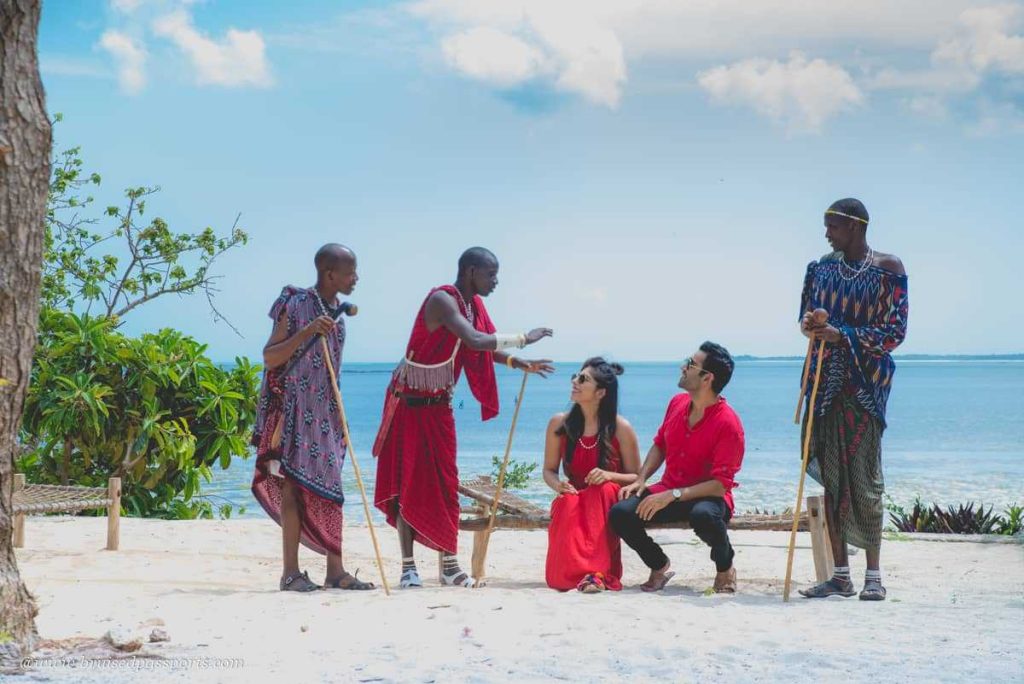
The adumu, the vertical jumping dance widely recognized from photographs of Maasai morans competing to leap the highest while maintaining perfectly straight posture, functions simultaneously as athletic display, informal competition, and a subtle form of courtship signaling within traditional Maasai social structure. Performed typically by young warriors during significant ceremonial gatherings, the dance’s competitive jumping element demonstrates stamina, strength, and discipline in a manner directly relevant to the warrior status these performers are actively working to establish within their community, a connection our broader guide to Maasai traditions, beliefs, and modern life explores within the wider context of age-set ceremony and warrior culture.
Rwanda’s Intore: Precision as National Identity
Rwanda’s Intore dance tradition, historically performed for the royal court and now maintained through dedicated performance troupes across the country, emphasizes tightly disciplined, highly synchronized choreography combining dramatic leg movements, precise formations, and elaborate headdresses evoking a lion’s mane, a visual and technical standard demanding years of practice to perform correctly. Our dedicated piece on Rwandan traditional dance and Intore performances covers this specific tradition’s royal history and what a contemporary performance actually involves in considerably more depth, including how the dance has evolved from a courtly warrior tradition into a widely recognized symbol of Rwandan national cultural identity.
Uganda’s Regional Dance Diversity
Bwola and the Acholi Royal Dance Tradition
Among the Acholi of northern Uganda, the bwola dance, traditionally performed for chiefs and significant community occasions, involves large groups of dancers moving in coordinated circular formation accompanied by drums, horns, and specific vocal chanting, a communal choreography emphasizing collective coordination over individual display in a manner distinct from more solo-focused traditions like the Maasai adumu.
Kadodi and the Bagisu Circumcision Ceremony
The kadodi dance, closely associated with the Bagisu people’s traditional male circumcision ceremonies in eastern Uganda, involves initiates dancing through village paths accompanied by drumming and singing in the days leading up to their circumcision, a highly visible public procession that both announces the upcoming ceremony to the wider community and helps prepare initiates psychologically for the ordeal ahead through collective celebration and communal support.
Kenya’s Isukuti and Community Celebration
Among the Luhya communities of western Kenya, the isukuti dance, named after the distinctive drums driving its rhythm, features energetic, acrobatic movement traditionally performed at weddings, harvest celebrations, and significant community gatherings, with dancers moving in vigorous, high-energy sequences that demand considerable physical stamina and coordination between dancers and drummers working in close rhythmic partnership. The dance has gained recognition well beyond its original Luhya cultural context, performed at national celebrations and cultural festivals as one of Kenya’s most visually energetic traditional dance forms.
Tanzania’s Sukuma Dance Societies and Coastal Ngoma
The Sukuma’s Competitive Dance Societies
Among the Sukuma, Tanzania’s largest ethnic group, traditional dance historically organized around competitive dance societies, most famously those built around snake handling and elaborate, physically demanding choreography performed in deliberate rivalry with neighboring dance groups during community festivals. These competitive societies, some historically associated with specific medicine and ritual specialists, treated dance mastery as a genuinely serious communal achievement, with skilled performers earning real social recognition through their group’s success against rival societies during major festival competitions.
Ngoma Traditions of the Swahili Coast
Along Tanzania’s coast and throughout Zanzibar, ngoma, referring broadly to both drum and dance performance in coastal Bantu languages, encompasses numerous specific dance forms tied to weddings, religious observance, and community celebration, often blending indigenous Bantu rhythmic tradition with musical influences absorbed through the coast’s centuries of Indian Ocean trade contact. Coastal ngoma performances frequently accompany significant life events, and specific dance forms are sometimes restricted to particular occasions or age and gender groups within the community, reflecting the same kind of structured social meaning found in age-set dance traditions further inland.
Dance and Age-Set Ceremony Across Pastoralist Communities
Beyond the Maasai adumu, numerous other East African pastoralist and agro-pastoralist communities maintain their own specific dance traditions closely tied to age-set transitions and warrior status, with movement vocabularies emphasizing strength, endurance, or coordinated group formation depending on the specific values a given ceremony aims to celebrate or instill in its younger participants. These dances typically require extensive practice and preparation before a formal ceremonial performance, reflecting how seriously many communities treat dance not as casual entertainment but as a genuinely significant marker of a young person’s readiness for a new social status and its accompanying responsibilities.
Drums, Instruments, and the Inseparable Bond With Music
Traditional East African dance almost never exists independent of live musical accompaniment, with specific drum patterns, instrument combinations, and vocal techniques developed in tandem with particular dance choreographies over generations, making dancer and musician partnership as central to a traditional performance as the choreography itself. Our broader guide to traditional music instruments across the region explores several of the specific drums, horns, and stringed instruments providing this accompaniment, many of which developed their distinctive playing techniques specifically to support the rhythmic and dynamic demands particular dance traditions require.
Dance in Contemporary Ceremony and National Identity
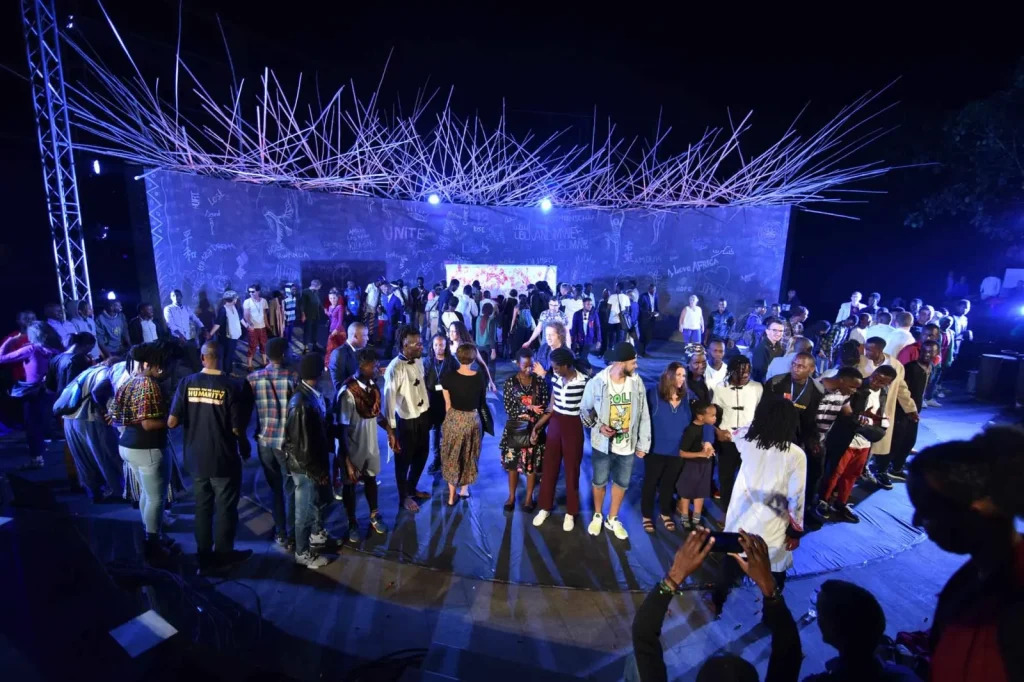
Many traditional East African dances have moved beyond their original strictly local or ceremonial context into a broader role as symbols of national cultural identity, performed at official state functions, cultural festivals, and increasingly for tourism audiences seeking an introduction to regional heritage. This transition carries genuine trade-offs, since dances originally embedded in specific ceremonial timing and community context can lose some contextual meaning when compressed into a brief stage performance for an unfamiliar audience, even as this same visibility has helped keep several traditions actively practiced and transmitted to younger performers who might otherwise have had fewer opportunities to learn them.
Watching Traditional Dance Respectfully as a Visitor
Travelers attending a traditional dance performance, whether at a cultural center, community visit, or scheduled tourism event, generally gain considerably more from the experience by asking beforehand about the specific dance’s origin, occasion, and meaning rather than treating the performance purely as colorful visual spectacle. Performances arranged through operators with genuine long-term community relationships tend to include this context as a matter of course, and approaching even a shortened tourism-oriented performance with genuine curiosity about its deeper cultural roots honors a tradition that, in its original form, was never created for an outside audience’s entertainment alone.
Training, Transmission, and the Effort Behind the Performance
Nearly every traditional dance form covered here demands years of practice before a performer reaches genuine proficiency, with training typically beginning in childhood through direct observation and gradual participation alongside more experienced dancers rather than through formal, structured lessons in the way a Western dance academy might teach technique. This apprenticeship-style transmission means that a community’s dance tradition depends entirely on active, ongoing participation from each new generation, and communities that have seen younger members drawn away toward urban migration, formal schooling, or simply changing entertainment preferences have, in some cases, watched specific local dance variations fade or simplify considerably faster than instruments or oral storytelling traditions covered elsewhere in East Africa’s broader cultural landscape. Cultural festivals, school programs, and deliberate community revival efforts across the region have worked to counter this trend, recognizing that a dance tradition, unlike a physical craft object, exists only in the bodies of people actively still practicing and teaching it.
Costume, Body Adornment, and Visual Storytelling
Traditional dance costume across East Africa carries its own layer of meaning beyond pure visual spectacle, with specific headdresses, body paint, jewelry, and fabric choices frequently signaling a dancer’s age-set status, the specific ceremony being performed, or the particular community and region a dance troupe represents. Rwanda’s Intore headdresses, deliberately evoking a lion’s mane, directly reference the warrior courage the dance historically celebrated, while beadwork worn during Maasai ceremonial dance carries the same color and pattern symbolism found in everyday Maasai beadwork more broadly. Recognizing that costume in traditional dance functions as active communication rather than mere decoration adds another layer of understanding for visitors watching a performance without prior context, transforming details that might otherwise register as simply colorful into a genuinely readable visual vocabulary once their significance is understood.