Ethical Wildlife Tourism: Choosing Experiences That Truly Help Animals
Ethical wildlife tourism involves experiencing animals in ways that respect their natural behaviour, protect their habitats and contribute to their long-term survival. Across East Africa, wildlife tourism generates employment, supports conservation programmes and provides financial resources for managing national parks and protected areas.
However, not every wildlife experience benefits animals. Some attractions prioritise visitor entertainment and financial returns while overlooking animal welfare, natural behaviour and environmental protection.
As a traveller, your decisions influence the type of tourism businesses that succeed. Choosing responsible safari operators, avoiding exploitative animal encounters and supporting community conservation initiatives can make a meaningful difference.
Whether you are planning a mountain gorilla trek in Uganda, watching elephants in Kenya or observing predators in Tanzania, understanding ethical wildlife tourism helps you make informed decisions.
This guide explains how to recognise responsible wildlife experiences, avoid harmful attractions and support tourism activities that genuinely contribute to animal welfare and conservation.
What Is Ethical Wildlife Tourism?
Ethical wildlife tourism focuses on observing and appreciating animals without causing unnecessary suffering, disturbance or exploitation.
Responsible experiences allow wild animals to maintain their natural feeding habits, social relationships, reproductive behaviour and movement patterns.
They also contribute towards protecting natural habitats and supporting communities that live alongside wildlife.
An ethical safari should prioritise animal welfare even when doing so means limiting visitor access, cancelling an activity or accepting less predictable wildlife sightings.
| Ethical wildlife tourism principle | Practical application |
|---|---|
| Animal welfare | Avoiding activities that cause suffering |
| Natural behaviour | Observing animals without interference |
| Habitat protection | Supporting protected areas and conservation |
| Responsible photography | Maintaining appropriate viewing distances |
| Community participation | Supporting local employment and businesses |
| Disease prevention | Following wildlife health regulations |
| Financial transparency | Understanding how tourism supports conservation |
1. Choose Wildlife Experiences in Natural Habitats
Observing animals in their natural habitats is generally one of the most rewarding ways to experience African wildlife.
National parks, protected forests and responsibly managed conservancies allow animals to move, feed and interact according to their natural behaviour.
In Uganda’s Queen Elizabeth National Park, for example, visitors can observe elephants, buffaloes, hippos and other wildlife without requiring animals to perform for an audience.
Similarly, Tanzania’s Serengeti National Park provides opportunities to witness predator behaviour and seasonal wildlife movements under natural conditions.
Wildlife sightings should never be guaranteed through feeding, confinement or deliberate manipulation of animals.
Accepting the unpredictability of nature is an important part of responsible safari travel.
2. Avoid Attractions That Encourage Direct Animal Contact
Some wildlife attractions allow visitors to hold young animals, walk alongside captive predators or pose for photographs with wild species.
Although these activities may appear harmless, direct interaction can create serious animal welfare concerns.
Young animals may be separated from their mothers, subjected to repeated handling or kept in unsuitable conditions to satisfy visitor demand.
Captive lions, for example, may be used for cub-petting experiences before becoming too large for safe interaction.
Avoid attractions offering activities such as:
-
Lion cub petting and handling.
-
Walking with captive predators for entertainment.
-
Elephant riding.
-
Photographs with restrained wild animals.
-
Forced animal performances.
-
Unauthorised feeding of wildlife.
-
Holding captive primates for photographs.
Ethical wildlife encounters allow you to appreciate animals without requiring physical contact.
3. Support Responsible Gorilla Trekking
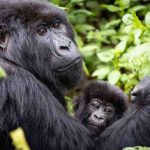
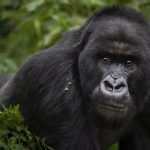
Mountain gorilla trekking in Uganda and Rwanda demonstrates how carefully managed wildlife tourism can contribute to conservation.
Revenue from gorilla permits supports protected area management, wildlife monitoring and designated community development programmes.
However, mountain gorillas are vulnerable to human respiratory infections and behavioural disturbance.
Responsible trekking requires visitors to maintain appropriate viewing distances, avoid flash photography, wear protective masks when required and follow ranger instructions.
Never participate in gorilla trekking while suffering from a contagious illness.
An ethical wildlife experience protects gorilla health while allowing visitors to observe natural family interactions, feeding habits and social behaviour.
The welfare of the gorillas must remain more important than obtaining a particular photograph or completing a scheduled activity.
4. Research Your Safari Operator Before Booking
A responsible safari operator should provide clear information about its conservation practices, employment policies and relationships with local communities.
Look beyond attractive website descriptions and claims about sustainability.
Ask how the company manages wildlife encounters, whether its guides receive professional training and how it handles situations where tourists request inappropriate behaviour.
| Question to ask | Responsible practice |
|---|---|
| Do you employ trained local guides? | Professional guiding and local employment |
| How do you approach wildlife? | Maintaining safe, respectful distances |
| Do you support community projects? | Demonstrable local economic benefits |
| How do you manage safari waste? | Responsible collection and disposal |
| Do you offer animal-petting activities? | Avoidance of exploitative encounters |
| How do you support conservation? | Clear and transparent contributions |
A trustworthy operator should be willing to answer these questions without exaggerating its achievements.
5. Respect Wildlife Viewing Distances
Moving too close to wildlife can interrupt feeding, resting, hunting and reproductive activities.
Repeated disturbance may affect animal behaviour, particularly when several safari vehicles surround the same individual or family group.
When observing a leopard resting in a tree or a cheetah preparing to hunt, remain at an appropriate distance.
Avoid encouraging your driver to pursue animals that are attempting to move away.
Responsible guides recognise signs of discomfort and adjust their positioning accordingly.
Using binoculars and suitable camera lenses allows you to observe wildlife without demanding closer encounters.
6. Recognise Signs of Animal Exploitation
Wildlife attractions sometimes use conservation terminology to promote activities that offer limited benefits to animals.
Understanding common warning signs can help you distinguish responsible organisations from businesses primarily focused on entertainment.
| Warning sign | Potential concern |
|---|---|
| Animals performing unnatural tricks | Possible coercive training |
| Constant handling of young animals | Stress and disrupted development |
| Restrained animals used for photographs | Restricted movement and welfare concerns |
| Guaranteed physical wildlife encounters | Artificially controlled interactions |
| Poor enclosure conditions | Inadequate animal care |
| Animals showing repetitive movements | Possible stress or poor welfare |
| Unclear conservation contributions | Potentially misleading marketing |
| No explanation of animal origins | Possible irresponsible acquisition |
A single observation may not establish abuse, but several warning signs should encourage you to investigate further before purchasing an experience.
7. Understand the Difference Between Sanctuaries and Entertainment Facilities
Genuine wildlife sanctuaries provide care for rescued, injured, orphaned or confiscated animals.
Their main objective should be animal welfare rather than visitor entertainment.
Responsible rehabilitation facilities may work towards returning suitable animals to the wild when circumstances permit.
However, some rescued animals cannot survive independently because of permanent injuries, previous captivity or other limitations.
Ethical sanctuaries provide appropriate lifelong care for such individuals without forcing them into unnecessary tourist interactions.
Before visiting a sanctuary, investigate its animal welfare policies, rescue history, veterinary arrangements and approach to breeding.
An organisation calling itself a sanctuary does not automatically guarantee responsible animal care.
8. Support Community-Based Wildlife Conservation
Local communities play a central role in protecting Africa’s wildlife.
People living near national parks may experience crop damage, livestock losses and restrictions on access to natural resources.
Community-based tourism provides opportunities for residents to benefit economically from conservation.
In Uganda, hiring local gorilla trekking porters, visiting community-owned enterprises and purchasing locally produced coffee can support neighbouring households.
Community conservancies in Kenya also provide examples of tourism arrangements that can contribute to local employment, habitat protection and development projects.
The effectiveness of these initiatives depends on fair revenue distribution, community participation and transparent management.
Supporting locally owned businesses helps retain more tourism expenditure within the destinations you visit.
9. Choose Ethical Wildlife Photography Practices
Wildlife photography should document natural behaviour without creating unnecessary disturbance.
Avoid asking guides to manipulate animals, use food to attract wildlife or interrupt hunting activities to improve photographs.
Drone photography can also disturb wildlife and may require special authorisation within protected areas.
Responsible photographers use appropriate lenses, remain patient and accept that some animals will remain hidden.
Avoid sharing precise locations of vulnerable wildlife species, particularly rhinos and pangolins.
Photographs should encourage appreciation of wildlife rather than promote dangerous or exploitative interactions.
10. Select Environmentally Responsible Accommodation
Safari accommodation influences water consumption, waste production, energy use and surrounding habitat conditions.
Consider lodges and camps that demonstrate practical environmental responsibility.
Look for establishments that use renewable energy where appropriate, manage wastewater properly, reduce disposable packaging and purchase food from local farmers.
Accommodation should also respect wildlife movement routes and avoid attracting animals through inappropriate feeding practices.
A luxury lodge does not necessarily operate more responsibly than a budget establishment.
Evaluate actual environmental and employment practices rather than accommodation prices or marketing descriptions.
Ethical Wildlife Tourism Experiences in East Africa
East Africa offers numerous opportunities to experience wildlife through responsible observation and conservation-focused tourism.
| Wildlife experience | Destination | Potential conservation benefit |
|---|---|---|
| Mountain gorilla trekking | Bwindi, Uganda | Habitat protection and conservation funding |
| Chimpanzee trekking | Kibale, Uganda | Forest protection and primate monitoring |
| Guided wildlife safaris | Serengeti, Tanzania | Protected area funding |
| Community conservancy safaris | Kenya | Community income and habitat protection |
| Golden monkey trekking | Mgahinga, Uganda | Primate conservation |
| Birdwatching | Mabamba Wetland, Uganda | Wetland conservation awareness |
| Guided wildlife walks | Lake Mburo, Uganda | Conservation education |
| Rhino tracking | Ziwa Rhino Sanctuary, Uganda | Rhino protection and monitoring |
| Forest wildlife excursions | Nyungwe, Rwanda | Forest biodiversity protection |
The conservation benefits of these activities depend on how responsibly individual programmes and operators are managed.
Can Wildlife Tourism Do More Harm Than Good?
Yes. Poorly managed wildlife tourism can cause habitat damage, disease transmission, behavioural disturbance and animal exploitation.
Excessive vehicle numbers around predators may interfere with hunting opportunities. Uncontrolled forest tourism can expose primates to infectious diseases.
Inappropriate lodge construction can restrict wildlife movements or increase pressure on natural water resources.
Tourism can also create financial dependence, leaving conservation programmes vulnerable when international travel declines.
Responsible wildlife tourism requires continuous monitoring, appropriate visitor restrictions and realistic conservation objectives.
Increasing tourist numbers should never become more important than protecting the animals that attract visitors.
Frequently Asked Questions
What is ethical wildlife tourism?
Ethical wildlife tourism involves observing animals responsibly while protecting their welfare, natural habitats and long-term survival.
Is gorilla trekking ethical?
Gorilla trekking can support conservation when wildlife authorities enforce visitor limits, disease prevention measures and appropriate viewing distances.
Is elephant riding ethical?
Elephant riding raises significant animal welfare concerns. Observing elephants moving freely within their natural habitats is generally a more responsible alternative.
Are all wildlife sanctuaries ethical?
No. Some facilities use sanctuary terminology while offering exploitative animal interactions. Research their welfare standards and operating practices before visiting.
How can tourists help endangered animals?
Visitors can purchase authorised park permits, support reputable conservation organisations, choose responsible safari operators and contribute to community-owned enterprises.
Is feeding wild animals acceptable?
Generally, no. Feeding wildlife can change natural behaviour, create dependency and increase the risk of harmful human-animal interactions.
Are ethical safaris more expensive?
Not necessarily. Responsible wildlife tourism is available across different budgets. The quality of conservation practices matters more than the price of the experience
Ethical wildlife tourism allows travellers to enjoy Africa’s extraordinary wildlife while contributing to animal welfare, habitat protection and community development.
Choosing responsible safari operators, avoiding exploitative animal encounters and respecting wildlife viewing regulations are practical steps every traveller can take.
Your safari expenditure can support conservation programmes, professional wildlife monitoring and rural livelihoods when you choose organisations with genuine commitments to responsible tourism.
Before booking any wildlife experience, consider whether the activity benefits the animals or simply provides entertainment at their expense.
The most rewarding wildlife encounters allow animals to remain wild, behave naturally and live within protected habitats where their welfare comes first.