Ethiopia vs Kenya vs Tanzania: Which East African Safari Fits You?
Comparing Ethiopia vs Kenya vs Tanzania as safari destinations means comparing three genuinely different travel experiences rather than three variations on the same theme. Kenya and Tanzania both deliver the classic savannah safari most people picture when they think of Africa, wide plains, enormous herds, and the Great Migration. Ethiopia offers something else entirely: ancient rock-hewn churches, dramatic highland trekking, and cultural depth stretching back millennia. This guide breaks down what each country actually offers, so you can match your travel style to the right destination, or the right combination of them.
Kenya: The Classic Safari Experience
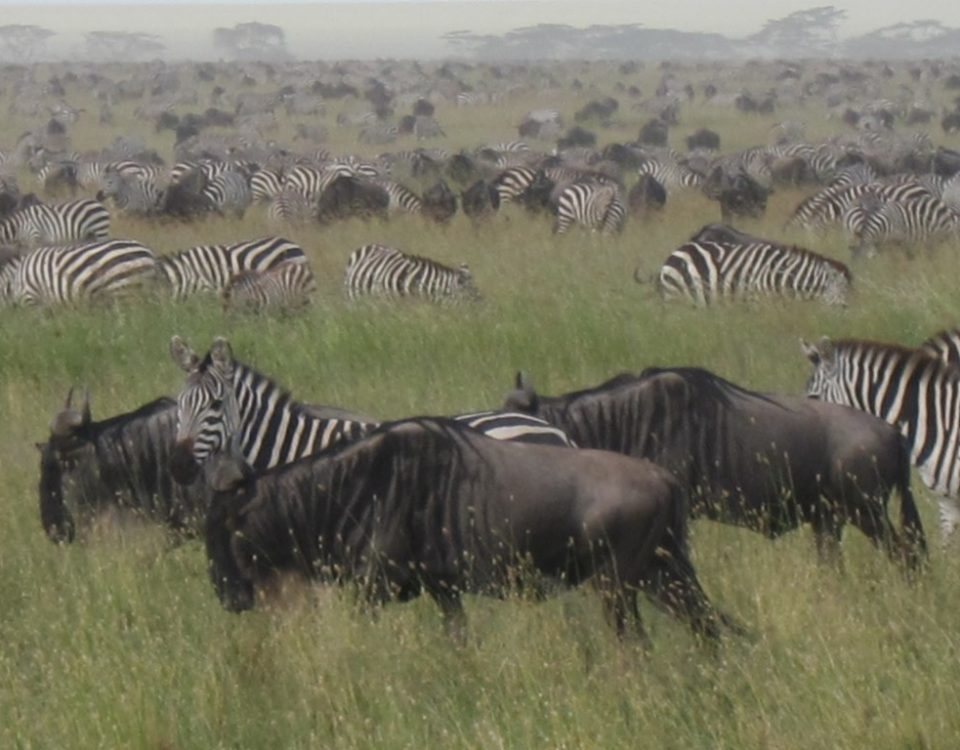
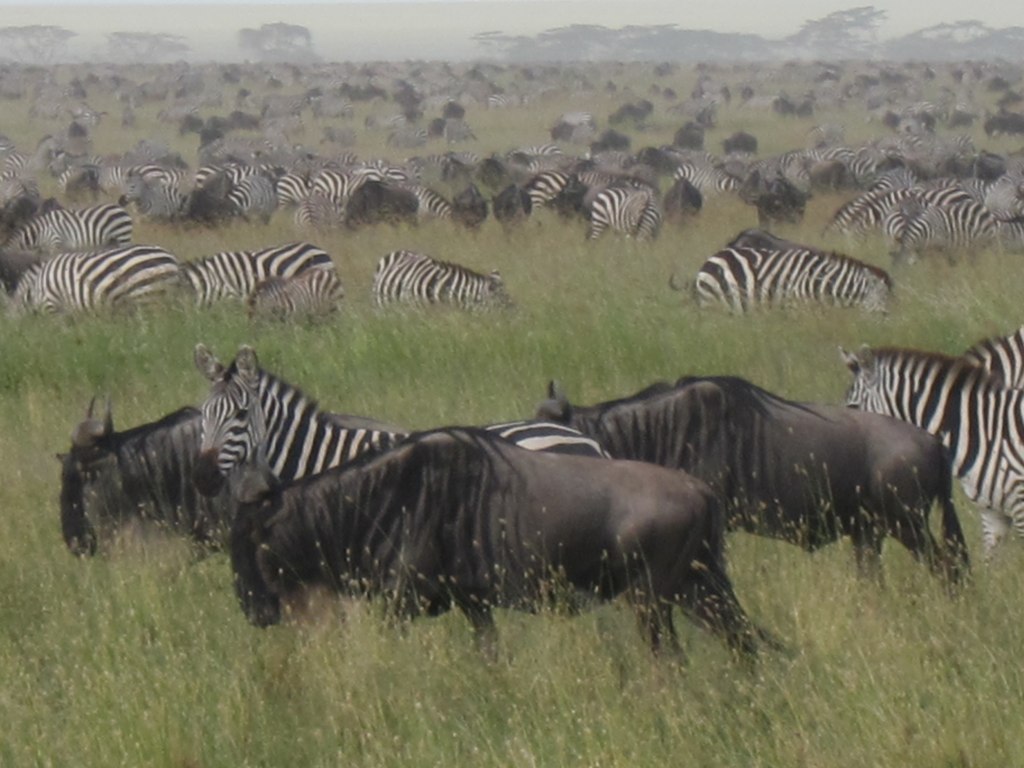
Kenya built the template most people associate with African safari travel, and the Maasai Mara remains one of the most reliable wildlife destinations on the continent, particularly during the Great Migration months from around July through October. Kenya’s safari infrastructure is mature and varied, from budget camping safaris to ultra-luxury tented camps, and its relatively compact geography means shorter transfer times between parks than some other countries offer. Kenya suits travelers who want dependable, high-density wildlife viewing with well-established tourism infrastructure and a wide range of price points to choose from.
Tanzania: Scale and the Migration’s Full Circuit
Tanzania offers a broader canvas than Kenya, encompassing the Serengeti’s vast plains, the wildlife-dense Ngorongoro Crater, and southern parks like Nyerere and Ruaha that see far fewer visitors despite excellent game viewing. Tanzania holds the larger share of the Great Migration’s annual circuit, and travelers specifically chasing the drama of a river crossing often find Tanzania’s Serengeti offers more flexibility in timing than the Mara alone. Tanzania suits travelers wanting scale, variety, and the option to escape the more heavily visited northern circuit for genuinely remote southern parks.
Ethiopia: History, Culture, and Highland Trekking
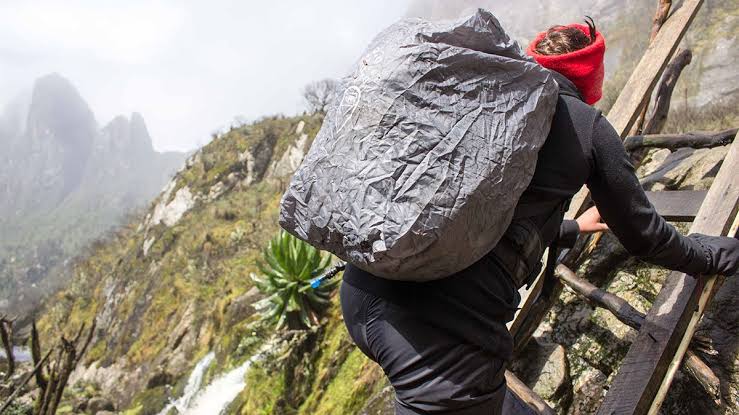
Ethiopia asks a fundamentally different question than Kenya or Tanzania: not which park has the best wildlife, but which combination of ancient history, unique culture, and dramatic highland scenery appeals most. Lalibela’s rock-hewn churches, the Simien Mountains’ gelada monkeys and dramatic escarpments, and the Omo Valley’s remarkable ethnic diversity offer an experience with no real equivalent in Kenya or Tanzania. Ethiopia suits travelers who’ve already done a classic savannah safari, or who are specifically drawn to culture and history as much as wildlife, rather than those seeking the Big Five as their primary goal.
Wildlife Comparison
Kenya and Tanzania both deliver the Big Five and the broader savannah wildlife experience, lions, elephants, giraffes, and enormous plains game herds, that most first-time African travelers are seeking. Ethiopia’s wildlife draw is narrower but genuinely unique, the endemic gelada monkey, Walia ibex, and Ethiopian wolf found nowhere else on Earth, rather than the broader Big Five experience. Travelers whose primary goal is classic safari wildlife should prioritize Kenya or Tanzania, while those drawn to rare, endemic species in a dramatic highland setting will find Ethiopia genuinely rewarding on its own terms.
Cultural Depth and Historical Sites
Ethiopia holds a clear edge in raw historical depth, with Lalibela’s churches, Aksum’s ancient obelisks, and Gondar’s castles offering a density of significant historical sites that Kenya and Tanzania, while rich in their own cultural traditions, don’t match in the same way. Kenya and Tanzania offer their own genuine cultural experiences, particularly Maasai community visits and Zanzibar’s Swahili coastal heritage, but travelers specifically prioritizing ancient history and architecture will find Ethiopia the standout choice among the three.
Cost Comparison
Kenya and Tanzania’s safari costs run broadly similar, driven mainly by park fees, accommodation tier, and vehicle type, with Tanzania’s more remote southern parks sometimes commanding a premium for the extra logistics involved in reaching them. Ethiopia’s costs follow a different structure entirely, without gorilla-style permit fees but with its own expenses around domestic flights linking distant regions and the specialized logistics of visits to places like the Danakil Depression. None of the three destinations is dramatically cheaper than the others once a full itinerary is priced out, though Ethiopia’s costs are driven more by logistics and specialized access than by wildlife permits.
Best Time to Visit Each
Kenya and Tanzania both reward visits timed around the dry season and, for migration-focused trips, the specific months when herds are in the Mara or northern Serengeti. Ethiopia’s dry season, roughly October through May, offers the most reliable conditions for both the northern historical circuit and Simien Mountains trekking, a notably different calendar than the June-through-September window that dominates Kenya and Tanzania safari planning.
Combining More Than One Country
Travelers with two weeks or more increasingly combine two or even all three of these destinations rather than choosing just one, given how genuinely complementary their strengths are. A trip combining Kenya or Tanzania’s classic savannah safari with a few days in Ethiopia’s historical north delivers a far broader picture of East Africa than any single country alone, and flight connections through Addis Ababa and Nairobi make this kind of combination logistically manageable for travelers willing to add the extra planning, particularly for anyone who already has two to three weeks set aside for the trip rather than a rushed single-week visit.
Accessibility and Flight Connections
Kenya’s Nairobi and Ethiopia’s Addis Ababa both serve as major regional aviation hubs with extensive international connections, generally making both countries straightforward to reach directly from Europe, the Middle East, and increasingly North America. Tanzania’s international gateways, Kilimanjaro International Airport and Dar es Salaam, offer fewer direct long-haul connections than Nairobi or Addis Ababa, sometimes requiring a connecting flight through Kenya or Ethiopia first. This makes combining any two of the three countries logistically easier than it might first appear, since the region’s aviation hubs already route heavily through exactly the cities most relevant to a combined itinerary.
Which Destination Suits Families
Kenya and Tanzania’s established safari infrastructure, including family-friendly lodges and shorter game-drive days that suit younger travelers, generally makes them the more straightforward choice for families with children. Ethiopia’s highland trekking and remote regions like the Omo Valley and Danakil Depression demand more physical resilience and tolerance for basic conditions than most family trips prioritize, though Ethiopia’s northern historical circuit, Lalibela and Gondar in particular, remains accessible and genuinely interesting for families with older children curious about history and culture.
Photography Priorities
Wildlife photographers chasing classic safari subjects, big cats, elephants, and migration herds, will find Kenya and Tanzania far more productive than Ethiopia, which offers a narrower but still compelling set of subjects, gelada monkeys, dramatic highland landscapes, and the otherworldly colors of the Danakil Depression. Photographers interested in architecture, culture, and portraiture alongside landscape work often find Ethiopia the more rewarding destination precisely because it offers subject matter genuinely different from the wildlife-focused work most safari photography trips produce.
First Safari Versus Repeat Visitor
Travelers on their first trip to Africa generally get the most immediate satisfaction from Kenya or Tanzania, since the classic Big Five experience delivers exactly what most people picture when planning their first safari. Repeat visitors who’ve already experienced that classic circuit often find Ethiopia’s genuinely different offering, ancient churches, endemic highland wildlife, and remote cultural regions, a more interesting way to continue exploring the continent than a second, similar savannah safari. Neither approach is wrong, but understanding which category you fall into helps clarify which destination will feel most rewarding for this particular trip.
Making the Right Choice for Your Trip
First-time visitors to Africa specifically chasing classic safari wildlife should lean toward Kenya or Tanzania, while those who’ve already experienced a savannah safari, or who are drawn as much to history and culture as wildlife, will find Ethiopia genuinely rewarding as either a standalone trip or an addition to a broader East Africa itinerary. Reading through our full Ethiopia travel guide alongside your research into Kenya and Tanzania’s classic circuits gives a clearer picture of which combination, or which single destination, actually matches what you’re hoping to get out of the trip.
Recommended Tours: 12-Day Uganda Gorilla Tours and Kenya Great Migration Safaris | 9 Days Uganda Gorilla Safaris & Jinja Nile Cultural Experience