Facts About Nyungwe National Park
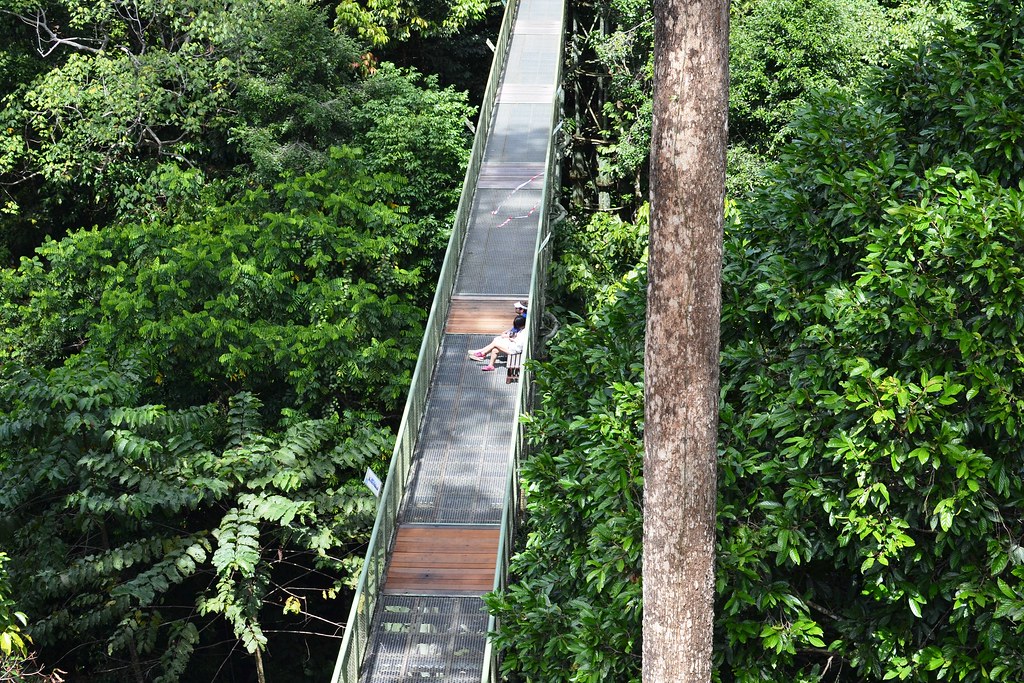
Facts About Nyungwe National Park: Nyungwe National Park is known for its distinctive features, which are harder to find elsewhere in East Africa, such as the lovely canopy green forest and canopy walk, as well as its pleasant climate, which makes for the ideal vacation.
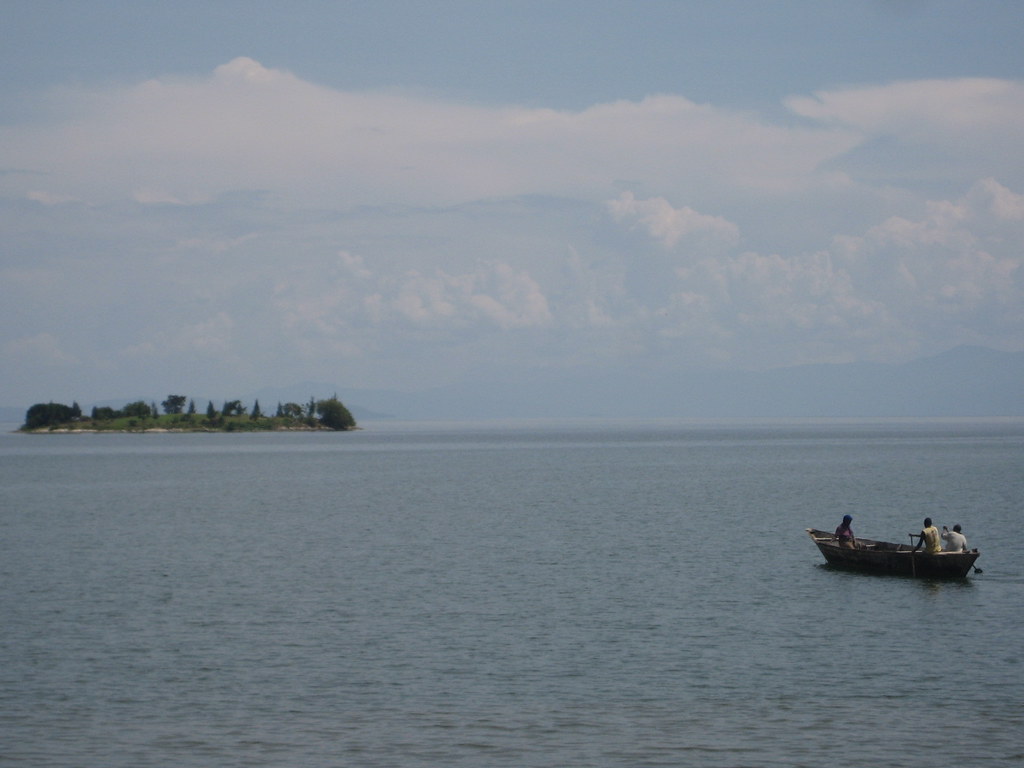
Nonetheless, the park is located in the southwest of Rwanda, near the Burundian border. It is adjacent to Lake Kivu and the Democratic Republic of the Congo to the west, as well as Kibira National Park to the south.
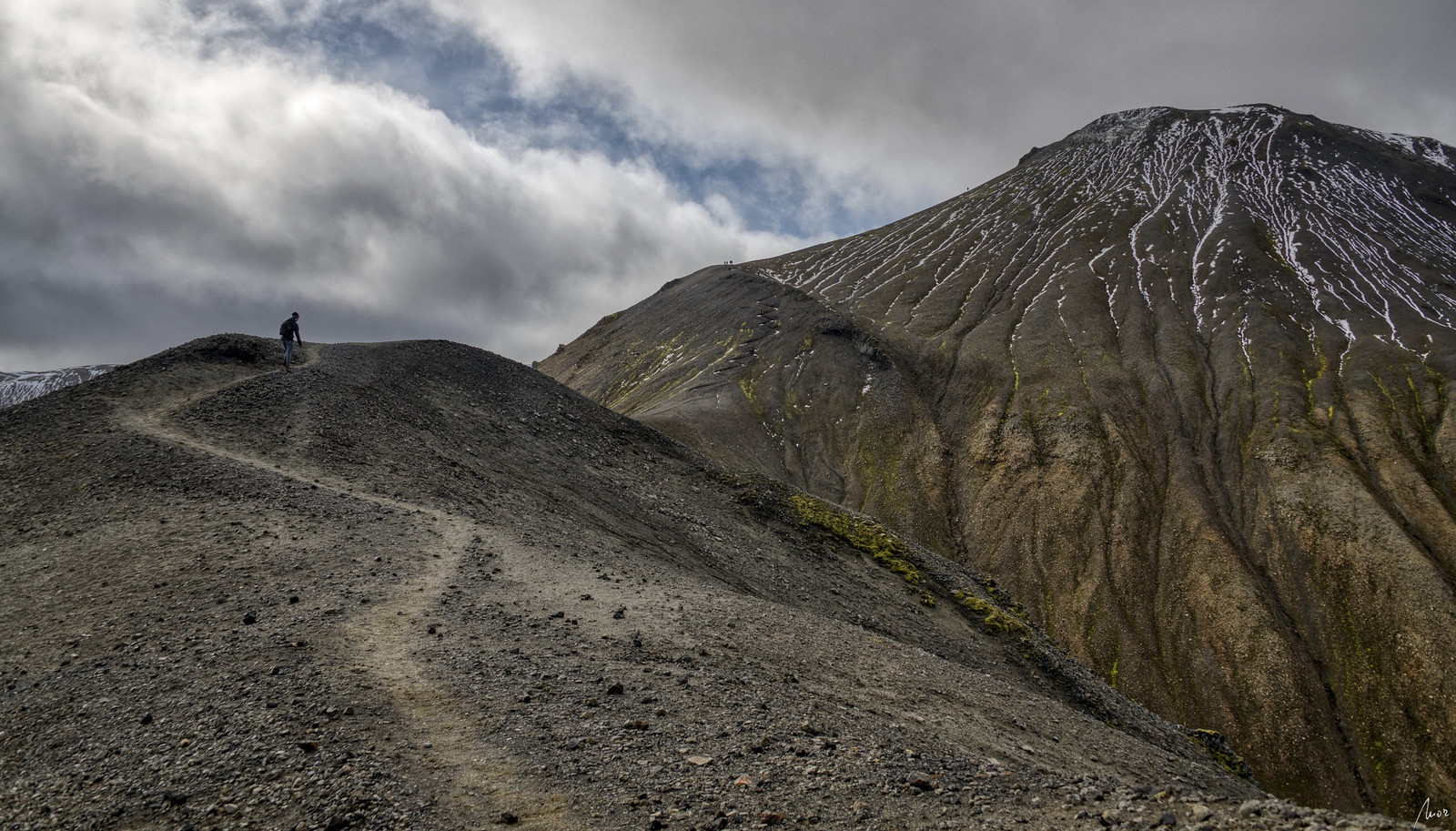
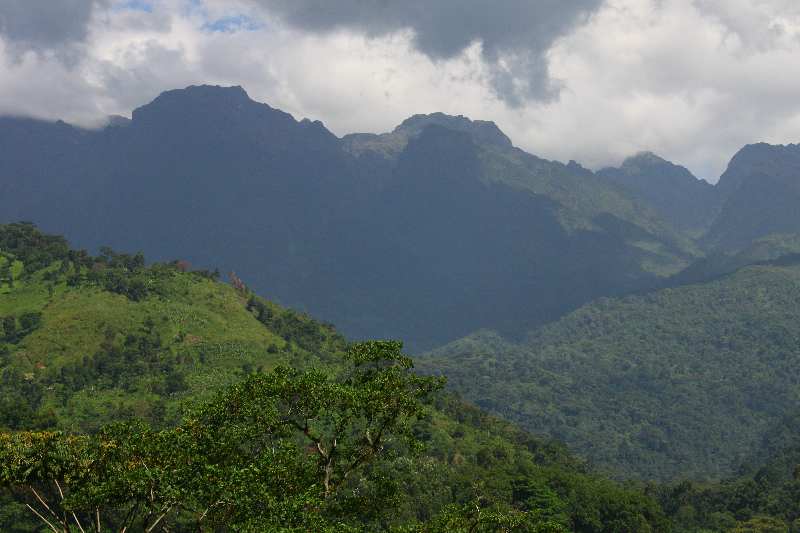
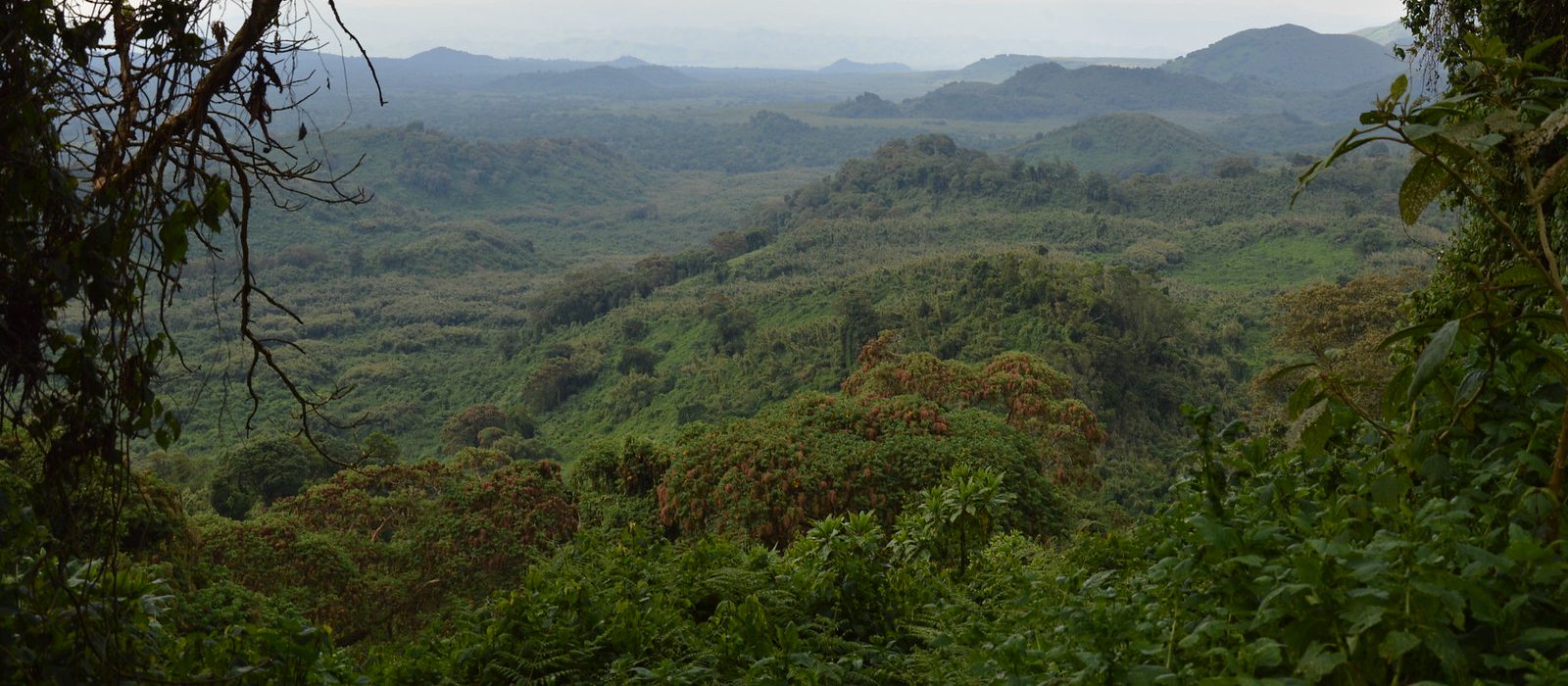
The best-preserved montane rainforest in Africa is found at Nyungwe National Park, which is situated in the watershed between the Nile River basin to the east and the Congo River basin to the west. Even so, one of the branches of the Nile headwaters can be found on the east side of the Nyungwe forest.
Furthermore, the park was established as a national park in 2004 and encompasses an estimated 1,019 square kilometers of grassland, bamboo, bogs, swamps, and rainforest. Nevertheless, the Rwanda Development Board and African Parks inked a deal in late 2020 for the Rwanda Development Board to take over management of Nyungwe National Park for a period of years. Nyungwe National Park is currently listed as a UNESCO World Heritage Site.
The multiplicity of animal species found in Nyungwe Forest makes it a top conservation priority in Africa. The forest is situated where numerous large-scale biogeographical zones converge, and the diversity of terrestrial biomes offers a remarkable range of microhabitats for various plant and animal species.
More than 13 primate species, 275 bird species, 1068 plant species, 85 animal species, 32 amphibian species, and 38 reptile species may be found in the park. Many of these animals are unique to the African montane forest ecoregion of the Albertine Rift. Furthermore, the number of endemic species found in the examined Albertine Rift Mountains is also visible.
Because of the presence of chimpanzees and Angola colobus, who are now extinct in Angola due to the harsh hunting they endured, these forests reach a maximum elevation of 3000 meters above sea level.
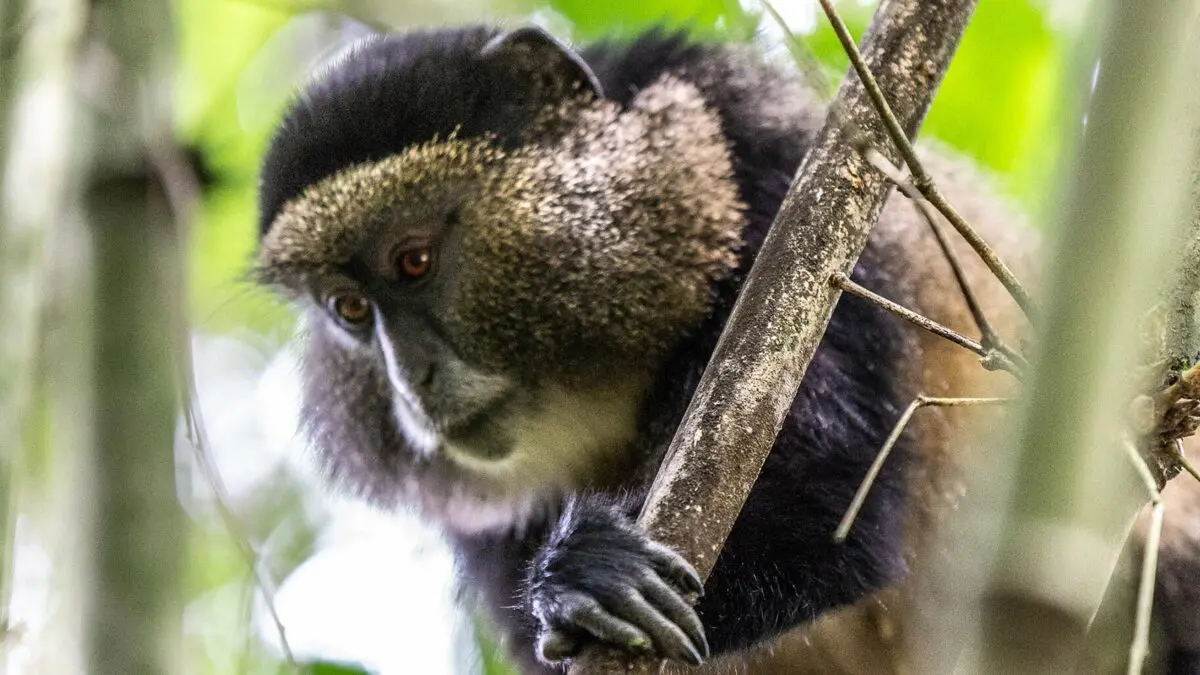
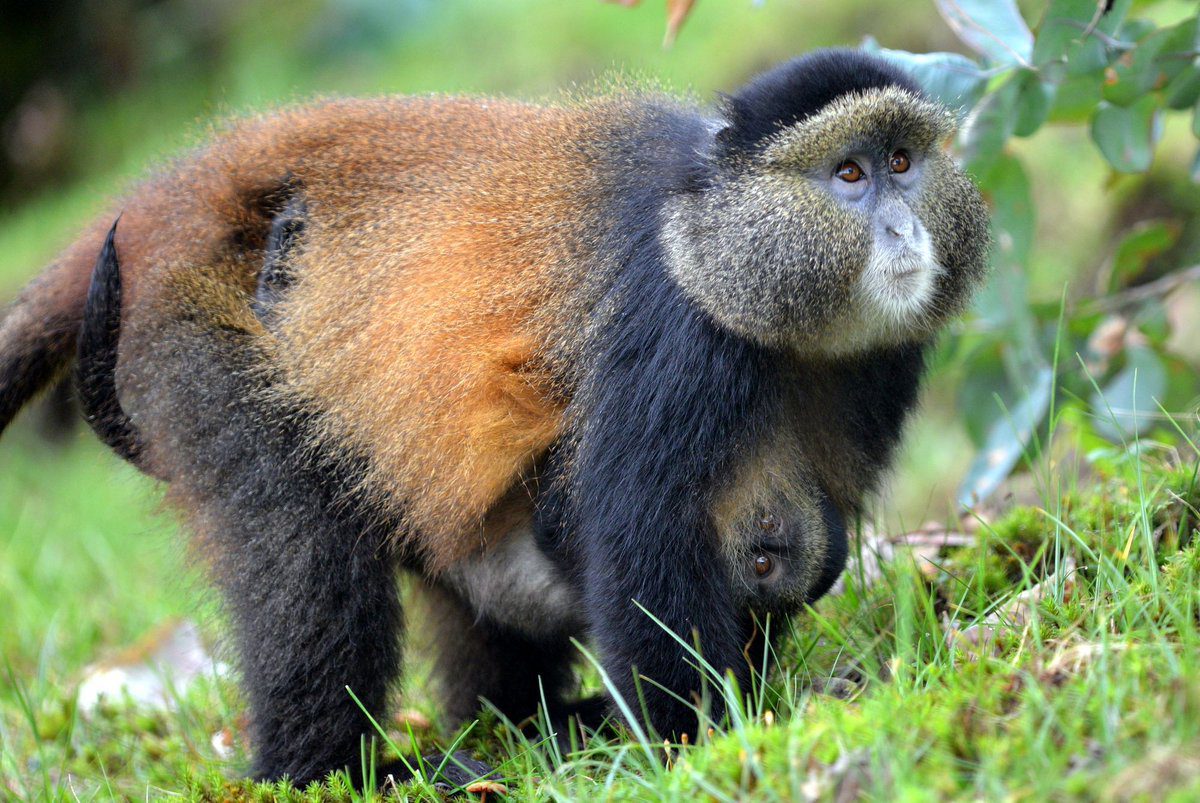
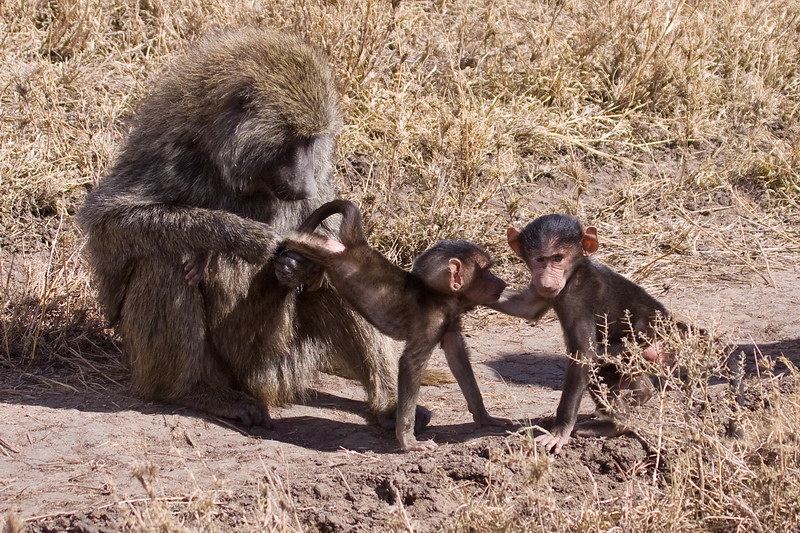
Common chimpanzees, Ruwenzori colobus, L’hoest’s monkey, Silver monkey, Golden monkey, Hamlyn’s monkey, Red-tailed monkey, Dent’s Mona monkey, Vervet monkey, Olive baboon, Grey-cheeked mangabey, and others are among the primate species that can be seen during your safari in Nyungwe National Park.
Historical facts: The Belgian colonial authority established Nyungwe Forest Reserve in 1933. The colonial authorities then started to worry about the rapid conversion of forest to pasture in the 1920s.
Communities’ rights to chop and gather firewood were upheld by the regulations governing Rwanda’s forest reserve, which prohibited the clearance of trees for agricultural purposes. Despite the lack of strict enforcement, locals kept using the forest for gold mine, hunting, honey harvesting, subsistence farming, and woodcutting.
Thankfully, Rwanda gained its independence in 1962, and the Ministry of Agriculture was already in charge of overseeing the nation’s forest reserves. Unfortunately, fires, animal hunting, and small-scale farming caused the Nyungwe forest to shrink by more than 150 square kilometers between 1958 and 1973.
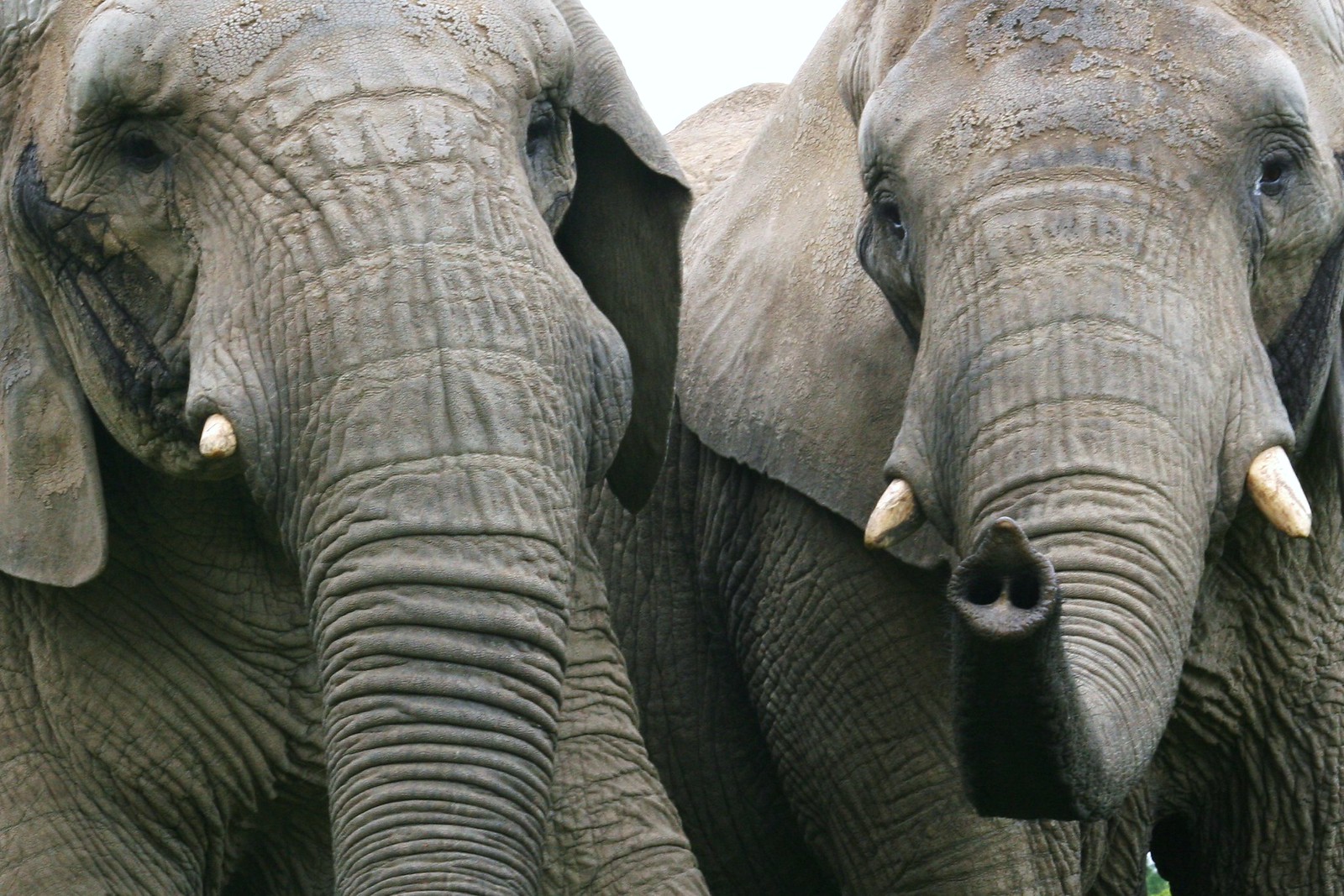
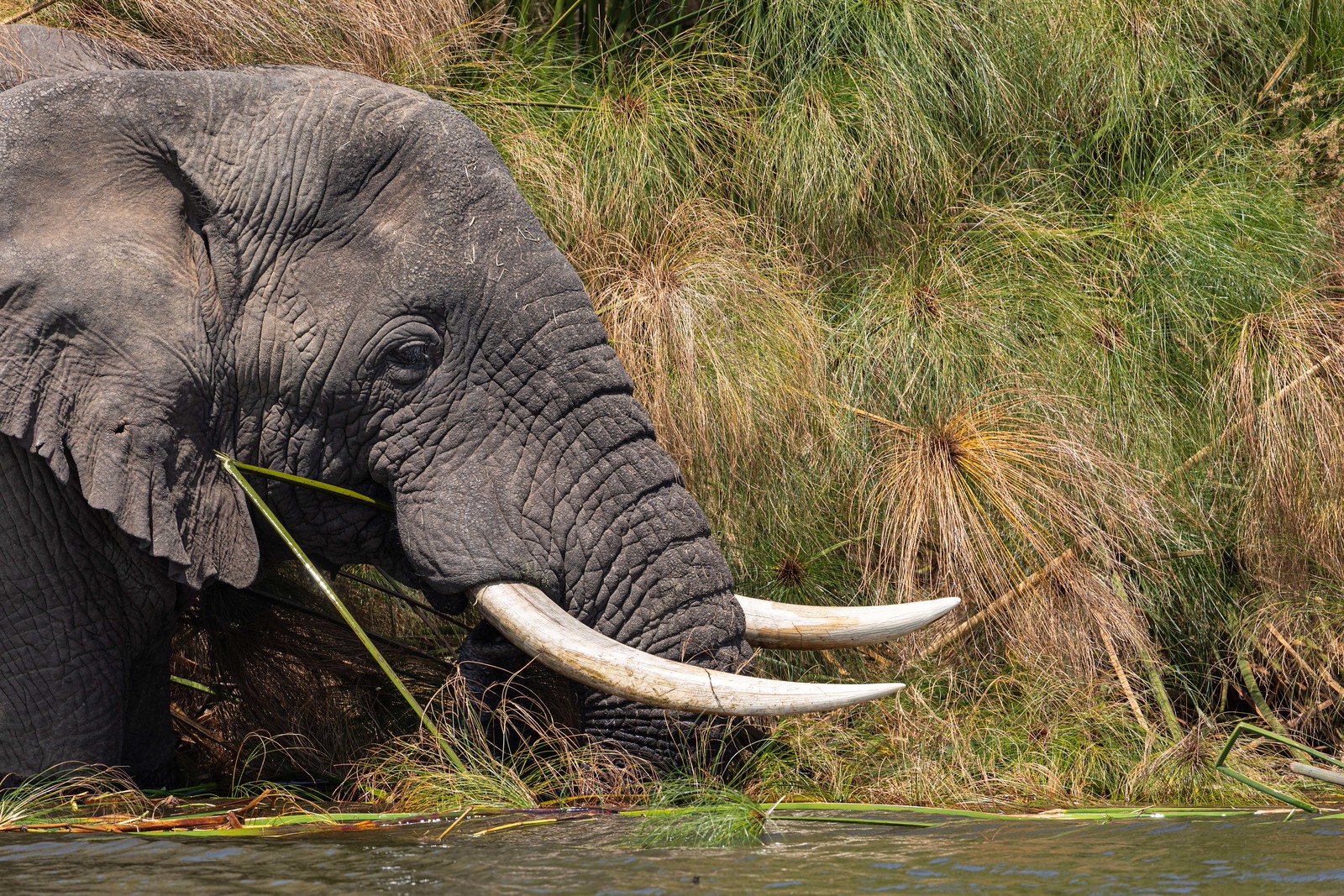
Elephant populations in Nyungwe then grew by the hundreds in 1966. Later, in 1984, Nyungwe was separated into regions that permitted timber harvesting and sustainable use. In light of its past, the Rwandan government created a buffer zone plan that is still in use today.
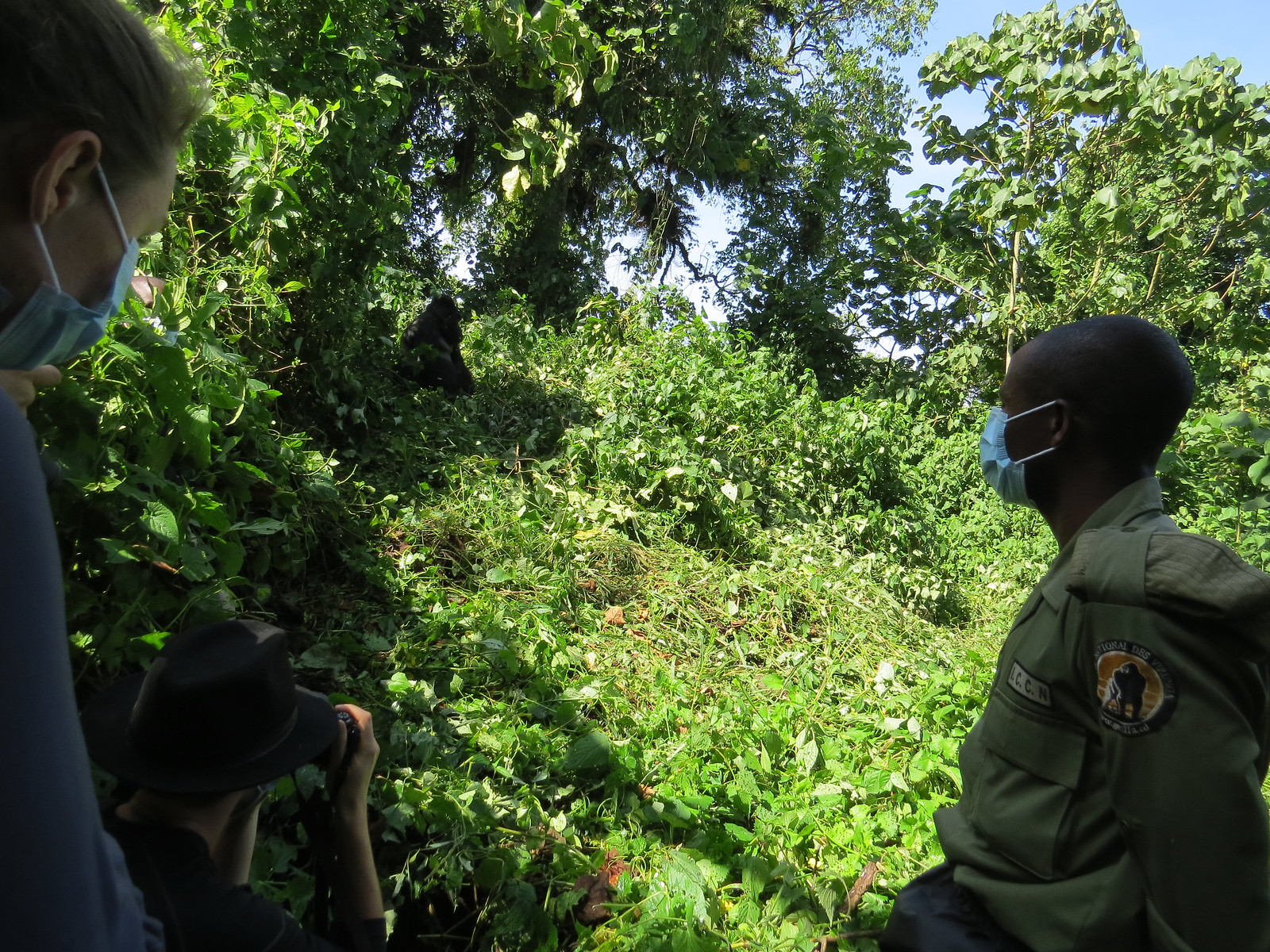
Trekking with chimpanzees in Nyungwe Forest National Park
Nyungwe was given protection when the Rwandan government designated it as a National Park in 2005.
Things to do at the National Park of Nyungwe
Activities like birding, hiking on the guided nature route, canopy walks, tropical waterfalls, primates trekking, and camping tours are among the many attractions in Nyungwe National Park that draw tourists from all over the world.
Last but not least, a trip to Rwanda Safaris would not be complete without a visit to Nyungwe National Park, which is known as Africa’s longest preserved tropical rainforest and is home to roughly 13 primate species, including the largest number in the world, 400 monkeys and chimpanzees, who make up 25% of the continent’s total population.
Recommended Tours: 3 Days Chimpanzee Trekking in Kibale | 4 Days Kibale & Queen Elizabeth Safari
Chimpanzee Trekking in East Africa – Complete Guide
Chimpanzees (Pan troglodytes) are our closest living relatives, sharing approximately 98.7% of human DNA. Watching a habituated chimpanzee family in the wild – their complex social dynamics, tool use, and remarkable expressions – is one of the most intellectually and emotionally engaging wildlife experiences Africa has to offer.
East Africa’s premier chimpanzee destination is Kibale Forest National Park in western Uganda, home to over 1,500 chimpanzees – the highest density of primates in Africa. Rwanda’s Nyungwe Forest National Park offers another outstanding option within one of Africa’s largest montane rainforests.
Kibale Forest National Park – Uganda’s Chimpanzee Capital
Kibale Forest covers 776 km² of moist evergreen and semi-deciduous forest in the Rwenzori foothills of western Uganda. The park’s Kanyanchu tourism site is where chimpanzee trekking takes place, with several habituated communities accustomed to human observation.
A standard chimpanzee trekking permit in Kibale costs USD 250 per person and covers one hour with the chimps after tracking them through the forest. The Chimpanzee Habituation Experience (CHEX) costs USD 250 per person and runs from 6 AM to 6 PM, allowing a full day following a semi-habituated community – a far more intimate encounter. Permits are available through Uganda Wildlife Authority or licensed tour operators.
Beyond chimpanzees, Kibale is home to 12 other primate species including red-tailed monkeys, black-and-white colobus, grey-cheeked mangabeys, olive baboons, and the rare L’Hoest’s monkey. Over 375 bird species have been recorded, making it one of Uganda’s premier birding destinations.
Frequently Asked Questions About Chimpanzee Trekking
How different is chimpanzee trekking from gorilla trekking?
Chimpanzees are considerably more mobile and vocal than gorillas. A gorilla trek involves slowly approaching a relatively static family group; a chimp trek involves following fast-moving, tree-climbing individuals who may cover significant distances. Chimps are also noisier – their hoots, screams, and drumming on tree buttresses are an extraordinary spectacle. The terrain in Kibale is generally gentler than Bwindi.
Can I combine Kibale chimp trekking with gorilla trekking?
Yes – and this combination is one of Uganda’s most popular itineraries. A classic 7-day Uganda primate safari typically combines Kibale chimp trekking with Bwindi gorilla trekking, often including a game drive in Queen Elizabeth National Park en route. This gives you two of the world’s great primate encounters in a single trip.
What time does chimpanzee trekking start?
Treks begin at 8:00 AM (morning session) and 2:00 PM (afternoon session) at Kanyanchu Visitor Centre in Kibale. The morning session is generally considered better as chimps are more active. Arrive 30 minutes early for the briefing. CHEX starts at 6:00 AM to follow the chimps from their night nests.
Explore More: Congo Safaris | Gorilla Trekking Guide | Virunga Volcanoes | Gorilla Trekking Permits | Gorilla Trekking Costs
Contact Us – Ready to book your East Africa gorilla safari? Our team is here to help you plan the perfect trip.
Congo and Virunga National Park Safari Experiences
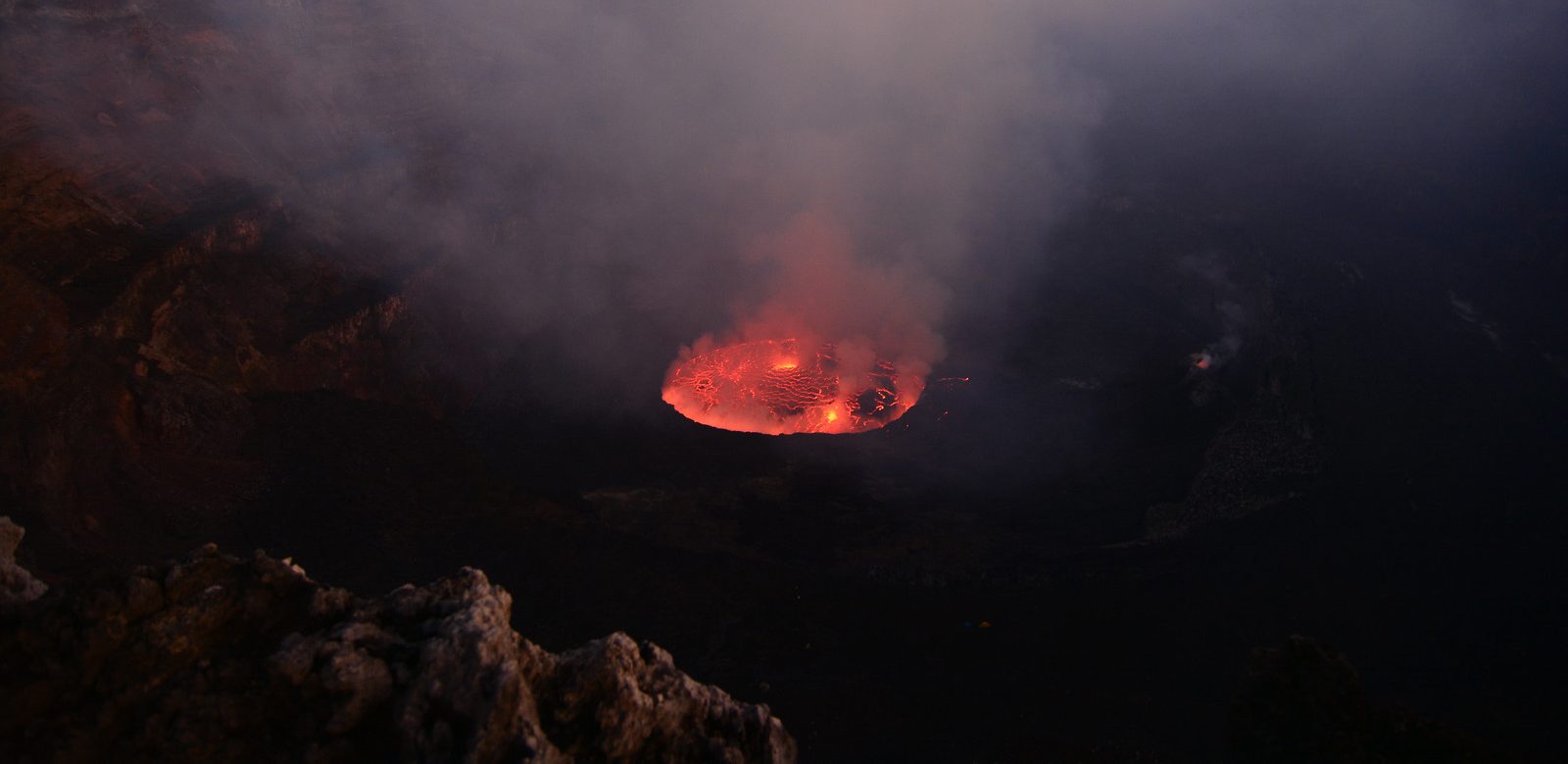
Virunga National Park in the DRC is Africa’s oldest national park and a UNESCO World Heritage Site, home to mountain gorillas, chimpanzees, and the world’s most active volcanoes. The Virunga Volcanoes including Nyiragongo – with its spectacular lava lake – offer thrilling hiking adventures. Mountain gorilla trekking in Virunga can be combined with Volcanoes National Park in Rwanda or Bwindi in Uganda. Conservation safaris directly support endangered species protection. Enjoy exceptional birding, chimpanzee trekking, and boat safaris on Lake Edward. Choose from luxury, camping, or group safari options. Trust East Africa Gorilla Safaris to arrange your Congo adventure safely.
Plan Your East Africa Safari
Preparing for your East Africa adventure requires careful planning. Start with understanding gorilla trekking permits and gorilla trekking costs to budget your trip correctly. Our guide to what to pack for gorilla trekking ensures you arrive fully prepared for the trek. Review gorilla trekking rules and etiquette and our essential safety and health tips before you travel. Find the best gorilla trekking accommodation near the national parks, and learn about getting to the gorilla parks by road or air. Capture your experience perfectly with our gorilla photography tips, and discover how gorilla tourism supports conservation. Get physically ready with our fitness and preparation guide and explore cultural experiences near gorilla parks. Consider the unique gorilla habituation experience for extended time with mountain gorillas. Complete your East Africa journey with fly-in safari options and a relaxing East Africa beach safari. Browse our full safari FAQs for everything you need to know before booking.