
Serengeti Big Five: Experiencing Africa’s Iconic Wildlife
The Serengeti and Its Wildlife Legacy
The Serengeti National Park in Tanzania is one of the most famous wildlife destinations in the world, celebrated for its vast savannahs, dramatic landscapes, and unparalleled biodiversity. Among the highlights of any Serengeti safari is the chance to see the Big Five—lion, elephant, buffalo, leopard, and rhinoceros—majestic animals that have captured the imagination of travelers for decades. Experiencing the Big Five in the Serengeti is more than wildlife viewing; it is a journey into the heart of Africa’s wild heritage.
The Big Five: A Closer Look
The term “Big Five” was originally coined by hunters to describe the most challenging animals to hunt on foot in Africa. Today, it represents a bucket-list wildlife experience for safari-goers. Each species has its own unique characteristics and behaviors that make sightings unforgettable.
Lion
The African lion, known as the “king of beasts,” is one of the Serengeti’s most iconic predators. Lions are social animals, living in prides that consist of multiple females, their cubs, and a few males. Observing a pride in action—whether hunting, resting, or protecting territory—offers insight into complex social dynamics and raw power. Early mornings and late afternoons are the best times to spot lions as they are most active during cooler hours.
Elephant
The African elephant is the largest land mammal, and the Serengeti hosts significant populations of these gentle giants. Elephants are intelligent and social, traveling in matriarch-led herds. They shape the ecosystem by uprooting trees, creating pathways, and dispersing seeds, making them a keystone species. Watching elephants interact, nurture their young, and communicate through subtle gestures is a profoundly moving safari experience.
Buffalo
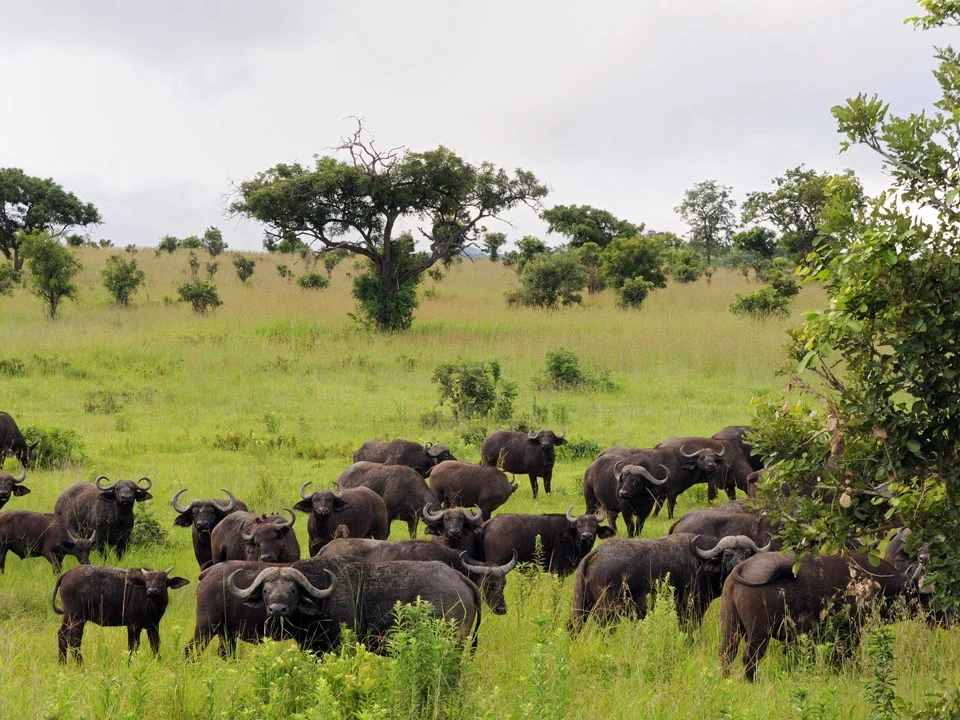
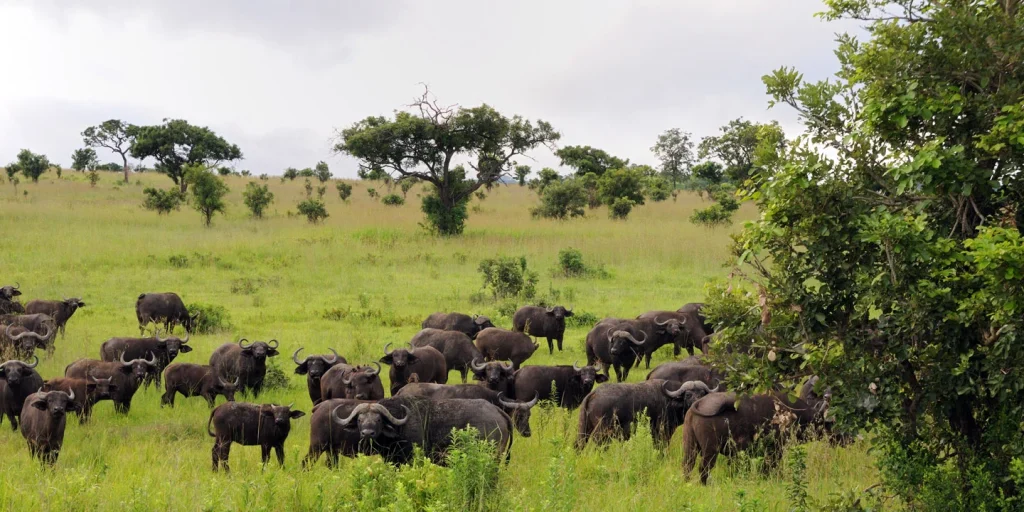
African buffalo are formidable creatures known for their unpredictable behavior. Large herds roam the Serengeti, feeding on grasses and forming tight groups to protect themselves from predators. Their sheer size and social coordination make them an impressive sight, especially during migration periods when thousands move together across the plains.
Leopard
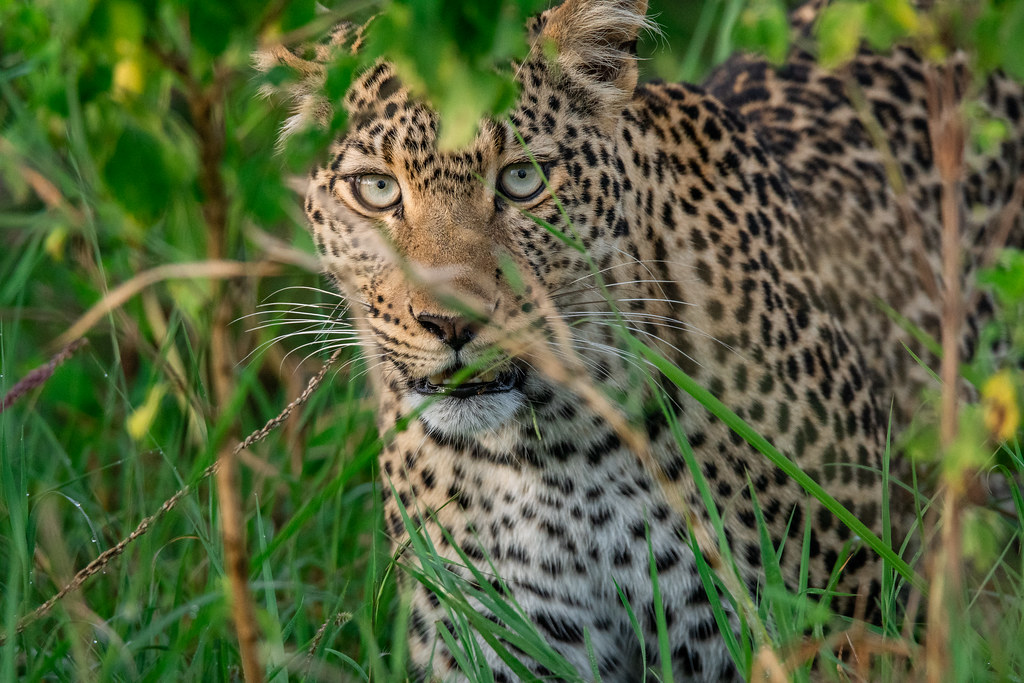
Leopards are elusive and solitary predators, often hiding in trees or thick vegetation. Spotting a leopard requires patience, knowledge of their habits, and sometimes a stroke of luck. Their stealth, climbing ability, and powerful build make leopards fascinating subjects for observation and photography.
Rhinoceros
The Serengeti is home to both black and occasionally white rhinos, though sightings are rare due to their critically endangered status. Conservation efforts have focused on protecting rhino populations from poaching, making any encounter a significant and memorable experience. Rhinos are vital to the ecosystem, grazing on grasses and shrubs while influencing plant growth patterns.

When and Where to See the Big Five in the Serengeti
The Serengeti’s vast size, spanning nearly 15,000 square kilometers, provides diverse habitats—from open plains and woodlands to riverine forests. Lions and cheetahs are more commonly seen in open savannahs, while leopards favor areas with thick cover. Elephants and buffalo are widespread but often cluster around water sources, especially during the dry season. Rhinos are mostly found in protected regions with strict anti-poaching measures.
Timing also plays a crucial role. The dry season, from June to October, is often the best period for wildlife sightings as animals congregate near rivers and waterholes. Visitors during this time increase their chances of observing all five species.
Experiencing the Big Five Responsibly
Seeing the Big Five is thrilling, but responsible tourism ensures that wildlife is protected and habitats remain intact. Serengeti safari operators follow strict guidelines: maintaining safe distances, minimizing vehicle noise, and respecting animal behavior. By choosing ethical safari operators, travelers support conservation efforts and help ensure that these iconic species continue to thrive for generations to come.
The Serengeti Big Five represents the pinnacle of African safari experiences. Observing lions, elephants, buffalo, leopards, and rhinos in their natural habitat is awe-inspiring, educational, and deeply moving. Beyond the excitement of spotting these animals, witnessing their interactions, social structures, and behaviors offers a profound understanding of the delicate balance that sustains life in the Serengeti. For anyone visiting East Africa, seeing the Big Five in the Serengeti is a life-changing encounter with the wild at its most majestic.
Related reading: How To Vist Serengeti Tanzania and Trek Gorillas Bwindi and Why Serengeti is Africa’s Top Safari Destination.
Ready to see it for yourself? Explore our Tanzania safari tours, including the 5 Days Tanzania Safaris itinerary, or get in touch with our safari experts to start planning your trip.