Fly-In vs Drive-In Safaris: Which Works Better for Your Itinerary
Fly when a long transfer would cost you a game drive, a night at your lodge or the rest you need before a trek. Drive when the stops along the way are part of the trip you want. If only one leg is awkward, drive one way and fly the other. You don’t have to use the same kind of transport for the entire safari.
The most useful way to compare fly-in vs drive-in safaris is to count the hours between accommodations, not just the time in the air or on the road. A one-hour flight still involves check-in and a vehicle transfer after landing. A longer road journey may be worth it if you stop at a second park, spend time in a town you wanted to visit or keep the same guide between destinations.
Fly-In vs Drive-In Safaris at a Glance
| What to compare | Fly-in safari | Drive-in safari |
|---|---|---|
| Travel time | Can save hours on long routes. Include check-in, any stops and the drive from the airstrip. | Usually takes longer on distant routes, but you can build useful stops into the journey. |
| Total cost | Check airfare, airstrip transfers, game drives and whether the vehicle at camp is shared. | Check the vehicle, driver-guide, fuel, meals on the road and any separate fees. |
| Luggage | Light aircraft can have strict weight and size limits, including for cabin bags. | Often more flexible, but check storage space if several guests share the vehicle. |
| Guide and vehicle | You may use different guides and vehicles at each camp. Ask how the drives are arranged. | A private itinerary can let you keep the same driver-guide between parks. |
| Best fit | A short trip focused on one remote area, or a long transfer with few stops you want. | A route with several destinations, useful breaks or a group that can share vehicle costs. |
When a Fly-In Safari Makes More Sense
You have only a few nights in one wildlife area
If you have three nights and want to spend them in the Maasai Mara, flying from Nairobi’s Wilson Airport can be a good use of your time. The Mara has several airstrips, so ask your camp which one to book before buying a ticket. It’s possible to fly to the right region and still land a long drive from your accommodation. Also check whether your arrival leaves enough time for an afternoon drive. Landing earlier doesn’t help much if the camp’s shared vehicle has already left.
If you’re connecting from an international flight into Jomo Kenyatta International Airport, check whether your safari flight leaves from Wilson. These are different airports. Allow time for immigration, baggage collection, the road transfer and domestic check-in. If the connection is tight and the tickets are separate, an overnight in Nairobi may be the better choice.
You want to arrive rested before a trek
In Uganda, flights from Entebbe to Kihihi or Kisoro can shorten the journey to the Bwindi area. Confirm your gorilla trekking sector and lodge before choosing an airstrip. Kihihi generally serves the northern side of Bwindi, while Kisoro is often used for the southern sectors. The easiest airport transfer on paper is of little use if it leaves you on the wrong side of the forest for your permit.
A flight saves time on the longest part of the journey, but you’ll still travel by road after landing. Ask how long the drive to your lodge takes and when you need to leave for the trek briefing the next morning. The aim is to make the day before your trek easier, not to squeeze in a flight, several stops and a late arrival.
When a Drive-In Safari Works Better
You want to visit several places along the same route
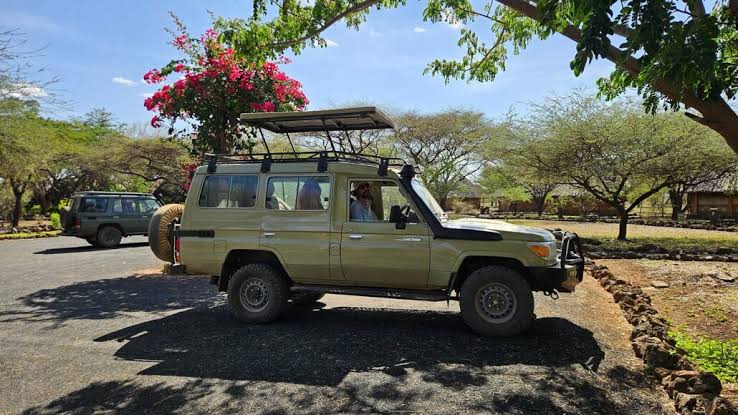
A drive-in safari works particularly well when the destinations fall along a route you want to explore. In northern Tanzania, for example, you can travel by road from Arusha, spend time in Tarangire or the Ngorongoro area, and continue into the Serengeti. If those stops matter to you, flying straight to the Serengeti would save travel time but skip some of the trip you came to take.
Look at what the itinerary calls a game drive. When your vehicle enters a park on the way to camp, you might see wildlife along the route. That is a bonus, but it is different from a morning set aside to explore with no transfer deadline. Ask which days are mainly for getting somewhere and which give you time to stay with a sighting.
You want the same guide and more control over breaks
On a private drive-in itinerary, you may keep the same driver-guide between destinations. That can be useful when one person wants birding stops and another needs regular breaks. You can discuss both needs with one guide rather than having to explain them at each new camp. If you’re looking at a shared road safari, ask how much flexibility the group actually has.
Confirm how many passengers will be in the vehicle, how bags are stored and where you can stop for toilets or meals. If you’re travelling with children, someone who gets carsick or anyone who struggles with bumpy roads, ask about the longest driving day and the surface of the final stretch to camp. A route that looks short on a map may still make for a tiring day.
How to Compare Time and Cost Fairly
Ask both operators for a door-to-door estimate. For a flight, include the drive to the airport, check-in, the scheduled journey and the transfer from the airstrip. Some light-aircraft services make stops along the way, so check whether the flight is direct. For a road transfer, include breaks, any stops you plan to make and the drive to the lodge after entering the park.
Suppose the flight itself takes one hour, you spend 90 minutes getting to the airport and checking in, and the camp is 45 minutes from the airstrip. That’s three hours and 15 minutes before any delays or extra stops. If the road journey takes six hours, the flight saves two hours and 45 minutes in this example. Now ask what you’d do with that time. If it gives you a full afternoon game drive, it may be worth paying for. If you’d arrive before your room is ready and wait for the same evening activity, the value is less clear.
Compare quotes for the same number of nights and activities. A fly-in fare may book a seat but leave you to pay for transfers or game drives at the lodge. A drive-in package may include a private vehicle and guide throughout. Ask both operators to list park or conservancy fees, meals, transfers and whether drives are private or shared. For a family or group, compare the price for everyone. Flight seats are usually priced individually, while a private road vehicle may be shared across the group.
A Mixed Itinerary Can Save Time Where It Counts
A useful Tanzania option is to drive into the Serengeti via your chosen stops and fly out. That gives you time for the places you wanted to see on the way in without repeating the return drive. Confirm which airstrip serves your final camp before booking. Seronera serves the central Serengeti, but it may not be the most convenient choice if you’re staying in another sector.
If you fly on only one leg, pack for that flight from the start. AeroLink Uganda lists a 15 kg allowance in soft bags, including hand luggage. Safarilink also lists 15 kg on its Mara services, including hand baggage, with different allowances on some other routes. Check your airline and ticket before packing. If you carry heavy camera equipment or need to bring more luggage, ask whether extra baggage is possible and get confirmation before travelling.
Frequently Asked Questions
Does a fly-in safari include game drives?
Not automatically. Some lodge packages include shared drives and airstrip transfers. Others charge separately. Confirm who will meet you, what activities are included and whether you’ll share the vehicle before comparing prices.
Can you see more wildlife on a drive-in safari?
You may see wildlife during a road transfer if the route passes through a park, but that doesn’t mean you’ll see more overall. A flight can give you extra viewing time if it gets you to camp before an afternoon drive. Compare the time each itinerary sets aside for wildlife, not simply the number of hours spent travelling.
Which option is better for a first safari?
Drive if you want a series of stops and the longest road day feels manageable. Fly if you have limited time and want to focus on one remote area. If both options appeal, keep the road leg with the places you most want to see and fly the leg you’d otherwise spend retracing your route.