
Garamba National Park: DR Congo’s Remote Elephant and Giraffe Stronghold
Garamba National Park ranks among Africa’s oldest protected areas, a genuinely remote savannah wilderness in the far northeastern Democratic Republic of Congo that has weathered decades of conservation challenges while continuing to protect significant elephant populations and one of the last strongholds of the Kordofan giraffe subspecies. This guide covers Garamba’s remarkable history and what makes it genuinely significant within Central Africa’s conservation landscape, from its century-long protection story through to its sobering connection to the northern white rhino crisis.
One of Africa’s Oldest National Parks
Established in 1938, Garamba ranks among the continent’s earliest formally protected areas, a designation reflecting recognition, even nearly a century ago, of the region’s exceptional wildlife significance within the broader Central African savannah ecosystem.
A Stronghold for the Kordofan Giraffe
Garamba protects a genuinely significant population of the Kordofan giraffe, a distinct subspecies facing severe range-wide decline, making the park’s continued protection efforts critical to this giraffe subspecies’ overall survival prospects.
Elephant Conservation Amid Genuine Challenges
Garamba’s elephant population has faced severe historical poaching pressure, including periods of significant conflict-related instability, yet the park’s continued conservation efforts represent a genuinely important ongoing commitment to protecting one of the region’s most significant remaining elephant populations.
UNESCO World Heritage Recognition
Garamba holds UNESCO World Heritage status, formal international recognition of the park’s outstanding universal conservation value despite the genuine operational challenges it has faced over recent decades.
The Northern White Rhino’s Historical Home
Garamba was historically home to northern white rhinos before the subspecies’ functional extinction in the wild, a sobering piece of the park’s history connected to the broader northern white rhino story now centered at Kenya’s Ol Pejeta Conservancy.
Why the Kordofan Giraffe Faces Such Severe Threat
The Kordofan giraffe subspecies has suffered dramatic range-wide decline due to habitat loss and instability across much of its historic Central African territory, making Garamba’s remaining population genuinely disproportionately important to the subspecies’ overall global survival prospects.
Conservation Efforts and International Partnership
Garamba’s ongoing protection involves genuine international conservation partnership, reflecting the significant resources and expertise required to maintain security and wildlife monitoring in this remote, historically challenged region.
Why Garamba Remains Genuinely Difficult to Visit
Given the park’s remote location and the region’s security considerations, Garamba remains accessible only to genuinely well-prepared travelers working with specialized operators experienced in this specific part of DRC.
The Park’s Broader Wildlife Significance
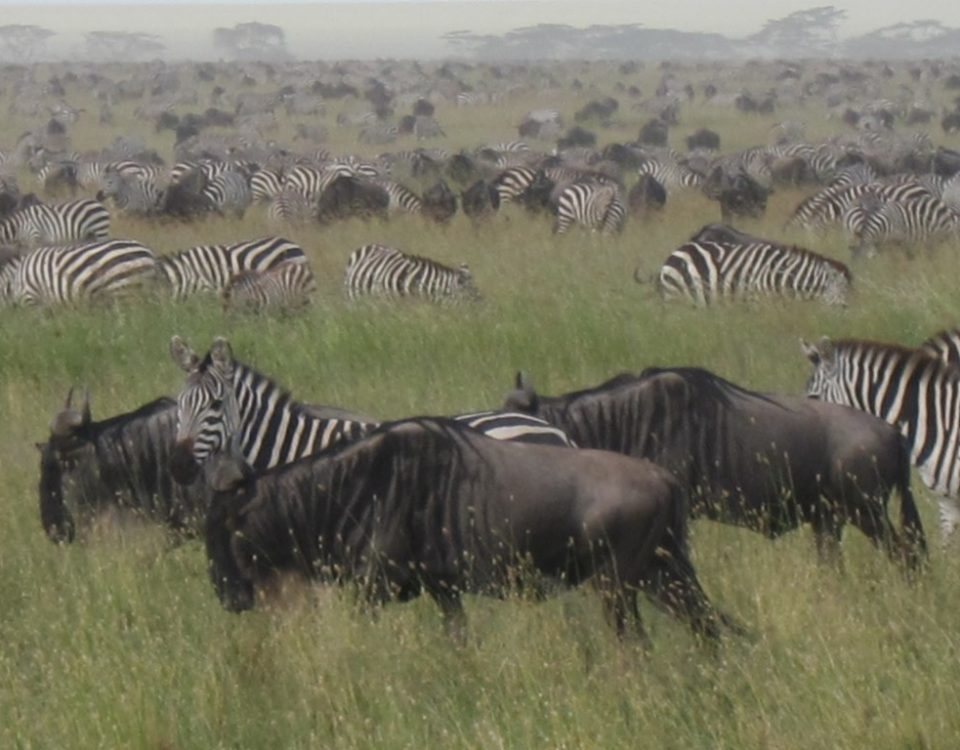
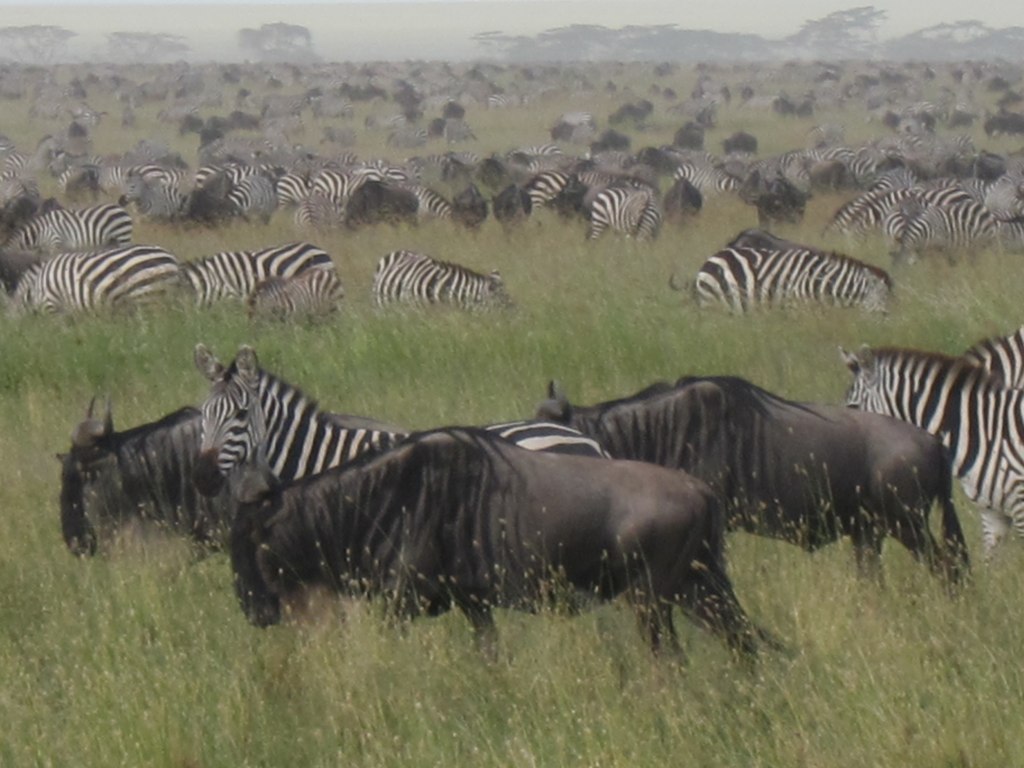
Beyond elephants and giraffes, Garamba supports genuinely diverse savannah wildlife, reflecting the park’s significance as one of Central Africa’s most important remaining large mammal strongholds.
Why Garamba Matters to Global Conservation
Despite its genuine operational challenges, Garamba’s continued existence and ongoing protection efforts represent a meaningful conservation commitment, demonstrating sustained investment in protecting Central Africa’s wildlife heritage even under difficult circumstances.
How Garamba’s History Reflects Broader Regional Challenges
Garamba’s nearly century-long conservation story mirrors much of Central Africa’s broader wildlife protection challenges, periods of relative stability interrupted by conflict and poaching pressure, followed by renewed conservation investment and recovery efforts, a genuinely instructive case study in the resilience required to sustain long-term protected area management in a historically unstable region.
What Happened to Garamba’s Northern White Rhinos
Garamba’s northern white rhino population declined to extinction within the park itself due to sustained poaching pressure over past decades, a loss that predates and connects directly to the broader northern white rhino crisis now centered on the two remaining individuals under protection at Ol Pejeta Conservancy in Kenya.
How Garamba’s Rangers Have Sustained Protection Under Pressure
Garamba’s ranger corps has genuinely operated under some of the most demanding security conditions faced by any protected area management team in Africa, a sustained commitment that reflects extraordinary dedication given the persistent conflict-related risks affecting the broader northeastern DRC region.
Why Garamba’s Elephant Population Still Matters Globally
Despite significant historical losses, Garamba’s surviving elephant population represents a genuinely important genetic and ecological resource for Central African elephant conservation broadly, making continued protection efforts here relevant well beyond the park’s own boundaries.
How International Conservation Organizations Support Garamba
Various international conservation partners have genuinely invested substantial resources in Garamba’s ranger training, equipment, and wildlife monitoring infrastructure, support that has proven essential to sustaining even baseline protection through the park’s most difficult periods.
Why Garamba’s Story Resonates Beyond Dedicated Conservationists
Even travelers with only passing interest in African wildlife conservation often find Garamba’s story genuinely compelling, a decades-long struggle to protect elephants, giraffes, and once rhinos against extraordinary odds, offering a human dimension that extends well beyond simple wildlife statistics.
Common Questions About Garamba
Travelers frequently ask whether Garamba is currently open to tourist visits, and given the region’s evolving security situation, current status requires direct, up-to-date verification with specialized DRC operators rather than relying on general assumptions. Visitors also ask how Garamba compares to Virunga National Park in accessibility, and while both parks are located in DRC, they sit in genuinely different regions with distinct logistics, security profiles, and infrastructure, meaning experience with one doesn’t necessarily translate to the other.
Why Garamba’s Story Matters Beyond Tourism
Even for travelers unable to visit in person, Garamba’s ongoing conservation story deserves genuine attention and support, representing one of Central Africa’s most significant, if genuinely embattled, wildlife protection efforts.
Why Garamba’s Giraffe Population Genuinely Matters to Science
Beyond conservation value alone, Garamba’s Kordofan giraffe population offers researchers genuinely important insight into subspecies-level giraffe biology, contributing data that has helped refine broader scientific understanding of giraffe taxonomy and conservation prioritization across the continent.
How Garamba Compares to Uganda and Rwanda’s Better-Known Parks
Unlike the well-established tourism infrastructure supporting Uganda and Rwanda’s gorilla trekking parks, Garamba operates under considerably more constrained conditions, a genuine contrast that illustrates just how uneven conservation resourcing remains across the broader Central and East African region.
Why Garamba’s Recovery Efforts Offer Genuine Hope
Despite the genuine severity of past losses, periods of renewed stability have allowed Garamba’s conservation teams to make real, measurable progress in specific years, evidence that sustained investment and security improvements can genuinely translate into wildlife recovery even in historically difficult contexts.
How Garamba Fits Into DRC’s Broader Protected Area Network
Garamba represents one significant piece of DRC’s genuinely extensive protected area system, a network that, despite facing considerable governance and security challenges nationally, continues protecting remarkable biodiversity across the country’s vast territory.
Why Understanding Garamba Enriches a Broader Africa Perspective
Travelers who take a genuine interest in parks like Garamba, even without any realistic plan to visit, often come away with a considerably richer understanding of just how varied and challenging Africa’s conservation landscape truly is beyond the handful of destinations most itineraries actually cover.
Why Garamba’s Northern White Rhino Connection Resonates So Deeply
The direct historical link between Garamba’s lost rhino population and the two remaining northern white rhinos now living under armed guard at Ol Pejeta genuinely transforms an abstract conservation statistic into a tangible, traceable story of decline, one that considerably deepens the emotional weight of visiting or even simply learning about Ol Pejeta’s famous remaining individuals.
How This Park’s Story Reflects Broader Lessons for Conservation Funding
Garamba’s fluctuating fortunes across different funding and security periods genuinely illustrate how directly conservation outcomes track available resources and stability, a lesson relevant well beyond this single park to protected area management across the entire continent.
Why This Kind of Background Knowledge Matters for Serious Africa Travelers
Even travelers with no realistic plans to visit Garamba benefit genuinely from understanding its story, since this broader awareness deepens appreciation for exactly how fragile and hard-won East and Central Africa’s more accessible conservation successes actually are by comparison.
Why Garamba’s Story Deserves Sharing Beyond Dedicated Conservationists
While Garamba’s specific operational details might primarily interest researchers and dedicated conservation followers, the broader lesson it offers, that protecting Africa’s wildlife heritage sometimes demands decades of sustained sacrifice against genuinely daunting odds, resonates with any traveler who leaves a trip wanting to understand the continent’s conservation reality more fully.
Why This Park’s Long-Term Trajectory Still Matters
Regardless of any single traveler’s ability to visit, Garamba’s long-term trajectory genuinely matters to the broader future of Central African wildlife conservation, making continued international attention and support relevant well beyond any individual trip planning decision.
How This Park Connects to a Broader Central Africa Narrative
Garamba’s story genuinely sits alongside Upemba and other lesser-known DRC protected areas as part of a broader narrative of Central African conservation resilience, one that rewards travelers who take the time to understand the region beyond its single most famous gorilla-trekking destination.
Why This Story Rewards Genuine Reflection
Taking a moment to genuinely reflect on Garamba’s near-century of conservation struggle offers a meaningful counterweight to the more polished, tourism-ready narratives most safari itineraries present, a reminder of the real cost and commitment conservation success elsewhere often took for granted.
Planning a Visit to Garamba
Given the park’s remote location and specific logistics requirements, travelers genuinely interested in visiting should work exclusively with operators possessing direct, current DRC expertise as part of a broader Central Africa conservation-focused itinerary, verifying current conditions carefully before any commitment.
Recommended Tours: 7 Days Classic Rwanda Safari | 3 Days Bwindi Gorilla Trekking Safari