Karongi Boat Trips on Lake Kivu: Islands and Fishing Villages
Karongi is one of Rwanda’s most attractive destinations for exploring Lake Kivu by boat. Located along the lake’s eastern shoreline, this peaceful town offers beautiful islands, traditional fishing communities, green hills and comfortable lakeside accommodation. Karongi boat trips on Lake Kivu allow visitors to experience the region’s natural scenery while learning about the everyday lives of people who depend on the lake.
Previously known as Kibuye, Karongi is particularly suitable for travellers interested in photography, island excursions, birdwatching and cultural experiences. Whether you have a few hours or an entire day, a guided boat trip provides an enjoyable way to discover this part of western Rwanda.
Where Is Karongi Located?
Karongi lies in Rwanda’s Western Province, approximately halfway along the country’s Lake Kivu shoreline.
The town is accessible by road from Kigali, with journeys generally taking around three to four hours, depending on traffic and road conditions.
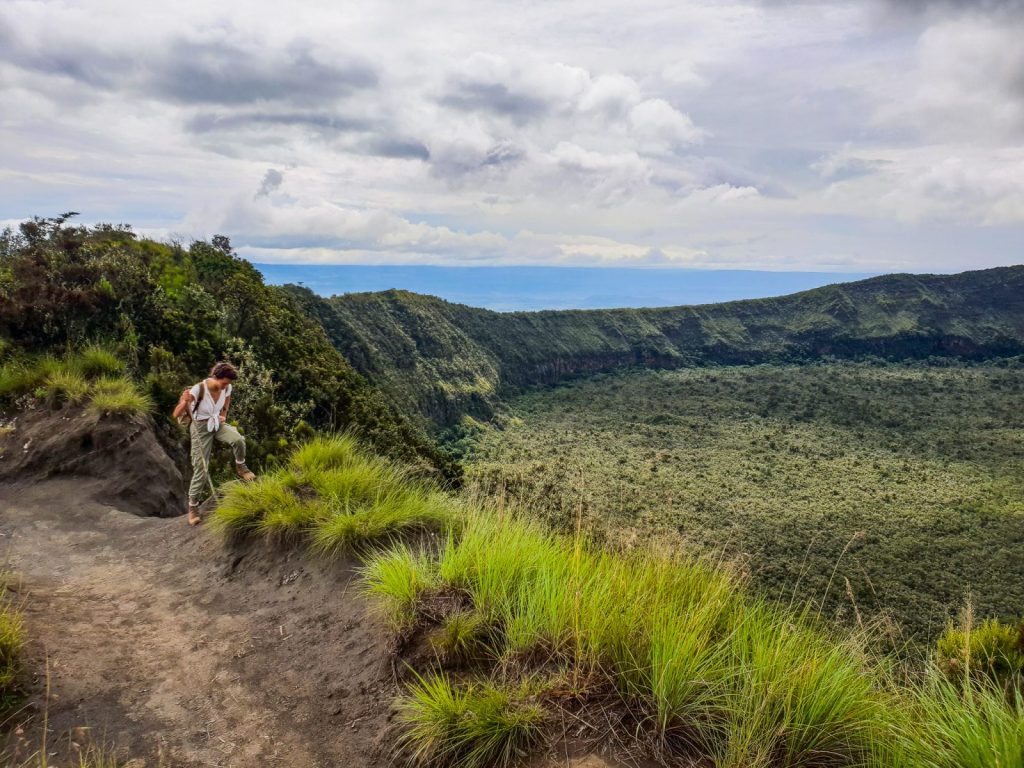
The surrounding landscape features steep green hills, small bays, cultivated slopes and islands scattered across the lake.
Karongi is quieter than Rwanda’s larger urban centres, making it appealing to visitors who prefer a relaxed environment.
Its location also makes it a convenient stop between northern Lake Kivu destinations and attractions farther south.
Exploring Karongi Boat Trips on Lake Kivu
Boat excursions are among Karongi’s principal tourism activities.
Local operators arrange trips to nearby islands, fishing areas and scenic sections of the shoreline.
Excursions vary in duration, depending on the selected destinations, weather and available boats.
Some visitors prefer short sightseeing trips lasting approximately one or two hours. Others choose longer excursions that include island walks, refreshments and cultural experiences.
Before booking, discuss your preferred activities with the operator.
| Boat experience | Suggested time | Main attraction |
|---|---|---|
| Short sightseeing cruise | 1–2 hours | Lake scenery and photography |
| Napoleon Island excursion | 2–3 hours | Fruit bats and island walking |
| Several-island tour | 3–4 hours | Different islands and viewpoints |
| Fishing experience | 3–5 hours | Traditional fishing methods |
| Private sunset cruise | 1–2 hours | Evening lake views |
These durations are approximate. Actual arrangements depend on the operator and local conditions.
1. Napoleon Island: Fruit Bats and Scenic Views
Napoleon Island is among the best-known destinations for boat excursions departing from Karongi.
The island receives its name from a shape traditionally compared with Napoleon’s hat.
Its main attractions include natural vegetation, fruit bats and elevated viewpoints.
Seeing the Fruit Bats
Napoleon Island supports a colony of fruit bats that visitors may observe resting in trees.
These mammals play important ecological roles, including dispersing seeds.
Your guide can explain their behaviour and identify suitable observation areas.
Avoid approaching or disturbing the animals.
Wildlife sightings depend on natural behaviour, so the number of bats visible may vary.
Walking Around the Island
Some excursions include a guided walk towards higher ground.
The route can be uneven and occasionally slippery, particularly after rainfall.
Wear comfortable shoes with suitable grip.
From elevated areas, you may enjoy views of Lake Kivu, neighbouring islands and Rwanda’s western hills.
Carry drinking water and avoid attempting the walk without local guidance.
2. Amahoro Island: A Peaceful Lakeside Stop
Amahoro Island, sometimes called Peace Island, is another destination associated with boat excursions around Karongi.
The island attracts visitors interested in relaxing, enjoying lake views and spending time away from busy roads.
Depending on available facilities, visitors may arrange refreshments or a simple meal.
Amahoro can be included in longer island excursions, although access arrangements should be confirmed beforehand.
Activities on Amahoro Island
Popular activities may include:
- Relaxing beside the water.
- Photographing the surrounding hills.
- Enjoying a picnic or arranged meal.
- Observing passing fishing boats.
- Taking a short guided walk.
Swimming should only be considered at locations approved by knowledgeable local operators.
Never assume that clear water means a location is safe.
Check water conditions, depth and current local health advice before entering the lake.
3. Discovering Smaller Islands
Beyond the better-known islands, Lake Kivu contains numerous smaller islands and wooded shorelines.
Some support agricultural activities, while others remain largely undeveloped.
A longer guided excursion may include several stops, depending on local access arrangements.
These quieter areas can be interesting for visitors who enjoy landscape photography and observing rural life.
You may see cultivated hillsides, small boats and residents travelling between lakeside communities.
Respect private property and avoid landing on islands without permission.
A knowledgeable guide can explain which islands welcome visitors and which should remain undisturbed.
4. Visiting Fishing Villages Around Karongi
Fishing is an important livelihood for communities living beside Lake Kivu.
A guided visit to an appropriate fishing settlement provides opportunities to learn how residents prepare boats, maintain equipment and organise their daily work.
Fishing communities should be approached respectfully, as their activities are part of everyday life.
Traditional Fishing Methods
Local fishermen use different fishing techniques depending on the species and equipment available.
One particularly recognisable tradition involves wooden boats travelling together across the lake.
Some fishing teams operate at night, using lights to attract fish.
The small fish known locally as sambaza are an important part of Lake Kivu’s fishing economy.
Visitors can learn about fishing equipment, working conditions and the importance of the lake to nearby households.
Responsible Village Visits
Arrange cultural visits through a recognised local guide or community representative.
Ask permission before photographing residents, particularly children.
Avoid entering homes or working areas without an invitation.
If you purchase food, crafts or locally provided services, pay the agreed price fairly.
A respectful visit should benefit the community while allowing residents to continue their normal activities.
5. Experience Traditional Night Fishing
Night fishing is one of Lake Kivu’s most distinctive cultural experiences.
Fishing groups often leave the shoreline during the evening and work through the night.
Some teams sing while paddling their wooden boats, helping coordinate movement and maintain rhythm.
Visitors may be able to join an organised observation excursion.
These experiences usually take place with trained guides and established fishing groups.
What to Expect
Depending on the programme, you may observe fishermen preparing equipment, arranging boats and beginning their journey.
Some operators offer early morning experiences when fishing teams return with their catch.
A morning visit can provide opportunities to see fish being unloaded and prepared for sale.
Choose an operator that supplies suitable life jackets and follows safe boating procedures.
Never arrange an informal night crossing with an unregistered boat.
6. Birdwatching Around Lake Kivu
Karongi’s shoreline and islands provide opportunities to observe birds associated with freshwater environments.
You may encounter kingfishers, cormorants and other waterbirds during suitable excursions.
Bird activity varies according to weather, habitat and time of day.
Early morning trips can be particularly enjoyable because boating conditions may be calmer and bird activity more noticeable.
Bring binoculars if birdwatching is important to your visit.
A local guide can help identify species and suggest areas where birds are commonly observed.
Keep a reasonable distance from nesting locations.
Best Time for Karongi Boat Trips
Lake Kivu can be visited throughout the year, although weather affects boating conditions.
Rwanda generally experiences relatively drier periods during June to September and December to February.
Rainfall is commonly heavier between March and May, with another wetter period around October and November.
Morning excursions are often preferred because they allow visitors to begin before stronger afternoon winds or changing weather.
However, conditions can vary throughout the day.
Always follow your boat operator’s advice about whether an excursion should proceed.
Where to Stay in Karongi
Karongi has lakeside hotels, lodges and smaller accommodation properties.
Some offer views across Lake Kivu, while others provide convenient access to town services.
Lakeside Lodges
Lakeside lodges suit visitors interested in peaceful surroundings and attractive scenery.
Some properties can help arrange private boat excursions, kayaking or local guides.
Confirm the availability of these activities before booking.
Mid-Range Hotels
Mid-range accommodation can provide comfortable rooms, restaurants and transport assistance.
These properties are suitable for couples, families and small groups.
When choosing accommodation, compare its location with the departure point for your planned boat excursion.
Budget Guesthouses
Budget guesthouses are useful for travellers who prefer simple facilities.
Check whether breakfast, private bathrooms and parking are included.
Booking accommodation for two nights allows more time to enjoy the lake without rushing.
What to Carry on a Boat Trip
Comfortable preparation makes your excursion easier.
Useful items include:
- Drinking water and light snacks.
- Sunscreen and a hat.
- Comfortable walking shoes.
- A lightweight rain jacket.
- A camera or mobile phone.
- Binoculars for birdwatching.
- A waterproof bag for valuables.
Wear a properly fitted life jacket throughout the boat journey.
Confirm the number of passengers allowed and avoid overloaded boats.
If the weather becomes unsuitable, postpone the excursion.
Combining Karongi With Other Rwanda Destinations
Karongi works well within a longer Rwanda travel itinerary.
Visitors may combine the lake with Kigali, Volcanoes National Park or Nyungwe National Park, depending on their interests and available time.
The Congo Nile Trail also passes through communities along the Lake Kivu region.
Walking or cycling sections of this route can provide opportunities to explore farms, villages and attractive countryside.
Allow sufficient travelling time between destinations.
Avoid scheduling a demanding activity immediately after a long road journey.
Frequently Asked Questions
How Much Time Do You Need for a Boat Trip?
A short sightseeing excursion may take one or two hours. Visiting several islands and including guided walks generally requires longer.
Can You Visit Napoleon Island?
Yes, guided boat excursions commonly include Napoleon Island, subject to weather, access arrangements and operator availability.
Are Boat Trips Suitable for Families?
Many sightseeing trips can suit families. Confirm life jacket sizes, boat conditions and age suitability before booking.
Can You See Fishermen Working?
Yes, organised fishing experiences may allow visitors to observe traditional fishing activities. Availability depends on local schedules and arrangements.
Should You Book in Advance?
Advance booking is recommended when travelling with a group or requesting a private excursion.
Karongi provides an enjoyable setting for exploring Lake Kivu’s islands, fishing communities and natural scenery.
Napoleon Island offers opportunities for wildlife observation, while Amahoro Island appeals to visitors interested in relaxing beside the water.
Traditional fishing experiences provide a closer understanding of how local communities use the lake.
For the most comfortable experience, choose a knowledgeable guide, allow enough time for your selected activities and follow boating safety instructions.