Gorilla Habituation: How Wild Families Learn to Accept Visitors
Gorilla habituation is a gradual process through which wild gorilla families become accustomed to the presence of humans without significantly changing their natural behaviour. Before visitors can undertake gorilla trekking in Uganda or Rwanda, trained researchers, trackers and wildlife rangers spend considerable time familiarising selected gorilla groups with human observers.
Wild mountain gorillas are naturally cautious around unfamiliar people. When approached, they may retreat into dense vegetation, display defensive behaviour or move their families away from perceived danger.
Through patient and carefully managed observation, gorillas gradually learn that certain human encounters do not represent an immediate threat.
The process can take several years and requires extensive knowledge of gorilla communication, social relationships and forest conditions.
In Uganda’s Bwindi Impenetrable National Park, visitors can participate in a regulated gorilla habituation experience, gaining an opportunity to learn about the work involved in preparing wild gorilla families for research and tourism.
Understanding this process helps travellers appreciate the effort behind every successful gorilla encounter.
What Is Gorilla Habituation?
Gorilla habituation is a scientific and conservation practice involving repeated, carefully controlled encounters between wild gorillas and trained human observers.
The objective is to reduce the animals’ fear of human presence while allowing them to continue their normal feeding, resting, travelling and social activities.
Habituation does not involve domestication, physical contact or training gorillas to perform particular behaviours. The animals remain wild and retain their ability to move freely throughout their natural habitats.
Researchers observe how individual gorillas respond to human presence before determining whether a family is ready for regulated tourism.
Some individuals adapt more quickly than others. Consequently, the process must progress according to the behaviour of the gorillas rather than tourism schedules.
Why Do Wild Gorillas Initially Fear Humans?
Wild gorillas instinctively respond to unfamiliar situations that may threaten their safety.
Historically, gorillas have experienced illegal hunting, habitat destruction and other harmful human activities. Their cautious behaviour helps protect them and their offspring.
When an unhabituated gorilla family encounters people, the animals may move away, vocalise loudly, conceal themselves in vegetation or display defensive behaviour.
A silverback may position himself between observers and other family members. Females carrying infants may retreat while younger gorillas remain close to protective adults.
These reactions are natural survival responses and should never be interpreted as evidence that gorillas are inherently aggressive.
How Gorilla Habituation Works: The Main Stages
1. Identifying a Suitable Gorilla Family
Wildlife authorities and researchers first identify a gorilla family that may be suitable for long-term observation.
Factors considered include group composition, habitat conditions, health, movement patterns and the potential consequences of increased human exposure.
Not every gorilla family is selected for habituation. Maintaining unhabituated populations remains important for conservation and scientific research.
2. Locating and Monitoring the Family
Experienced trackers locate gorilla families by identifying signs of their presence within the forest.
Researchers gradually develop an understanding of the group’s movements, feeding preferences and social organisation.
At this stage, direct observation may be difficult because gorillas often retreat when they detect unfamiliar people.
Monitoring requires patience, particularly in dense forests where visibility is limited.
3. Establishing Consistent Human Presence
Over an extended period, trained observers maintain carefully managed contact with the selected family.
The gorillas gradually become familiar with the researchers’ presence.
Food is not provided to encourage acceptance, and observers should never pursue, corner or deliberately provoke the animals.
Professional teams adjust their activities according to gorilla reactions and established conservation protocols.
4. Understanding Individual Gorilla Behaviour
Researchers begin identifying individual family members through distinctive physical characteristics and behavioural observations.
They record information about age, sex, family relationships, feeding habits and social interactions.
Some gorillas may remain cautious even when other family members appear comfortable.
Understanding individual differences helps researchers evaluate whether continued observation is appropriate.
5. Observing Natural Behaviour
Successful progress becomes apparent when gorillas continue their ordinary activities despite the presence of human observers.
They may feed, rest, groom one another or allow infants to play without repeatedly interrupting these activities to monitor people.
However, apparent tolerance does not guarantee the absence of stress. Researchers must continue assessing behavioural responses.
6. Assessing Readiness for Tourism
Before introducing regular tourist visits, wildlife authorities evaluate the family’s behaviour and suitability for regulated encounters.
The assessment considers both animal welfare and visitor safety.
Even after a family becomes available for tourism, professional monitoring continues to identify changes in health, behaviour and social relationships.
How Long Does Gorilla Habituation Take?
Mountain gorilla habituation commonly takes around two years, although some families require considerably longer.
International conservation guidelines indicate that habituating African great apes generally requires several years of consistent fieldwork. The duration varies according to the species, individual behaviour, previous human encounters and environmental conditions.
Academia+2
| Habituation stage | General activity |
|---|---|
| Initial assessment | Identifying suitable gorilla families |
| Early monitoring | Understanding movements and reactions |
| Progressive observation | Establishing consistent human presence |
| Behavioural assessment | Evaluating tolerance and natural activities |
| Tourism readiness | Determining suitability for regulated visits |
| Continued monitoring | Maintaining health and behavioural records |
There is no fixed timetable that applies to every gorilla family.
Gorilla Habituation vs Standard Gorilla Trekking
Although both activities involve observing mountain gorillas, their objectives and visitor arrangements differ.
Standard gorilla trekking introduces travellers to families already accustomed to regulated human visits. The habituation experience involves observing a family that is still undergoing the process.
| Feature | Standard gorilla trekking | Gorilla habituation experience |
|---|---|---|
| Observation duration | Up to one hour | Up to four hours |
| Maximum visitor group | Eight visitors | Four visitors |
| Gorilla behaviour | Generally accustomed to visitors | May remain more cautious |
| Main objective | Regulated wildlife observation | Extended observation and conservation education |
| Physical difficulty | Varies by family location | Can be more demanding |
| Photography opportunities | Shorter observation period | Longer but potentially less predictable |
| Minimum visitor age in Uganda | 15 years | 15 years |
The longer habituation experience does not guarantee four uninterrupted hours of clear gorilla sightings. Animals may move through dense vegetation or remain difficult to observe.
Where Can You Join a Gorilla Habituation Experience?
Uganda offers a specialised mountain gorilla habituation experience in Bwindi Impenetrable National Park.
The activity is particularly associated with the Rushaga area in southern Bwindi, where selected gorilla families undergo monitored habituation.
Visitors join authorised wildlife personnel and spend an extended period learning about gorilla observation and conservation practices.
The Uganda Wildlife Authority limits the experience to a maximum of four hours under its published tracking guidelines.
Availability depends on the progress of selected gorilla families, conservation assessments and permit allocations.
Travellers should confirm the designated briefing location before booking accommodation because Bwindi’s trekking sectors are geographically separated.
What Happens During a Gorilla Habituation Safari?
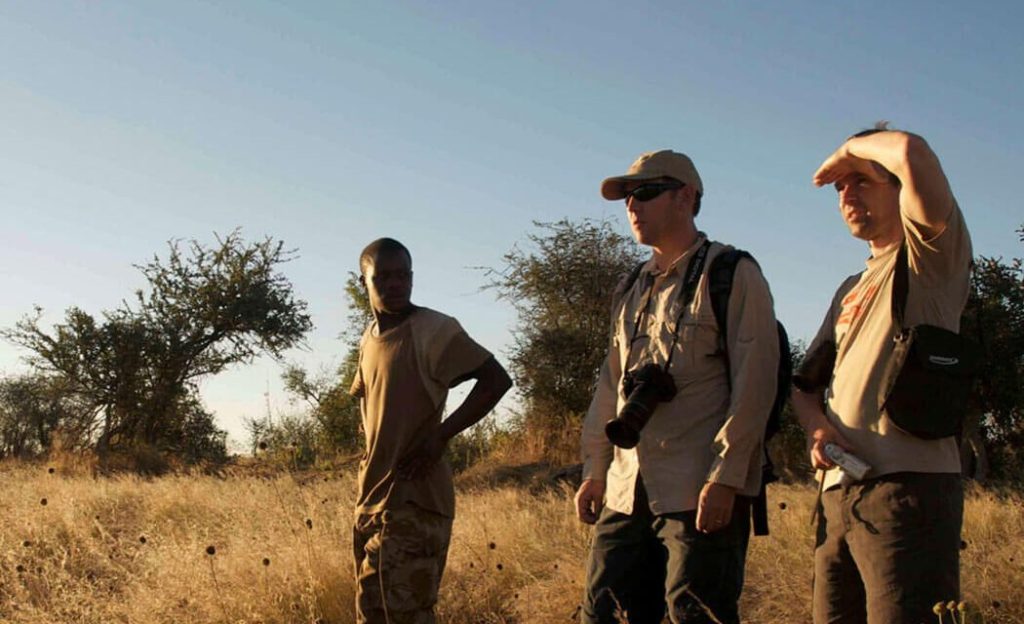
Your experience typically begins with an early morning briefing. Wildlife personnel explain safety procedures, forest conditions and expected visitor behaviour.
After the briefing, you enter the forest with authorised guides and trackers.
The walking duration depends on the location of the gorilla family. Dense vegetation, steep slopes and muddy trails can make the journey physically demanding.
During the encounter, you may observe gorillas feeding, resting, moving between vegetation patches or interacting with family members.
Guides explain behaviours and discuss the conservation work involved in habituation.
Visitors remain observers. Scientific sample collection, close-contact activities and independent approaches to gorillas require separate authorisation and are not part of ordinary tourist participation.
How Much Does Gorilla Habituation Cost?
Published 2026 travel information commonly lists the foreign non-resident gorilla habituation permit at US$1,500 per person.
This permit is more expensive than standard gorilla trekking because the experience involves smaller visitor groups and a longer observation period.
Additional safari expenses include accommodation, transport, meals, porter services and other activities.
Permit tariffs can change, particularly when the Uganda Wildlife Authority introduces new conservation pricing schedules. Confirm the applicable rate for your actual trekking date before making payment.
How Gorilla Habituation Supports Conservation
Improved Scientific Understanding
Habituation allows researchers to observe gorillas over extended periods and collect information about their natural behaviour.
Long-term observations improve understanding of reproduction, social relationships, feeding habits and infant development.
These findings contribute to conservation planning.
Improved Veterinary Monitoring
Regular observation makes it easier for conservation teams to identify unusual behaviour, injuries and potential signs of illness.
Veterinary specialists can assess whether an affected gorilla requires medical intervention.
Early detection may be particularly important during infectious disease outbreaks.
Conservation Funding
Regulated tourism generates revenue that helps support protected area management, wildlife patrols and community development.
Habituation contributes to these funding opportunities by allowing selected gorilla families to participate in carefully controlled tourism.
Local Employment
Gorilla tourism creates employment opportunities for trackers, guides, porters, accommodation employees and other local service providers.
These livelihoods can strengthen community participation in wildlife conservation.
However, financial benefits must never take priority over gorilla welfare.
Does Gorilla Habituation Harm Mountain Gorillas?
Habituation provides conservation benefits but also introduces potential risks.
Increased human exposure can contribute to disease transmission, behavioural changes and reduced fear of people who may present genuine threats.
For this reason, habituation should only be conducted by authorised professionals following established conservation procedures.
| Potential risk | Protective measure |
|---|---|
| Human disease transmission | Masks, health screening and viewing distances |
| Behavioural disturbance | Controlled observation and visitor limits |
| Excessive human exposure | Restricted encounter durations |
| Increased vulnerability to poaching | Regular wildlife protection patrols |
| Physiological stress | Behavioural and health monitoring |
Habituation is appropriate only when the anticipated conservation benefits justify the risks.
What to Pack for a Gorilla Habituation Experience
Because habituation excursions can involve extended periods inside the forest, prepare for changing weather and challenging walking conditions.
Your daypack should contain the following essentials:
-
Waterproof hiking boots with reliable grip.
-
Long trousers and a long-sleeved shirt.
-
Lightweight waterproof jacket.
-
Gardening gloves for protection against vegetation.
-
Sufficient safe drinking water.
-
Packed lunch and energy snacks.
-
Protective face masks and spare replacements.
-
Camera with additional batteries and memory cards.
-
Insect repellent.
-
Walking stick where appropriate.
Hiring a local porter can make the excursion more comfortable while providing direct employment income to neighbouring communities.
Frequently Asked Questions
What does gorilla habituation mean?
It is the gradual process of familiarising wild gorillas with the presence of human observers while preserving their natural behaviour.
How long does it take to habituate mountain gorillas?
Mountain gorilla habituation commonly takes around two years, although individual families may require longer.
Are habituated gorillas domesticated?
No. Habituated gorillas remain wild animals capable of independent movement, feeding, reproduction and defensive behaviour.
Can tourists touch habituated gorillas?
No. Physical contact is prohibited because it creates unnecessary health and safety risks.
Is gorilla habituation more difficult than normal trekking?
It can be more physically demanding because visitors may spend longer in the forest and encounter gorillas that move more frequently.
Is gorilla habituation available in Rwanda?
Rwanda conducts gorilla habituation and research, but Uganda is particularly recognised for offering a dedicated four-hour mountain gorilla habituation experience to tourists.
Gorilla habituation requires patience, scientific knowledge and years of dedicated conservation work. Through carefully controlled observation, selected wild gorilla families gradually become accustomed to human presence while retaining their natural behaviour.
Uganda’s gorilla habituation experience provides travellers with an opportunity to understand this process and appreciate the work undertaken by wildlife researchers, trackers and conservation professionals.
However, gorilla welfare must remain the priority. Responsible observation, disease prevention and strict visitor regulations are essential throughout the experience.
If you want to spend longer observing mountain gorilla behaviour and learning about conservation, consider including a gorilla habituation experience in your Bwindi safari itinerary.